2025 Top Commercial Vending Machine Trends: Boosting Profits & Customer Experience
In recent years, the landscape of commercial vending machines has evolved significantly, influenced by technological advancements, consumer preferences, and emerging market trends. As we approach 2025, it is crucial for businesses to stay ahead of the curve and leverage these developments to enhance profitability and customer satisfaction. The commercial vending machine industry is witnessing a transformative shift, with innovations that not only streamline operations but also offer personalized experiences tailored to diverse consumer needs.
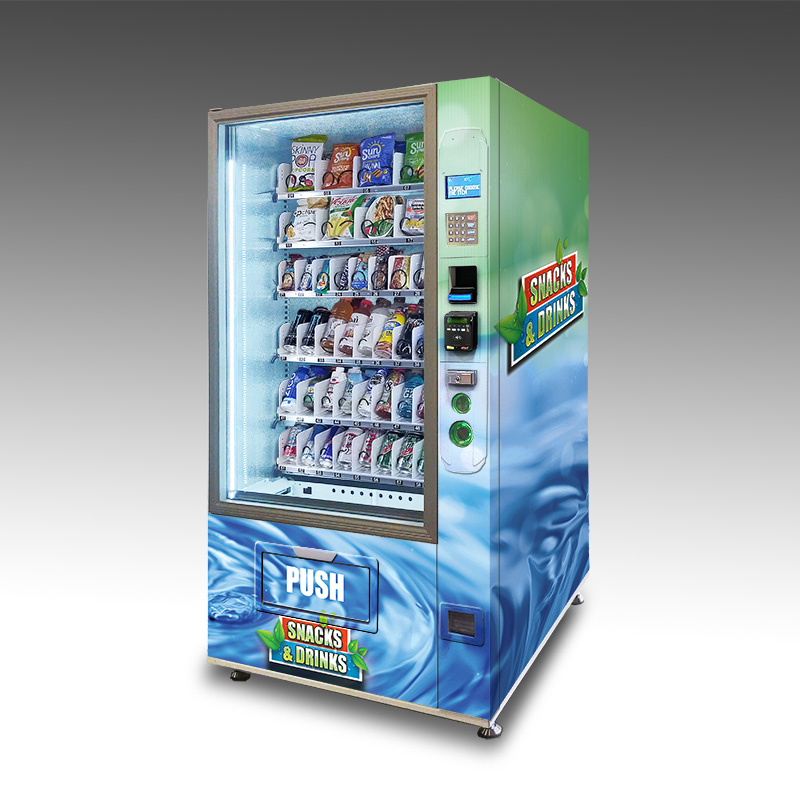
The integration of smart technology into commercial vending machines is at the forefront of this evolution. Features such as cashless payment options, real-time inventory tracking, and AI-driven analytics are enabling operators to optimize their offerings and align them with consumer behavior. Furthermore, as health-conscious choices gain traction, vending machine selections are increasingly reflecting a demand for nutritious snacks and beverages, creating an opportunity for businesses to appeal to a broader clientele. By understanding and implementing these trends, commercial vending machine operators can significantly improve their competitive edge in the market.
Ultimately, the future of commercial vending machines looks promising, with potential enhancements in efficiency and customer engagement. By embracing the latest trends and technology, stakeholders can not only boost their profits but also create a more enjoyable and convenient user experience, paving the way for sustained success in the vending industry.

Impact of Cashless Payments on Vending Machine Sales in 2025
As the vending machine industry evolves, the shift towards cashless payment systems is redefining the customer experience and sales dynamics. In 2025, the adoption of mobile payments, digital wallets, and contactless transactions will likely increase significantly. This transition not only simplifies the purchasing process but also caters to the growing consumer preference for convenient and hygienic payment methods. With a more seamless checkout, operators can expect to see a rise in impulse purchases, as customers are more inclined to buy when they don’t have to fumble for coins or bills.
Moreover, the integration of cashless payments allows operators to collect valuable data on customer preferences and buying habits. This information can be utilized to optimize inventory selection and placement, ultimately leading to enhanced profitability. As vending machines become smarter with better payment technologies, the possibility of offering personalized promotions based on previous purchases will also emerge, creating a more tailored shopping experience. In this cashless landscape, the focus on convenience and customer engagement will be key in driving sales and attracting a loyal consumer base.
Emergence of Healthy Snack Options in Vending Trends for Enhanced Appeal
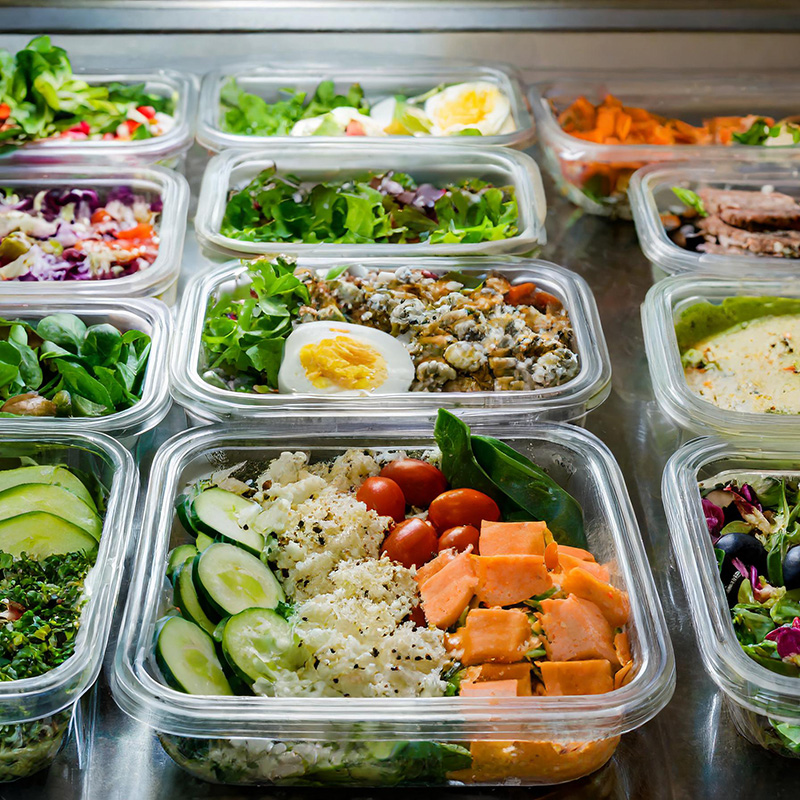
The rise of healthy snack options in vending machines is reshaping the landscape of commercial vending trends, responding to an increasing consumer demand for nutritious choices. As health-conscious living becomes a priority for many, vending machine operators are adapting their selections to include organic snacks, low-calorie items, and plant-based options. This shift not only caters to the evolving preferences of consumers but also positions vending machines as viable sources of healthy food, appealing to a wider demographic.
Incorporating healthy snacks into vending offerings can significantly enhance customer experience. Shoppers are increasingly looking for convenience without sacrificing their dietary goals. By providing options like nuts, dried fruits, protein bars, and even yogurt cups, vending machines can become more than just quick snack dispensers; they can serve as essential lifestyle companions. This strategic focus on health not only boosts sales but also fosters brand loyalty, as customers recognize the vending machine as a source of quality, health-oriented products.
Integration of IoT Technology in Vending Machines to Boost Efficiency
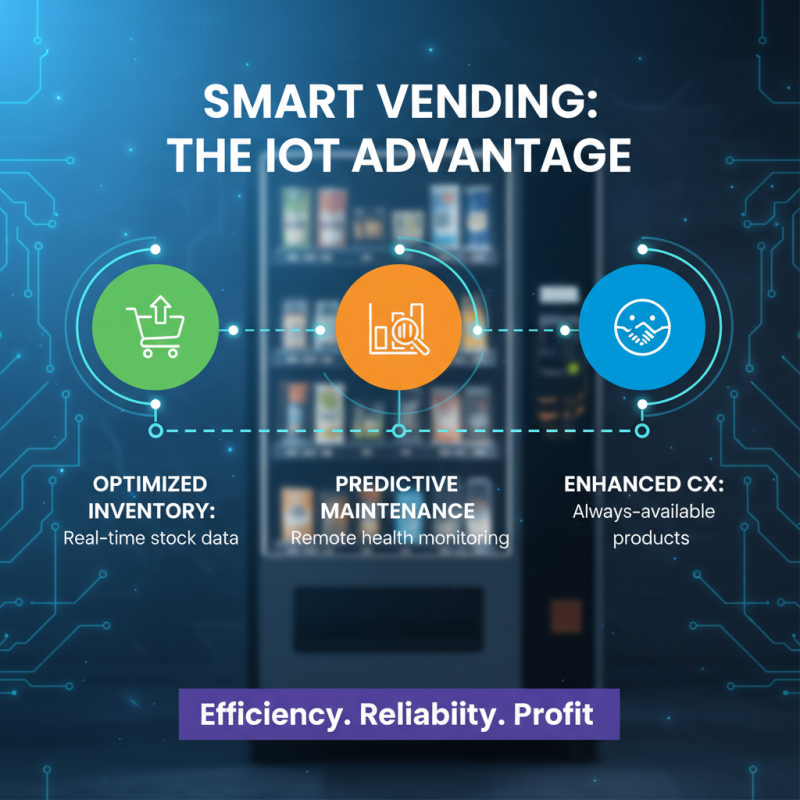
The integration of IoT technology into vending machines marks a significant shift in the industry, promising to enhance both operational efficiency and customer experience. By utilizing IoT-enabled devices, vending machines can now communicate in real-time with operators, providing data on stock levels, sales trends, and even machine health. This connectivity allows businesses to optimize inventory management, ensuring that popular items are always available and reducing the chances of overstocking slower-moving products. Additionally, remote monitoring capabilities help operators identify maintenance needs before they become critical, minimizing downtime and enhancing service reliability.
From a customer experience perspective, IoT integration facilitates smarter vending solutions. Consumers can receive instant notifications about new product arrivals, special promotions, or restock alerts through mobile applications. This level of engagement not only fosters loyalty but also transforms the vending experience into a more interactive and tailored one. Furthermore, smart payment options such as mobile wallets or contactless payments streamline the transaction process, making it quicker and more convenient for users. Ultimately, the rise of IoT technology in vending machines is setting the stage for a more efficient, responsive, and customer-centric approach to automated retail.
Sustainability Practices in Vending Operations: Driving Consumer Preferences
As consumer awareness of environmental issues continues to rise, vending operations are increasingly adopting sustainability practices that resonate with eco-conscious clientele. By prioritizing environmentally friendly products and reducing waste, vending businesses are not just enhancing their corporate reputation; they are also tapping into a market that favors sustainability. Incorporating biodegradable packaging, offering organic snack options, and partnering with local suppliers can attract consumers who value ethical consumption, effectively driving customer preferences and loyalty.
Furthermore, implementing energy-efficient machines and smart technology can significantly reduce the carbon footprint of vending operations. These innovations not only appeal to sustainability-minded consumers but also lead to long-term cost savings. Additionally, integrating recycling and composting initiatives within vending locations can further strengthen a brand's commitment to sustainable practices. As these operations become more efficient and environmentally responsible, they are likely to see a boost in profits while simultaneously playing a vital role in creating a greener future.
Personalization and Customization Trends in Vending for Enhanced User Experience
As vending machines evolve, personalization and customization are becoming key trends that significantly enhance user experiences. According to a recent industry report by MarketsandMarkets, the global vending machine market is projected to reach $25 billion by 2025, with customization efforts driving a substantial part of this growth. Consumers increasingly seek personalized interactions that cater to their preferences and dietary needs, prompting operators to integrate advanced technologies. Features like touchless payment options and customizable product selections allow users to tailor their purchases, creating a more engaging experience that aligns with modern consumer expectations.
Furthermore, the integration of data analytics in vending operations opens up new avenues for personalization. By analyzing customer buying patterns, vending machine operators can tailor product offerings to specific demographics, ensuring that their machines stock items that resonate with local consumers. A report from IBISWorld highlights that machines equipped with smart technology can report sales data in real-time, enabling businesses to dynamically adjust inventory and promotions. This responsive approach not only boosts sales but also fosters customer loyalty, as users appreciate the convenience of having access to their preferred items at their fingertips. Ultimately, the shift towards personalization and customization in vending machines is redefining the landscape, creating a win-win situation for both operators and consumers.