As we approach 2026, the landscape of LED Screens is evolving rapidly. From vibrant displays in urban centers to innovative uses in various industries, LED screens are becoming a pivotal part of communication and marketing. They captivate audiences with their clarity and brightness, offering businesses new ways to engage customers. However, not all trends are perfect; some advancements may pose challenges.
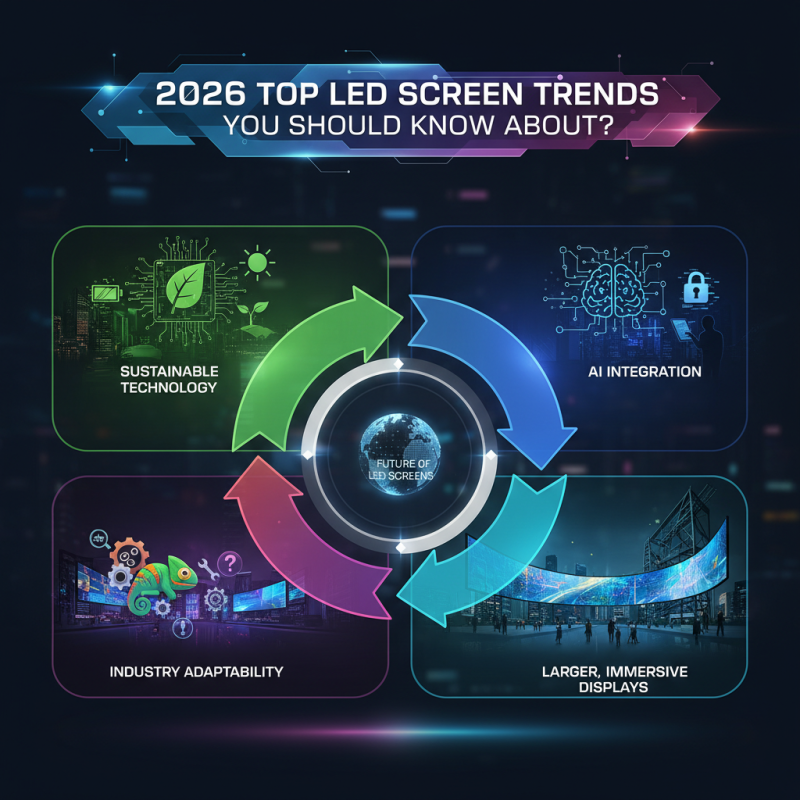
Understanding emerging trends is essential for anyone involved in this field. The shift towards sustainable technology is one key trend. It presents both opportunities and potential pitfalls. The integration of AI into LED screen technologies can enhance functionality, but it raises concerns about privacy and data security. Moreover, as the demand for larger and more immersive displays grows, so do issues related to installation and maintenance.
Professionals in the LED screen industry must stay informed and adaptable. The next few years promise significant changes. Staying ahead requires not just knowledge but a critical examination of new developments. Each trend presents unique advantages and challenges that need thoughtful consideration. Balancing innovation with responsibility will be crucial as the world embraces the future of LED screens.
MicroLED technology is gaining momentum in the LED screen market. It offers several advantages over traditional display technologies. By 2026, the global MicroLED market is expected to reach approximately $6.6 billion, according to industry reports. This growth is driven by the increasing demand for high-resolution displays in various sectors, including consumer electronics, automotive, and advertising.
One key factor in MicroLED's rise is its superior brightness and energy efficiency. These displays consume less power while delivering vivid colors and sharp images. The technology also allows for thinner and lighter screens, which appeal to manufacturers looking to innovate. However, challenges still exist. High production costs and complexity in manufacturing MicroLED panels remain significant hurdles.
As the market expands, it is crucial for developers to optimize production processes. This can help reduce costs and make MicroLED technology more accessible. Additionally, companies must address issues related to color uniformity and scaling for larger sizes. A transparent approach to these challenges will boost consumer trust and industry growth. Ultimately, the future of MicroLED technology looks promising, but continuous development and innovation are necessary.
| Trend Category | Description | Market Projection (2026) | Key Advantages |
|---|---|---|---|
| MicroLED Technology | A self-emissive technology promising higher brightness and efficiency. | $15 Billion | Higher contrast ratios, improved energy efficiency, and longer lifespan. |
| Flexible Displays | Displays that can bend and flex for versatile applications. | $7 Billion | Innovative product designs and new user experiences. |
| Increased Adoption of AR/VR | Integration of LED screens in augmented and virtual reality experiences. | $10 Billion | Enhanced immersive experiences and applications in various fields. |
| Energy Efficiency Improvements | Developments focused on reducing power consumption. | $5 Billion | Lower operating costs and reduced environmental impact. |
| High Refresh Rate Displays | Screens with higher refresh rates for smoother motion. | $3 Billion | Improved visual experiences in gaming and video playback. |

The rise of flexible and bendable LED screens is transforming various industries. These innovative displays are lightweight, making them ideal for creative applications. For example, retail stores now use them to create immersive shopping experiences. Designed to curve around shelves or fit into unique architectural layouts, these screens catch customer attention effectively.
In the events sector, flexible LED panels are gaining popularity. They can wrap around stages, create dynamic backdrops, and even be suspended from ceilings. This adaptability offers event planners new opportunities to engage audiences. However, challenges remain regarding durability and performance under varying conditions. There's also the need for specialized installation techniques to ensure optimal display quality.
Moreover, the cost of these advanced screens can be a barrier for some businesses. Investing in the latest technology involves financial risk. Companies must weigh the benefits against these costs carefully. Flexibility is promising, but implementation must be approached with caution. Understanding the strengths and limitations of bendable LED screens is key to leveraging their full potential in changing industries.
Energy efficiency standards are set to reshape LED display design by 2026. As governments worldwide push for greener solutions, manufacturers are responding by innovating in energy-efficient technologies. According to a recent report by the International Energy Agency, energy-efficient LEDs can reduce energy consumption by up to 50% compared to traditional displays. This shift means that designers must prioritize low-energy components and sustainability in their projects.
LED designs will evolve not only in their materials but also in how they are used. Expect to see adaptive brightness technology that adjusts based on the surrounding light. This feature not only saves energy but enhances viewing experiences. Data from the U.S. Department of Energy indicates that installations of energy-efficient displays can lead to significant savings in operational costs for businesses.
Tips: Consider integrating motion sensors in your designs. This can reduce energy use when displays are not in active use. Additionally, experimenting with new eco-friendly materials can offer unique aesthetic benefits. Embrace a mindset of sustainability. Reflect on your design process and look for areas where efficiency can be improved. Small changes can lead to substantial impacts on both energy usage and overall performance.
This chart illustrates the anticipated impact levels of various trends in LED screen technology by 2026, focusing on energy efficiency, design innovation, cost reduction, sustainability, and market growth.
Transparent LED displays are gaining traction in retail environments. As consumer demands evolve, retailers seek innovative ways to enhance shopping experiences. According to a recent industry report, the market for transparent displays is projected to grow by 30% over the next five years. This surge indicates a significant shift towards more immersive retail environments.
These displays enable retailers to create a seamless blend of physical products and digital content. Customers can see products behind the screen while engaging with interactive advertisements. A study found that stores using transparent displays saw a 20% increase in foot traffic. However, there are challenges. Not all retailers have the infrastructure to support transparent technology effectively.
Implementation costs can be high, and not everyone understands the technology. Reports indicate that improper placement leads to diminished visibility. Retailers must carefully consider design and location. Balancing aesthetics with functional marketing remains a task. As the technology evolves, so does the need for ongoing education and adaptation. The path forward requires creativity and reflection on customer feedback.
The rise of interactive LED screens is transforming user engagement in innovative ways. Reports indicate that companies leveraging interactive displays witness a 32% increase in customer interaction. This shift highlights a growing demand for engaging visual experiences beyond passive content consumption.
One notable trend is the incorporation of touch technology. As users become more comfortable with tactile interactions, screens that respond to touch are gaining traction. This tech not only captures attention but also encourages participation. A recent survey showed that 70% of participants preferred interactive content over static displays, illustrating a clear preference for dynamic engagement.
Despite these advancements, challenges persist. For example, the integration of interactive content often requires significant investment in technology and design. Companies must weigh these costs against potential engagement benefits. Additionally, some users may still be hesitant to interact with screens due to privacy concerns. These factors highlight the need for ongoing reflection in the adoption of interactive technologies.