2026 Top Vending Machine Business Trends You Need to Know?

The vending machine business is evolving rapidly, driven by technological advancements and changing consumer behaviors. According to a report by IBISWorld, the vending machine industry generated approximately $23 billion in revenue in 2022, with an annual growth rate of around 3.8%. This growth indicates a strong market presence and hints at future potential, especially as more innovative solutions are introduced.

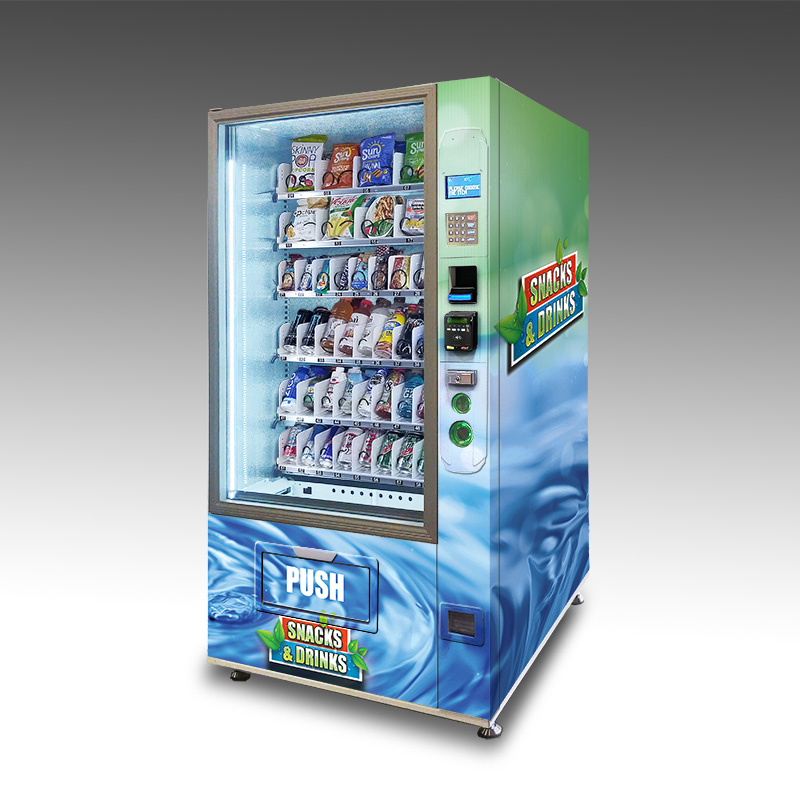
As we approach 2026, several key trends are shaping the vending machine landscape. Factors such as cashless payment systems and health-conscious product offerings are gaining traction. Data from MarketsandMarkets suggests that the cashless payment segment in vending is expected to exceed $7 billion by 2025. This shift reflects a broader acceptance of digital transactions, making the vending experience more convenient for users.

Despite these positive trends, challenges remain. Operators must adapt to changing regulations and competition from alternative retail models. The sustainability of vending machines is also under scrutiny, requiring businesses to rethink their operational practices. These factors clearly illustrate that while opportunities abound, the vending machine business must navigate a complex environment to thrive in the coming years.
2026 Top Vending Machine Business Trends You Need to Know?

Emerging Technology in Vending Machines for 2026

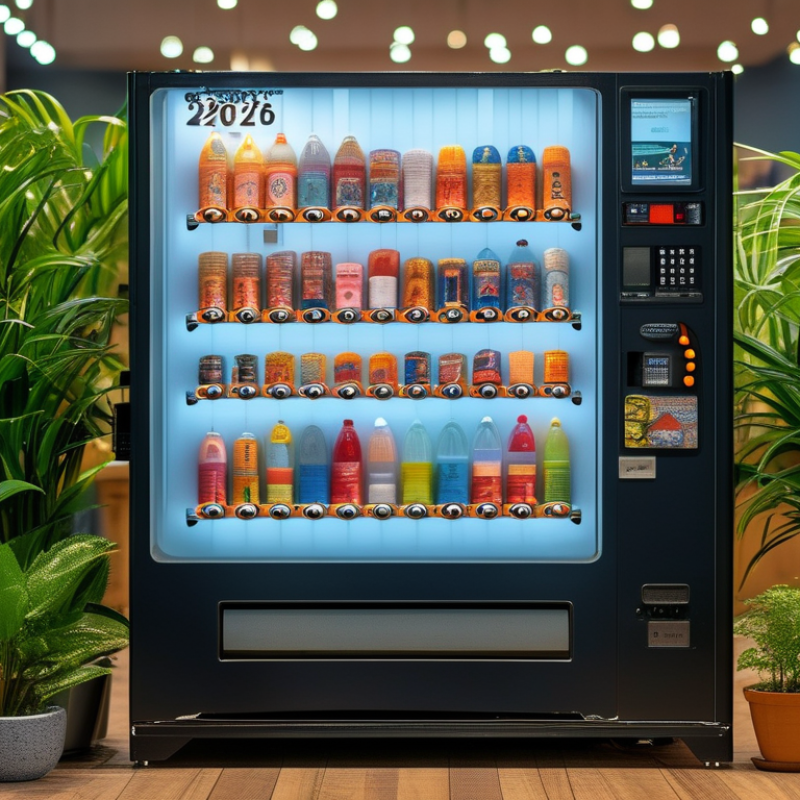
As the vending machine industry moves towards 2026, emerging technologies will reshape consumer interactions. Innovations like cashless payments and contactless features are gaining momentum. Reports show that nearly 75% of consumers prefer these touchless options for convenience and safety. This shift highlights the necessity for machines that can accommodate various payment methods seamlessly.

Another intriguing trend is the integration of smart technology. Vending machines equipped with IoT technology track inventory in real time. This capability can reduce waste and improve stock management. A study indicates that businesses leveraging IoT solutions can decrease operational costs by up to 30%. However, challenges in cybersecurity and data protection need serious consideration as technologies evolve.

Additionally, personalized vending experiences are on the rise. Machines that analyze user preferences can offer tailored product recommendations. However, the balance between personalization and privacy remains a concern. Customers may enjoy curated selections but could be uneasy about data usage. As vending machines become smarter, the responsibility lies in safeguarding customer trust while delivering innovation.

Sustainable Practices in the Vending Industry

The vending industry is evolving, with sustainability becoming a core focus. Operators are seeking eco-friendly options to attract health-conscious consumers. Many machines now offer organic snacks, fresh fruits, and plant-based products. By incorporating sustainable items, operators cater to evolving dietary preferences.

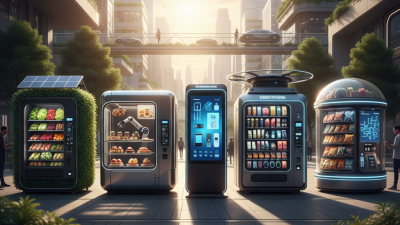
In addition to product offerings, machines themselves are changing. New designs prioritize energy efficiency, using less power while in operation. Some vending machines even employ solar panels. This not only reduces energy costs but also supports a greener image. However, implementing these changes can be challenging. High upfront costs and the need for consumer education can deter some operators.

Transparency is also key. Customers want to know where their food comes from. Vending businesses are encouraged to provide clear labeling. This includes sourcing information and ingredient lists. Engaging customers with this information fosters trust but can be difficult to balance with cost. Continual refinement and openness in practices will define the future of sustainability in vending.

Personalization and Customer Experience Trends

Personalization is reshaping the vending machine industry. Customers today expect more than just standard snacks and drinks. They seek tailored experiences that reflect their preferences. This trend is increasingly evident in vending machine designs and offerings.

Innovative machines now use technology to gather data. They analyze consumer choices and purchasing behaviors. Over time, they adapt to provide personalized recommendations. Imagine a vending machine that suggests your favorite beverage based on previous selections. This kind of interaction can elevate the customer experience significantly.

However, challenges remain in implementing these features. Not all operators have the resources or expertise to invest in advanced technology. Additionally, there’s a delicate balance between personalization and privacy concerns. Some users may feel uneasy about data collection. Addressing these issues is essential for creating a seamless experience. Emphasizing trust and transparency builds customer loyalty in this evolving market.

Impact of Health-Conscious Snacking on Vending Choices

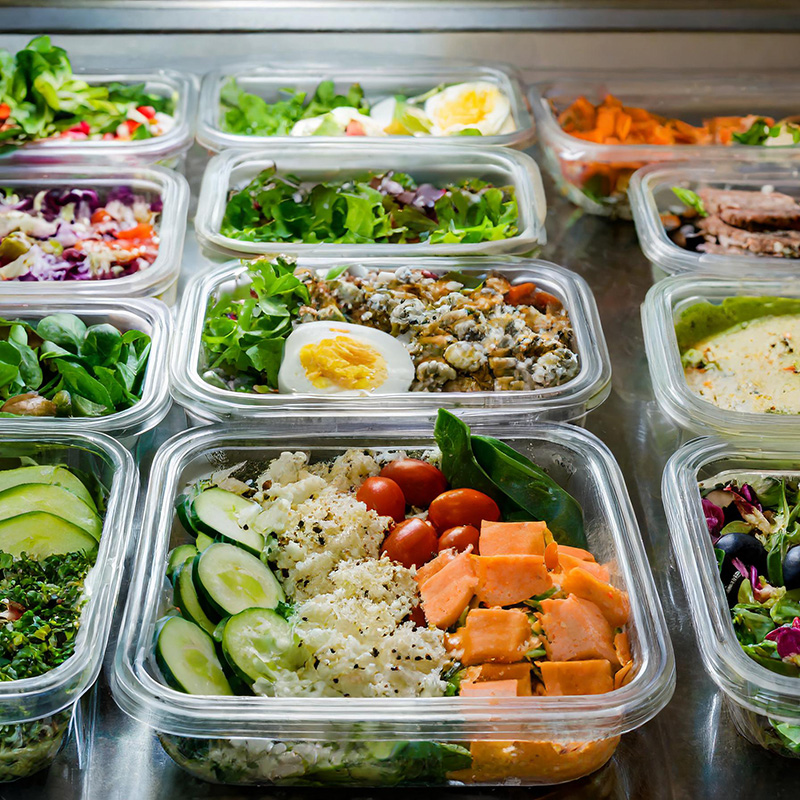
Health-conscious snacking is reshaping the vending machine landscape. Reports indicate that nearly 73% of consumers now prefer nutritious snacks over traditional options. This trend reflects a growing awareness of health and wellness. As a result, vending machine operators are adapting their product selections. They increasingly stock items like nuts, dried fruits, and low-calorie snacks.

These choices aren't just a surprise. Consumers want transparency and nutrition labels. About 62% demand clear information about ingredients. This push for healthier options is backed by data. The global healthy snacks market is expected to reach $108 billion by 2025. Vending machines must evolve to meet this demand if they want to stay relevant.

Tip: Evaluate your vending inventory. Ensure healthier options are front and center. Offering a mix of classic and nutritious snacks can attract a wider audience.

With this shift, maintaining a balance can be tough. While health-centric products are desirable, not all vending operators have access to diverse suppliers. Therefore, it's key to research local sources for stocking quality items. Education on nutrition can further help operators. Providing information helps customers make informed choices.

Integration of Cashless Payment Solutions in Vending Machines

The integration of cashless payment solutions in vending machines is transforming the industry. As digital payment methods evolve, consumer preferences shift. Studies show that up to 70% of consumers prefer cashless options when purchasing items. This trend reflects a growing push for convenience in everyday transactions.

Vending operators face challenges in adapting to these innovations. Many machines still rely on cash, limiting their customer base. Some reports suggest that vending businesses could see a 30% increase in sales by upgrading to cashless systems. Implementing these solutions can be costly, but the long-term benefits may outweigh initial investments.

Security is another concern. Digital transactions can introduce risks, such as fraud and data breaches. Operators need to ensure robust security measures are in place. This requirement necessitates a balance between technological advancement and consumer safety. While cashless solutions are favored, operators must continuously evaluate their systems to maintain consumer trust.

2026 Top Vending Machine Business Trends: Integration of Cashless Payment Solutions