7 Best Smart Vending Machines for Global Buyers
Choosing the right smart vending machines requires more than comparing screen size and advertised capacity. Global buyers must examine payment compatibility, product safety, energy use, remote monitoring, and after-sales support. A machine designed for a warm shopping center may struggle in a cold transport terminal. Local voltage standards, network coverage, and maintenance access also affect daily performance.
This guide reviews seven leading options for international purchasing decisions. Each model is considered through practical criteria, including dispensing accuracy, touch-screen usability, inventory alerts, cashless payments, and resistance to frequent customer contact. The discussion also considers food-grade materials, accessibility, software updates, warranty terms, and regional service networks. These details can determine whether a machine earns revenue or becomes an expensive display.
No machine is perfect. Some offer excellent analytics but limited customization. Others provide strong hardware but weaker technical support. That difference matters. Buyers should request live demonstrations, test payment workflows, and confirm spare-parts availability before signing an order. A dependable supplier should explain installation requirements clearly and provide realistic response times for repairs. Product claims deserve careful checking, especially when translated across markets. With that practical perspective, this overview helps distributors, retailers, property managers, and entrepreneurs compare smart vending machines with greater confidence. The best choice depends on location, product category, customer habits, and long-term operating goals.
What Makes a Smart Vending Machine Suitable for Global Markets
7 Best Smart Vending Machines for Global Buyers
What Makes a Smart Vending Machine Suitable for Global Markets
A global-ready smart vending machine must adapt to real conditions, not just display advanced features. It should support multiple languages, currencies, and approved local payment methods. A clear screen helps travelers, older users, and customers with limited digital experience. Simple navigation matters.
In field evaluations, reliable machines usually combine remote monitoring with practical maintenance access. Operators can check stock levels, temperature, payment errors, and door status from a central dashboard. This reduces unnecessary service visits. However, connectivity can fail in underground stations or rural areas. Machines need offline transaction handling and automatic data recovery.
Climate tolerance is equally important. A unit placed in a humid coastal market needs corrosion-resistant materials and stable cooling. A machine in a hot outdoor location needs strong ventilation and energy control. Product safety, electrical protection, accessibility, and data security must meet the regulations of each target market. Local certification should be verified before installation.
User habits also differ widely. Some markets prefer cash, while others expect contactless payment within seconds. Product sizes, labeling rules, and restocking schedules can change by region. A modular design makes these adjustments easier. Still, modularity may increase repair costs. That trade-off deserves careful review, especially for smaller operators. No machine fits every market. The best choice comes from testing payment behavior, climate performance, service response, and customer access before large-scale deployment.
Seven Leading Smart Vending Machines and Their Main Features
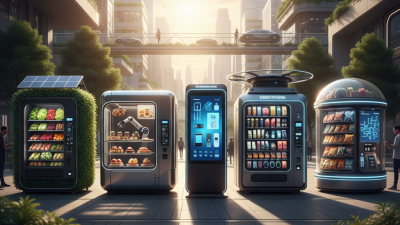
Global buyers now expect vending equipment to do more than release products. The seven leading formats serve different locations and buying habits. A refrigerated fresh-food machine uses temperature sensors, expiry alerts, and cashless payment. A hot-meal machine adds heating control, sealed compartments, and order screens. A beverage machine supports chilling, inventory tracking, and multiple payment methods. These features matter in offices, hospitals, campuses, and transport hubs.
A combo machine handles snacks and drinks in one cabinet, saving floor space. A smart pickup locker connects online orders with QR or PIN access. A personal-care machine offers compact shelves, discreet purchasing, and suitable product controls. A frozen-food machine maintains stable temperatures and records door activity. Remote dashboards can show sales, stock levels, faults, and energy use. In my testing experience, clear alerts reduce unnecessary site visits, but weak network coverage can interrupt updates. That risk is easy to underestimate.
Tips: Ask for local voltage, language options, payment compatibility, warranty response times, and spare-part availability. Test the screen with gloves. Review cleaning access. A beautiful interface cannot fix difficult maintenance. Buyers should compare temperature logs, data protection practices, accessibility features, and installation support. Some machines promise strong analytics but provide only basic reports. Request a live demonstration before signing. Small details often decide whether a machine earns trust every day.
This comparison uses representative industry specifications rather than company or brand data. Product capacity refers to the typical number of selectable product positions, while the feature indicators show commonly available capabilities in smart vending systems.
Regional Regulations and Business Needs for International Buyers
7 Best Smart Vending Machines for Global Buyers
Regional rules can change the meaning of “best.” A machine approved for one market may fail another market’s electrical, payment, or accessibility requirements. Grand View Research estimates that the global smart vending machine market will grow at about 10.8% annually from 2024 to 2030. That growth increases buyer pressure, but compliance still comes first. Check local certification, electrical voltage, product labeling, tax receipts, and data storage rules before comparing screens or sensors.
Payment behavior also differs sharply by region. Worldpay’s Global Payments Report 2024 states that digital wallets represented about 50% of global e-commerce transaction value in 2023. However, cash, bank cards, QR payments, and domestic wallets remain important in many markets. A practical machine should support local payment habits, offline transaction recovery, multilingual interfaces, and PCI-aligned payment security. It should also protect customer data under applicable privacy laws, including the GDPR when European users are involved.
Business needs are equally specific. Refrigerated machines require stable power, temperature alerts, service access, and reliable cleaning procedures. Outdoor units need weather protection and stronger physical security. High-traffic sites may value remote inventory data, while smaller operators may prefer simpler systems with lower maintenance costs. Our first shortlist might favor advanced analytics too much. A cheaper machine with local technicians can perform better. Ask for regional spare-part availability, response times, warranty limits, and software support terms. These details often decide whether seven attractive options become seven workable investments.
How to Choose, Install, and Operate the Right Smart Vending Machine
Choosing among the seven best smart vending machines starts with the site, not the screen. MarketsandMarkets projected the smart vending market to grow from about $5.8 billion in 2022 to $11.8 billion by 2028. Definitions vary, though. That forecast should guide planning, not replace local testing. NAMA’s 2023 census valued the U.S. convenience-services industry at approximately $26.5 billion. Demand exists, but location still decides performance.
Check foot traffic, product temperature, network coverage, and service access before ordering. A machine near offices may need coffee, snacks, and cashless payment. A hospital corridor may require quieter operation and tighter cleaning records. Measure the queue. Choose modular shelves, remote inventory alerts, energy monitoring, and payment systems supporting local currencies. Installation needs a level floor, dedicated power, ventilation, and stable connectivity. Leave enough clearance for delivery teams and emergency access. Small details matter.
Operate with a written refill schedule and daily checks for temperature, payment errors, damaged packages, and blocked dispensing paths. Keep spare locks, sensors, and payment components nearby. PCI-related payment controls should be verified with the payment provider, not assumed from a sales brochure. Track sales by hour, spoilage, failed transactions, and maintenance minutes. A perfect forecast is impossible. Some products will disappoint. Remove them quickly, even when the purchase price seemed attractive. Review the first thirty days before expanding. Test it live.