7 Best Soda Vending Machines for Businesses in 2026
A dependable soda vending machine can do more than hold cold cans. It can keep a busy break room moving, serve customers after a shop counter closes, and turn a narrow hallway into a useful sales point. But choosing one is not just about capacity. Operators need to weigh refrigeration, payment options, service access, product mix, and the space available beside the machine.
Industry reports offer useful context, though they do not promise results for any single business. The National Automatic Merchandising Association’s 2023 industry census estimated U.S. convenience-services revenue at about $26.6 billion. That figure covers vending and related services, not soda machines alone. Cantaloupe’s annual Micropayment Trends Report also tracks payment behavior in unattended retail, making it a practical reference when comparing cashless-ready equipment. The lesson is simple: convenience and payment flexibility matter, but local buying habits matter more.
This guide reviews seven soda vending machine options for businesses in 2026, focusing on practical details such as drink capacity, temperature control, payment support, and maintenance needs. A compact unit may suit a small office with limited floor space; a larger model may better serve a warehouse with steady shift traffic. There is no perfect machine. Even a strong model can disappoint if restocking is awkward or service is slow. The best choice is the one that fits your location, budget, and real demand—not just the most impressive specification sheet.
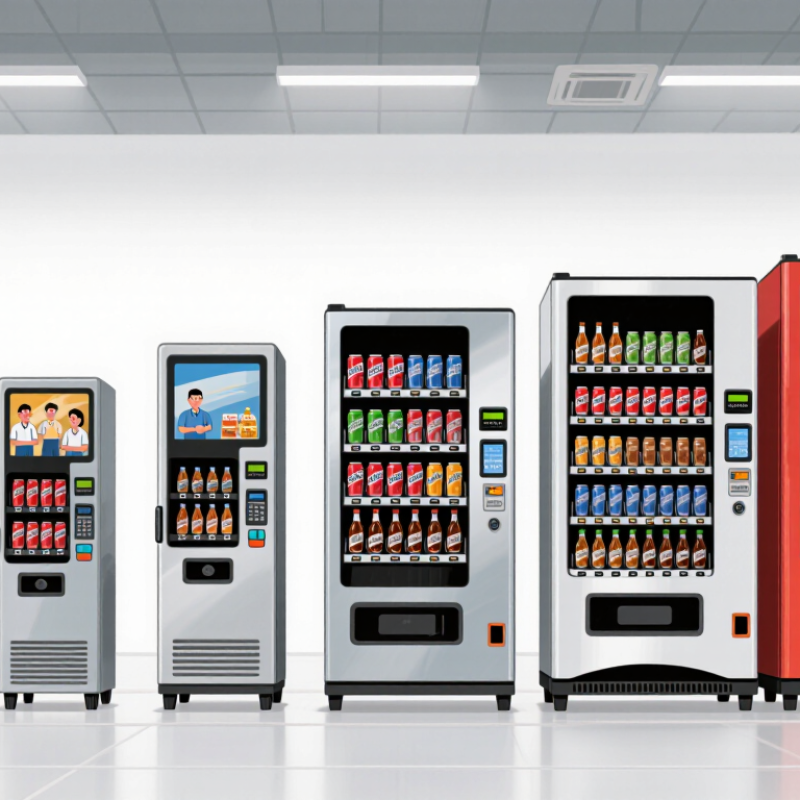
Table of Contents
[Hide]
What Makes a Soda Vending Machine Business-Ready in 2026?
What Makes a Soda Vending Machine Business-Ready in 2026?
A business-ready soda machine does more than keep cans cold. It must accept contactless payments, report sales remotely, and flag low stock or temperature problems. These features help operators respond before a customer finds an empty slot. NAMA’s 2023 State of the Industry Report estimated U.S. convenience-services revenue at $26.6 billion. That scale makes reliable operations important, but it does not guarantee profit at every site. A quiet office hallway and a busy factory floor need different capacities and refill schedules. Small details count.
Tips: Check the payment options, remote monitoring, refrigeration performance, and service access before buying. Ask how quickly parts can be replaced. Test the machine’s sales reports against a real restocking visit; dashboards can miss context. Track which drinks sell, not just total revenue. A machine may look efficient while carrying too many slow-moving flavors.
Plan for the actual location. Measure doorway clearance, power access, and the space needed to open the service panel. Confirm that the machine keeps drinks consistently chilled during peak use. One weak point is easy to overlook: a feature-rich unit can still disappoint if local maintenance is slow. Review service terms and estimate restocking labor alongside purchase price. Reliable beats flashy.
7 Best Soda Vending Machines for Businesses in 2026 - What Makes a Soda Vending Machine Business-Ready in 2026?
The options below are machine types, not branded products. Capacity and selection are typical planning ranges; actual figures depend on cabinet size, package dimensions, and internal configuration.
| Machine Type | Typical Capacity | Best-Fit Location | Business-Ready Strengths | Key Checks Before Buying |
|---|---|---|---|---|
| 1. Compact Indoor Can Vender | Approximately 150–300 standard cans; usually 6–10 selections | Small offices, waiting rooms, break rooms, and low-traffic indoor areas | Small footprint and straightforward stocking make it practical where floor space is limited. | Confirm the measured installation space, ventilation clearance, can dimensions, and service access. |
| 2. Standard Glass-Front Beverage Vender | Approximately 300–600 cans or bottles; often 8–12 selections | Workplaces, hotels, schools, and shared indoor facilities | A visible product display supports a varied drink range and makes stock levels easier to inspect. | Check shelf or tray adjustability, package compatibility, delivery access, and the machine’s cooling specifications. |
| 3. High-Capacity Beverage Vender | Approximately 600–1,000 cans or bottles, depending on package mix | Factories, distribution centers, campuses, and other high-traffic sites | Larger storage can reduce refill frequency when demand is consistent and storage space is available. | Estimate sales by product, check the loaded machine’s weight and floor requirements, and plan restocking routes. |
| 4. Can-and-Bottle Combination Vender | Approximately 300–700 items; selection count varies with package sizes | Sites serving customers who prefer both cans and bottled drinks | Flexible product layout can accommodate multiple package formats in one cabinet. | Verify that each tray or column is configured for the exact can and bottle dimensions you plan to sell. |
| 5. Outdoor-Rated Beverage Vender | Often approximately 300–700 items, depending on cabinet design | Covered outdoor areas, transport facilities, and sites without suitable indoor space | A purpose-built exterior cabinet may offer protection suited to its stated installation environment. | Confirm the manufacturer’s permitted temperature and weather exposure, anchoring requirements, drainage, and electrical protection. A standard indoor machine is not automatically outdoor-ready. |
| 6. Cashless- and Telemetry-Ready Vender | Varies by cabinet; commonly configured for roughly 300–700 items | Multi-site operators, unattended locations, and businesses needing remote sales or stock visibility | Can support card or mobile payments and remote reporting when compatible hardware, connectivity, and service are in place. | Check reader compatibility, network coverage, transaction fees, software or subscription costs, and what data the system actually reports. |
| 7. High-Efficiency Refrigerated Vender | Approximately 300–800 items, depending on cabinet size and layout | Businesses with long operating hours or a focus on managing operating costs | Insulation, lighting, and refrigeration design can affect electricity use over the machine’s service life. | Compare verified energy information for the exact configuration, confirm the cooling set-point range, and allow for adequate airflow around the unit. |
Related Posts
-
2026 Best Vending Machine Inventory Tracking Solutions?
-
10 Best Digital Vending Machines of 2026 to Transform Your Business
-
Top 10 Vending Machines Businesses Need in 2025 for Optimal Profitability
-

Top Tips for Effective Vending Machine Inventory Tracking Strategies?
-
Exploring Opportunities in Owning a Vending Machine at the 138th Canton Fair 2025
-
How to Choose the Best Vending Machine Franchise for You?