2026 Best Touch Screen Vending Machine Features and Trends?
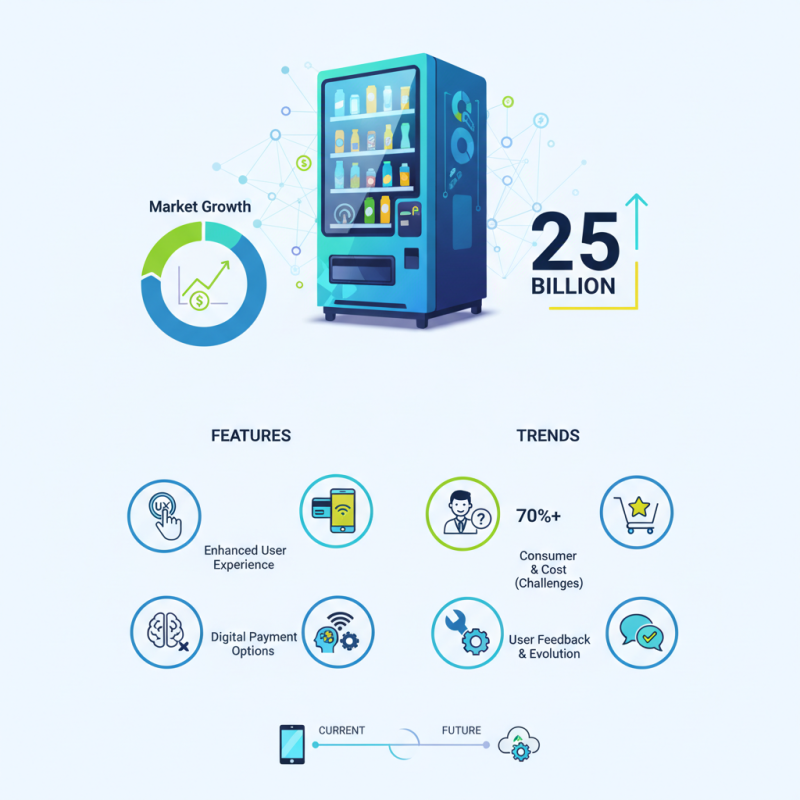
The vending machine industry is rapidly evolving, especially with the rise of touch screen vending machines. According to the latest market research report by Grand View Research, the global vending machine market is expected to reach $25 billion by 2026, driven by advancements in technology. Touch screen interfaces enhance user experience, offering seamless interactions and personalization.
These machines engage consumers with eye-catching displays and various digital payment options, catering to the growing demand for convenience. Furthermore, studies show that over 70% of consumers prefer touch screen interfaces over traditional buttons, indicating a shift towards user-friendly technology. The adaptation of artificial intelligence and machine learning in these vending machines poses both opportunities and challenges for operators.
Despite these advancements, challenges such as maintenance and cost remain. Not all locations may be suitable for touch screen vending machines due to connectivity issues or high installation costs. The future of these machines relies on addressing these factors while continuously evolving to meet consumer expectations. The pursuit of perfect technology must also account for user feedback to enhance reliability and satisfaction.
2026 Touch Screen Vending Machines: Overview of Innovations
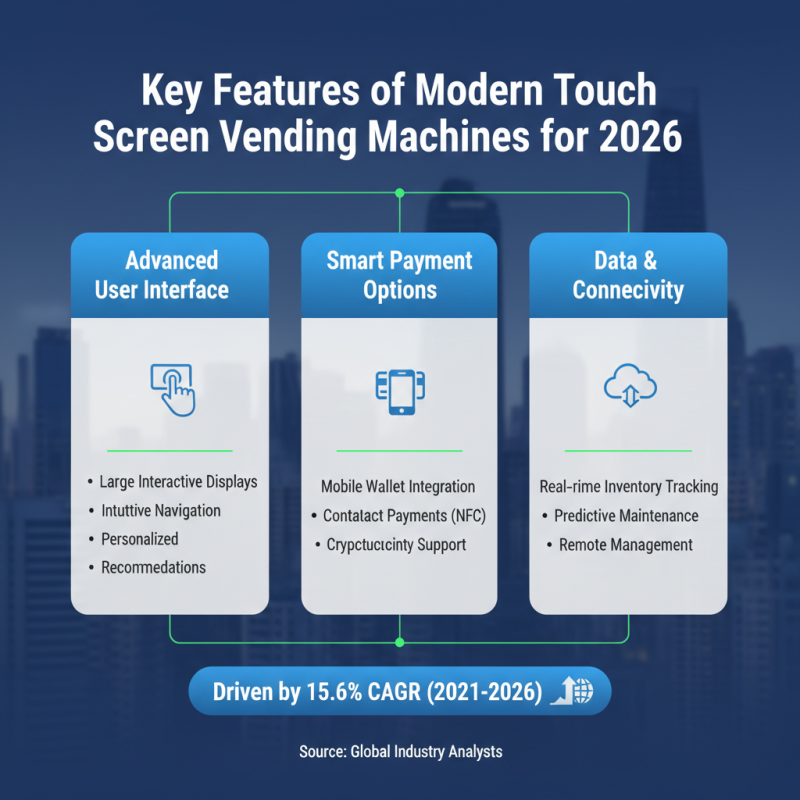
The 2026 touch screen vending machines are set to revolutionize convenience. Innovations in user interface design increase accessibility. These machines feature vibrant displays. They support multi-language options, ensuring global appeal. Users can navigate effortlessly through a range of products. This accessibility improves user satisfaction markedly.
Consider the integration of cashless payment systems. Many machines now accept mobile payments. This enhances security for users while simplifying transactions. However, some machines may have reliability issues with contactless payment. Ensuring adequate support for all payment methods is crucial.
Trends indicate a rise in customization features. Customers can tailor their selections based on personal preferences. They might choose snack bundles or drink combinations. This personalization could boost sales significantly. Yet, maintaining stock levels can pose challenges. Operators must adapt quickly to changing consumer demands.
Don’t overlook maintenance needs for these advanced machines. Regular servicing is vital to prevent technical issues. Periodic software updates enhance features, ensuring optimal performance. Users expect machines to work seamlessly. Investing in maintenance ensures reliability and customer loyalty.
Emerging Trends in User Experience for Touch Screen Vending Machines
The user experience for touch screen vending machines is evolving rapidly. Recent studies show that 70% of consumers prefer interactive technology in vending solutions. This trend reflects a shift towards more engaging and intuitive interfaces. Touchscreens allow for a more personalized experience, enabling users to browse products visually and make selections easily.
However, challenges remain. Many users experience frustration with delayed touchscreen responses. According to a survey by an industry research firm, 30% of users find slow interfaces to be a significant issue. Additionally, accessibility features must improve. Only 15% of touch screen vending machines currently offer options for visually impaired users. This gap highlights the need for more inclusive designs that cater to diverse customer needs.
Emerging functionalities are also transforming the landscape. Features like built-in payment systems and AI recommendations are becoming increasingly common. A report noted that 45% of consumers would use machines that provide tailored product suggestions. Yet, it's vital to acknowledge the balance needed between novelty and usability. Overly complex interfaces may deter customers, leading to lost sales. Addressing these concerns is key to enhancing user satisfaction in the vending machine industry.
Emerging Trends in Touch Screen Vending Machines (2026)
This bar chart illustrates the emerging features and trends in touch screen vending machines expected by 2026. The data reflects user preferences for key features such as payment methods, product variety, and interface accessibility.
Technological Advancements in Touch Screen Vending Machines
Touch screen vending machines are evolving rapidly. Recent industry reports show that
65% of users prefer machines with interactive interfaces. This preference highlights the shift towards more engaging experiences.
Smart technology integration is a key advancement. Machines now offer real-time inventory tracking and mobile payment options.
These features streamline operations and enhance user satisfaction.
There’s a notable increase in the use of AI in vending machines. Reports indicate that AI can improve product recommendations by
up to 30%. This level of personalization keeps customers engaged. However, reliance on technology poses challenges.
Data security is a significant concern as machines collect user information. Companies must ensure robust cybersecurity measures are in place.
Moreover, the trend toward contactless solutions is undeniable. A study found that
78% of consumers favor touchless interfaces post-pandemic. Yet, the transition isn't without pitfalls.
Many machines face user accessibility issues, which could limit their audience. As this technology progresses, manufacturers need to address these shortcomings.
Embracing feedback from diverse users will be crucial for improvement.
Sustainability and Eco-Friendly Practices in 2026 Vending Solutions
The landscape of vending machines is evolving rapidly, especially in the realm of sustainability. In 2026, many vending solutions are now incorporating eco-friendly materials and practices. A recent industry report shows that approximately 57% of consumers prefer machines that offer sustainable options. This preference drives manufacturers to explore biodegradable packaging and refillable containers.
Energy-efficient touch screen vending machines are becoming the norm. These machines use 30% less energy compared to traditional models, aligning with global sustainability goals. However, not all machines meet these standards. Many still rely on outdated technology, which can contribute to energy waste. This highlights the need for greater transparency in the vending industry.
Water conservation is another critical aspect. Some machines utilize water-saving technologies. For instance, one emerging trend is the integration of smart sensors to reduce water consumption during cleaning. Yet, many machines still do not incorporate these features, raising questions about their commitment to eco-friendly practices. As consumers become more environmentally conscious, vending operators must reflect on their strategies and adapt to demand.
2026 Best Touch Screen Vending Machine Features and Trends - Sustainability and Eco-Friendly Practices
| Feature |
Description |
Sustainability Aspect |
User Engagement |
| Interactive Touch Screen |
User-friendly interface with enhanced navigation options. |
Reduces paper waste by providing digital menus. |
Encourages customer feedback through interactive features. |
| Eco-Friendly Packaging |
Products packaged in biodegradable or recyclable materials. |
Supports climate change initiatives by reducing plastic waste. |
Promotes sustainability awareness among users. |
| Energy-Efficient Technology |
Utilizes energy-efficient components to minimize power consumption. |
Reduces carbon footprint through lower energy usage. |
Displays energy consumption data to increase user awareness. |
| Contactless Payment Options |
Supports mobile payments and scan-for-pay services. |
Minimizes physical contact, promoting hygiene practices. |
Increases convenience and speed of transactions for users. |
| Real-time Inventory Tracking |
Monitors product availability to reduce stock wastage. |
Optimizes product selection to minimize surplus items. |
Provides users with updates on popular and available items. |