Investing in vending machines has emerged as a popular avenue for entrepreneurs seeking passive income opportunities. As the demand for convenience and quick snacks continues to rise, finding the best way to invest in vending machines can lead to significant financial benefits. This article delves into the strategies and considerations that aspiring investors should keep in mind when entering this unique market.
By understanding the mechanics of vending machine operations, from selecting high-traffic locations to maintaining a diverse product lineup, investors can maximize their profit potential. Additionally, insights into market trends and consumer preferences are essential for making informed decisions. Whether you are a seasoned investor or a newcomer to the business world, exploring how to invest in vending machines can offer a rewarding path to financial independence and business growth.
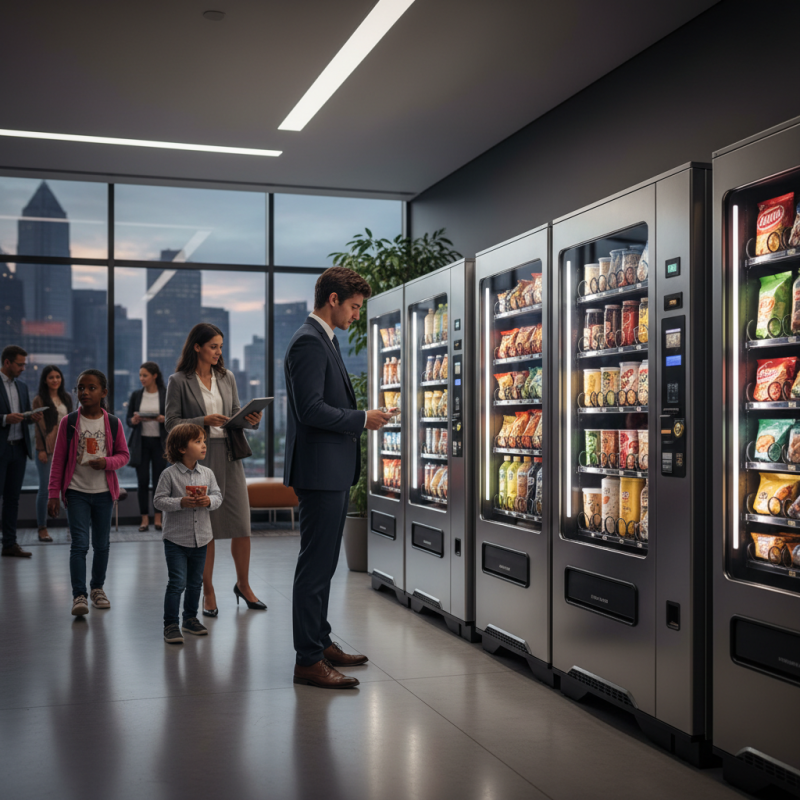
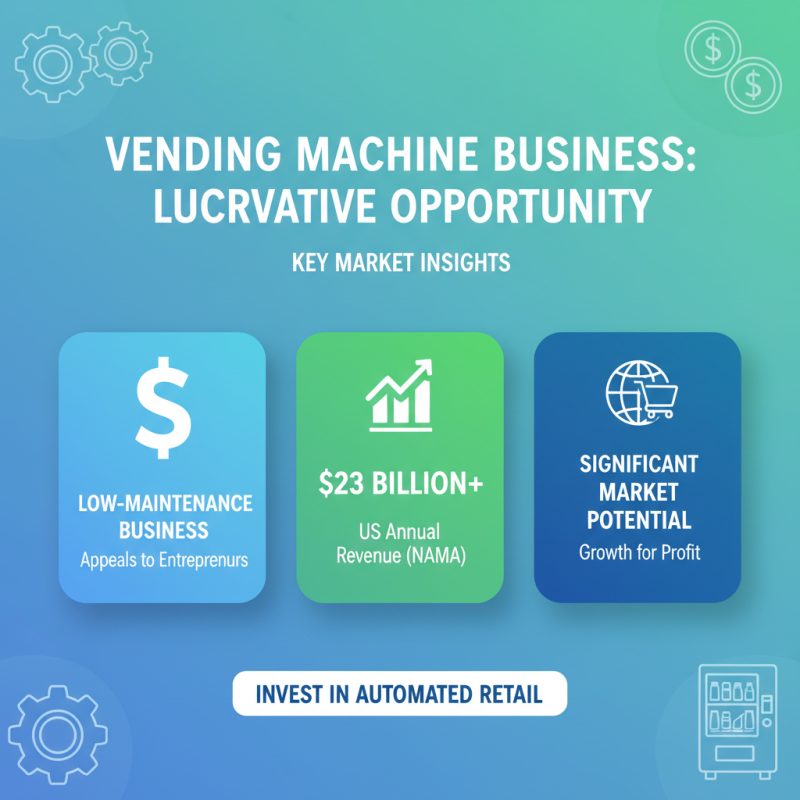
The vending machine business model is a lucrative opportunity for entrepreneurs looking to invest in a relatively low-maintenance business. According to the National Automatic Merchandising Association (NAMA), the vending industry generates approximately $23 billion in revenue annually in the United States alone. This figure elucidates the significant market potential for vending machines, making it an attractive avenue for profit.
One of the key aspects of the vending machine business model is its operational efficiency. Vending machines can be strategically placed in high-traffic locations such as office buildings, schools, and hospitals, which can maximize customer reach. Moreover, the machines serve as a 24/7 retail option, allowing for continuous sales without the need for extensive labor. A report by IBISWorld indicates that the average profit margin for vending machine operators can range between 20% to 30%, depending on the product selection and operational management.
Investors should also consider the initial costs associated with purchasing and stocking vending machines. While the upfront investment can vary widely depending on the machine type and product offerings, it can typically start from a few thousand dollars. Successful operators often analyze consumer trends to provide popular snacks and beverages, ensuring that machines remain stocked with high-demand items. This adaptability to market preferences not only drives sales but also fosters customer loyalty, cementing the vending machine's place as a viable business model within the retail sector.
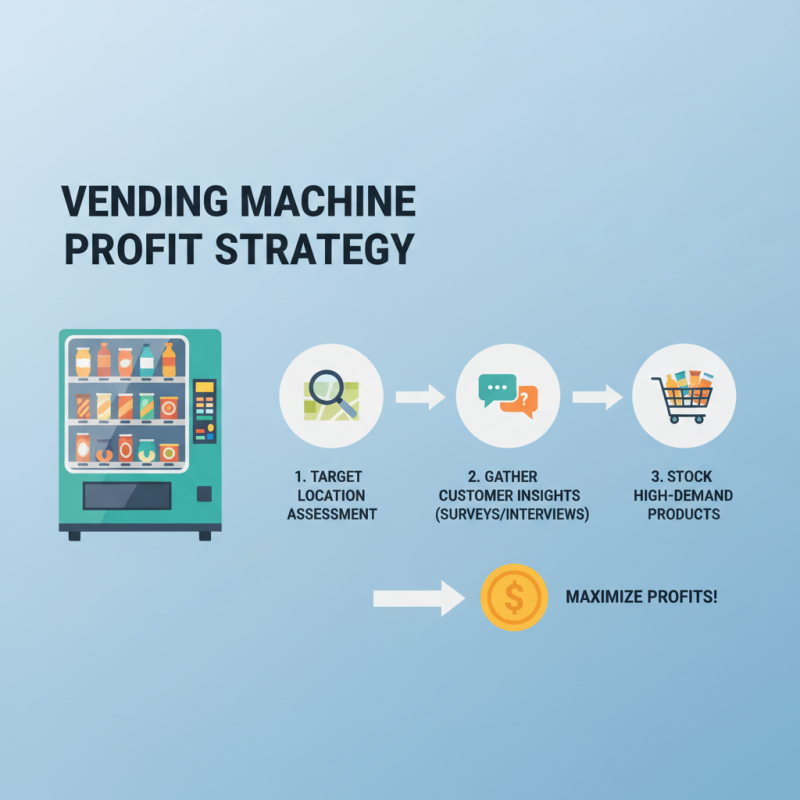
When investing in vending machines for profit, one of the most crucial elements to consider is the selection of profitable locations. An ideal spot should have high foot traffic and visibility, ensuring that the machine attracts potential customers consistently. Areas such as office buildings, schools, hospitals, and gyms are often lucrative because they cater to a large number of people who seek convenient snacking or beverage options throughout the day.
In addition to foot traffic, it is essential to assess the demographics of the location. Understanding the preferences and needs of the target audience can significantly enhance the selection of products offered in the vending machine. For instance, a machine placed in a fitness center might benefit from healthy snack options, while one situated in a school could focus on popular treats among students. Regularly analyzing sales data from various locations can further help fine-tune product offerings, ensuring maximum profitability. By strategically locating vending machines and aligning products with customer preferences, investors can create a sustainable and profitable business model.
| Location Type | Average Monthly Income ($) | Foot Traffic (per day) | Competitive Density (High/Medium/Low) | Ideal Product Types |
|---|---|---|---|---|
| Office Buildings | $300 | 500 | Medium | Snacks, Coffee |
| Schools | $250 | 300 | High | Candy, Beverages |
| Shopping Malls | $500 | 1000 | High | Gourmet Snacks, Drinks |
| Gyms | $400 | 400 | Medium | Protein Bars, Sports Drinks |
| Hospitals | $350 | 600 | Low | Healthy Snacks, Drinks |
When considering the right type of vending machine for a profitable investment, it's crucial to analyze the specific demographics and preferences of your target market. According to a report by IBISWorld, the vending machine industry in the U.S. is projected to grow at an annual rate of 3.2%, reaching a market size of approximately $22 billion by 2025. This growth presents an opportunity for investors to capitalize on emerging trends, such as healthy snack options and beverage choices that cater to health-conscious consumers.
In urban areas, machines that provide fresh food items, such as salads and wraps, have gained popularity, reflecting a shift in consumer demand toward healthier options. A study from the National Automatic Merchandising Association (NAMA) indicates that over 60% of consumers prefer vending machines that offer nutritious snacks. Thus, selecting machines that align with these preferences can enhance customer engagement and drive sales. Similarly, in high-traffic locations like offices or gyms, machines stocked with functional beverages or protein-packed snacks tend to perform better, appealing to fitness enthusiasts.
It's also essential to consider the specific environment where your vending machines will be placed. For instance, offices may benefit from coffee and snack machines, while schools could see higher demand for healthier options. By analyzing consumer behavior and preferences in your chosen location, you’ll be better positioned to decide on the type of vending machine that will ensure profitability and sustained interest from your target audience.
When investing in vending machines, effective sourcing and stocking of products is key to maximizing profits. First, assess the needs and preferences of the target location where the vending machine will be placed. Conduct surveys or informal interviews to gather insights on what potential customers might want. This approach not only ensures that the products stocked are in demand but also increases the likelihood of frequent purchases.
Next, establish relationships with local suppliers or wholesalers to acquire products at competitive prices. Buying in bulk often leads to better deals, allowing for higher profit margins. It's also vital to rotate inventory regularly and keep track of which items sell quickly versus those that linger on the shelves. Implementing a system to monitor sales data can help identify trends and adjust stock accordingly, ensuring that the vending machine remains appealing and profitable. By focusing on targeted product selection and efficient sourcing strategies, investors can significantly enhance the profitability of their vending machine business.
When investing in vending machines, managing operational costs is crucial for maximizing profit margins. According to market research, the vending machine industry is expected to grow to over $11 billion by 2025, highlighting the potential profitability of this sector. However, to ensure sustainable earnings, operators must be vigilant about controlling costs, which can include product sourcing, machine maintenance, and placement fees. For instance, reports indicate that operational costs can consume as much as 50-60% of total revenue, underscoring the importance of strategic planning in this area.
One effective approach to minimize these costs is by selecting high-demand locations that not only provide better foot traffic but also reduce the need for extensive advertising and promotional expenses. Data from the National Automatic Merchandising Association (NAMA) suggests that vending machines located in busy offices or educational institutions can see profit margins exceeding 20-30%. Additionally, operators should consider utilizing technology for inventory management and remote monitoring to reduce downtime and enhance inventory turnover rates, which can further contribute to profit maximization. By continually analyzing sales data and refining product offerings to align with consumer preferences, vending operators can adapt to market trends and ensure a profitable business model.