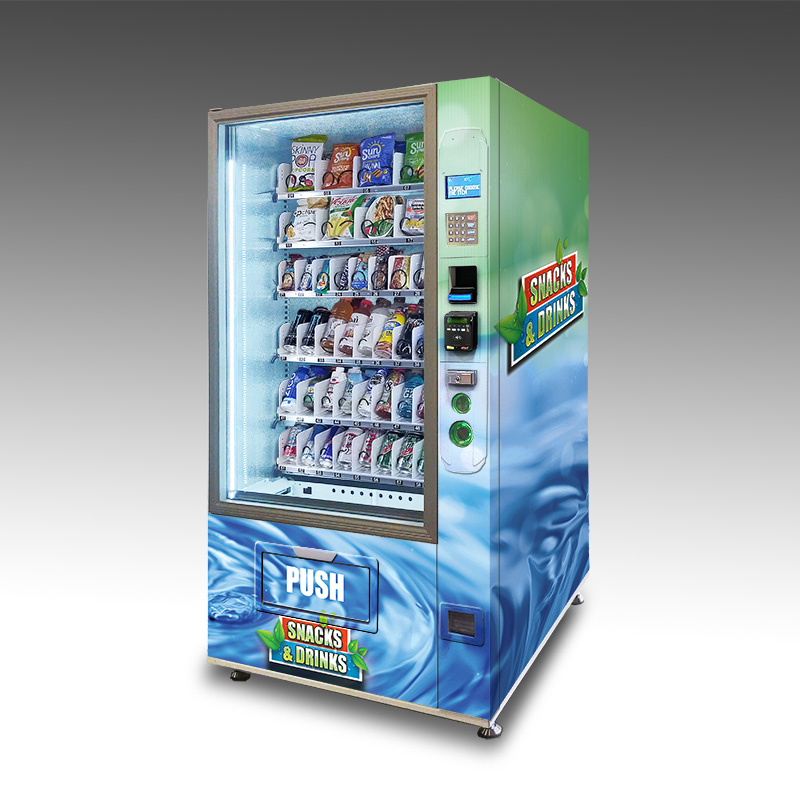
When you consider launching a vending machine business, understanding the vending machine cost is crucial. This cost encompasses various factors that can significantly impact your bottom line. From purchasing machines to maintenance, each aspect contributes to the total investment.
Calculating vending machine costs requires careful analysis. You must consider machine prices, product supplies, and location fees. Not all locations are equally profitable, and some might lead to hidden costs. Understanding these variables helps you make informed decisions.
Financial planning is paramount. Many business owners overlook ongoing costs, like repairs and inventory management. Reflect on these factors to ensure your venture is sustainable. Investing time in a thorough cost analysis can make a significant difference in your success. Balancing initial expenses with potential revenue will lead to a more informed and profitable business model.
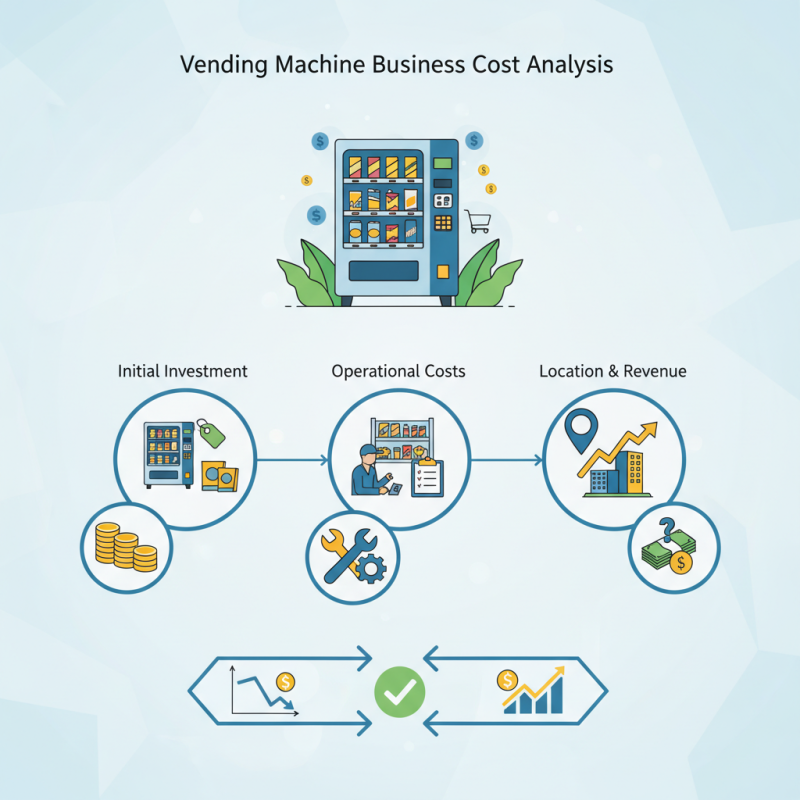
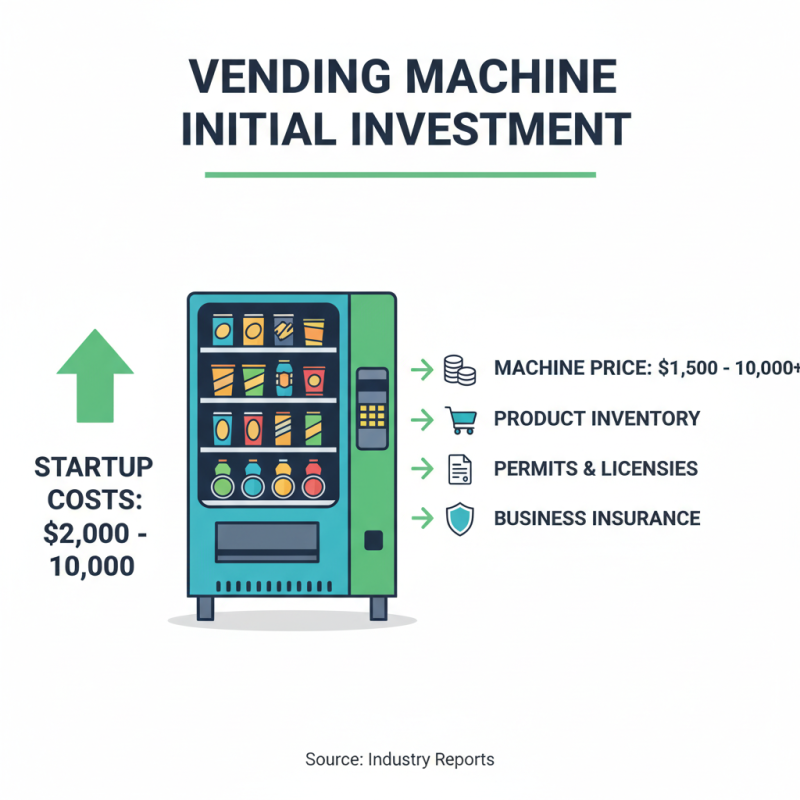
When assessing the initial investment for vending machines, consider various key factors. The price of a vending machine can range from $1,500 to over $10,000, depending on its type and features. According to industry reports, average startup costs for new vending businesses range from $2,000 to $10,000. This should include not just the vending machines but also product inventory, permits, and business insurance.
Tips: Always check local regulations. Compliance can save you from hefty fines and unexpected closure.
Next, don't overlook the placement costs. Finding the right location might involve negotiating lease agreements or paying fees. Market analysis shows that high-traffic areas increase sales significantly but also boost costs. Aim to place machines in venues where people gather, like offices or gyms. Building relationships with location managers can provide better opportunities.
Tips: Approach potential sites with a proposal. Demonstrate potential profits to secure favorable terms. Remember, sometimes a bad location can lead to losses, requiring you to reassess strategies.
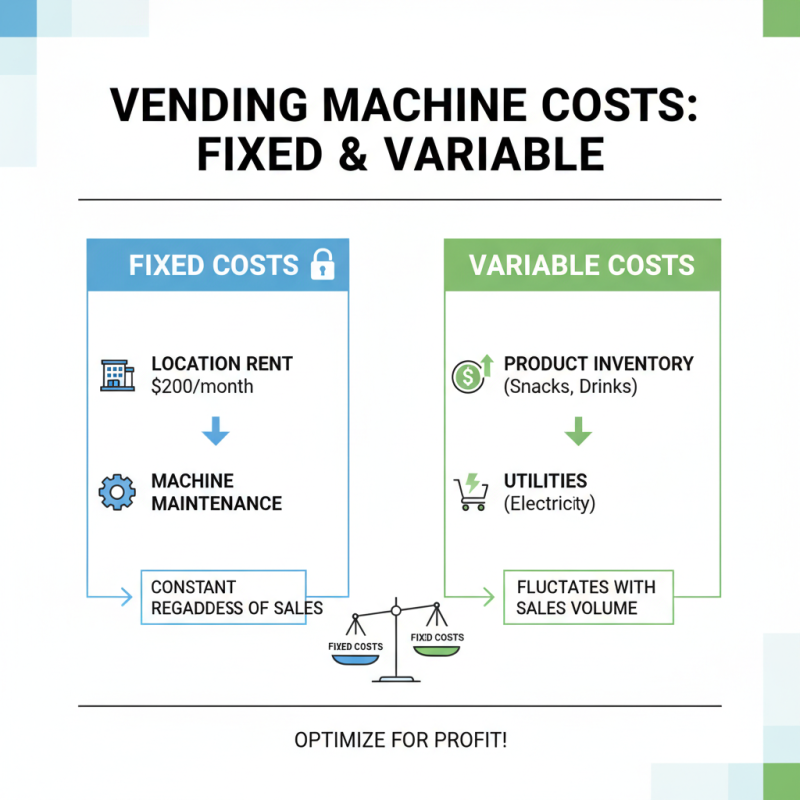
When operating vending machines, understanding both fixed and variable costs is essential for profitability. Fixed costs include expenses that remain constant regardless of sales volume. These can include the rental fee for the vending location and maintenance costs for the machine itself. For instance, if you pay a monthly rent of $200 for the space, this is a fixed cost that needs to be covered regardless of how many snacks you sell.
Variable costs fluctuate based on sales. These costs include purchasing inventory and restocking the machine. If you buy 100 bottles of water for $50, your variable cost per unit becomes 50 cents. Additionally, consider costs associated with transport and labor when refilling the machine. If your vehicle requires gas for restocking, that also adds to your variable costs. It’s important to track these expenses closely, as they can dramatically impact profit margins.
Many new operators overlook hidden costs, such as utilities for machine operation. This oversight can lead to underestimating expenses and result in unexpected financial strain. Therefore, maintaining an organized spreadsheet to monitor all these costs can aid in making effective decisions. Creating a well-thought-out budget that reflects both fixed and variable costs can greatly enhance the chances of your vending machine business succeeding.
Choosing the right location for a vending machine is essential. A prime spot can significantly impact your costs and profits. Areas with high foot traffic, such as schools or office buildings, present better opportunities. However, competition in these locations can drive costs up. It's crucial to assess how the target market interacts with vending machines.
Understanding your target market can also shape costs. Different demographics have varying purchasing habits. For instance, millennials might favor healthier options over traditional snacks. This preference affects product selection and pricing. Engaging with potential customers can provide insights. You may discover unexpected preferences that influence your offerings and expenses.
It's important to reflect on your choices. What if your location doesn’t yield the expected sales? Assessing market trends and user feedback can help adjust your strategy. Regular analysis is vital to refine your approach. A flexible mindset opens the door to new opportunities and lessons learned along the way.
This chart illustrates the estimated costs of operating a vending machine based on different locations and target market demographics. The costs include initial investment, maintenance, and average monthly revenue.
When estimating maintenance and supply expenses for a vending operation, it’s crucial to consider various factors. Regular maintenance tasks include cleaning the machines and restocking items. These actions do not just maintain hygiene but also improve customer satisfaction. You might need to allocate time and resources for these tasks weekly.
Supply expenses can vary depending on the products you offer. If you choose gourmet snacks or beverages, the costs will rise. Bulk purchasing may offer savings, but it can lead to waste if inventory is not managed carefully. Assessing product turnover rates can help in planning effective ordering schedules.
Considering unexpected repair costs is also important. Machines can break down or require parts replacement. Setting aside a contingency fund might prove wise. Analyzing these costs regularly allows for better financial planning. This process requires reflection and adjustment based on performance and customer demand trends. Investing time in budget evaluation is essential for sustained vending operations.
| Expense Category | Estimated Monthly Cost ($) | Estimated Annual Cost ($) |
|---|---|---|
| Vending Machine Purchase | 200 | 2400 |
| Inventory Supplies | 300 | 3600 |
| Maintenance and Repairs | 100 | 1200 |
| Location Rental Fee | 150 | 1800 |
| Insurance | 50 | 600 |
| Utilities | 30 | 360 |
| Total Estimated Costs | 830 | 9960 |
Pricing strategies for vending machines can significantly impact your business's success. Understanding profit margins is essential in making informed decisions. Start by calculating your costs, including the purchase price of items, transportation, and machine maintenance. A common method is to mark up products by 50% or more, but this can vary based on the location and target market.
Evaluating customer preferences is also crucial. Research local demand to determine which products sell well. For example, healthier snacks may be popular in gyms, while traditional sweets might do better in schools. Balancing prices to remain competitive while ensuring profitability is a challenge many operators face.
Regularly review your pricing strategies to adapt to market changes. Offer promotions or bundle deals to attract more customers, but don’t compromise your margins too much. Consider using data analytics to gauge sales patterns and adjust pricing accordingly. This will help refine your approach and ensure your vending business remains profitable in a competitive landscape.