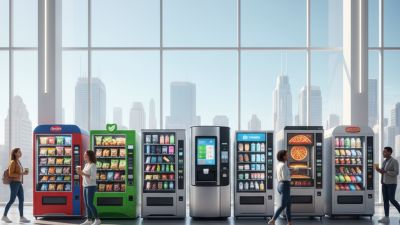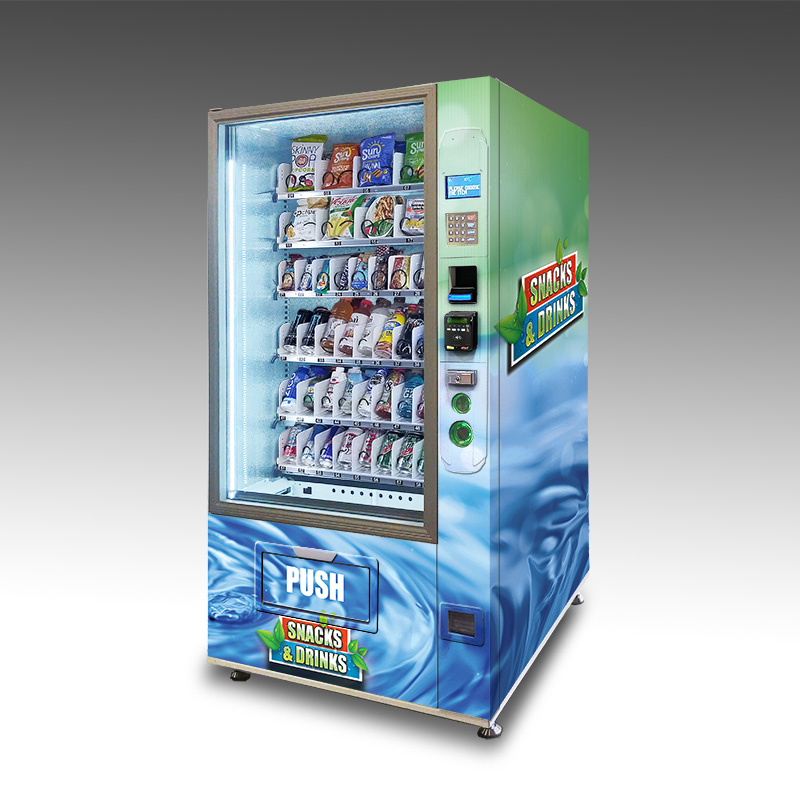
Candy vending machines have become popular in various business environments, providing a unique opportunity for revenue generation. According to a report by IBISWorld, the vending machine industry is projected to grow at an annual rate of 3.4%, reaching $23 billion by 2025. This growth reflects a changing consumer behavior, where on-the-go snacks, especially candy, play a pivotal role.
Integrating a candy vending machine into your business can attract customers looking for quick indulgences. Research indicates that consumers prefer locations where they can easily access snacks without waiting in line. This instant gratification can enhance customer experience while boosting sales. A candy vending machine can serve as both a convenience and a novelty, offering unique brands that are not readily available elsewhere.
While the potential for profit is significant, it is essential to consider the challenges. Choosing the right machine with diverse candy options requires careful thought. Regular maintenance and strategic placement are crucial for maximizing profit. Businesses must adapt and innovate to thrive in a competitive market. Investing in a candy vending machine could be a smart move, but ongoing evaluation is necessary for sustained success.

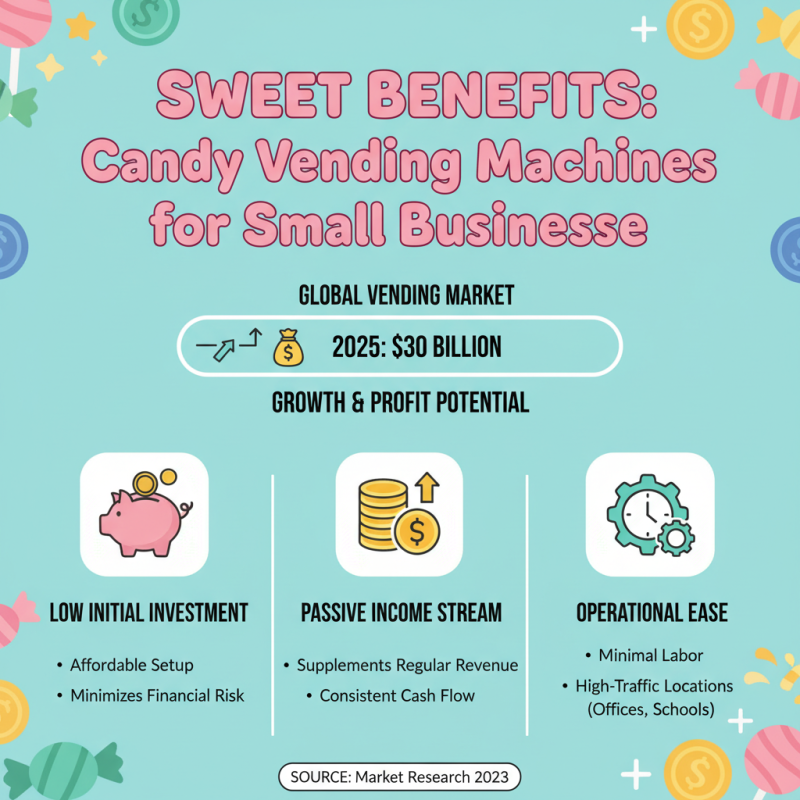
Candy vending machines can provide numerous advantages for small businesses. According to recent market research, the global vending machine market is projected to reach $30 billion by 2025. This growth emphasizes the potential profitability of investing in vending machines, particularly in high-traffic areas like offices and schools. Small businesses can tap into this trend at a low investment cost. The passive income generated from candy sales can supplement regular revenue streams.
One key benefit is the appeal to impulse buyers. Studies show that candy is often bought on a whim, making vending machines a perfect fit. Over 60% of consumers report purchasing snacks while waiting in line, underscoring the effectiveness of strategically placed machines. Moreover, candy vending machines require minimal maintenance. They can operate without staff supervision, reducing labor costs. This allows small business owners to focus on other critical areas of operation while still generating income through vending.
However, it’s essential to consider a few challenges. Not every location will be ideal for a vending machine, and competition can be fierce. It’s vital to analyze foot traffic and local preferences. A machine stocked with popular items can increase sales, yet maintaining inventory requires ongoing attention. Owning a candy vending machine could be lucrative, but thorough market research is crucial for success.
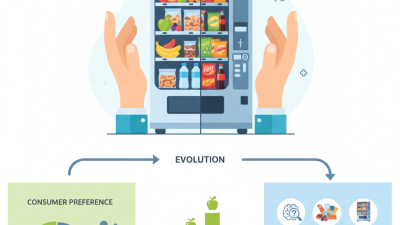
The vending machine industry has shown remarkable growth in recent years. As consumer preferences shift, candy vending machines stand out. They offer convenience and a quick sugary fix. Many people enjoy the instant gratification of grabbing a snack on the go. This trend caters to busy lifestyles, making it a smart choice for business owners.
Moreover, market analysis indicates an increase in impulse buying in vending machines. Candy appeals to both children and adults, making it versatile. Locations like schools, malls, and offices prove effective for these machines. However, this growth isn’t without challenges. Owners must regularly restock and maintain machines to keep them appealing.
The technology behind vending machines is evolving. Smart machines can accept various payment methods, enhancing user experience. Yet, integrating these systems can be complex. Business owners should prioritize user-friendly interfaces. Understanding the market helps in making strategic decisions. This way, they can maximize earnings in a competitive landscape.
Investing in a candy vending machine can be a strategic choice for businesses. The initial investment typically ranges from $3,000 to $5,000. This includes the machine itself, inventory, and possibly the location fees. According to industry reports, candy vending machines can yield up to 30% profit margins. This data highlights why many choose this option.
Potential revenue from these machines varies significantly. A well-placed machine in a high-traffic area can generate $100 to $200 monthly. However, not every location will provide such results. Factors like foot traffic and competition affect sales. Machines in schools or hospitals tend to perform better than those in less frequented spots.
Hiring a professional to assess locations can pay off. Understanding customer preferences increases the chances of success. Some businesses report challenges in managing inventory and restocking. It's an area that warrants careful planning. A thoughtful approach can lead to greater gains over time.
Candy has an enduring appeal across all age groups. Its vivid colors and sweet taste often evoke nostalgia and joy. Many consumers find comfort in a simple candy treat. Studies indicate that candy remains a favorite purchase, especially in busy environments like schools, offices, and malls. This reliance on candy as a quick snack contributes to its popularity.
**Tips:** Place machines in high-traffic areas. The more visibility, the better sales you’ll see. Offer a variety of candy types. This attracts different preferences. Consider seasonal candy options to encourage repeat customers.
More people are seeking convenient snack options. Candy vending machines offer quick and easy access. They require minimal maintenance and can be operated in various locations. However, it is important to keep the selections fresh and appealing. An outdated selection may deter potential buyers. Regularly monitor inventory levels to avoid running out of popular items.
**Tips:** Rotate stock frequently to keep it interesting. Engage customers on social media to learn their favorites. This will help tailor your offerings and boost sales.
The chart above displays the sales volume of different types of candy commonly found in vending machines. Chocolate remains the top seller, demonstrating consumer preferences in the candy market. This data highlights the potential profit for businesses that include candy vending machines in their offerings.
A candy vending machine can greatly enhance operational efficiency in your business. Low maintenance is a key feature. Once set up, these machines require minimal care. Regular restocking and occasional cleaning are often the only tasks required. According to industry research, vending machines can achieve an average profit margin of around 75%. This number demonstrates the remarkable financial potential of incorporating candy vending machines into your business model.
Moreover, they appeal to a wide customer base. Sweet treats attract both children and adults, ensuring consistent sales. A study by the National Automatic Merchandising Association highlights that 62% of consumers opt for snacks from vending machines when in a hurry. This indicates the convenience factor, driving impulse purchases. While some might debate the longevity of candy versus healthier options, the statistics show that candy remains a top seller.
However, location can impact sales significantly. A poorly placed machine might yield disappointing results. Conducting thorough market research is crucial. Businesses need to evaluate foot traffic and customer preferences. This can help identify prime locations for vending machines, maximizing their profitability.
| Dimension | Data |
|---|---|
| Initial Investment | $1,500 - $3,000 |
| Average Monthly Revenue | $300 - $600 |
| Profit Margin | 50% - 70% |
| Maintenance Frequency | Every 2-3 weeks |
| Stock Duration | Approximately 3-4 weeks |
| Customer Reach | High foot traffic locations |
| Operation Time | 24/7 |