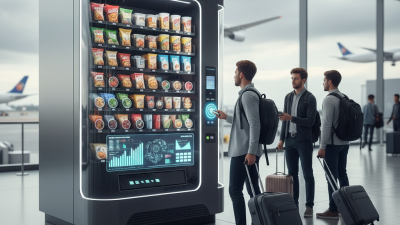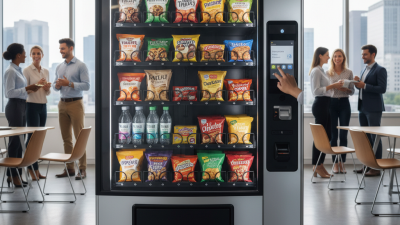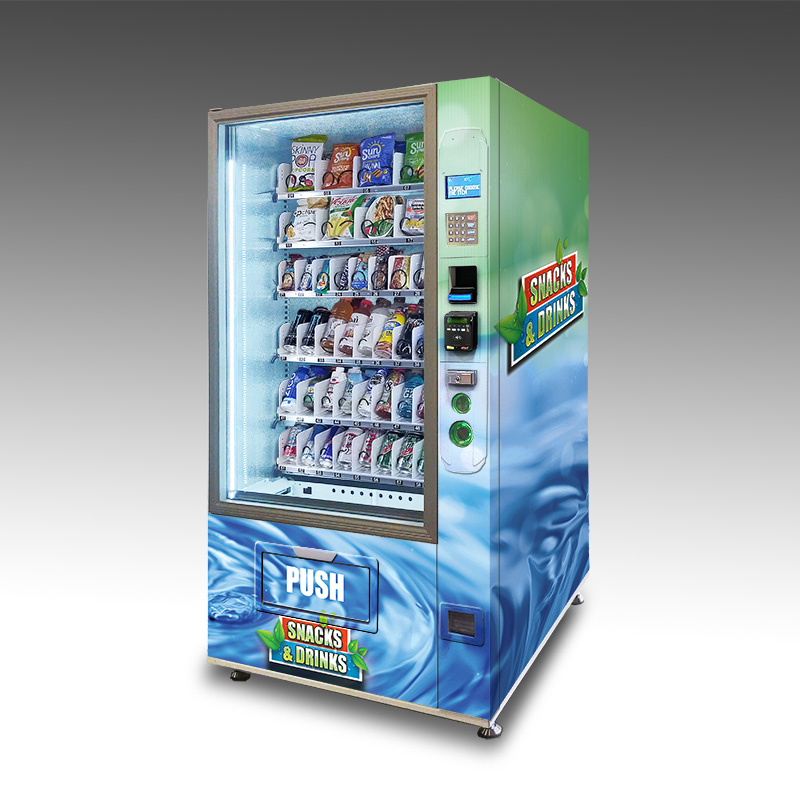
The vending machine industry has seen a surge in demand, particularly for soda vending machines. According to a recent report by IBISWorld, annual revenue for the beverage vending market is projected to reach $7 billion by 2024. This growth signals an opportunity for businesses to connect with customers through easy access to refreshment.
Tom Davis, a leading expert in vending solutions, emphasizes, “A well-placed soda vending machine can significantly boost foot traffic.” Companies looking to install these machines need to consider various factors. Location, product selection, and maintenance are critical. Engaging with your target audience is essential for success.
Choosing the right soda vending machine isn’t straightforward. Many businesses overlook essential details. You may need to experiment with different types before finding the best fit. Keeping machines stocked and well-maintained can be a challenge. Neglecting these points could lead to missed revenue opportunities.
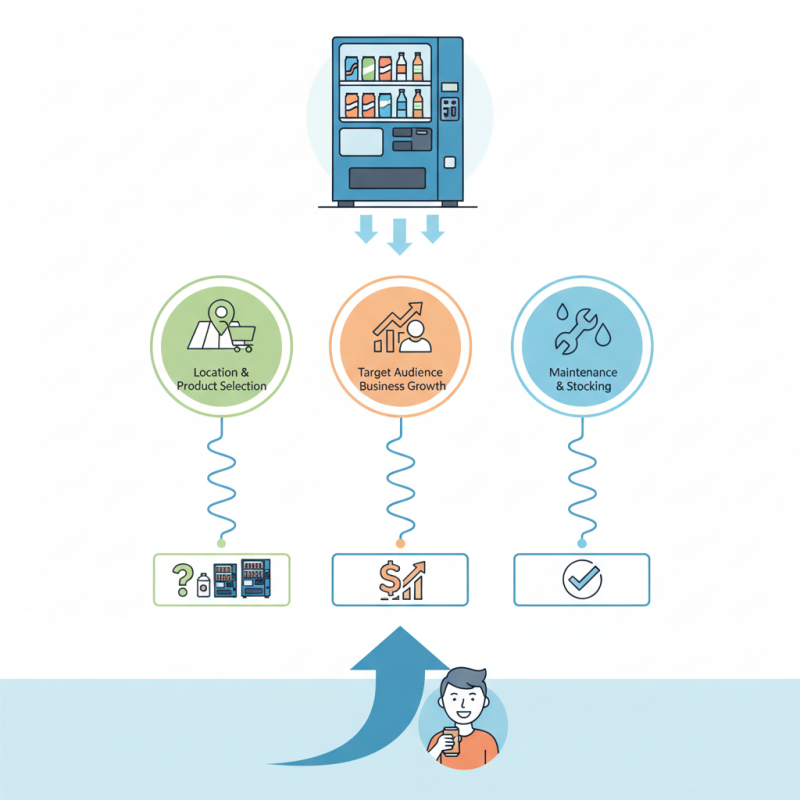
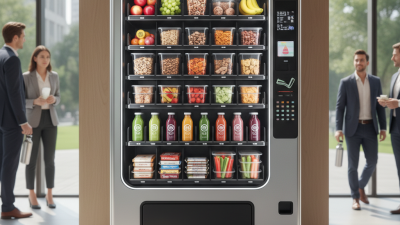
When selecting a soda vending machine for your business, consider your target audience and their preferences. A report from IBISWorld highlights that vending machine sales in the U.S. reached $23 billion in 2022. This indicates a strong market. Understanding customer demographics can help determine the right machine type. For instance, a machine stocked with healthier beverage options may attract health-conscious consumers.
Location is crucial. High-traffic areas often yield better sales. A study from Statista shows that vending machines in office buildings can see an increase in purchases by up to 30% during lunchtime. However, machines located in areas with limited foot traffic might underperform. Always analyze foot traffic patterns before making a decision.
Maintenance is another vital factor. A well-maintained machine can enhance customer satisfaction. Regular checks prevent issues like malfunctioning products or empty slots. Interestingly, a study revealed that 67% of consumers would avoid a vending machine that consistently has out-of-stock items. Ensure your machine is stocked and operational to maintain sales. Reflect on your choices and adapt as needed, as the market is dynamic.
Choosing the right location for your soda vending machine is crucial. High foot traffic areas are ideal. Think about places like office buildings, schools, or gyms.
Visibility is essential. If people can’t see your machine, they won’t use it. Consider placing it near popular spots, like break rooms or near entrances.
Assess the demographics of your location. Are your customers mostly students, workers, or gym-goers? Tailor your selection of sodas accordingly. A diverse mix can cater to different tastes. However, keep an eye on inventory. It's frustrating to run out of popular items quickly.
Monitor for potential issues. Sometimes, machines get overlooked in less busy areas. They may need repositioning after a few months. Additionally, think about maintenance. Machines require regular checks. If you neglect service, you risk losing customers. Regular assessment of both customer preferences and machine performance is vital for success.
When stocking your soda vending machine, consider popular flavors. Classic choices often include cola, lemon-lime, and orange sodas. These flavors attract a wide range of customers. However, personal preferences can vary. Not every location will have the same demand.
Experiment with local favorites. Some areas love fruit-flavored drinks. Others may prefer energy drinks or healthier options. Maintain a diverse selection to appeal to various tastes. Monitor sales closely to see which varieties perform well. Adjust your inventory according to customer feedback and sales trends.
It’s also important to think about the size of your machine. A small machine might not hold enough variety, while a larger one could lead to waste. Balance is key. Regularly rotating your stock can keep things fresh. This prevents drinks from going stale and customers feeling bored. Remember, it’s okay to make mistakes and learn from them. Each decision helps refine future choices.
Maintaining a soda vending machine is essential for smooth operation and customer satisfaction. Regular cleaning helps eliminate dust, spills, and residue. It’s important to use a gentle cleaner to avoid damaging surfaces. A quick wipe down is not enough. You should set a schedule for deeper cleans every few weeks. This will help avoid problems down the line.
Restocking is equally critical. Monitor inventory levels closely and restock as needed. Running out of popular drinks can frustrate customers. Aim to keep a balanced selection. However, overstocking can lead to waste and expired products. Utilize sales data to make informed restocking decisions. Keep track of what sells quickly, and note the slow-moving items.
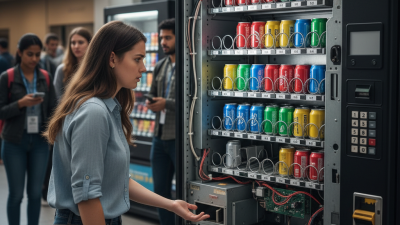
Consider also the machine’s components. The cooling system should function effectively. Check it regularly. A malfunctioning cooler can compromise drink quality. Ensure that the payment system is working, too. Broken payment options can deter customers. Addressing these simple maintenance tasks can prevent bigger issues later on.
| Aspect | Details | Frequency |
|---|---|---|
| Cleaning Exterior | Wipe down with a disinfectant to remove fingerprints and spills. | Weekly |
| Cleaning Interior | Remove dust and debris from inside, clean the dispensers. | Monthly |
| Restocking Beverages | Ensure popular items are fully stocked to meet customer demand. | Weekly |
| Checking Expiry Dates | Monitor and replace expired products to maintain quality. | Bi-weekly |
| Inspecting for Malfunctions | Check for any operational issues and fix them promptly. | Weekly |
| Updating Inventory | Review sales data to adjust stock based on trends. | Monthly |
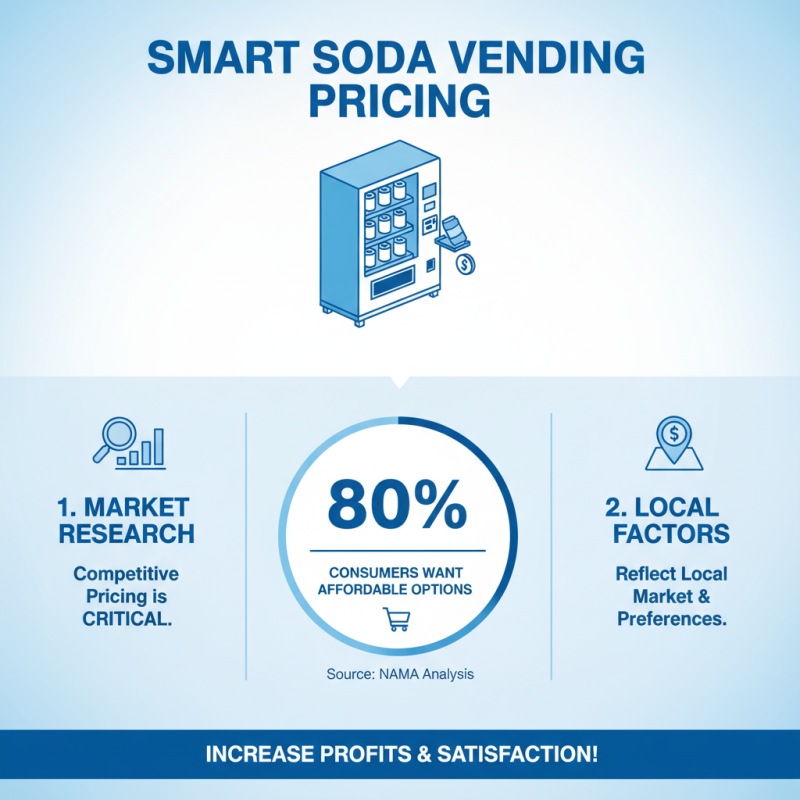
When choosing a pricing strategy for your soda vending machine, consider several critical factors. Market research suggests that competitive pricing is essential. An analysis by the National Automatic Merchandising Association revealed that 80% of consumers look for affordable options. Prices should reflect the local market and consumer preferences.
Setting prices too high may deter buyers. Conversely, too low a price could lessen perceived value. Aim for a balance that attracts customers while ensuring a profit margin. Regularly review local trends and adjust prices accordingly.
**Tip:** Regularly survey nearby businesses to gauge price ranges.
Another strategy is to offer bundle deals. For example, selling two sodas at a slight discount encourages bulk purchases. This method not only boosts sales but also increases customer satisfaction.
**Tip:** Run promotional offers during peak times, like lunch hours or events.
Do not forget to monitor consumer behavior. Understanding how customers interact with your machine can lead to better pricing decisions. Use sales data to identify popular choices. Adjust prices based on these insights, staying ahead of competitors.