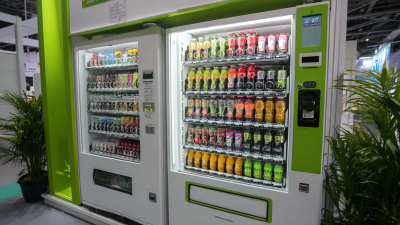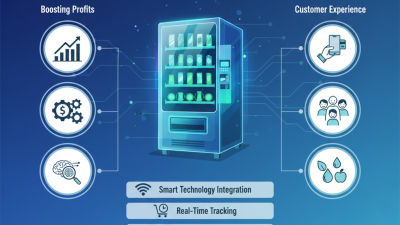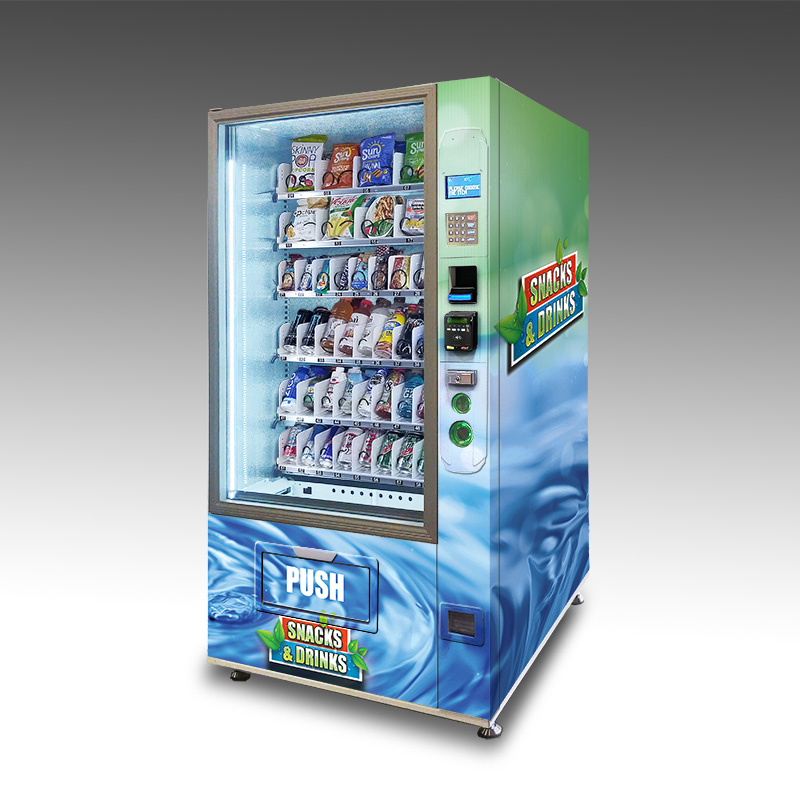
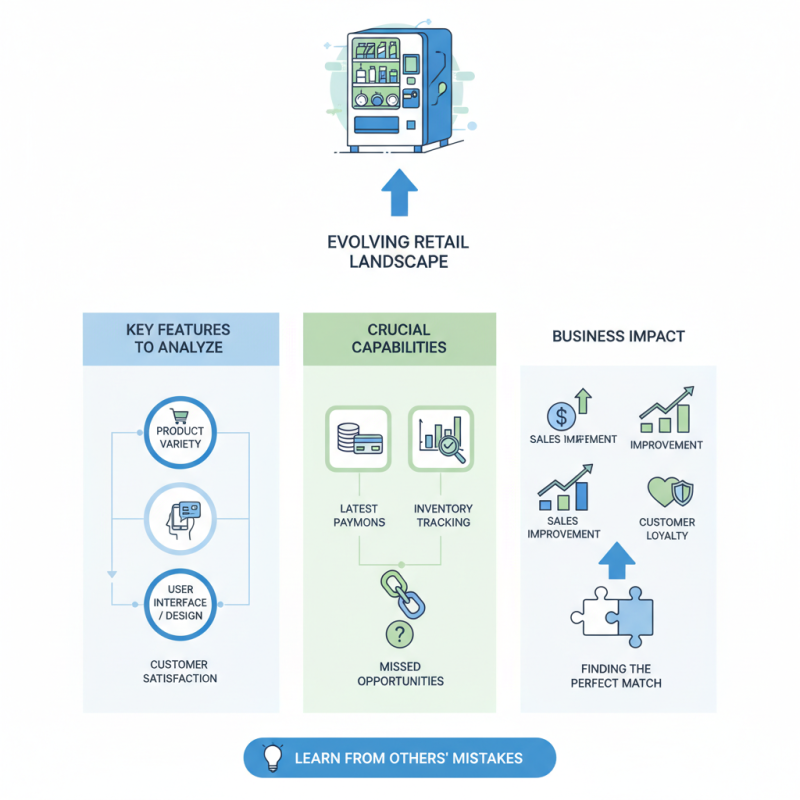
In the evolving landscape of retail, smart vending machines have emerged as a game-changer. These machines offer a seamless shopping experience, combining technology with convenience. Businesses are increasingly drawn to their potential benefits, yet choosing the right one can be challenging.
When considering smart vending machines, it's essential to analyze various features. Factors such as product variety, payment options, and user interface significantly impact customer satisfaction. The design should appeal to your target audience and reflect your brand identity. Unfortunately, many overlook these details, leading to poor customer engagement.
Moreover, reflecting on the capabilities of smart vending machines is crucial. Some machines may not support the latest payment methods or offer sufficient inventory tracking. It's vital to explore options thoroughly and learn from others' mistakes. Finding the perfect match for your business can lead to significant improvements in sales and customer loyalty, but skipping this step may result in missed opportunities.
The smart vending machine market is evolving rapidly in 2026. Many businesses are exploring new technologies to enhance customer experience. Contactless payments and real-time inventory management are top trends. Customers prefer machines that offer convenience and variety. Moreover, eco-friendly packaging is gaining attention. Companies are becoming more aware of sustainable practices.
Data analytics plays a crucial role in this market. Businesses can track purchasing patterns effectively. However, not all companies utilize this data wisely. Understanding consumer behavior is key to stocking the right items. It’s easy to get lost in trends and overlook unique local preferences. Machines that lack adaptability may struggle in diverse environments.
Moreover, the design of the vending machines itself is evolving. Sleeker, modern designs attract more customers. However, businesses must balance aesthetic appeal with functionality. Some machines fail to address the needs of differently-abled customers. Each choice affects the overall success of the vending machine. Reflecting on these aspects can help improve business strategies significantly.
Choosing the right smart vending machines can significantly impact business success. Key features must be prioritized for optimal performance. According to a market analysis by IBISWorld, the vending machine industry is expected to reach $25 billion in revenue by 2026. This growth highlights the importance of incorporating the latest technology.
One essential feature to consider is contactless payment options. As cash usage declines, accepting digital payments becomes crucial. A study by Statista indicates that 47% of consumers prefer contactless methods. Additionally, machines with user-friendly interfaces make transactions smoother. Ensuring ease of use can enhance customer satisfaction. However, some machines may not integrate well with various payment platforms.
Another critical aspect is inventory management capabilities. Smart vending machines can monitor stock levels in real time. They send alerts when items are running low. These features help businesses avoid stockouts and lost sales. However, not all machines offer robust analytics. Some might lack detailed insights that can guide restocking decisions. It’s essential to evaluate these features thoroughly to avoid potential inefficiencies in operations.
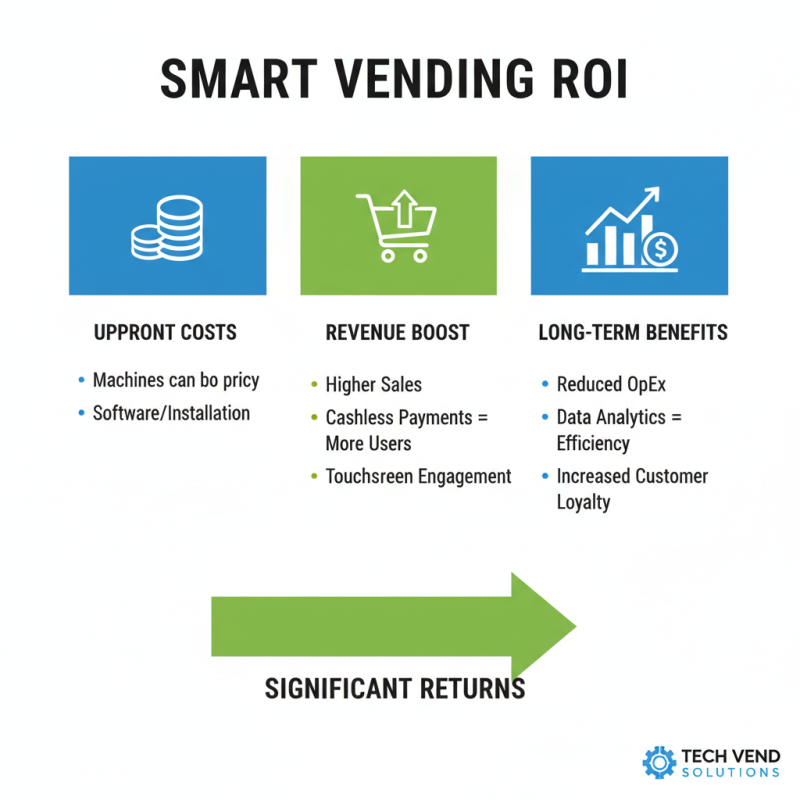
Investing in smart vending technology can yield significant returns. However, assessing the ROI requires careful evaluation. Initially, consider the upfront costs. Smart vending machines may seem expensive. Yet, they can drive higher sales through improved customer engagement. Features like touch screens and cashless payments attract more users.
Next, look at operating expenses. Smart machines often require less maintenance. They can track inventory in real-time, reducing spoilage and restocking costs. Analyze the data these machines provide. They offer insights into customer preferences. This can inform your product selection and placement.
Finally, measure customer satisfaction and foot traffic. Happy customers tend to return. A well-placed vending machine can improve visibility in high-traffic areas. However, it may take time to notice patterns. Reflecting on these outcomes is crucial. Balancing costs and benefits will guide your investment decisions effectively.
When choosing smart vending machines, consider the variety offered by different brands. Some specialize in healthy snacks, while others focus on beverages. Each brand has unique features. Look for machines with cashless payment options. This can attract a wider customer base. Smart machines also offer real-time inventory tracking. This is crucial for minimizing stock issues.
Another aspect to ponder is the machine's interface. User-friendly designs can enhance the shopping experience. Some have touch screens, which can be intuitive for most people. However, if the interface is cluttered, it could confuse customers. Aesthetics matter, too. A visually appealing machine can draw attention. Brands often vary in customization options, allowing you to align the design with your business identity.
Maintenance services differ significantly among brands. Some provide excellent support, while others may fall short. A machine that frequently malfunctions can lead to lost sales. It's essential to investigate warranty terms. Some brands offer better coverage than others. Overall, research thoroughly before making a decision, as every choice impacts your business.
Integrating smart vending machines into your operations requires careful planning. Start with understanding your customers’ needs. A recent report indicates that 70% of consumers prefer touchless interactions, especially in public spaces. This trend highlights the demand for machines equipped with advanced technology. An intelligent approach ensures that your selection aligns with these preferences.
Placement is vital for success. High-traffic areas yield better sales. Studies show that machines placed near amenities, such as gyms or offices, can increase footfall by 50%. However, poor placement can lead to losses. Regularly evaluate performance metrics. Data analytics can reveal patterns and guide adjustments.
Staff training is another critical element. Employees must understand how to maintain these machines. A lack of knowledge can result in prolonged downtime. It’s common for businesses to underestimate the importance of ongoing support. Establish a protocol for addressing issues swiftly. This will enhance customer satisfaction and ensure machines remain operational. Choose wisely; the right integration can significantly elevate your business operations.
| Feature | Description | Importance Rating (1-5) | Cost Estimate |
|---|---|---|---|
| Cashless Payment Options | Supports credit/debit cards and mobile payments for convenience. | 5 | $500 |
| Inventory Management | Real-time inventory tracking to manage stock levels effectively. | 4 | $300 |
| User Interface | Touchscreen with user-friendly navigation for better customer experience. | 5 | $200 |
| Remote Monitoring | Access to machine performance data and alerts via an app. | 4 | $400 |
| Customization Options | Ability to select machine design and branding to fit business style. | 3 | $600 |