In today's fast-paced market, choosing smart vending can significantly impact your business success. Experts agree on this matter. According to industry specialist Dr. James Morgan, "Smart vending is not just a trend; it's a revolution in how businesses engage with customers." This insight highlights the transformative potential of smart vending.
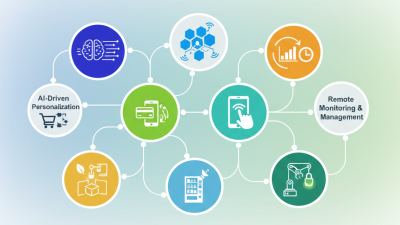
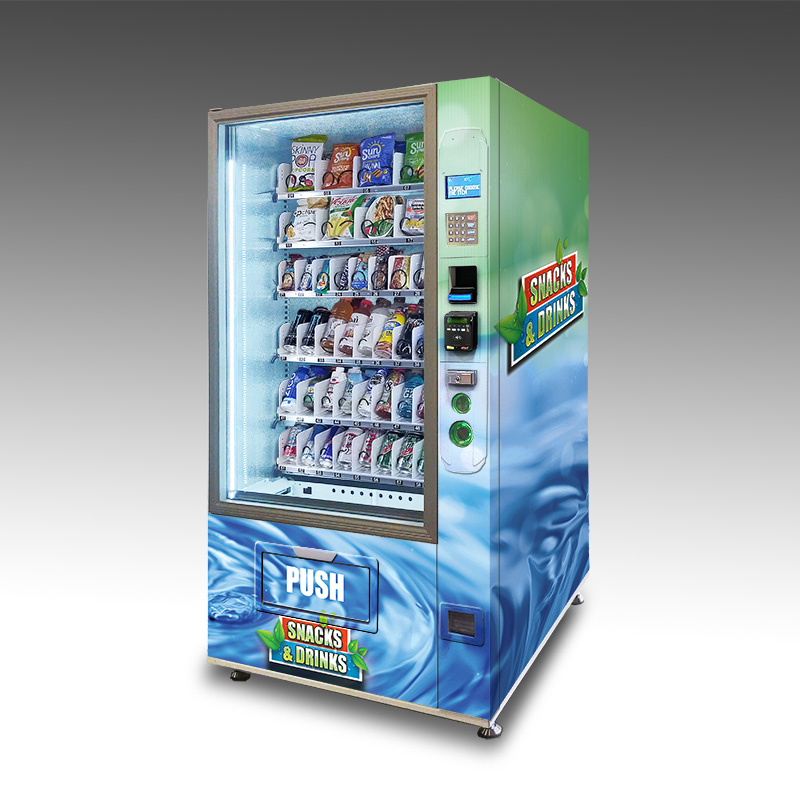
Smart vending incorporates advanced technology to enhance customer experience. These machines offer a variety of products, often tailored to consumer preferences. They are equipped with interactive screens, mobile payment options, and inventory tracking. This innovation makes it easier for businesses to meet customer demands and maximize sales. However, some might question whether the initial investment is justified. It can seem daunting.
Despite challenges, smart vending offers numerous benefits. Increased efficiency and customer satisfaction are crucial for standing out. Businesses can adapt to changing market needs swiftly. Nevertheless, it’s essential to continuously evaluate the effectiveness of such systems. As the landscape evolves, reflecting on successes and failures will guide future decisions.
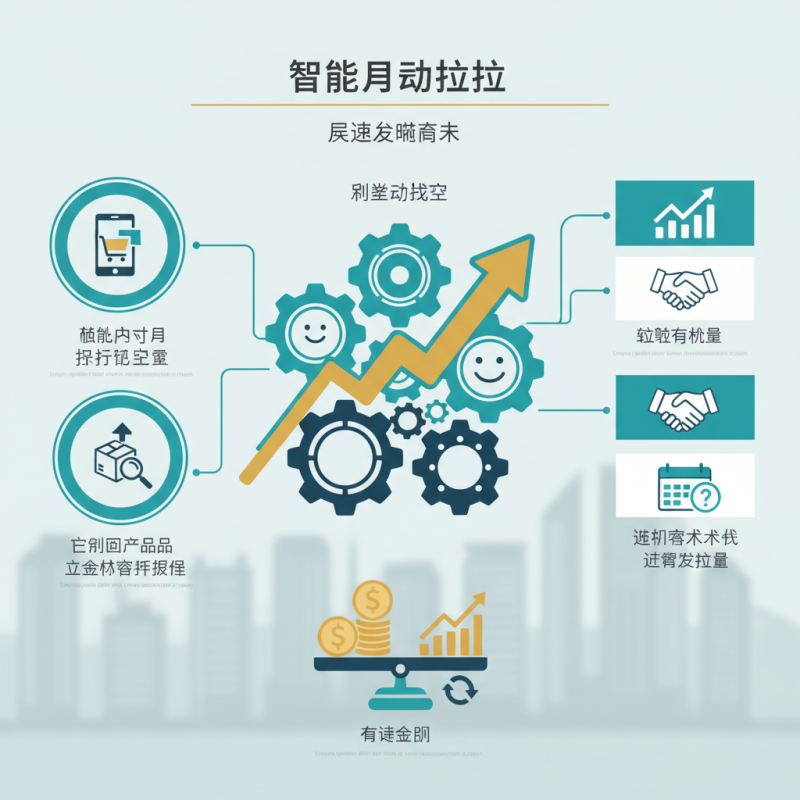
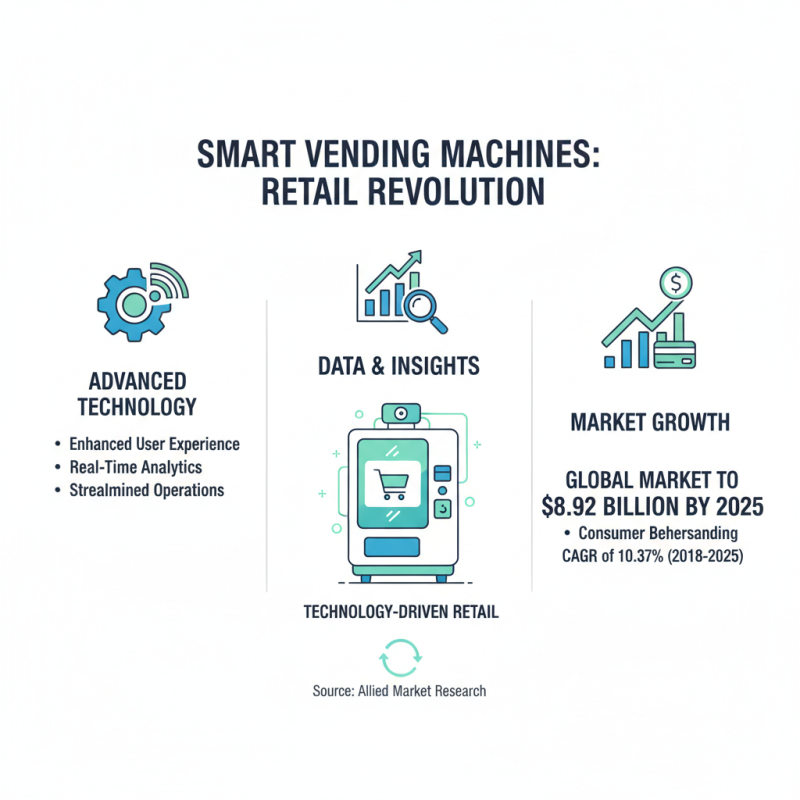
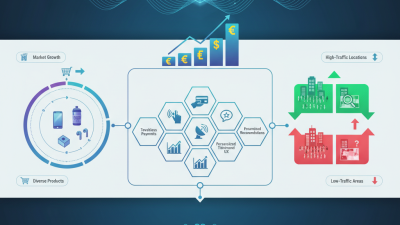
Smart vending machines are revolutionizing the retail landscape. These machines integrate advanced technology to enhance user experience and streamline operations. They offer real-time data analytics, allowing businesses to understand consumer behavior. According to a report by Allied Market Research, the global smart vending machine market is projected to reach $8.92 billion by 2025, growing at a CAGR of 10.37%. This indicates a significant shift towards technology-driven retail solutions.
An essential feature of smart vending machines is cashless payment options. They support various languages and methods, improving accessibility. A survey by the National Automatic Merchandising Association found that 61% of consumers prefer cashless transactions. This trend reflects the growing demand for convenience and speed in customer service. However, not every location sees the same success. Some machines face technical issues which can frustrate customers.
Data security is another critical aspect. While smart vending machines collect useful data, businesses must ensure consumer privacy. Inadequate security measures can lead to data breaches, damaging brand reputation. Reflecting on these challenges is vital for businesses aiming for long-term success. Consideration of technology's impact should guide decisions in this evolving market.
Smart vending machines are transforming the way businesses engage with customers. These machines offer convenience and efficiency. They are not just traditional vending machines; they utilize technology to provide a seamless shopping experience. Customers can browse options, make purchases, and even receive personalized recommendations. This modern approach appeals to tech-savvy consumers who value quick and easy access to products.
Integrating smart vending into your business can significantly boost sales. These machines operate 24/7, reaching customers even after regular business hours. Additionally, real-time inventory tracking helps manage stock efficiently. Businesses can respond to customer demands swiftly, ensuring popular items are always available. While the initial investment might be daunting, the long-term benefits can outweigh the costs. However, it’s essential to regularly assess machine performance and customer feedback to adapt and improve.
The data collected from smart vending machines provides valuable insights. Businesses can analyze purchasing trends and identify customer preferences. Yet, relying solely on this technology without personal interaction might alienate some customers. Balancing automation with human connection is crucial. Reflecting on these aspects can help guide better decisions for future growth.
Smart vending machines are transforming the way businesses engage with customers. These machines offer features that enhance customer experience and drive sales. For instance, contactless payment options cater to modern preferences. According to a report by Grand View Research, the global vending machine market is expected to exceed $30 billion by 2025. This growth indicates a strong shift towards automated retail solutions.
Data connectivity is another key feature of smart vending. Many machines are equipped with IoT technology. This allows real-time inventory monitoring and analytics. businesses can adjust product offerings based on actual demand. A study by the National Automatic Merchandising Association found that 66% of operators using smart vending saw increased sales. However, not every business fully realizes the benefits of these features. Some may struggle with initial costs or technology integration.
Customer feedback loops are essential for improvement. Smart vending machines can collect data on buying patterns and preferences. This information can help businesses fine-tune their product selection. Yet, relying solely on data can be limiting. Human insight is still vital for understanding customer needs. Balancing technology with human experience can lead to better outcomes.
| Feature | Description | Benefit | Impact on Success |
|---|---|---|---|
| Cashless Payment Options | Accepts credit cards, mobile wallets, and other digital payments. | Increases convenience for customers. | Enhances sales by attracting a broader customer base. |
| Remote Monitoring | Real-time analytics on stock levels and sales performance. | Improves inventory management. | Reduces downtime and increases operational efficiency. |
| Customizable Selections | Ability to tailor product offerings based on local demand. | Meets customer preferences effectively. | Boosts customer satisfaction and repeat purchases. |
| User-Friendly Interface | Intuitive touchscreen and navigation options. | Enhances user experience for customers. | Encourages usage and increases sales volume. |
| Energy Efficiency | Utilizes low-energy technology to reduce consumption. | Decreases operational costs. | Contributes to sustainable business practices. |
As businesses explore vending solutions, the choice between traditional vending and smart vending becomes crucial. Traditional vending machines have been around for decades. They often lack data tracking and inventory management capabilities. According to a report by Grand View Research, the global vending machine market is expected to reach $25 billion by 2025. However, these machines may not adapt to changing consumer preferences.
On the other hand, smart vending machines utilize advanced technology. They offer contactless payment options and real-time inventory management. A study by Markets and Markets indicates that the smart vending machine market will grow at a CAGR of 21.2% from 2021 to 2026. This growth is fueled by consumer demand for convenience and personalized options. Smart machines can provide tailored product recommendations based on purchasing behavior.
While smart vending presents notable advantages, challenges remain. Technical issues can arise, affecting customer experience. Integration with existing systems might be complex. Businesses must weigh these considerations and the potential for increased revenue against the costs associated with technology upgrades. Choosing the right vending solution requires a careful assessment of both traditional and smart options.
Smart vending machines are revolutionizing the way businesses engage with consumers. Case studies illustrate remarkable success stories. For example, a university implemented smart vending solutions on campus. They saw a 30% increase in sales within the first semester. Students appreciated the convenience and variety of offerings.
Another notable example comes from a corporate office. They replaced traditional vending machines with smart versions. Employee satisfaction improved significantly. Smart vending reduced downtime while providing healthier snack options. According to industry reports, companies using smart vending experience a 25% boost in employee productivity.
However, not all implementations are seamless. Some businesses faced challenges in understanding consumer preferences. Gathering data is crucial. It's essential to regularly analyze feedback and adjust offerings accordingly. Smart vending can increase revenue, but only when tailored to specific audiences. Continuous evaluation and adaptation are key to success.