How to Choose the Best Red Light Device for Your Needs?

Choosing a Red Light Device can significantly impact your health and wellness. With many options available, finding the right one may feel overwhelming. Each device offers unique features. Understanding these can help clarify your choices.

When considering a Red Light Device, reflect on your specific needs. Are you seeking pain relief, skin rejuvenation, or enhanced recovery? Knowing your goals is essential. The effectiveness of a device often depends on its wavelength, power output, and design. Research is crucial. Look for devices backed by scientific studies.

Be aware of potential drawbacks. Not all devices deliver the same results. Misleading advertising exists. Evaluating the manufacturer’s credentials and customer reviews is vital. A reliable Red Light Device should show proven benefits and have a solid reputation. This careful evaluation may take time but leads to better outcomes.
How to Choose the Best Red Light Device for Your Needs?

Understanding Red Light Therapy and Its Benefits

Red light therapy has gained attention for its potential benefits. It involves using specific wavelengths of light to promote healing and reduce inflammation. Many people report improvements in skin issues, such as acne and wrinkles. But the advantages go beyond aesthetics.

Research suggests that red light therapy may enhance muscle recovery. Athletes often seek ways to reduce downtime. This therapy might offer a solution. It can stimulate cellular repair, which is key in recovery processes. Individuals who try it often share personal experiences, highlighting varying degrees of effectiveness.

While many report positive results, some users urge caution. Not all red light devices are created equal. Various factors, such as wavelength and intensity, can affect outcomes. It’s important to consider these aspects when choosing a device. Personal tolerance can also play a role in how one perceives the benefits.


Types of Red Light Devices Available on the Market

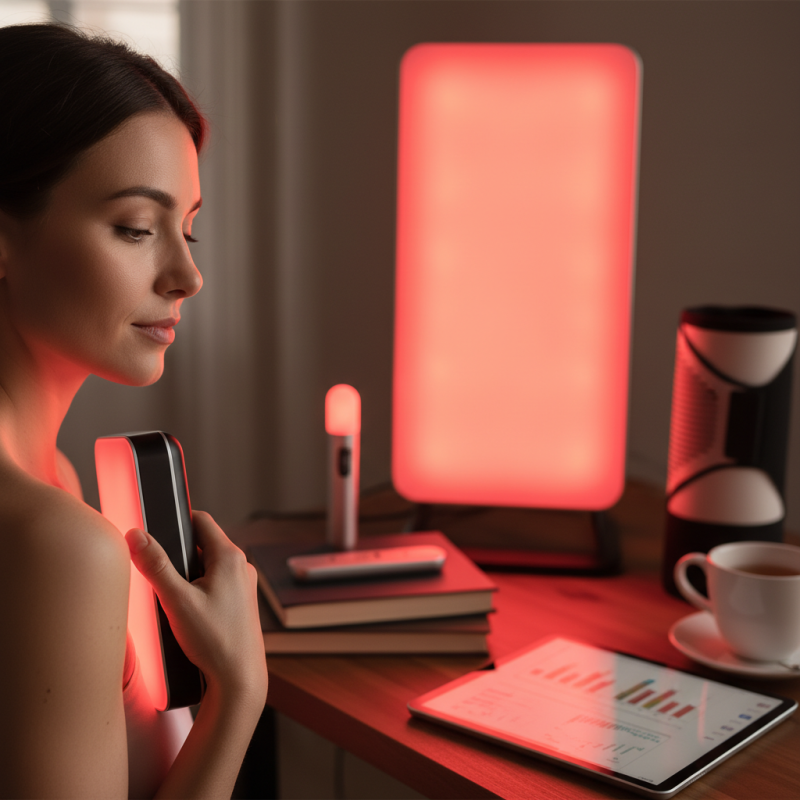
When it comes to red light devices, variety is key. These devices range from handheld instruments to larger panel systems. Handheld devices are portable and typically used for targeted treatment. They allow for precise application on specific areas, like the face or joints. In contrast, panel systems cover larger areas, making them ideal for broader applications, such as whole-body treatments.

Market research shows that red light therapy has gained popularity. According to a recent industry report, the global red light therapy market is projected to reach $1.6 billion by 2028, growing at a compound annual growth rate (CAGR) of 7.65%. Numerous studies underline the benefits, but effectiveness can vary based on device type and technology used. For instance, some emit wavelengths ranging from 600 to 900 nanometers, which have been shown to penetrate deeper into the skin.

It's essential to consider the device's power output and wavelength. Higher power does not always mean better results. Users must find a balance based on their specific needs. Also, many devices lack adequate clinical validation. This leaves room for personal experimentation and reflection. A well-informed choice can lead to positive outcomes, but not all devices will yield the same benefits. Evaluating options critically is crucial in this evolving field.

How to Choose the Best Red Light Device for Your Needs?

Device Type Wavelength (nm) Power Output (mW/cm²) Treatable Conditions Usage Duration
Handheld Device 600 - 650 50 - 300 Skin rejuvenation, pain relief 10 - 20 minutes
Light Panel 630 - 670 100 - 400 Joint pain, muscle recovery 15 - 30 minutes
Panel with Near-Infrared 850 - 950 50 - 200 Deep tissue healing, inflammation 20 - 30 minutes
Face Mask 600 - 650 30 - 100 Acne, wrinkles 20 - 30 minutes
Full-Body Bed 600 - 850 200 - 600 Overall wellness, pain relief 15 - 25 minutes

Key Features to Look for When Choosing a Device

When selecting a red light device, focusing on key features is crucial. The wavelength of the light determines its effectiveness. Devices typically operate between 600 to 900 nanometers. This range targets different skin issues and promotes healing. Checking the wavelength ensures you're getting the right benefits.

Power output is another important aspect. Higher wattage often leads to more effective treatments. Look for devices offering adjustable settings. This flexibility allows you to customize the intensity based on your comfort level. A timer function can also guide your sessions, ensuring you don’t overdo it.

Safety features shouldn’t be overlooked. Devices should have built-in cooling systems to prevent burns. Glasses can protect your eyes from potential damage. Always read reviews to gauge reliability. While many options exist, not every device might meet your expectations. Trusting user experiences can help point you in the right direction.

Assessing Your Specific Needs and Goals for Therapy

When selecting a red light device, understanding your specific needs is crucial. Many users aim for pain relief, skin rejuvenation, or improved athletic performance. Each goal might require different wavelengths or power levels. According to recent studies, red light therapy (RLT) can increase collagen production and reduce inflammation, which may benefit individuals seeking skin health.

It's also essential to evaluate the intended use. A device for personal use at home differs from a professional-grade option. Research shows that optimal wavelengths generally range from 600 to 900 nm for efficacy. Users should consider their unique goals in therapy. For example, someone targeting joint pain may need a device with higher output power compared to skin treatment.

Feedback from users often highlights dissatisfaction with devices that don't meet specific therapeutic needs. It’s worth reflecting on what you aim to achieve. Identifying precise treatment areas will help narrow down choices. A thoughtful approach to understanding needs ensures better satisfaction with the therapy results.

Budget Considerations and Value for Money in Red Light Devices

When exploring red light devices, budget considerations become crucial. Prices vary significantly across models. Cheaper options might lack essential features or effective wavelengths. Higher-priced devices often come with advanced technology and better design. Evaluate what you genuinely need. Sometimes, spending a little more can yield better results.

Value for money is about assessing quality versus cost. A lower-priced device may seem attractive. However, if it doesn't deliver effective results, it could lead to wasted resources. Look for devices with good customer reviews. User feedback often reveals insights about durability and effectiveness.

Don’t forget to consider warranty and support. A reputable product may come with solid after-sales support. This can provide peace of mind if you encounter issues. Make sure the investment aligns with your health goals. Reflect on how often you plan to use it. This understanding can guide your decision better.