Top Tips for Choosing the Best Small Vending Machine for Your Needs

When considering the purchase of a small vending machine, it’s crucial to understand not only your specific needs but also the traits that make a vending machine successful in today's market. According to industry expert Sarah Thompson, a seasoned consultant in the vending business, "The right small vending machine can transform a simple idea into a thriving venture, tailoring to consumer demands while maximizing profits." This insight emphasizes the importance of thoughtful selection and adaptability.

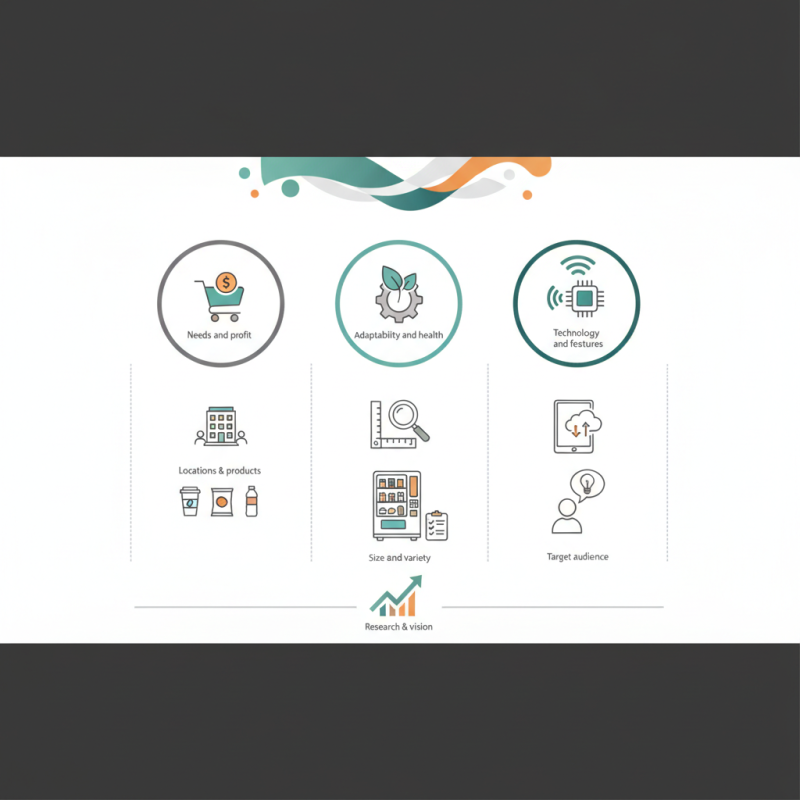
As the vending landscape evolves, small vending machines have become a popular choice for entrepreneurs looking to capitalize on convenience and accessibility. They offer a unique opportunity to cater to niche markets, from healthy snacks to specialized beverages, making them an attractive option for various locations such as offices, gyms, and schools. However, with so many options available, choosing the best small vending machine involves considering factors like size, product variety, and technology features.

Whether you’re a newcomer to the vending industry or an experienced operator looking to expand, understanding your target audience and the functionality of a small vending machine is key. This journey begins with careful research and a clear vision, ensuring that your investment aligns with market needs and personal goals.
Top Tips for Choosing the Best Small Vending Machine for Your Needs

Understanding Your Vending Needs and Target Audience
Top Tips for Choosing the Best Small Vending Machine for Your Needs

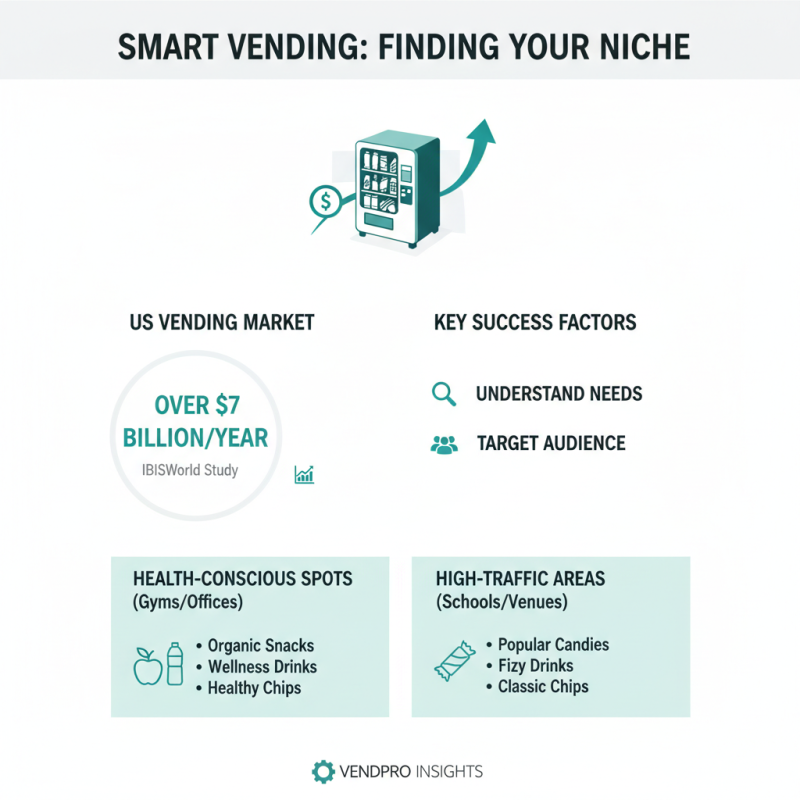
When selecting the best small vending machine, understanding your vending needs and target audience is crucial. A study by IBISWorld indicates that the vending machine industry in the U.S. alone generates over $7 billion annually, highlighting a robust market that is continuously evolving. Identifying the preferences and demographics of your potential customers can significantly influence the success of your vending operations. For instance, locations frequented by health-conscious consumers, such as gyms or offices promoting wellness, may require machines stocked with organic snacks and beverages. Conversely, high-traffic areas like schools or entertainment venues might benefit from a selection of popular candies and sodas.

Furthermore, market research from Statista reveals that approximately 75% of consumers prefer vending machines that offer healthier options, which could dictate the type of machine and inventory you choose. Understanding the specific demographic you plan to serve—such as age, lifestyle, and dietary preferences—will not only enhance customer satisfaction but also improve sales performance. By conducting thorough research on your target audience and aligning your product offerings with their needs, you can make informed decisions that maximize your vending machine's effectiveness and profitability.
Key Features to Look for in Small Vending Machines

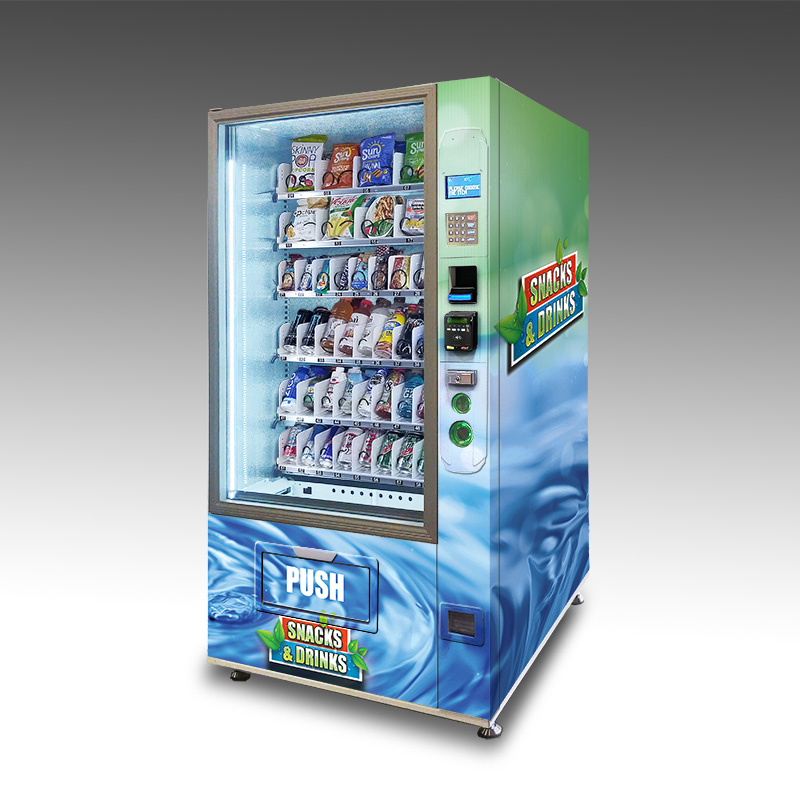
When selecting a small vending machine, understanding the key features is essential for ensuring it meets your unique needs. One of the most important aspects to consider is the machine's capacity and size. According to industry reports, the average small vending machine can hold between 20 to 50 products, making it crucial to choose one that aligns with your anticipated foot traffic and product turnover. A machine that is too small may lead to missed sales opportunities, while a larger machine could increase initial costs unnecessarily.

Additionally, the payment options available are pivotal in modern vending. Many consumers now expect machines to accept cashless transactions, including credit cards and mobile payments. A report from the National Automatic Merchandising Association (NAMA) highlighted that nearly 75% of consumers prefer cashless payments, emphasizing the importance of selecting a machine with versatile payment capabilities. Furthermore, the usability of the interface is another critical feature; a user-friendly design can significantly enhance customer experience and encourage repeat usage.

Lastly, consider the machine's inventory management features. Smart technology solutions now allow operators to track sales data and inventory levels remotely, making it easier to restock and adjust offerings based on real-time demand analysis. Recent studies indicate that vendors utilizing such technology report a 30% increase in operational efficiency. By prioritizing these key features, you can select the best small vending machine tailored to your specific business needs.

Evaluating Size and Space Requirements for Your Machine

Top Tips for Choosing the Best Small Vending Machine for Your Needs

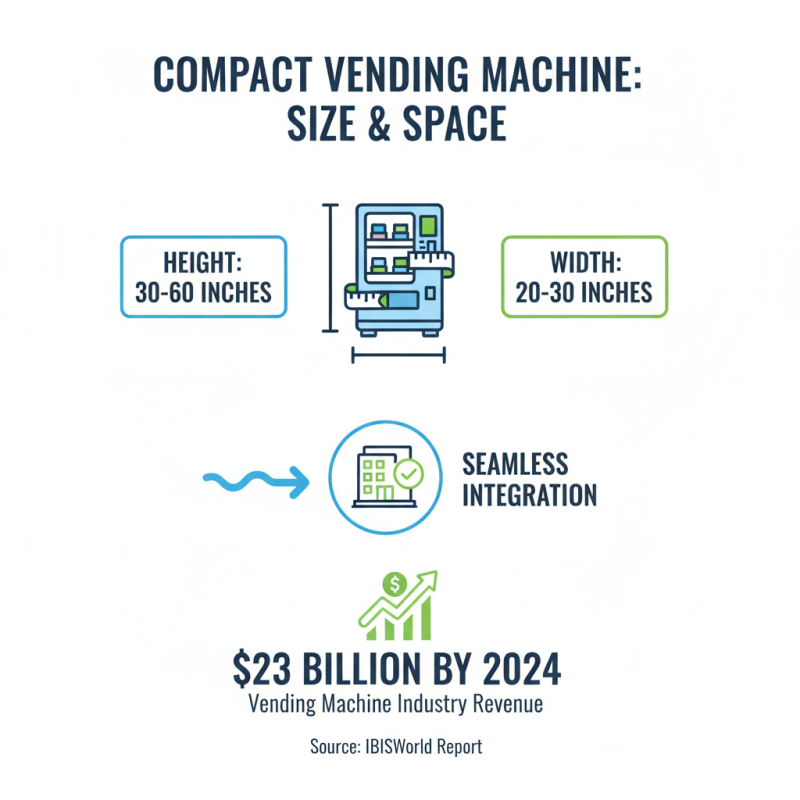
When considering a small vending machine, evaluating the size and space requirements is crucial to ensure it fits seamlessly into your designated location. The average dimensions for compact vending machines typically range from 30 to 60 inches in height and 20 to 30 inches in width. According to a report from IBISWorld, the vending machine industry's revenue is expected to reach $23 billion by 2024, highlighting the growing opportunities available in this market. This growth indicates that finding the right size machine that meets your specific location constraints is vital for maximizing profits.

Understanding the spatial constraints of your intended location can significantly affect the performance of your vending machine. If you are placing your machine in low-traffic areas, a smaller unit with a few select products may be sufficient. Conversely, in high-traffic locations such as gyms or office buildings, a larger machine that offers a broader range of snacks and beverages would likely yield better sales. According to a survey conducted by Vend-More, 65% of successful vending operations prioritize space optimization, ensuring that machines are not only fitted into the available area but also designed to attract customers effectively. By carefully evaluating both the size and the optimal placement, you can create an inviting experience that maximizes customer engagement and increases sales potential.

Assessing Product Variety and Stocking Options

When choosing a small vending machine, one of the most crucial factors to consider is the variety of products it can offer and the available stocking options. According to a report by IBISWorld, the vending machine industry has seen a growth rate of approximately 2.4% annually over the past five years, indicating a rising demand for diverse product offerings. This trend suggests that consumers are looking for more than just traditional snacks and beverages. Instead, they are interested in healthier options, gourmet snacks, and even non-food items such as personal care products or tech accessories. Therefore, selecting a machine that allows for flexible product selection is essential for catering to evolving consumer preferences.

Furthermore, the ability to customize stocking options can significantly impact your vending machine's success. Data from Statista shows that machines offering healthier snack alternatives have increased customer engagement and sales by as much as 15%. By assessing the types of products that suit your target market—be it organic snacks for health-conscious consumers or specialized items for office settings—you can enhance the machine's performance. Additionally, ensuring that the vending unit has enough storage capacity for a rotation of products can help mitigate stockouts and maintain consistent sales, ultimately leading to a more profitable venture.

Top Tips for Choosing the Best Small Vending Machine for Your Needs - Assessing Product Variety and Stocking Options

Criteria Description Example Options
Product Variety Range of items the machine can offer, including snacks, beverages, and healthy options. Snacks, Drinks, Organic Choices
Stocking Capacity Total number of items the machine can hold at one time. 20 - 50 items
Size & Space Requirements Dimensions of the vending machine and the space needed for placement. Compact, Standard, or Custom Sizes
Payment Options Available payment methods accepted by the machine. Cash, Credit/Debit, Mobile Payments
Location Suitability Best locations for placing a vending machine to maximize usage. Schools, Gyms, Offices
Maintenance Needs How often the machine requires servicing and restocking. Weekly, Bi-weekly, Monthly
User Interface Ease of use for customers in selecting and purchasing items. Touchscreen, Mechanical Buttons

Considering Budget and Overall Cost for Maintenance

When selecting the best small vending machine for your needs, budget considerations play a crucial role in ensuring long-term profitability. According to a recent industry report by IBISWorld, the vending machine industry is projected to grow at an annual rate of 2.5% over the next five years, signaling a stable market for new entrants. However, beyond the initial purchase price, potential owners must account for ongoing expenses such as product replenishment, maintenance, and electricity costs. The typical operating cost for vending machines ranges from $20 to $100 per month, depending on their location and the frequency of service required.

Understanding the overall cost of ownership is vital. For example, a study by Statista indicates that the average vending machine generates between $35 and $150 in revenue per week. This translates to approximately $140 to $600 monthly, suggesting that careful budget planning can lead to a return on investment in a relatively short time frame. Additionally, prospective owners should consider anticipated maintenance costs, which can be anywhere from $50 to $200 annually. Investing in a machine that is reliable and easy to service can mitigate unexpected expenditures and improve the overall efficiency of your vending venture. Thus, a comprehensive analysis of both initial and ongoing costs is essential to ensure that the chosen vending machine aligns with your financial goals.