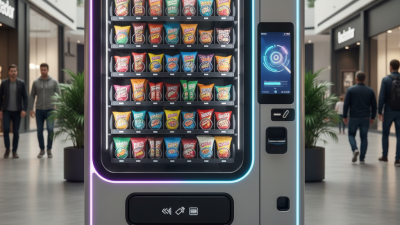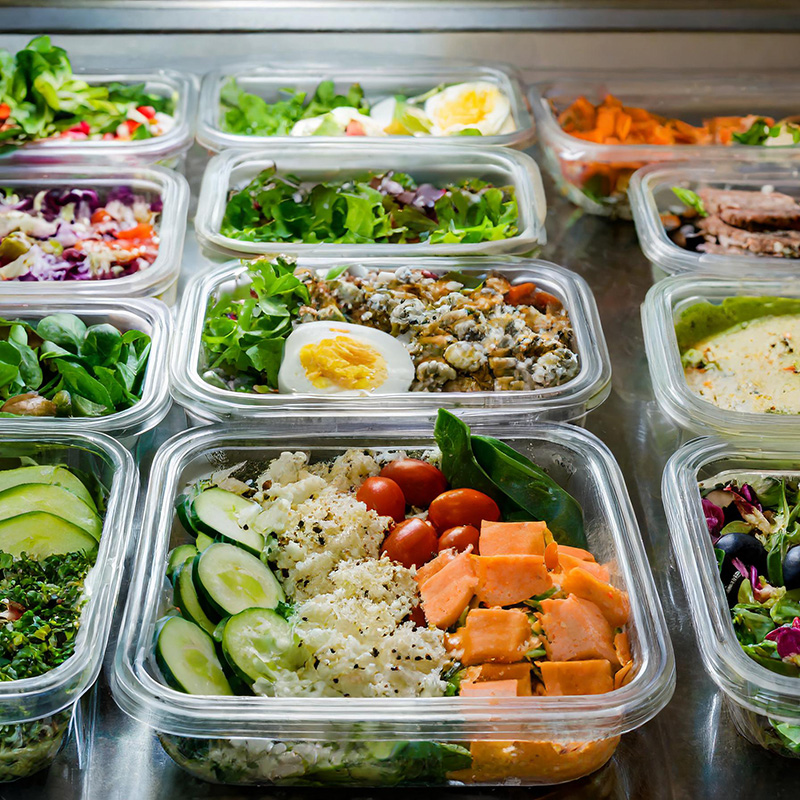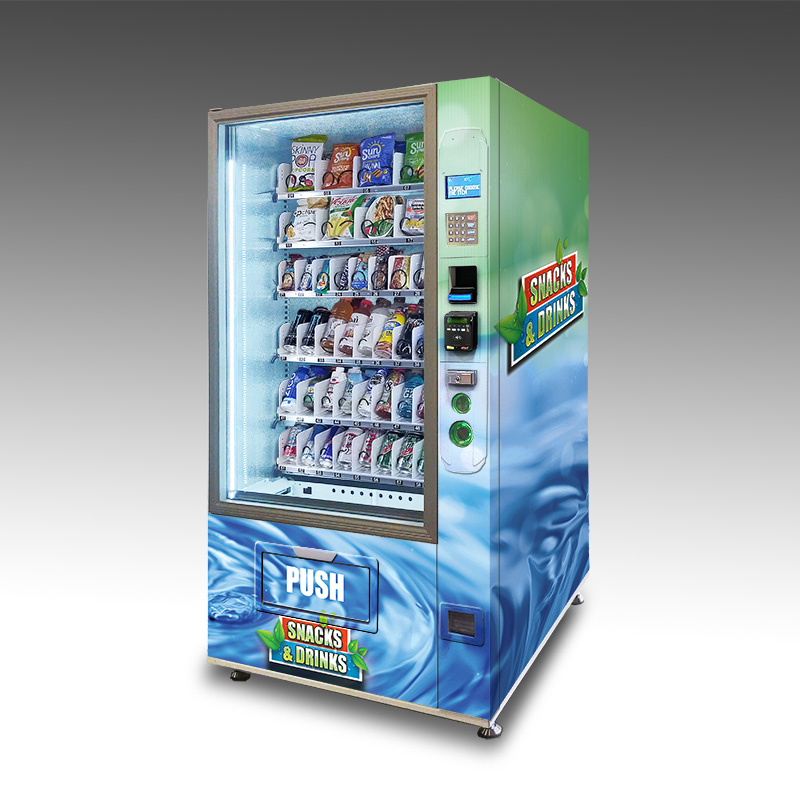
In recent years, the demand for healthy vending machines has surged. According to a report by IBISWorld, the healthy vending machine industry has seen a growth of 20% annually. This increase reflects a broader shift in consumer behavior, seeking convenient yet nutritious snack options. Dr. Lisa Turner, a nutrition expert, emphasizes, "Healthy vending machines are reshaping how we view on-the-go eating."
Selecting the right healthy vending machine involves understanding both nutrition and customer preferences. It's important to consider factors like product variety and machine accessibility. Many businesses struggle to find machines that not only offer healthy choices but also cater to dietary restrictions. This gap presents an opportunity and a challenge.
Navigating this market requires careful thought. Not every machine is created equal. Some may fail to attract consumers due to poor product selection or location issues. Evaluating your specific needs is essential to succeed in this evolving landscape of healthy vending machines. As the industry grows, the potential for improvement remains vast.
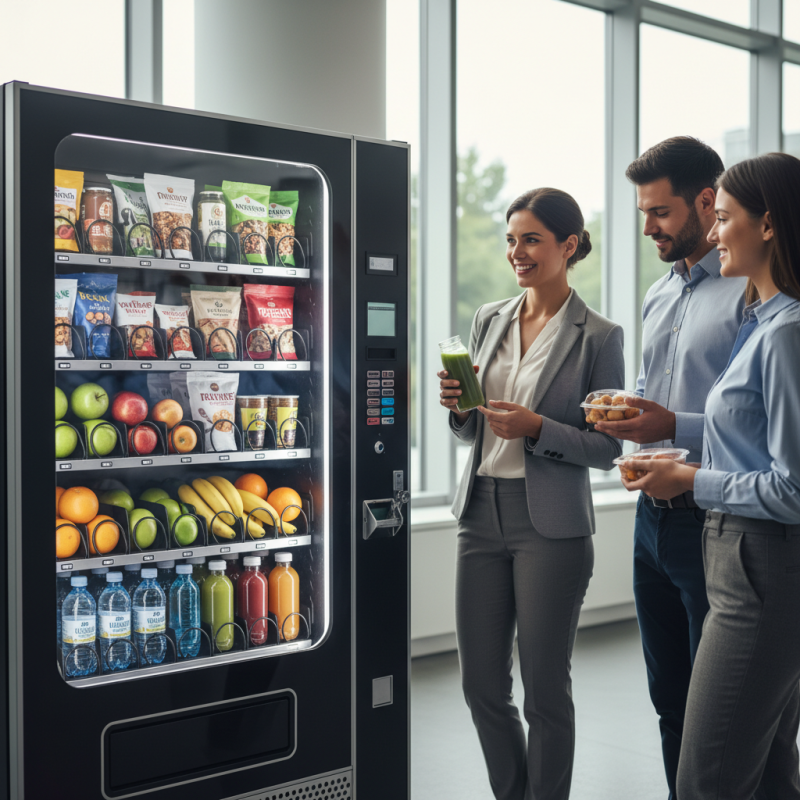
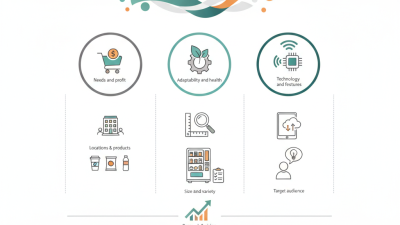
Defining your target audience is crucial when choosing healthy vending machines. Start by considering the location. Are they placed in schools, gyms, or offices? Each setting has different needs. For schools, focus on nutritious snacks for kids. In gyms, emphasize protein-rich options for fitness enthusiasts.
Understand their preferences. What do they like to eat? Market research can help. Surveys may reveal what health-conscious individuals want. Mix popular items like nuts and protein bars with unique options. This can attract a wider audience.
Tips: Offer variety. A single option won’t appeal to all. Change items seasonally or based on feedback. Also, consider pricing. Too high can deter buyers. Adjust according to your audience's budget. Keep in mind, not everyone's taste aligns. Be prepared for some trial and error.
When selecting healthy vending machines, understanding nutritional standards is crucial. Many organizations have defined nutritional guidelines to address rising health concerns. For example, the USDA recommends that snacks contain only whole grains, fruits, or vegetables. This aligns with a growing trend: about 57% of consumers look for healthier snacks.
Healthy options should avoid excess sugar and unhealthy fats. A recent report highlighted that nearly 70% of vending machine offerings across the nation do not meet basic health standards. This gap provides an opportunity for improved selections. Consider snacks that feature ingredients like nuts, seeds, or yogurt. These items not only offer protein but also essential vitamins and minerals.
However, not all “healthy” labels are genuine. Some snacks marketed as healthy still contain hidden sugars. Consumers must read labels carefully. Transparency is key in addressing dietary needs. Unfortunately, confusion prevails in the market, leading to unintentional poor choices. Finding a balance between convenience and nutrition is challenging but necessary.
When evaluating popular healthy vending machine brands, it's essential to examine their offerings closely. Many machines include snacks, drinks, and even meals that focus on nutrition. Look for options that provide whole grains, low sugar, and high protein. Some machines even cater to different dietary needs, such as gluten-free or vegan choices. Offering variety is key, but the quality should not be overlooked.
Some brands may claim to be healthy but include hidden sugars and unwholesome ingredients. A transparent ingredient list is crucial. It helps customers make informed decisions. Small adjustments can lead to better choices, but sometimes the marketing can be misleading. Users might think they’re eating well while unknowingly consuming unhealthy items.
Furthermore, it’s vital to consider user feedback on taste and satisfaction. A machine might offer healthy products, but if they don’t appeal to users, it’s counterproductive. Gathering opinions can guide better selections. It's tempting to simply trust the brand, but personal experience often tells a different story. Reflecting on these aspects can lead to a wiser choice in vending options for your needs.
| Machine Type | Product Range | Health Focus | Average Price | User Ratings |
|---|---|---|---|---|
| Snacks | Granola bars, Nuts, Dried fruits | Low-sugar, High-protein | $2500 | 4.5/5 |
| Beverages | Sparkling water, Herbal teas, Cold-pressed juices | Organic, No added sugar | $3000 | 4.7/5 |
| Meal Replacement | Protein shakes, Meal bars | High-nutrition | $3500 | 4.6/5 |
| Fresh Food | Salads, Wraps, Fruit bowls | Fresh, Locally-sourced | $4000 | 4.8/5 |
When choosing healthy vending machines, the cost-effectiveness and profitability are crucial factors. You need to analyze the initial investment required. This includes the machine's price and the costs of stocking it. High-quality machines may have higher upfront costs but often lead to greater returns. It’s worth examining various options and their potential for generating income.
Consider the types of healthy snacks you wish to offer. Pricing them right can influence sales volume. Evaluate the competition in your area. Pricing products too high may deter customers, while undervaluing them can limit profits. Striking the right balance is essential. You want healthy options to appeal to various tastes, but profitability must guide your selections.
Think about the location of the vending machines. High foot traffic areas may yield better returns. However, securing a good spot can be challenging. Some locations may require negotiation or ongoing fees. Additionally, monitor sales regularly to assess performance. This analysis helps identify slow-moving items. Adapting your stock can enhance profitability over time.
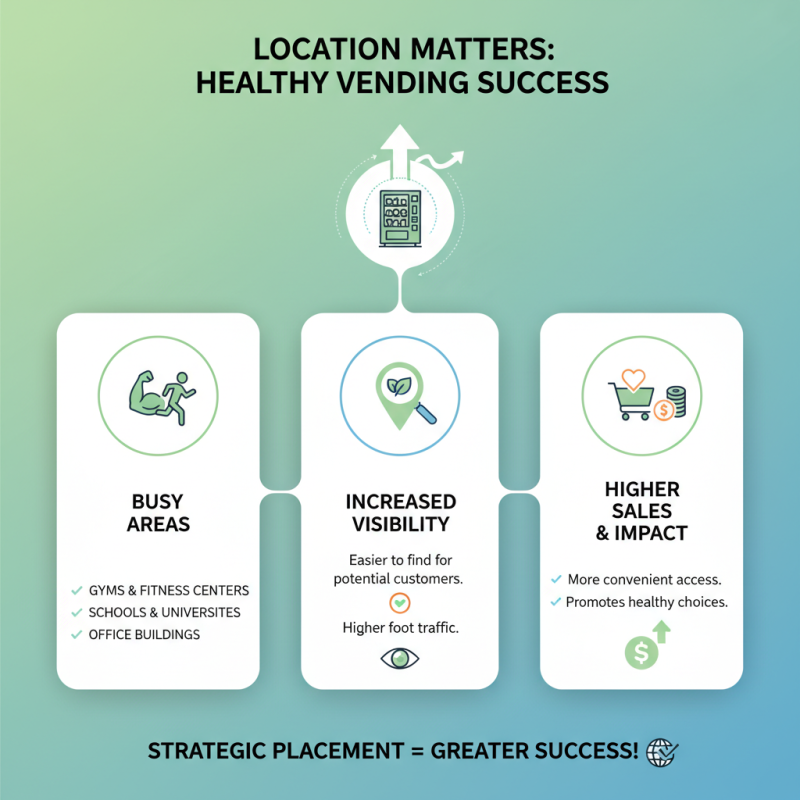
Location plays a crucial role in the success of healthy vending machines. Placing them strategically can make a significant difference. Busy areas like gyms, schools, and office buildings usually attract more customers. A well-chosen spot increases visibility and accessibility, leading to higher sales.
Tips: Observe foot traffic. Locations with high activity levels often yield better results. Think about your target audience. Placing machines near health-conscious consumers can boost sales.
However, not every location guarantees success. Some machines might see low sales even in busy areas. This could be due to poor product selection. If choices don't align with customer preferences, revenue may decline. Regularly assess what is selling well. Adapt to changes in consumer tastes and trends. Keep the machine stocked with fresh options to maximize appeal.