What is an Ice Cream Vending Machine and How Does It Work

In recent years, the ice cream vending machine has emerged as a revolutionary concept in the world of automated food service. These machines not only provide a convenient way for consumers to enjoy their favorite frozen treats but also streamline the retail process for vendors. According to Dr. Emily Frost, a leading expert in food automation technology, “Ice cream vending machines are transforming the landscape of snack distribution, offering consumers immediate access to quality products while reducing the need for extensive labor.”

Understanding how these machines work and the technology that powers them is essential for anyone interested in the intersection of innovation and the food industry. From the blend of advanced refrigeration systems to user-friendly touchscreen interfaces, every aspect is designed to enhance the experience of enjoying ice cream on-the-go. As we delve deeper into the mechanics and appeal of the ice cream vending machine, it becomes clear that this innovation is not only about convenience; it’s also about delivering high-quality products responsibly and efficiently.
What is an Ice Cream Vending Machine and How Does It Work

What Defines an Ice Cream Vending Machine in Today's Market

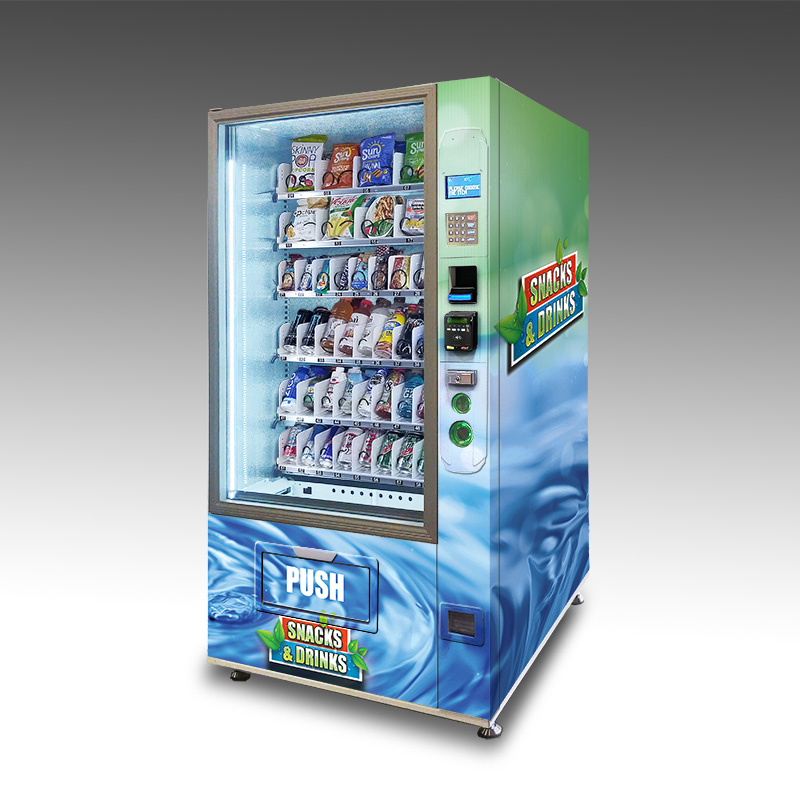
An ice cream vending machine is a specialized unit designed to dispense various types of ice cream products on demand, providing customers with convenience and immediacy. In today’s market, these machines are increasingly defined by their technology, flexibility, and product variety. According to a report by IBISWorld, the global vending machine industry is expected to reach a market size of approximately $25 billion by 2025, with ice cream vending machines capturing a growing segment due to their appeal in high-traffic locations such as malls, parks, and events.

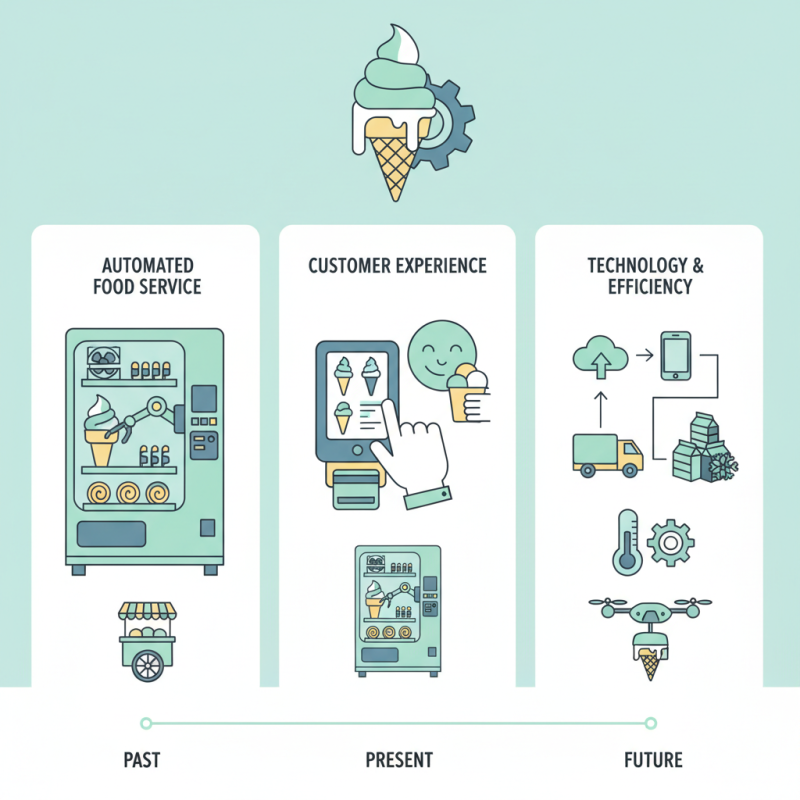
Today’s ice cream vending machines are equipped with advanced features that enhance user experience. Many units offer touchscreens for product selection, real-time inventory management, and even mobile payment options, catering to tech-savvy consumers. A study from the National Automatic Merchandising Association (NAMA) indicates that nearly 70% of consumers prefer machines that utilize cashless payment methods. Additionally, the variety of product offerings—from soft-serve to artisanal ice creams—aligns with the shifting consumer preference for premium and personalized desserts, reinforcing the relevance of these machines in evolving market landscapes.

What is an Ice Cream Vending Machine and How Does It Work - What Defines an Ice Cream Vending Machine in Today's Market

Feature Description Benefits
Type of Ice Cream Soft serve or scoop Variety in offerings
Payment Options Cash, credit/debit cards, mobile payments Convenience for users
Machine Size Compact or full-size units Adaptability to different locations
Temperature Control Advanced refrigeration technology Maintains product quality
User Interface Touch screen with product selection User-friendly experience
Maintenance Remote monitoring and alerts Minimizes downtime

Key Components and Technology Behind Ice Cream Vending Machines

Ice cream vending machines are becoming increasingly popular in various locations, providing a unique convenience for ice cream lovers. At the heart of these machines lies advanced technology designed to ensure product quality and user satisfaction. Key components include refrigeration systems, dispensing mechanisms, and interactive interfaces. According to a report by IBISWorld, the automated vending machine industry is projected to grow at an annual rate of 3.5%, signifying a rising demand for diverse and innovative vending solutions.

The refrigeration technology in these machines is critical to maintain the perfect texture and temperature of the ice cream. Modern machines often incorporate a blast freezing system, which can rapidly freeze the product, helping to enhance its creaminess and flavor integrity. Furthermore, user-friendly interfaces equipped with touch screens or mobile payment options are essential, as they provide a seamless purchasing experience. A survey by Statista indicates that 70% of consumers prefer contactless payment methods, highlighting the importance of integrating such technologies into vending solutions.

Tips for operators of ice cream vending machines include regularly checking and maintaining refrigeration units to ensure optimal performance and freshness. Additionally, offering a variety of flavors can attract a broader customer base, as surveys show that consumers are likely to try new flavors when presented with diverse options. Lastly, promoting the machine's location through social media can significantly increase foot traffic and sales.

Ice Cream Vending Machines Usage by Region (2022)

Operational Mechanism: How Ice Cream is Dispensed Automatically

What is an Ice Cream Vending Machine and How Does It Work

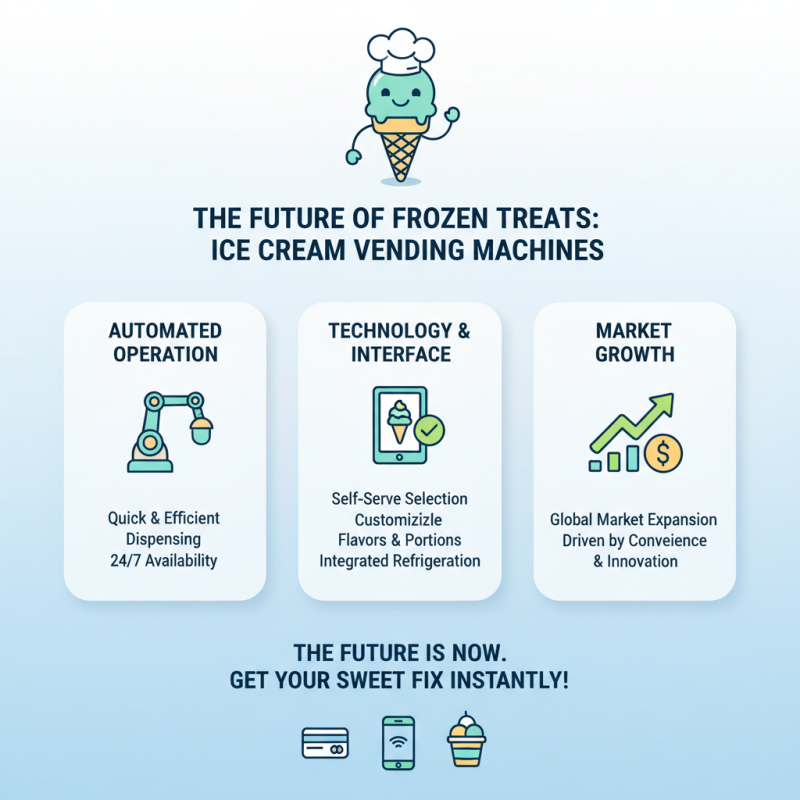
Ice cream vending machines are becoming increasingly popular due to their automated operational mechanism, allowing for efficient, quick dispensing of ice cream. These machines typically operate using a combination of refrigeration technology and a self-serve interface, enabling customers to select their desired flavor and portion size. Recent industry reports indicate that the global ice cream vending machine market is projected to grow significantly, driven by advancements in technology and consumer demand for convenient dessert options.

The dispensing process usually involves a refrigeration system that keeps the ice cream at optimal temperatures. When a selection is made, the machine’s automated system accurately measures and dispenses the ice cream into a cup, often utilizing a soft-serve mechanism to ensure a consistent texture. According to data from market research, nearly 70% of consumers prefer self-service options, and with the rise of contactless service preferences, the demand for these vending machines is likely to continue its upward trend. As more establishments look to enhance customer experience while optimizing space, the operational efficiency provided by these ice cream vending machines makes them an appealing investment.

Market Trends: Growth Statistics and Consumer Preferences in 2023

What is an Ice Cream Vending Machine and How Does It Work

The global home decor market is projected to reach a staggering value of $747.75 billion by 2024, and further expected to climb to $800.23 billion by 2025, eventually achieving $1,097.51 billion by 2032. This exponential growth reflects increasing consumer preferences for personalized home environments and innovative design solutions. Additionally, the cashew market is anticipated to rise from $5.61 billion in 2023 to $8.2 billion by 2032, showcasing a compound annual growth rate (CAGR) of approximately 4.31% during the forecast period. This trend indicates a growing shift towards health-conscious snacking options, aligning well with the current consumer desire for nutritious food products.

Tips: When considering home decor investments, focus on sustainable materials and customizable options to meet evolving consumer preferences. For wellness-oriented products, explore the rising cashew market as a means of catering to health-aware consumers seeking nutritious snack alternatives. Keeping an eye on market trends can guide smarter purchasing decisions that align with future growth trajectories.

Maintenance and Efficiency: Ensuring Optimal Performance in Vending Machines

Maintenance is crucial in ensuring the optimal performance of ice cream vending machines, which can significantly impact their efficiency and profitability. According to a report by IBISWorld, the vending machine industry is projected to reach $24 billion in revenue by 2024, highlighting the importance of maintaining these machines to meet consumer demand effectively. Regular maintenance, including cleaning, checking refrigeration systems, and inspecting dispensing mechanisms, can prevent costly breakdowns and ensure a consistent supply of quality products.

Implementing a proactive maintenance schedule can enhance the lifespan of vending machines. The National Automatic Merchandising Association (NAMA) suggests that machines should be serviced at least every three months, depending on usage intensity. This not only helps to reduce downtime but also improves customer satisfaction; machines that function properly attract more users, leading to increased sales. Furthermore, data indicates that well-maintained vending machines can generate up to 30% more revenue compared to those that are neglected. Therefore, investing in maintenance is essential for operators aiming to maximize the efficiency and profitability of their ice cream vending machines.