How to Invest in Vending Machines for Passive Income Success?
Investing in vending machines can be a lucrative side hustle. Steve Schwartz, a leading expert in the industry, emphasizes, “Invest in vending machines, but know your market.” This advice echoes the necessity of understanding your locale before diving in.
The appeal of vending machines lies in their passive income potential. Imagine owning machines in busy areas. Picture the steady stream of cash flow with minimal effort. However, this path is not without challenges. Many new investors overlook maintenance costs. Machines can break down. Location is key but often misunderstood. Choosing the wrong spot can be costly.
Success requires research and a keen eye. You need to analyze foot traffic and competition. A small miscalculation may lead to disappointment. Engaging with experienced operators can provide valuable insights. Remember, investing isn’t just about the machine; it’s about the context. Embrace the learning curve, and adjust your strategy. Invest in vending machines wisely for rewarding results.
Understanding the Vending Machine Business Model for Passive Income
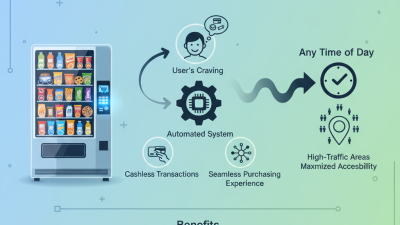
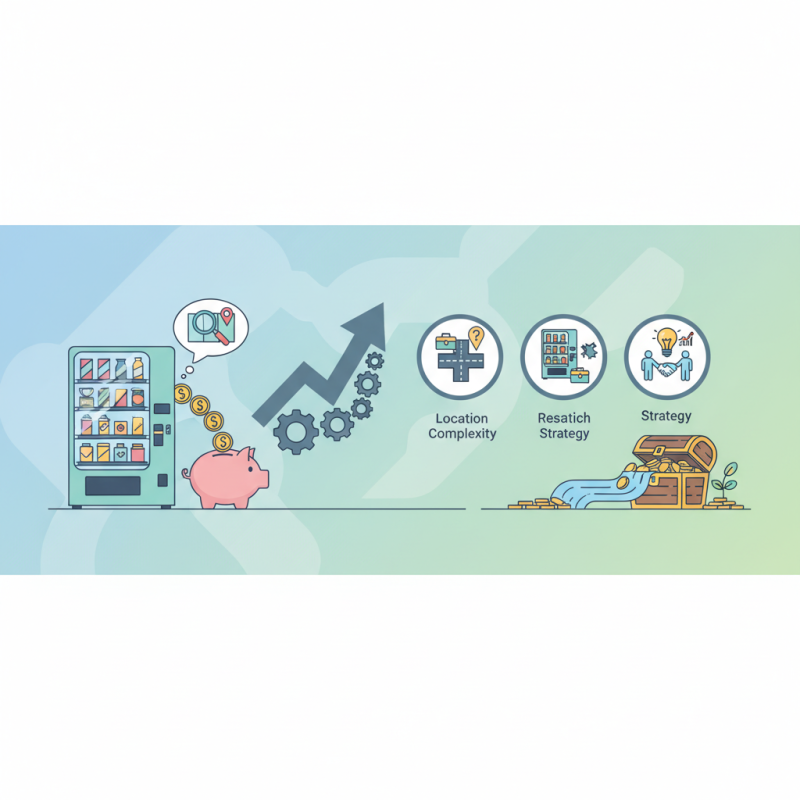
Investing in vending machines can yield passive income. The vending machine business model relies on strategic placement and product selection. This model operates by generating revenue through snack and beverage sales. A recent report indicates that the vending machine industry is projected to reach $25 billion by 2025, growing annually by about 4.5%. This growth highlights the potential rewards for savvy investors.
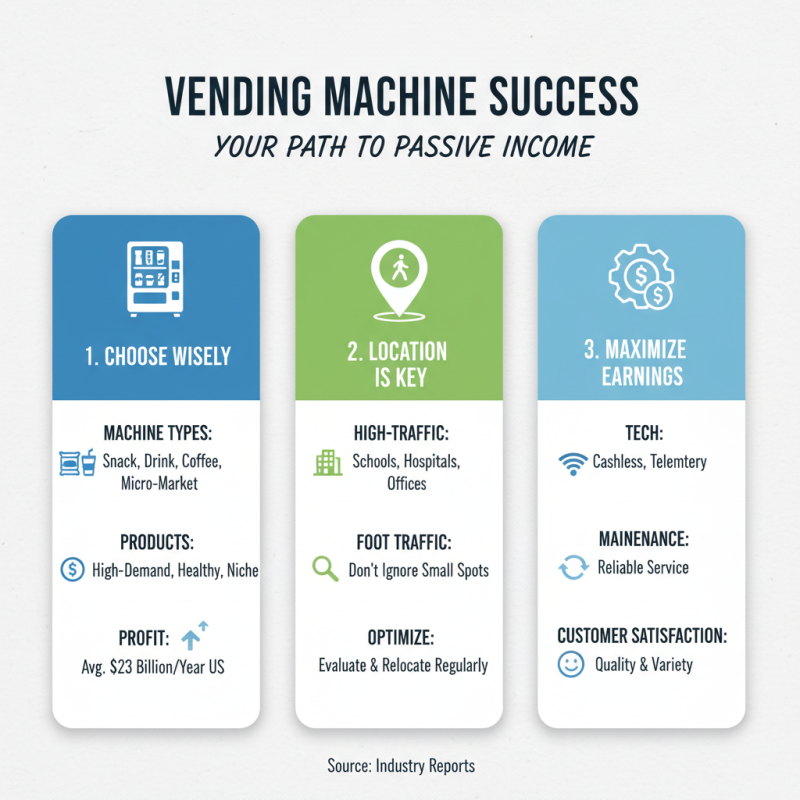
Location is crucial in this business. High-traffic areas like office buildings, schools, and hospitals are preferred. A poorly chosen location can lead to losses. Data shows that a well-placed vending machine can earn between $300 to $500 monthly. However, this depends on foot traffic and product appeal. Select products that cater to local preferences. Being reactive to consumer demand can improve sales.
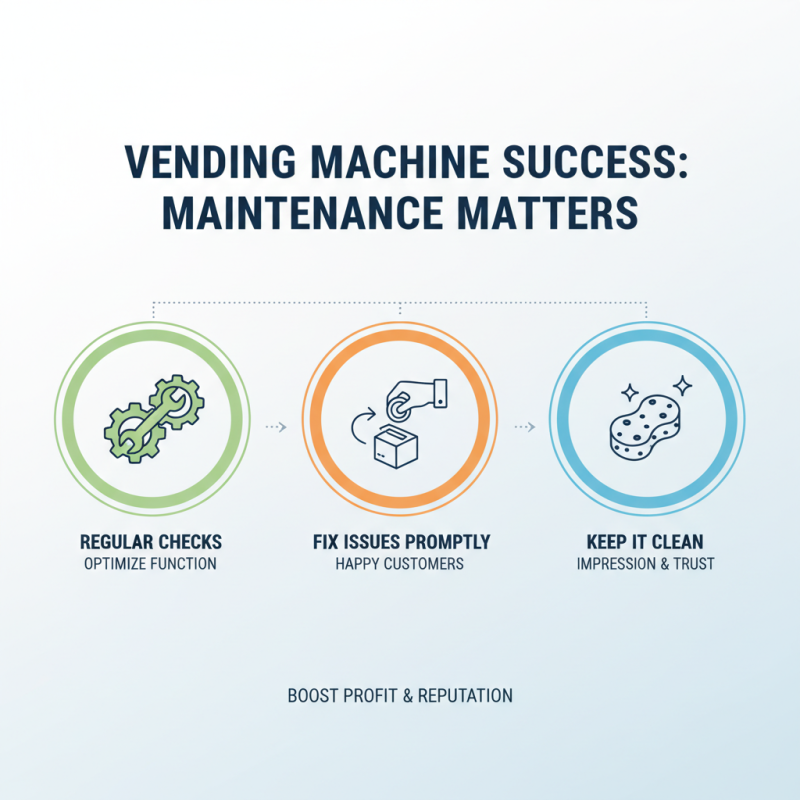
Maintenance is another vital aspect. Machines require regular restocking and servicing. Neglecting these can disrupt income flow. Some machine owners overlook this, leading to lost revenue. It's also essential to analyze sales data periodically. Simple adjustments can significantly enhance profitability. Understanding the business model is key. It is more than just acquiring machines; ongoing effort determines success.
Identifying Profitable Locations for Vending Machine Placement
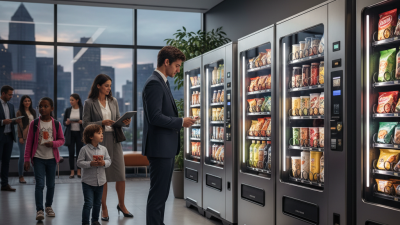
Finding the right locations for vending machines can significantly impact your income. High foot traffic areas are ideal. Think about places like schools, hospitals, and office buildings. These sites attract many potential customers daily. It’s essential to assess the demographics of each location. Different snacks appeal to different audiences.
Before committing, do some research. Visit potential spots during peak hours. Observe traffic patterns and customer behavior. Not all high-traffic places will guarantee sales. Some areas may compete with nearby convenience stores. Consider the visibility of your machine. If it’s tucked away, people might miss it entirely. You might face challenges with maintenance or theft as well. Each site requires due diligence.
Engaging with property owners is crucial. Some may charge fees for placement. Others might require a profit-sharing agreement. It’s important to communicate your vision clearly. Be prepared to adapt based on their feedback. Reflect on your choices. Not every location will meet your expectations. Successful placement involves trial and error. These insights will help refine your strategy.
Choosing the Right Types of Vending Machines and Products to Offer
Choosing the right types of vending machines and products is crucial for passive income success. According to industry reports, the vending machine business generates over $23 billion annually in the U.S. alone. Choosing the right location can impact your sales dramatically. High-traffic areas like schools, hospitals, and office buildings are ideal. Yet, ignoring the foot traffic isn’t wise. Regular evaluation of locations may reveal surprising insights.
When it comes to products, variety attracts a broader customer base. Health-conscious options like snacks and drinks have gained popularity recently. Reports indicate that healthy vending products see a 30% increase in sales compared to traditional snacks. However, the challenge lies in inventory management. Stocking popular items requires ongoing market research. Not every product will succeed, even in prime spots. Testing different options can lead to more informed decisions down the road.
Understanding seasonal trends also plays a role. For example, sales may spike during the winter months for hot beverages. But, overlooking these trends can lead to wasted inventory. It's essential to analyze sales data regularly. Using this data to adapt offerings can directly influence profitability. Initial product choices may seem right but reassessment is key.
Calculating Initial Investment and Ongoing Costs for Vending Machines
When considering investing in vending machines, initial costs are crucial. A machine can cost anywhere from a few hundred to several thousand dollars. Location fees, if applicable, add to the upfront investment. You might need to negotiate contracts with property owners or managers. Research is key to ensure you choose the right spots.
Ongoing costs can also affect profit margins. Regular inventory purchases can be unpredictable. You must restock popular items frequently. Maintenance is another factor; machines can break down or need repairs unexpectedly. Budgeting for these expenses helps prevent cash flow issues. Regularly evaluating the profitability of your vending machine is necessary.
Finally, some aspects of this investment aren't straightforward. The market is dynamic; consumer preferences change. Checking for new trends can influence your offerings. It’s easy to overlook such details. Reflecting on your earnings versus expenses is vital for long-term success.