What is a mini vending machine and how does it work?

In recent years, the mini vending machine has gained popularity across various settings. Experts believe these compact devices can effectively meet consumer demands. David Liu, a vending industry expert, states, "Mini vending machines are transforming the way we access snacks and beverages."

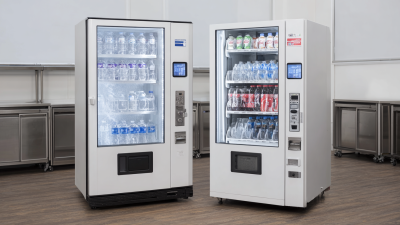
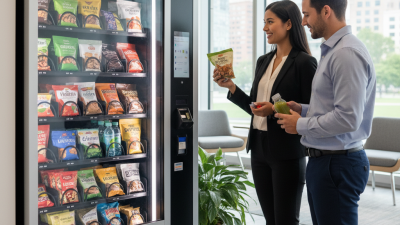
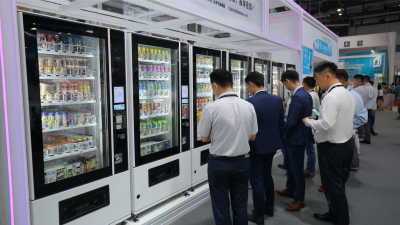
These machines are small, often fitting into limited spaces. They can be placed in offices, gyms, or even schools. Users appreciate their convenience and variety. Imagine strolling into your office and grabbing a cold drink from a sleek mini vending machine.

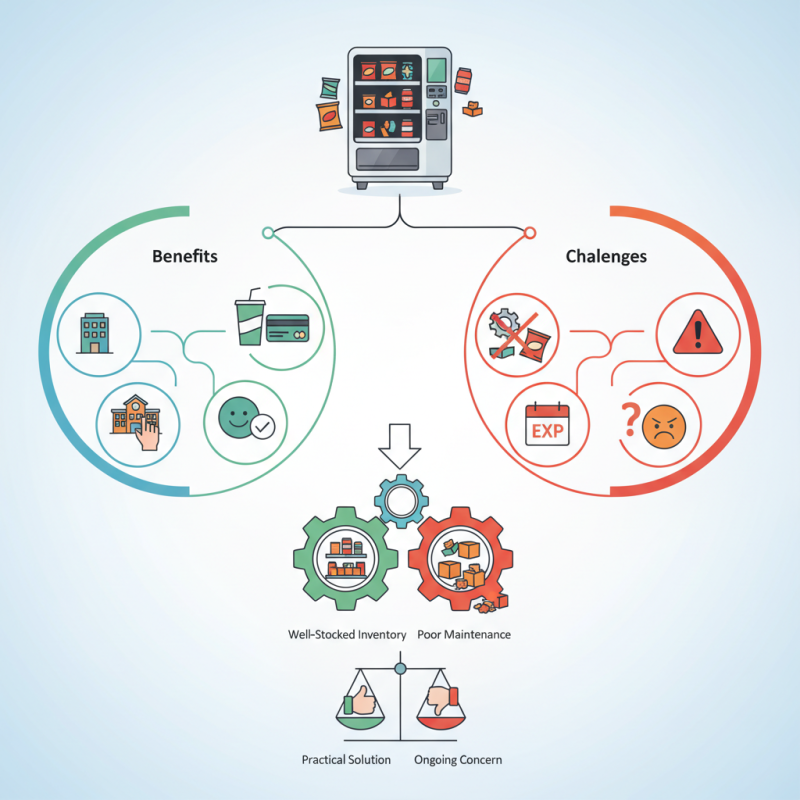
However, challenges persist in this rapidly growing market. Not all machines are maintained properly. Sometimes, products may be out of stock or expired. A well-stocked machine can enhance customer satisfaction significantly. It's crucial for operators to stay on top of inventory management, ensuring a smooth experience for all users. A mini vending machine can be both a practical solution and an ongoing concern for those who rely on them daily.
What is a mini vending machine and how does it work?

Definition and Types of Mini Vending Machines
What is a mini vending machine and how does it work?

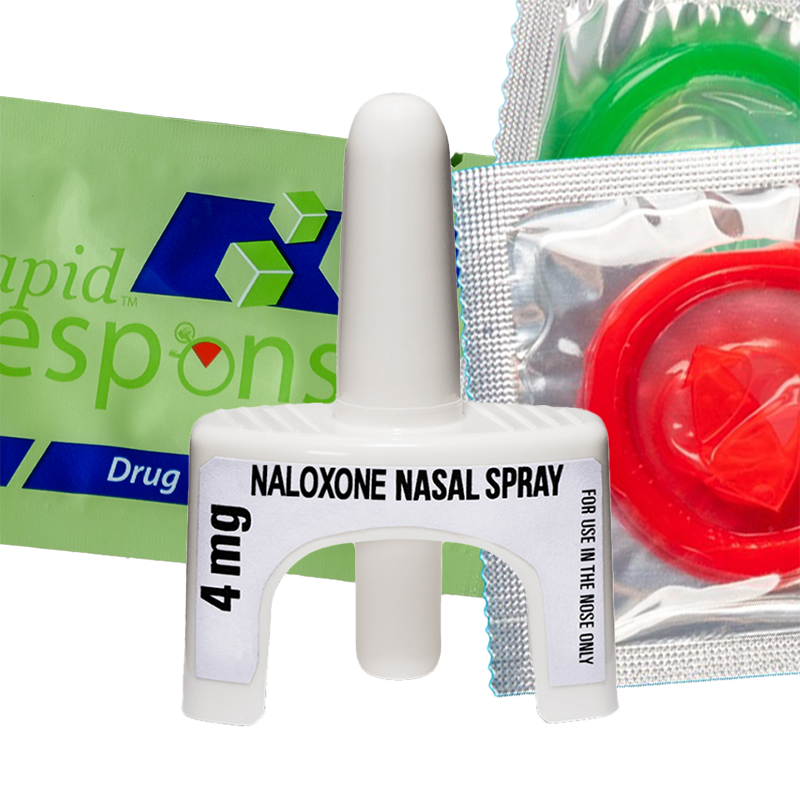
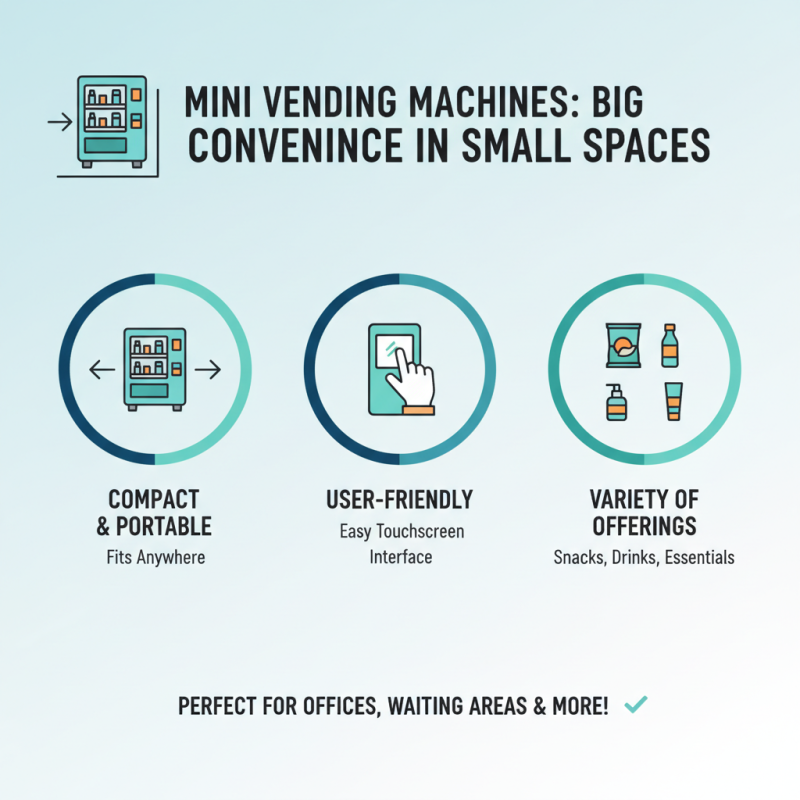
Mini vending machines have become a popular choice in recent years. They are compact, user-friendly, and often found in small spaces like offices or waiting areas. The variety of items available can be quite impressive. Common offerings include snacks, drinks, and even personal care items.

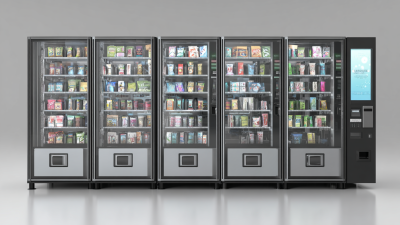
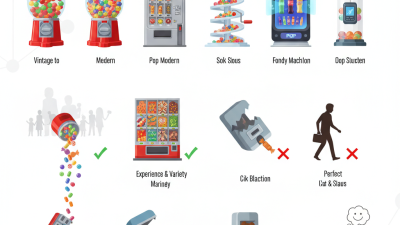
There are several types of mini vending machines. Some are designed for specific products, like only snacks or beverages. Others can accommodate a wider range of items. These machines can operate with cash, credit, or even mobile payments. Their small size allows them to fit in places traditional vending machines cannot.

Despite their advantages, mini vending machines have challenges. Stocking can be a hassle due to limited space. They may also face issues with malfunctioning parts or empty slots. These problems affect user experience and can lead to frustration. Reflecting on these aspects can offer insight into improving designs for better functionality.

Components and Mechanism of Mini Vending Machines

Mini vending machines are compact devices that dispense products in exchange for money. They are often used in offices, schools, and small public spaces. These machines operate on a simple mechanism involving key components.

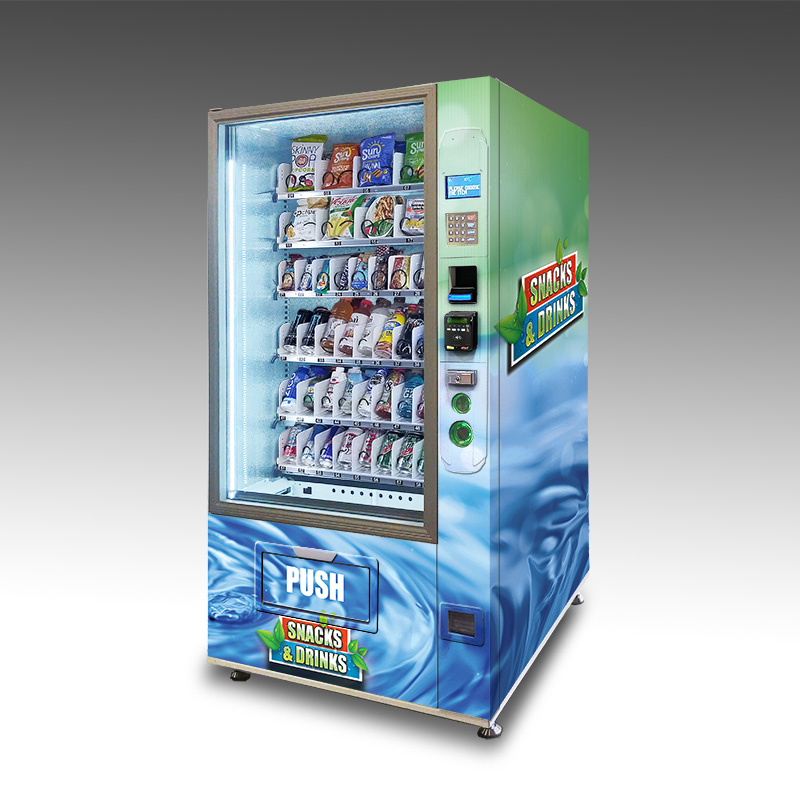
Key components include the coin or bill acceptor, product selection buttons, and dispensers. The coin acceptor verifies valid currency and tracks revenue. Once payment is made, users press a button for their chosen item. The internal mechanism then releases the product from a shelf to a retrieval area. The success of the transaction relies on proper functioning of these parts.

Tips: Ensure your mini vending machine is stocked regularly. A well-maintained inventory boosts customer satisfaction. Keep an eye on the coin acceptor to prevent jams. Frequent checks reduce frustrations for users.

Another aspect to consider is location. Mini vending machines should be placed where foot traffic is high. However, sometimes the placement might not yield expected sales. Testing different locations can help in understanding customer preferences better.

Operating Procedures for Mini Vending Machines

Mini vending machines have become increasingly popular in various locations due to their convenience and efficiency. These compact machines can be easily installed in places like offices, gyms, and schools. According to industry data, the global vending machine market is projected to reach $33 billion by 2026. Mini vending machines represent a significant portion of this market, appealing to consumers seeking quick and accessible snack options.

Operating a mini vending machine involves specific procedures to ensure efficiency. Regular maintenance is vital. This includes restocking items and checking for mechanical issues. Data shows that proper upkeep can increase machine revenue by up to 20%. Moreover, payment systems must be user-friendly. A seamless payment experience encourages more purchases. It's crucial to evaluate the product selection based on consumer preferences and local trends.

Despite these advantages, challenges exist. Some locations may see low sales due to inadequate marketing or poor placement. It's essential to analyze foot traffic and demographics before installation. Without proper strategy, a mini vending machine could fail to attract customers. Operators must be ready to adapt, making informed decisions about what products to offer. Understanding your target audience can significantly impact success.

Benefits and Challenges of Using Mini Vending Machines

Mini vending machines have become popular in various settings, offering convenience and quick access to snacks or drinks. They can fit into small spaces, making them ideal for offices or small retail areas. However, there are notable benefits and challenges associated with their use.

One significant benefit is lower operating costs. A report by IBISWorld states that the vending machine industry generates around $7 billion annually. Mini machines require less inventory and have fewer maintenance needs. With a smaller stock, businesses can allocate resources more efficiently. They also provide a unique opportunity to cater to specific dietary preferences, such as healthy snacks or beverages.

Despite these advantages, challenges exist. Limited space means limited selections. This can lead to customer dissatisfaction if their preferred items are not available. Moreover, the initial cost of purchasing the machines can be a barrier for some. Small breaks or malfunctions can disrupt service, potentially harming customer loyalty and revenue.

Tips: Regularly monitor inventory levels. This ensures that popular items are always stocked. Consider customer feedback to refine your selections and improve service. Finally, place machines in high-traffic areas to maximize visibility. Understanding these nuances can lead to a more successful mini vending machine experience.

Applications and Locations for Mini Vending Machines

Mini vending machines are compact units designed to dispense snacks, drinks, or small items. They are ideal for various locations due to their size and ease of operation. These machines can be placed in offices, schools, gyms, hospitals, and even small retail spaces. Their popularity is growing, as they provide convenience without requiring large footprints. According to industry reports, the mini vending machine market is expected to grow by 20% over the next five years, driven by increased demand for hassle-free purchasing options.

Many locations benefit from installing mini vending machines. In offices, they can provide employees with quick snacks or beverages during busy hours. Gyms and health clubs often use them to sell protein bars and drinks. Hospitals can offer snacks to visitors, ensuring they have access to refreshments without leaving the facility. Interestingly, schools can use these machines for healthier snack options, catering to students’ needs.

**Tips:** When placing a mini vending machine, consider high-traffic areas to maximize visibility. Ensure that the items inside are regularly stocked and rotated. Monitoring sales data can help you understand customer preferences. A common oversight is neglecting maintenance; clean machines frequently to keep them appealing. Regularly updating your inventory based on trends can also enhance user experience.

Mini Vending Machine Locations and Applications