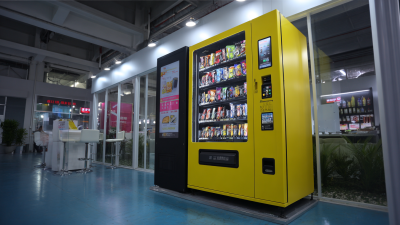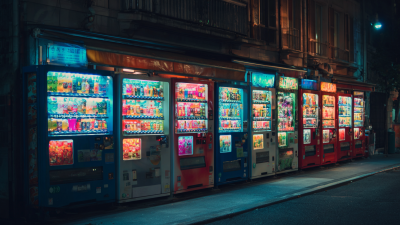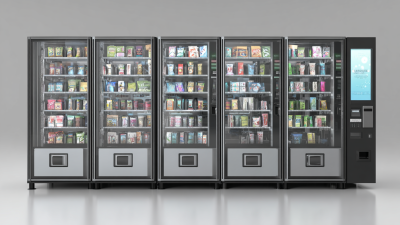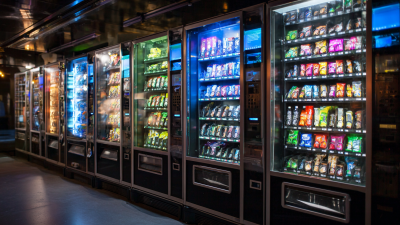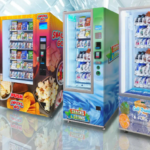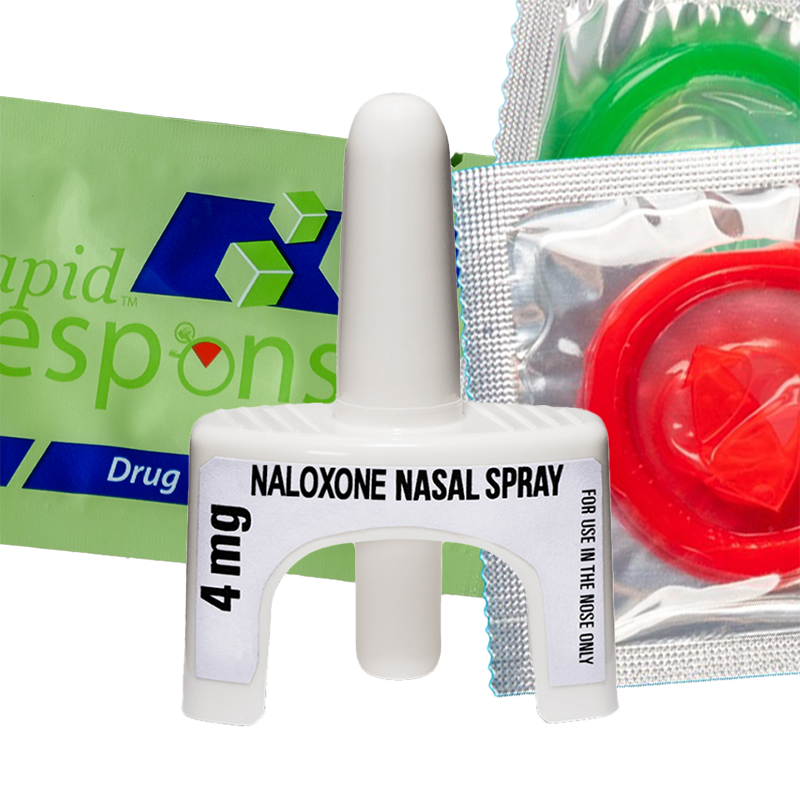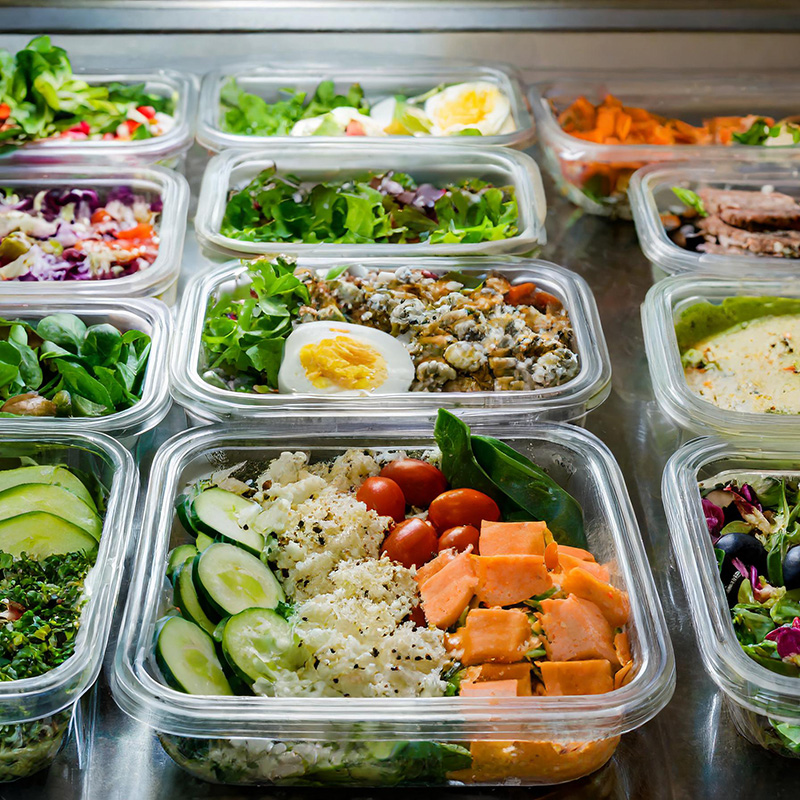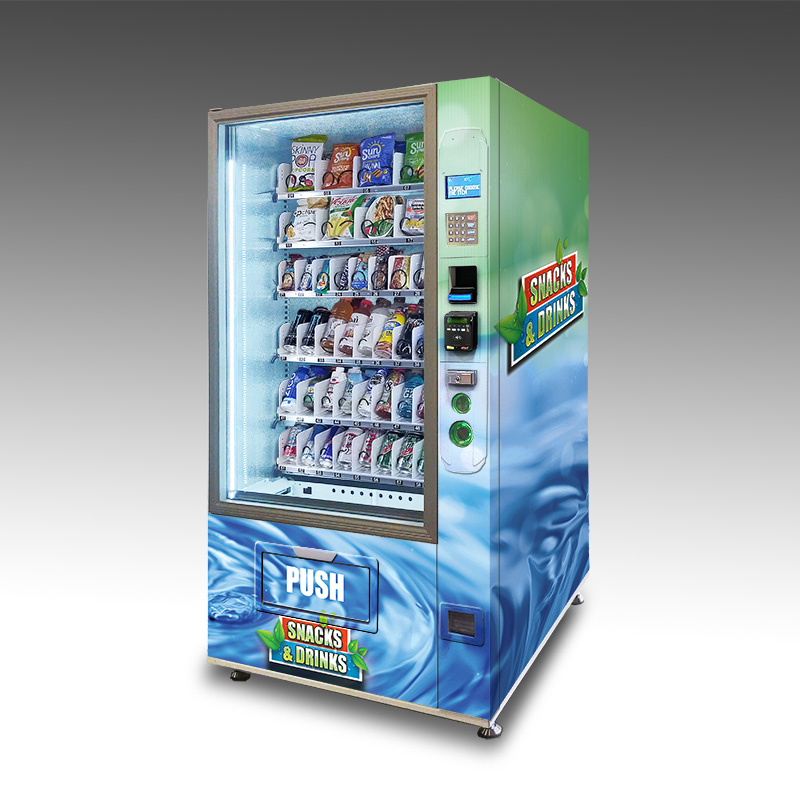
The mini vending machine concept is revolutionizing consumer convenience. These small machines fit into compact spaces and offer quick access to snacks, drinks, and essential items. As urban living becomes denser, people crave efficiency. Mini vending machines cater to that need with ease.
Recent trends highlight a shift towards healthier options. Customers are more health-conscious now. They seek nutritious snacks and beverages when they’re on the go. The rise of contactless payment is also noteworthy. It enhances convenience and speeds up transactions, accommodating busy lifestyles.
However, not all trends are flawless. Some machines struggle to maintain stock accurately. This leads to customer frustration. Additionally, the selection of items might not appeal to everyone. Businesses must continually assess which products work best. A balance is necessary to enhance user experience while maximizing revenue.
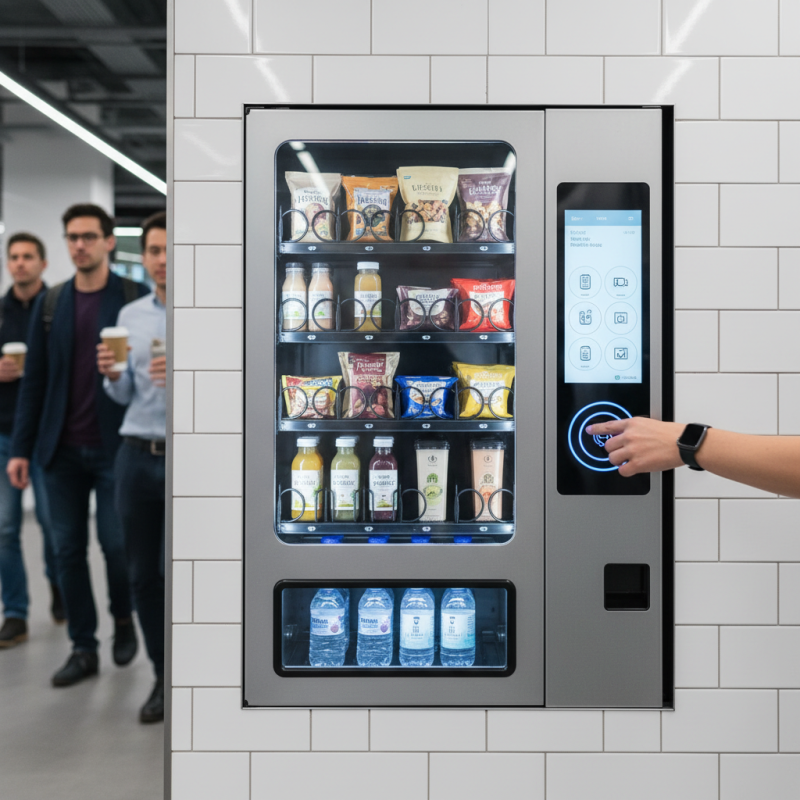
Mini vending machines are evolving rapidly. One significant trend is the advancement of smart technology within these compact units. These machines are now equipped with touch screens and cashless payment options. Users can effortlessly make purchases using mobile wallets. This convenience is appealing, especially in busy environments like offices and schools.
The integration of smart technology also provides valuable data for operators. They can monitor sales in real-time and track inventory levels. This information helps in restocking efficiently and reducing waste. However, challenges arise with the reliance on technology. Regular maintenance is crucial to avoid downtime.
Moreover, privacy concerns are often overlooked. As these machines collect user data, transparency about data protection becomes vital. Ensuring user trust is a growing responsibility for operators. Balancing smart innovation and ethical practices will be essential for future success.
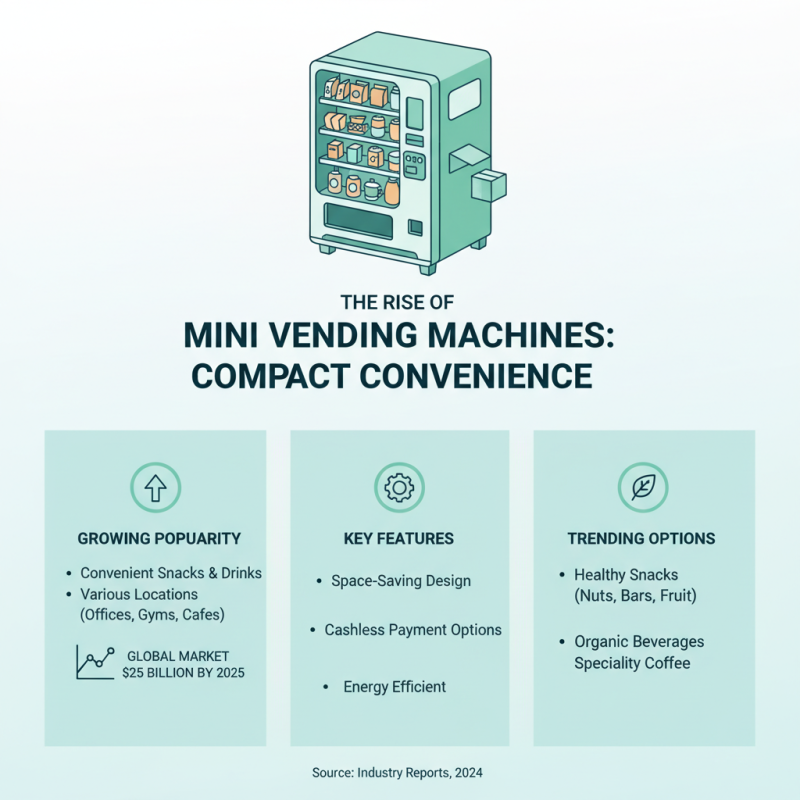
Mini vending machines are increasingly popular in various locations. They offer a convenient way for consumers to access snacks and beverages. According to industry reports, the global vending machine market is expected to reach $25 billion by 2025. The rising demand for healthy options influences the products available in these compact machines.
Popular snacks found in mini vending machines include nuts, granola bars, and dried fruit. These items cater to health-conscious consumers. Additionally, beverages such as bottled water and natural juices are also trending. In recent surveys, 64% of consumers prefer healthier snacks over traditional junk food. This shift reflects an evolving mindset towards nutrition and wellness.
**Tip:** Always choose locations with high foot traffic for your mini vending machines.
It is important to note that stocking trends can differ greatly based on regional preferences. However, some products might not sell well due to insufficient market research. Therefore, regularly updating the inventory based on sales data is essential.
**Tip:** Monitor customer feedback to adjust your offerings. Engage them to learn their preferences.
Another aspect to consider is the placement of snacks. A cluttered layout might confuse customers. Clear labeling and organization can significantly improve sales.
Mini vending machines are experiencing a shift toward sustainability and eco-friendliness. These machines now focus on reducing waste and promoting reusable products. Many mini vending machines feature snacks packaged in biodegradable materials. This change is crucial as consumers increasingly demand eco-conscious options. They want convenience without compromising the planet.
Energy efficiency is another growing trend. Solar panels can now power some mini machines. This innovation reduces reliance on traditional electricity sources. However, there are still challenges in ensuring consistent energy supplies. Some locations may not have reliable sunlight, limiting where these machines can be placed.
Additionally, the selection of products is changing. Many mini vending machines now offer local and organic options. This focus supports small businesses and reduces carbon footprints. Yet, sourcing local products can be challenging for some operators. Not every area has access to these resources. Balancing profit and eco-consciousness remains a work in progress for many in the industry.
| Trend | Description | Benefits | Implementation |
|---|---|---|---|
| Eco-Friendly Products | Offering organic, recyclable, and biodegradable products. | Reduces environmental impact and appeals to conscious consumers. | Source products from sustainable suppliers. |
| Energy Efficiency | Utilizing energy-efficient machines that consume less power. | Lower energy costs and reduced carbon footprint. | Invest in machines with ENERGY STAR ratings. |
| Digital Payment Options | Integrating contactless and mobile payment systems. | Convenient for users and can increase sales. | Update vending machines with cashless payment modules. |
| Smart Technology | Incorporating IoT for inventory management and user interaction. | Improves efficiency and user experience. | Implement sensors and software for data tracking. |
| Customized Offerings | Allowing users to personalize their purchases. | Increases customer satisfaction and loyalty. | Integrate user-friendly interfaces for selections. |
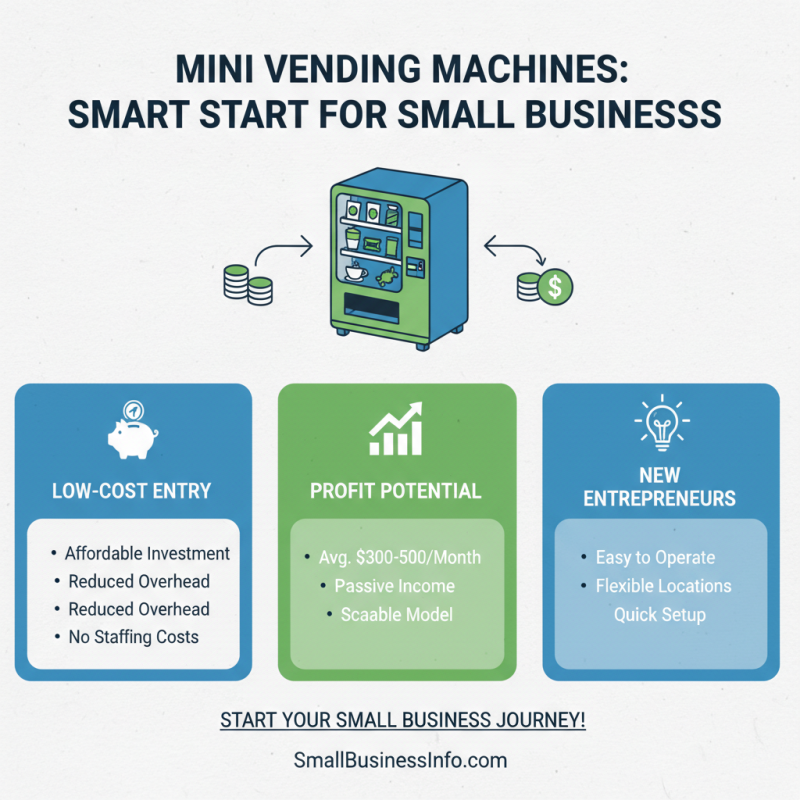
Mini vending machines are becoming popular among small businesses. They offer a low-cost entry into retail. Reports indicate that mini vending machines can generate an average of $300 to $500 per month. This is attractive for new entrepreneurs looking to start small.
However, there are downsides. Maintenance can be a hassle, often requiring regular restocking and cleaning. Many users report issues with machine malfunctions, leading to lost sales. The small size limits inventory choices, which may not cater to all customer preferences. It’s essential for business owners to consider these factors.
Despite the challenges, the appeal of mini vending machines is growing. They allow for flexibility in location placement. Businesses can operate in offices, schools, and gyms. According to recent surveys, around 40% of consumers prefer snacks from vending machines over traditional stores. This shift is something small business owners should ponder carefully.
Mini vending machines are changing how we shop. They offer quick access to snacks and drinks. Placing these machines in various locations makes it easier for people to grab what they need. Imagine working late and not wanting to leave your desk. A mini vending machine nearby provides a quick solution.
These machines influence how we behave as consumers. They offer convenience but might lead to impulsive buying. You may find yourself snacking more often simply because the options are there. Additionally, the immediate availability can overshadow healthier choices. It is essential to reflect on buying habits driven by convenience rather than necessity.
Over time, the presence of mini vending machines may also alter our expectations. People start to expect instant gratification. This shift can make traditional shopping feel cumbersome. While these machines enhance convenience, they can also change our relationship with food and snacks. Awareness is crucial in maintaining a balanced approach to consumption.
This chart illustrates the trends in consumer interest towards different products offered by mini vending machines. Health snacks lead the way with 25%, followed by beverages at 20%. These insights can help vendors tailor their stock according to consumer preferences, promoting convenience and enhancing the shopping experience.