What Is Moisturizing Dish Soap and How Does It Work?
Moisturizing Dish Soap is designed to clean cookware while feeling less drying on hands than some traditional dish liquids. The name can sound like a promise, but formulas differ. Most rely on surfactants, ingredients that loosen grease and food residue so water can rinse them away. Some also include glycerin or other conditioning ingredients. These may improve how the soap feels during washing, but they do not turn a rinse-off product into hand cream. That matters.
A bottle’s label offers clues, not guarantees. Ingredients, fragrance, washing habits, water temperature, and personal skin sensitivity can all affect comfort. For example, hot water and repeated sinkfuls of dishes may leave hands feeling tight, even when the soap is marketed as moisturizing. Not always. To compare products, look for clear ingredient information and consider how your hands feel after several ordinary washes, rather than relying on one use. Gloves can help reduce contact with detergent and hot water, especially during longer chores. If irritation persists, stop using the product and seek professional advice. The useful question is not simply whether a soap says “moisturizing,” but how its cleaning ingredients and added conditioners work together in everyday use. One caveat: comfort is personal, and a gentle-sounding label cannot predict everyone’s experience.
What Moisturizing Dish Soap Is
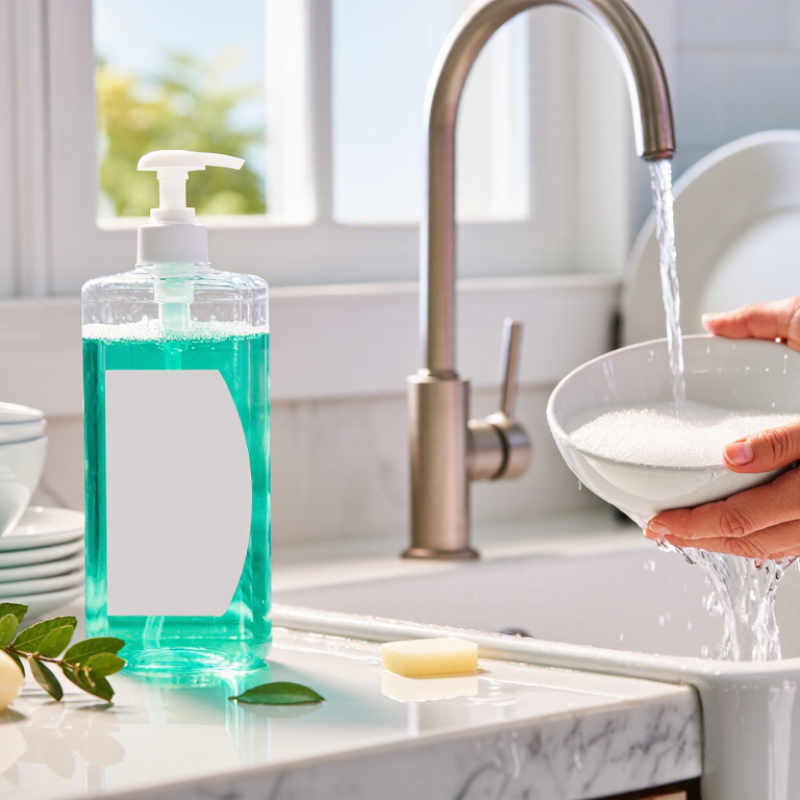
Moisturizing Dish Soap is a dishwashing liquid designed to cut food residue. It also contains ingredients intended to reduce the dry feeling some people notice after washing. These may include glycerin or other humectants, which attract water, and conditioning agents that can leave skin feeling smoother. Surfactants still do the cleaning. They loosen grease and lift particles from plates, pans, and glasses so water can rinse them away. On a greasy skillet, warm water and a little extra washing time may help. Not magic.
“Moisturizing” describes the formula’s intended skin feel; it does not make dish soap a hand lotion. Frequent contact with water, detergent, and hot temperatures can still remove skin oils, especially for people with sensitive or dry skin. That matters at the sink. Some formulas may feel gentler, but results vary with the ingredients, water temperature, washing time, and individual skin. Even the same soap can feel different during a long cleanup. Check the ingredient list if you know certain ingredients bother you, and rinse dishes thoroughly. If your hands feel tight afterward, a separate fragrance-free moisturizer may help. Dish soap is for dishes.
How Its Cleansing Agents Lift Grease and Food Residue
What Is Moisturizing Dish Soap and How Does It Work?
How Its Cleansing Agents Lift Grease and Food Residue
Dish soap works through surfactants, molecules with water-attracting and oil-attracting ends. As you scrub a greasy pan, the oil-attracting ends cling to fat and loosen it from the surface. The water-attracting ends help suspend the soil, so rinsing can carry it away. Small clusters called micelles help keep grease dispersed instead of letting it settle back. Tiny bubbles are not the cleaning action by themselves. Warm water and steady friction help.
Moisturizing formulas may include glycerin or other skin-conditioning ingredients to reduce a dry, tight feeling. They do not replace hand moisturizer, and skin responses vary. Still, the word “moisturizing” can sound more protective than it is. Frequent washing may irritate sensitive hands. Not quite a skin shield. The results also depend on water hardness, the type of food residue, and the formula; treating every greasy pan alike may oversimplify things.
Tips: Scrape off thick food first. Add a small amount of soap to warm water, then scrub oily areas with a sponge or brush. Rinse until the surface no longer feels slick. If grease remains, repeat rather than pouring in much more soap. More suds do not always mean cleaner dishes. Use gloves if washing leaves your hands uncomfortable.
What Is Moisturizing Dish Soap and How Does It Work? - How Its Cleansing Agents Lift Grease and Food Residue
| Feature or ingredient type | How it works | Role in cleaning | What “moisturizing” means |
| Surfactants | Surfactant molecules have water-attracting and oil-attracting parts. They help water spread across a surface and loosen oily soil; some surround oil droplets so they can be carried away in rinse water. | Lift and disperse grease, cooking oil, and oily food residue from dishes. | Surfactants do the main cleaning. Their presence does not by itself mean a product moisturizes skin. |
| Water | Acts as the liquid base and helps distribute ingredients over dishes. Dilution during washing allows loosened soils to be rinsed away. | Carries dissolved and suspended residue off surfaces during rinsing. | Water is needed for washing, but repeated wetting and drying can contribute to dry-feeling hands. |
| Humectants or skin-conditioning ingredients | Depending on the formula, ingredients such as glycerin may help attract or retain water in the outer layer of skin when used in suitable products. | Usually support the product’s feel or skin-contact profile rather than remove grease from dishes. | May help hands feel less dry for some users, but the effect varies by formula and does not guarantee prevention of dryness or irritation. |
| Solvents and other supporting ingredients | Some formulas use supporting ingredients to help dissolve, distribute, or stabilize other components. The ingredients used vary by product. | Can assist cleaning performance, product stability, or ease of use; their specific role depends on the formulation. | They are not necessarily moisturizers. Check the product label for ingredient and use information. |
| Agitation and rinsing | Rubbing with a sponge or brush helps detach food particles. Running water then carries loosened soil and diluted detergent away. | Mechanical action works together with surfactants to remove both greasy films and non-greasy residue. | Wearing gloves can reduce direct contact with detergent and frequent water exposure, which may help limit hand dryness. |
| Use and skin-care note | Dish soap is formulated primarily for washing dishes. Follow the directions on the product label and rinse dishes thoroughly. | Using an appropriate amount and rinsing well helps remove detergent and loosened residue from dish surfaces. | “Moisturizing” is a product description, not a promise that hands will never become dry or irritated. Stop use if irritation occurs. |
The exact ingredients and effects differ among formulas. Consult the product label for ingredient details and directions.
How Moisturizing Ingredients Help Reduce Skin Dryness
What Is Moisturizing Dish Soap and How Does It Work?
Moisturizing dish soap cleans grease while adding ingredients intended to limit that tight, dry feeling. Glycerin is a humectant: it attracts water to the outer skin layer. Oils and emollients can help soften rough patches by filling spaces between skin cells. Meanwhile, cleansing surfactants lift food oils from plates—and can also remove some of the skin’s natural surface lipids. So “moisturizing” does not mean irritation-proof. The effect depends on the formula, water temperature, washing time, and your skin.
Repeated exposure matters. EU-OSHA guidance identifies wet work as a concern when hands are wet for more than two hours per shift, gloves are worn for more than two hours, or hands are washed at least 20 times a day. These are workplace risk criteria, not proof that dish soap alone causes dryness. Still, they show why frequent dishwashing can leave knuckles rough and fingertips tight. A moisturizing formula may help, but it cannot fully replace the skin barrier’s lost oils. That distinction is easy to overlook.
Tips: Use lukewarm water, rinse soap from your hands, and pat them dry rather than rubbing. Apply a fragrance-free cream afterward, especially around the nails and knuckles. If redness or cracking persists, consider another formula or seek advice from a dermatologist. A gentler soap helps, though it may not solve everything.
Common Ingredients and Their Functions
Moisturizing dish soap combines cleaning agents with ingredients intended to reduce the dry feel some people notice after washing. Surfactants loosen grease and food residue, then help carry them away with rinse water. They do the main cleaning work. Glycerin is a humectant, which helps attract and retain water near the skin’s surface. Some formulas also contain conditioning agents, such as small amounts of oils, to leave hands feeling less tight.
Preservatives help keep the product stable during use, while pH adjusters help maintain its intended acidity or alkalinity. Fragrance may improve the scent, but it can bother sensitive skin. Ingredient lists vary, and “moisturizing” does not mean a soap will prevent dryness for everyone. The amount and type of conditioning ingredients matter, as do washing frequency and water temperature. One detail is easy to overlook: dish soap is designed to clean dishes, not replace hand cream. Labels can help, but they do not predict exactly how your skin will react.
Tips: Use lukewarm water and rinse soap from your hands fully. Pat dry rather than rubbing, then apply hand cream if your skin feels tight. If irritation appears, stop using the product and check its ingredient list. Even a familiar formula can feel different during frequent washing.
What Is Moisturizing Dish Soap and How Does It Work?
Common ingredients and their functions in a typical liquid dish-soap formula
Surfactants loosen grease so it can be rinsed away. Humectants such as glycerin bind water and may help reduce a dry-feeling after-wash sensation; they do not prevent all skin dryness. The ranges shown are approximate formulation examples, vary by product, and are not intended to add up to 100%.
How to Choose and Use Moisturizing Dish Soap Safely
Choose moisturizing dish soap by reading the full label, not just the word “moisturizing.” Look for clear directions, fragrance disclosure, and ingredients you know your skin tolerates. Glycerin or other humectants may reduce that tight, dry feeling, but they do not make detergent harmless. The U.S. EPA’s Safer Choice program reports that more than 2,000 products have earned its label after ingredient review; check its current list for dishwashing options. A label is useful, not a guarantee against irritation. I still find that easy to overlook.
Use lukewarm water and the smallest amount that cleans the dishes. Wear reusable gloves if your hands become red, itchy, or cracked, and rinse dishes thoroughly. Avoid mixing dish soap with bleach or other cleaners; combinations can create hazardous fumes. Keep the bottle in its original container, away from children, and follow its stated first-aid directions after accidental contact. If irritation continues after you stop using the product, seek medical advice. A “gentle” claim can sound reassuring, but your own skin’s response matters more.