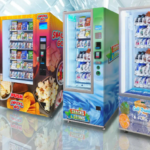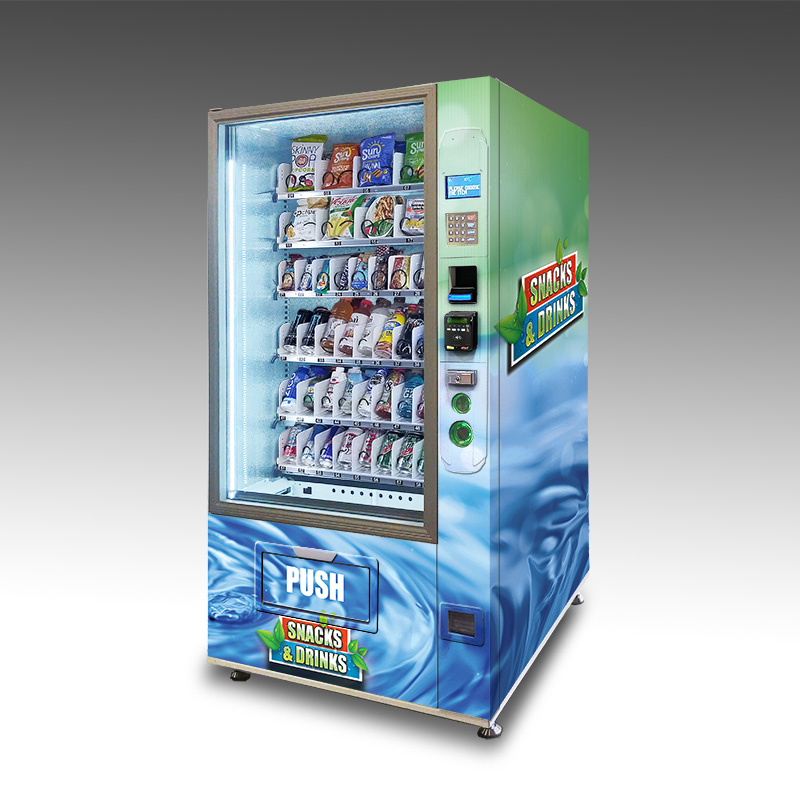
In today’s fast-paced world, the demand for convenience has skyrocketed. Small vending machines have emerged as a viable solution for businesses looking to boost revenue. As noted by industry expert John Thompson, "Small vending machines are game changers for entrepreneurs." Thompson emphasizes that these machines offer flexibility and accessibility to consumers.
Small vending machines can serve a variety of products, from snacks to healthy options. Businesses can tailor their offerings to meet customer preferences. With the right selection, a small vending machine can generate significant profit. However, careful planning and location scouting are crucial for success. Many business owners may underestimate these factors, leading to poor placements and unsatisfactory results.
Adopting a small vending machine into your business model can be rewarding, yet it requires thoughtful consideration. Owners must reflect on their target market and the space they have available. Even with a clear vision, one initial mistake can lead to challenges. A careful approach ensures that small vending machines become effective tools in enhancing business growth.
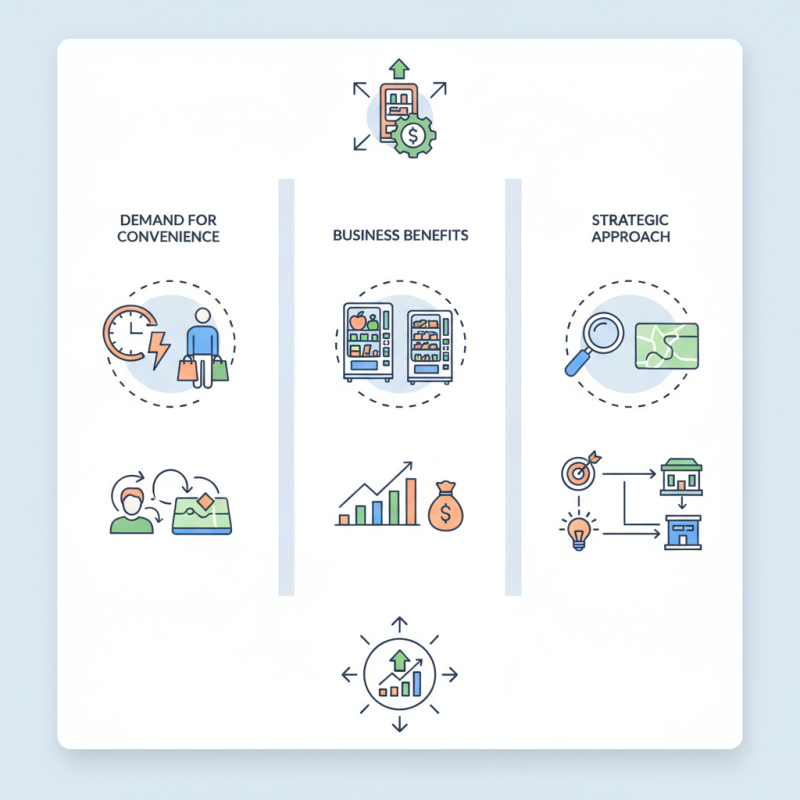
Small vending machines offer significant advantages for small business owners. With the U.S. vending machine industry valued at approximately $23 billion in 2021, these machines capture a growing market. They serve as a low-cost investment, providing passive income with minimal maintenance. This can be particularly appealing for entrepreneurs seeking to expand their revenue streams yet maintain lower overhead costs.
Businesses can benefit from increased foot traffic as these machines cater to on-the-go customers, particularly in high-traffic areas. According to a report by IBISWorld, small vending machines can generate up to $5,000 in monthly revenue when strategically placed. They require only a small space, making them perfect for storefronts, gyms, and schools.
Tip: Regularly stock popular items based on seasonal trends. Consistently updating offerings can boost sales and keep customers engaged.
Engagement is crucial. Consider incorporating digital payment options, as 60% of consumers prefer cashless transactions. While vending machines can streamline sales, poor product choices can lead to losses. Observing customer preferences is essential.
Tip: Conduct surveys to determine what items your customers want. Effective market research will enhance your vending strategy and ensure you meet demand.
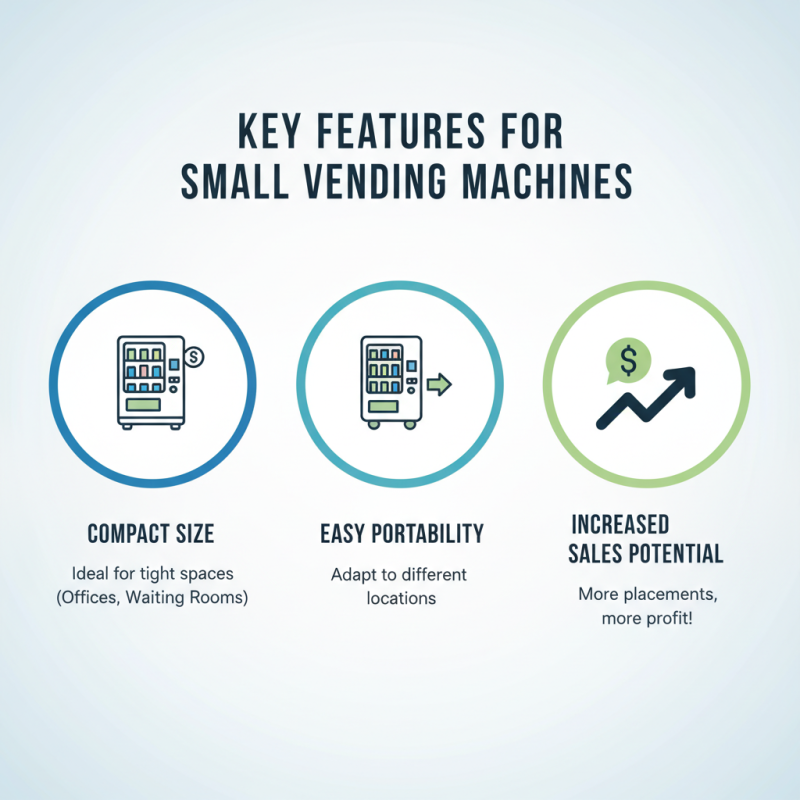
When selecting small vending machines for your business, certain key features are essential. One crucial aspect is size. Smaller models are ideal for tight spaces. They fit well in offices or waiting rooms. Additionally, portability matters. A machine that is easy to move can adapt to different locations, increasing potential sales.
Another important feature is payment options. Machines with versatile payment systems attract more customers. Options like credit cards or mobile payments improve convenience. Next, consider product variety. A machine offering snacks, drinks, and even healthy choices caters to diverse preferences. Variety keeps customers coming back for more.
Finally, think about user-friendly interfaces. Simple layouts ensure customers can easily navigate their choices. Machines that require less maintenance also reduce downtime and frustrations. Yet, some designs may seem too complex at first glance. Regular evaluations of these aspects can lead to better selections. Understanding customer needs is vital. Balancing these features will help boost your business effectively.
Choosing the right small vending machines can greatly enhance your business offerings. These machines are versatile and cater to various needs. Whether you want snacks, drinks, or healthy options, small vending machines can meet those demands. They take up less space, making them suitable for tight locations.
Consider the type of products you wish to sell. Some machines excel at dispensing hot beverages, while others are designed for chilled snacks. It's essential to assess customer preferences in your area. Think about where to place these machines for maximum visibility. Sometimes, locations that seem less ideal can surprise you.
Maintenance of vending machines is another important factor. Regularly restocking and cleaning machines shows customers you care. Machines that are frequently out of stock can lead to lost sales. It's vital to remain proactive. An empty machine can drive customers away. Strive for consistency and reliability. Investing time in these areas can yield better long-term profits.
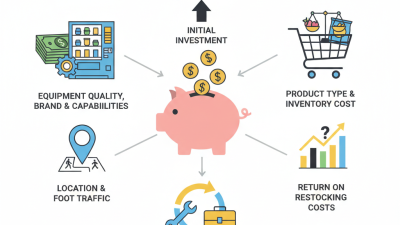
Small vending machines have become a popular choice for entrepreneurs looking to enter the retail sector with minimal initial investment. Their cost-efficiency and profit potential make them an attractive option. These machines require less space than traditional vending options, allowing placement in high-traffic areas such as offices or schools. This can lead to steady foot traffic and increased sales over time.
Tips for maximizing profit include selecting popular items that appeal to your target audience. Consider offering healthier snack alternatives or beverages. Monitoring sales trends can help you adjust your inventory frequently. Remember, location matters. A great spot can drive sales, but a less strategic choice can leave you struggling.
While the initial expenses are lower, there are ongoing costs to consider. Regular maintenance and restocking demand time and financial resources. It's essential to evaluate your operating costs and potential revenue regularly. These machines are not a guaranteed way to wealth; they require thoughtful management and market analysis. Keeping a close eye on profits versus expenses is crucial for sustainable growth in your vending venture.
This chart illustrates the profit potential of various small vending machine types, highlighting their cost-efficiency and appeal in diverse markets.
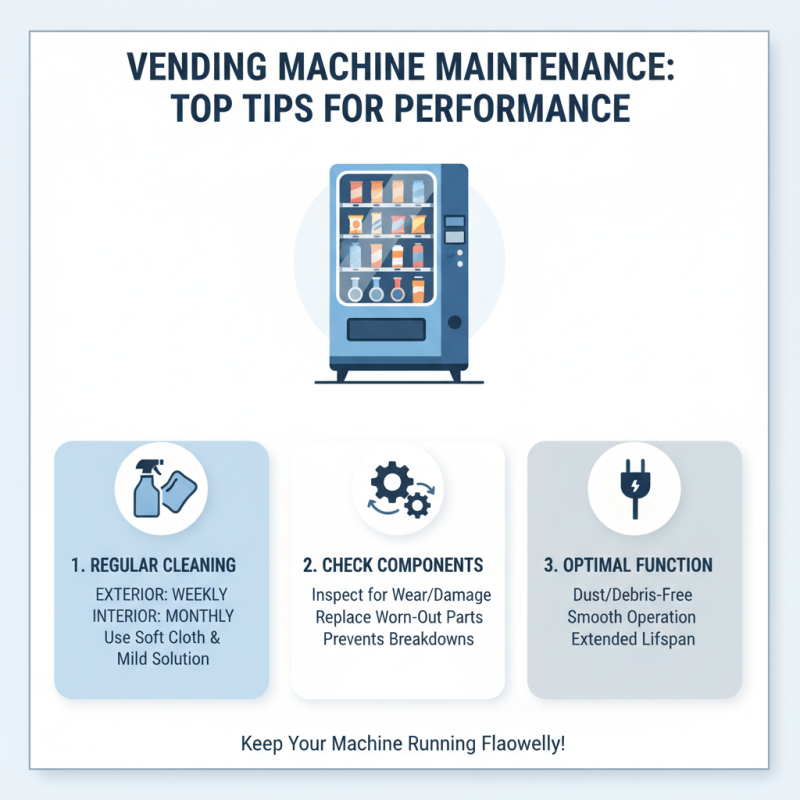
Maintaining a vending machine is vital for its success. Regular cleaning can significantly enhance performance. Dust and debris can accumulate, affecting the machine's functionality. Cleaning the exterior weekly and the interior monthly is a good practice. Use a soft cloth and appropriate cleaning solution. Check and replace worn-out components to prevent breakdowns.
Monitoring inventory is crucial. Always keep an eye on stock levels. An empty machine can lead to dissatisfied customers. Keep popular items well-stocked, but also rotate products to avoid stale inventory. It's essential to listen to customer feedback. If certain items aren't selling, consider replacing them with new options that could attract interest.
Finally, don't overlook the importance of proper placement. A well-placed machine can see higher traffic. Hot locations include schools, gyms, and office buildings. Evaluate foot traffic in various areas before setting up. By focusing on these areas, you can improve sales and gain valuable experience to refine your strategy over time.