Top 10 Smart Vending Innovations Transforming Modern Retail?

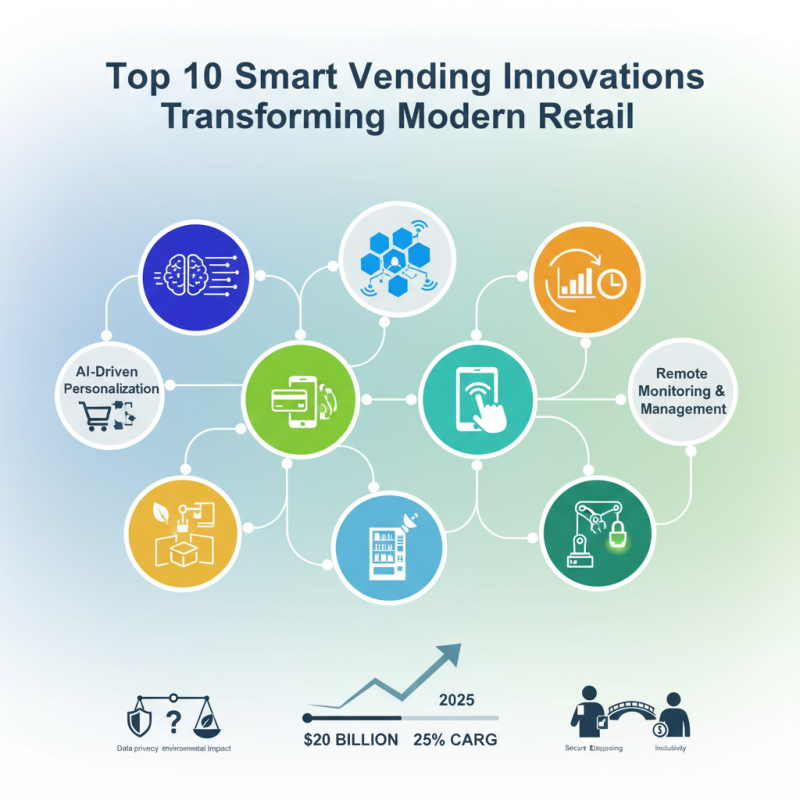
The retail landscape is rapidly evolving, driven by technological advancements. One significant innovation is smart vending. According to a recent report from MarketsandMarkets, the global smart vending machine market is expected to reach $20 billion by 2025, growing at an impressive CAGR of 25%. This surge reflects changing consumer preferences and demands for convenience.

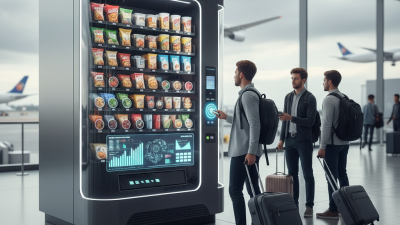
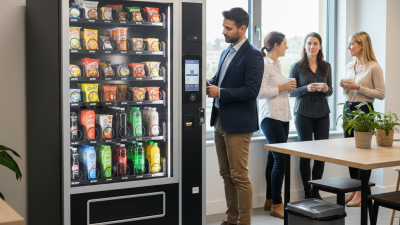
Smart vending machines offer more than just snacks and drinks. They integrate advanced technologies like artificial intelligence and IoT, enabling personalized user experiences. For instance, some smart vending machines can analyze customer data to suggest popular items. However, these innovations raise questions about data privacy and their environmental impact. While efficiency is essential, it is crucial to address these challenges.

Furthermore, the rise of cashless payments in smart vending disrupts traditional retail norms. The convenience of mobile payment options appeals to tech-savvy consumers. Yet, not all individuals are comfortable with these systems, highlighting a gap in accessibility. As smart vending continues to transform modern retail, businesses must reflect on balancing innovation with inclusivity.
Top 10 Smart Vending Innovations Transforming Modern Retail?

The Evolution of Vending Machines in Retail Technology

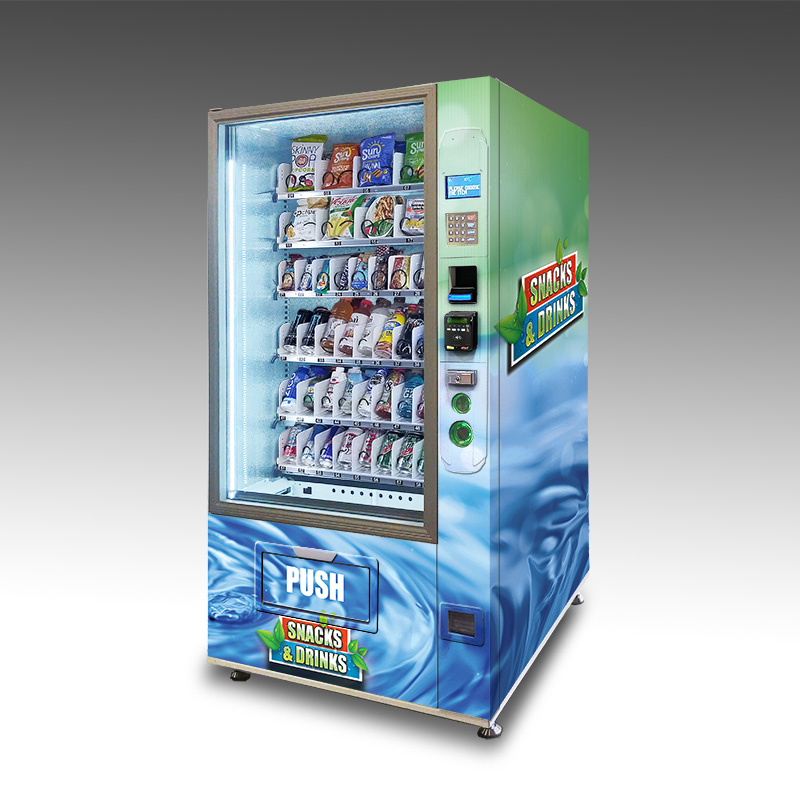
The evolution of vending machines reflects broader trends in retail technology. In recent years, vending machines have transformed from simple snack dispensers to sophisticated retail solutions. Research from Allied Market Research suggests the global vending machine market is projected to reach $25 billion by 2027, growing at an annual rate of around 10%. This shows a shift towards convenience and automation.

Modern vending machines now feature touchless payment options and smart inventory systems. Many utilize IoT technology to track stock levels and manage restocking efficiently. For example, a recent study indicated that over 70% of consumers prefer cashless transactions. Smart machines can analyze purchasing habits and adapt to consumer preferences. Yet, the technology is not without flaws. Connectivity issues can disrupt operations, leading to customer dissatisfaction.

Additionally, many machines struggle with user experience. Some designs are not intuitive. This oversight can frustrate users who expect convenience. Despite advancements, the journey toward a fully optimized vending experience requires ongoing refinement. Addressing these challenges is crucial for the future success of vending in the retail landscape.
Top 10 Smart Vending Innovations Transforming Modern Retail

Interactive Touchscreen Displays Enhancing User Experience

Interactive touchscreen displays are revolutionizing vending machines in retail. These displays engage users and facilitate seamless transactions. According to industry reports, 30% of consumers prefer touchscreen interfaces for shopping. This preference highlights the shift towards tech-driven retail solutions.

With these displays, businesses can showcase dynamic advertisements. They can adapt based on user interactions. This adaptability may increase sales by 50%. Users enjoy personalized experiences. However, some machines still face technical issues, leading to frustration. It's essential to test screens in various environments.

Here are some tips for retailers considering this technology: Ensure the touchscreen is user-friendly. Provide clear instructions to minimize confusion. Monitor performance regularly. Address any technical glitches swiftly to maintain customer satisfaction. Ultimately, while these innovations can enhance retail, constant adaptation and improvement are critical to success.

Top 10 Smart Vending Innovations Transforming Modern Retail

Innovation Description Key Features Benefits
Interactive Touchscreen Displays User-friendly interface for product selection and information. Multi-language support, product videos, and promotions. Improves customer engagement and satisfaction.
Cashless Payment Options Facilitates quick and secure transactions. Supports mobile wallets and contactless payments. Reduces transaction time and enhances customer convenience.
AI-Powered Inventory Management Real-time tracking of stock levels and sales data. Predictive analytics for restocking. Minimizes stockouts and reduces waste.
Personalization Algorithms Customizes offers based on user preferences. User login and profile management. Enhances customer loyalty and sales.
Augmented Reality Experiences Interactive product demonstrations via AR. Visual overlays and engaging content. Increases product interest and customer interaction.
Remote Monitoring and Control Management of vending machines from afar. IoT connectivity and data analytics. Improves operational efficiency.
Sustainable Vending Solutions Eco-friendly machines and packaging. Solar panels and biodegradable products. Supports environmental sustainability.
Health and Wellness Options Healthy snack and drink selections. Nutritional information and portion control. Caters to health-conscious consumers.
Gamification Features Incorporates games to win discounts or free products. Interactive and fun user experience. Boosts customer engagement and repeat visits.
Voice-Activated Vending Allows users to order using voice commands. Voice recognition technology integrated. Enhanced accessibility and convenience.

Smart Inventory Management Systems in Vending Machines

Smart inventory management systems are changing the landscape of vending machines. These systems allow for real-time tracking of stock levels, reducing waste and optimizing sales. According to a study by the International Vending Alliance, machines with smart inventory see a 30% increase in efficiency. This is crucial in a rapidly changing retail environment, where consumer preferences shift quickly.

Smart systems also analyze purchasing patterns. By understanding what items are popular, operators can adjust their offerings. However, challenges remain. Sometimes data can be inconsistent, leading to overstocking or understocking issues. In a recent survey, 45% of vending operators reported difficulties interpreting data. This highlights a need for better analytics tools in the marketplace.

Furthermore, implementing these technologies requires upfront investment. Many operators question if the returns will justify the costs. A recent market analysis indicated that the payback period for smart vending systems could span two to three years. Operators must weigh these factors carefully. Optimizing inventory without clear insights can lead to financial setbacks, making it essential to evolve and adapt continuously.

Mobile Payment Solutions Revolutionizing Vending Transactions

Top 10 Smart Vending Innovations Transforming Modern Retail?

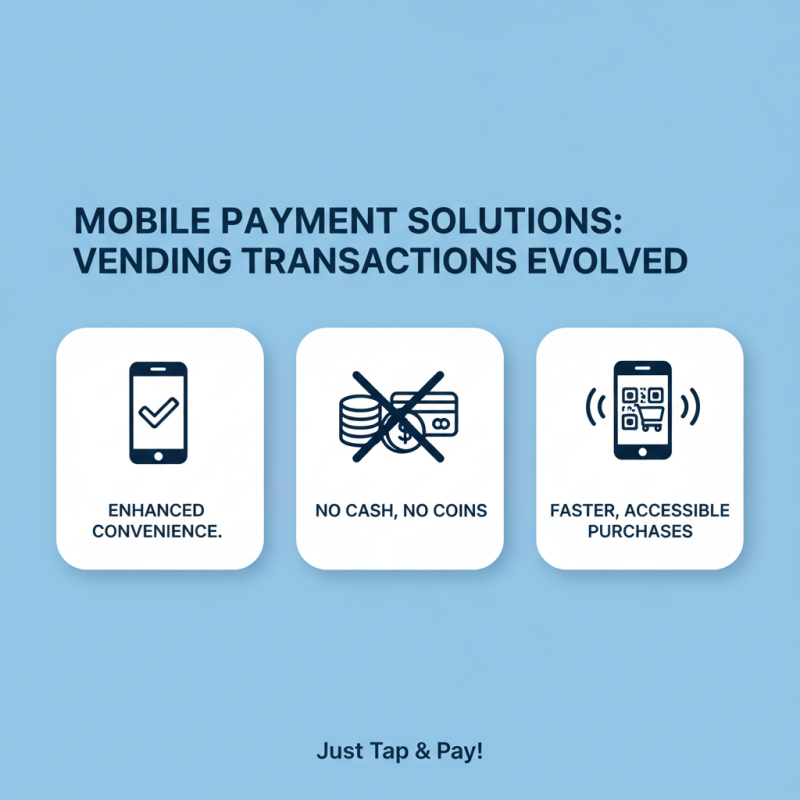
Mobile payment solutions are reshaping vending transactions in exciting ways. These innovations enhance convenience for users. No more searching for coins or carrying cash. Just a smartphone app, and you're ready to buy. This digital shift makes vending machines more accessible.

The user experience is critical. Many machines now support contactless payments. A simple tap completes the purchase. Yet, some consumers still hesitate to adopt these technologies. Trust is a significant factor. Security concerns can deter people from using mobile payments. Addressing these fears is essential for broader acceptance.

However, not all vending machines are equipped for these changes. Some are outdated, lacking modern payment options. This gap can frustrate tech-savvy customers looking for efficiency. Maintenance and upgrades are vital to keep up with trends. Retailers must invest in new technology to meet consumer expectations. Balancing innovation with reliability remains a challenge.

Personalization and Customer Engagement Through Data Analytics

Top 10 Smart Vending Innovations Transforming Modern Retail?

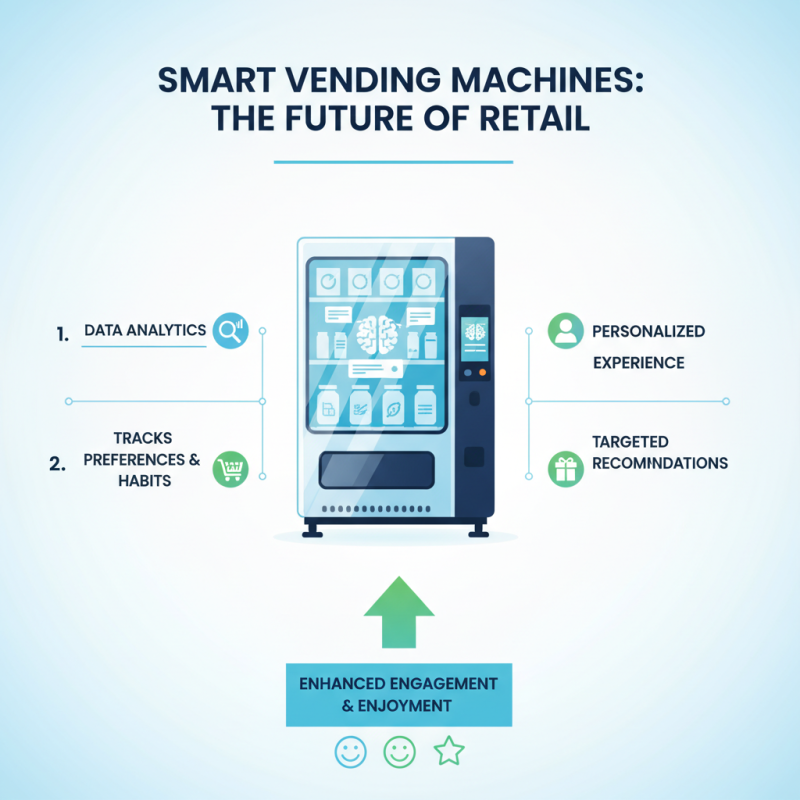
In today’s retail landscape, smart vending machines are revolutionizing how consumers interact with products. By leveraging data analytics, these machines offer personalized experiences to each user. They track customer preferences and purchasing habits, allowing for targeted product recommendations. Imagine a vending machine that suggests snacks based on your previous choices. This level of customization can enhance customer engagement, making shopping more enjoyable.

However, there are challenges that come with these innovations. Not all customer data is perfect or reliable. Sometimes, preferences may change rapidly, and machines may not adapt in real time. Still, the potential for improvement is significant. Retailers can make better decisions based on trends gleaned from data. For instance, if a certain drink becomes popular during summer, machines can adjust stock accordingly.

Engaging customers through personalization is a delicate balance. Too much data collection can feel invasive, leading to privacy concerns. Retailers must find ways to offer value without overstepping boundaries. Striking this harmony will define the future of retail.