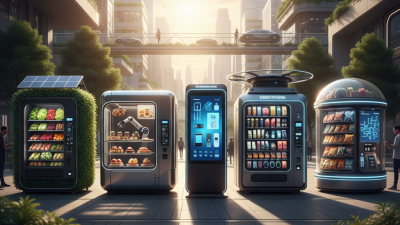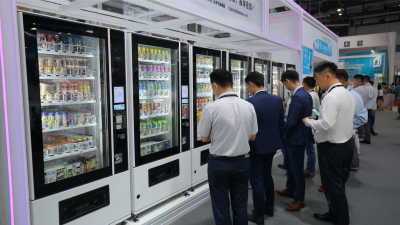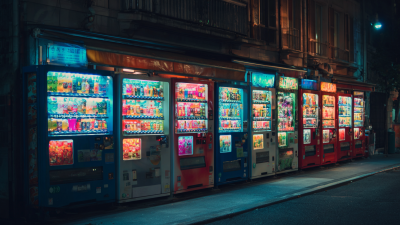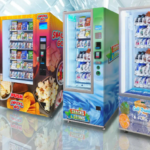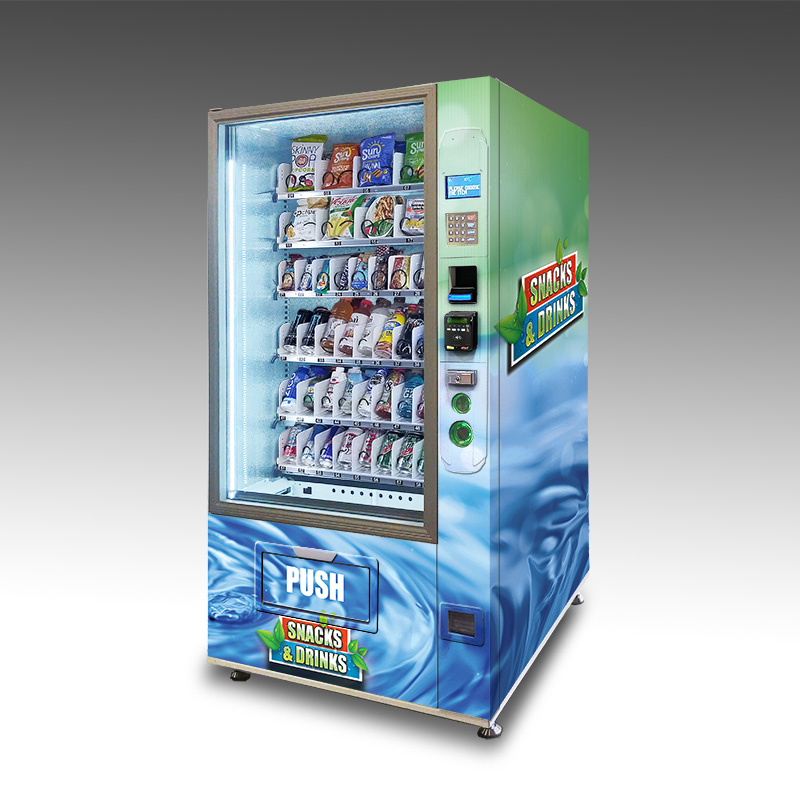
A soda vending machine is a common sight in many public places. It beckons with colorful graphics and a promise of refreshment. These machines offer a quick convenience for anyone in need of a sugary drink. But have you ever wondered how they actually work?
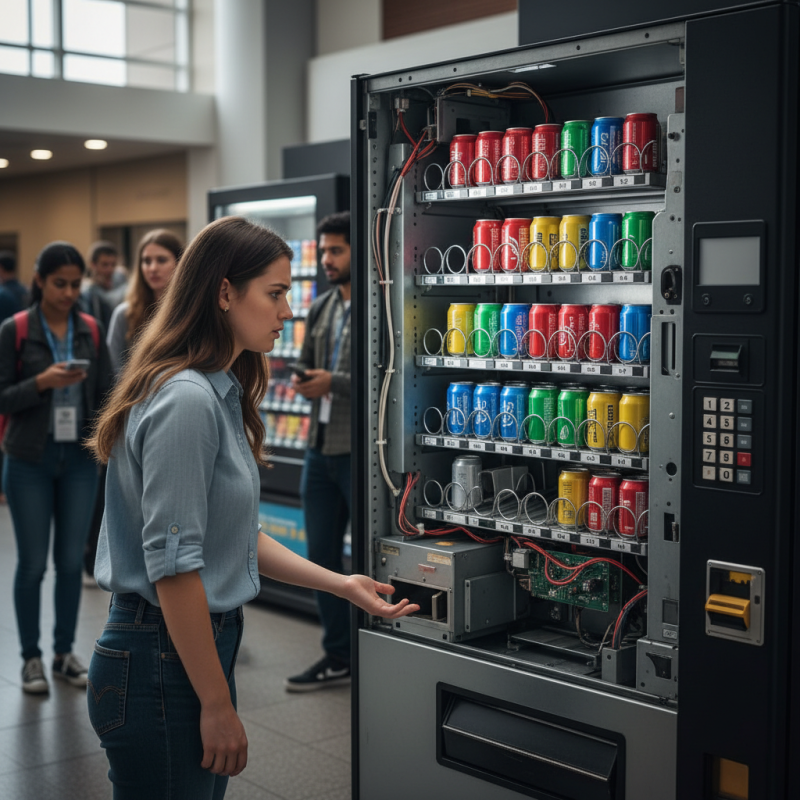
Inside a soda vending machine, a complex system operates quietly. Coins and bills are accepted as payment. Upon selecting a drink, the internal mechanism springs into action. There’s a conveyor belt that pushes your choice toward the dispensing slot. Yet, not every moment is perfect. Machines can jam or malfunction, leaving you frustrated and empty-handed.
Despite their convenience, soda vending machines also raise questions. Are these sugary drinks healthy? Do they promote good habits? While they serve a purpose, it’s wise to reflect on our choices. A soda vending machine is but a small part of our daily decisions.
A soda vending machine is a self-service kiosk that dispenses beverages, typically soft drinks, when a customer makes a selection. These machines have become a familiar sight in public places like schools, offices, and shopping malls. The global vending machine market was valued at over $30 billion in 2022, indicating significant demand for these convenient beverage dispensers.
Most soda vending machines operate on a simple mechanism. Customers insert money, select their drink, and the machine releases the chosen item. Some modern machines accept credit cards or mobile payments, making transactions faster and easier. A study revealed that machines stocked with a variety of products increase sales by around 15%. Machines often include an inventory sensor to monitor stock levels, providing useful data for restocking.
Tips: Keep an eye on the maintenance of the machine. Regular servicing helps prevent jams and improves customer satisfaction. Also, consider the placement of the machine. High-traffic areas can significantly boost sales.
Understanding how these machines work can help businesses. There is a balance between offering popular drinks and healthier options. It’s crucial to adapt to changing preferences. Offering too many choices can overwhelm customers. It’s all about finding the right mix.
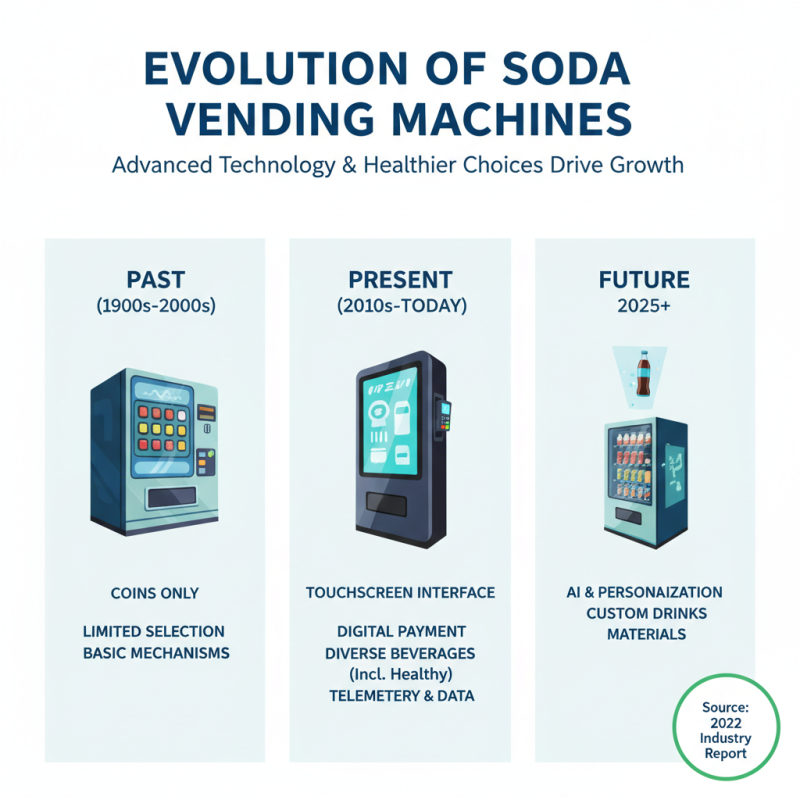
Soda vending machines have a rich history that dates back to the 1880s. The first machines were simple devices that dispensed flavored syrups mixed with water. These early models were often found in train stations or busy public areas. Over time, machines evolved to include refrigeration technology. This advancement allowed sodas to be served cold, transforming the experience for consumers.
As technology progressed, vending machines became more sophisticated. The introduction of coin mechanisms led to greater convenience. Users could now purchase drinks easily. In the 1930s, the first modern vending machine featuring a glass front emerged. This innovation allowed customers to see their options before making a selection.
Tip: When using a vending machine, check for promotional offers. Often, you can get a better deal or a free drink with certain purchases. Also, keep your cash handy. Some machines do not accept cards, leading to frustration. It's worth noting that, despite their convenience, not all machines are well-stocked. Sometimes, you won't find your favorite soda available. This reality can be disappointing. Always have a backup drink in mind just in case!
Soda vending machines are fascinating devices. They serve beverages in a quick and convenient way. Understanding their key components sheds light on their operation.
At the core of a soda vending machine is its product dispenser. This system employs a motorized mechanism to release cans or bottles. Typically, machines can hold around 450 cans. Inside, refrigeration keeps products cold. Adequate cooling is crucial. Studies show that temperature affects consumer purchasing decisions significantly.
Another important component is the payment system. Many machines today accept cash, credit, and mobile payments. Reports indicate that mobile payments increase sales by up to 30%. This is mainly due to convenience.
Tips: Regular maintenance is essential. Machines need to be stocked and cleaned frequently. Perform checks on the payment systems and refrigeration units to avoid downtime. Additionally, assessing product selection based on customer preferences can enhance sales.
While these machines are effective, they do face issues. Stockouts can frustrate customers. Monitoring inventory levels accurately is often overlooked. By improving this, operators can elevate customer satisfaction and boost revenue.
A soda vending machine is an automated device designed to dispense carbonated beverages. These machines have become a staple in schools, offices, and public spaces. They make it easy for consumers to purchase drinks without human interaction. Typically, they accept coins, bills, or card payments. In recent years, the global market for vending machines is estimated to reach over $50 billion by 2027, reflecting their growing popularity.
When a customer approaches a soda vending machine, they select the desired beverage. Each machine is equipped with a keypad or touchscreen interface. The machine identifies the selection and releases the corresponding product from its internal compartments. As many as 100 cans or bottles can be stored inside, depending on the design. According to a report by the Automatic Vending Association, approximately 30% of all vending machine sales are from soda. This highlights the demand for these classic beverages in the vending market.
While soda vending machines are convenient, they also face challenges. Maintenance is crucial for ensuring proper operation and product availability. Sometimes machines malfunction or run out of stock. This can frustrate customers and lead to lost sales. Addressing these issues requires regular checks and quick service responses. Improvements in technology may help reduce these problems in the future, but they remain a concern in the industry.
Soda vending machines have evolved significantly over the years. Modern machines are equipped with advanced technology and features that improve user experience. According to a 2022 industry report, the global vending machine market is projected to reach $7.5 billion by 2025. This growth highlights the demand for machines that cater to consumer preferences, including healthier beverage options.
A common feature in contemporary soda vending machines is touchless payment systems. Users can pay using mobile wallets or contactless cards. This innovation responds to the increased demand for hygiene and convenience. Additionally, many machines offer real-time inventory tracking, ensuring that popular drinks are always available. It's interesting to note that some machines utilize energy-efficient technologies, reducing their environmental impact. However, not all consumers are aware of these eco-friendly options, which could lead to missed opportunities for sustainable choices.
Tip: If you're managing a vending machine, consider conducting regular surveys to understand customer preferences. This can help in selecting the right products. Remember, engaging with your customer base creates a more successful machine setup. Always monitor how frequently items are purchased. This data can inform better stocking practices, although it requires diligence to keep track consistently.