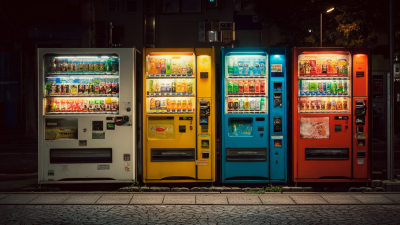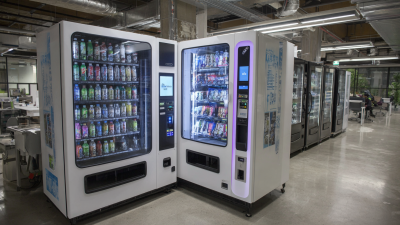
In recent years, the vending business has transformed dramatically. With advanced technology and changing consumer habits, opportunities are flourishing. The vending industry is moving beyond traditional snacks and drinks. People want healthier options and convenience. This shift creates a demand for innovative vending solutions.
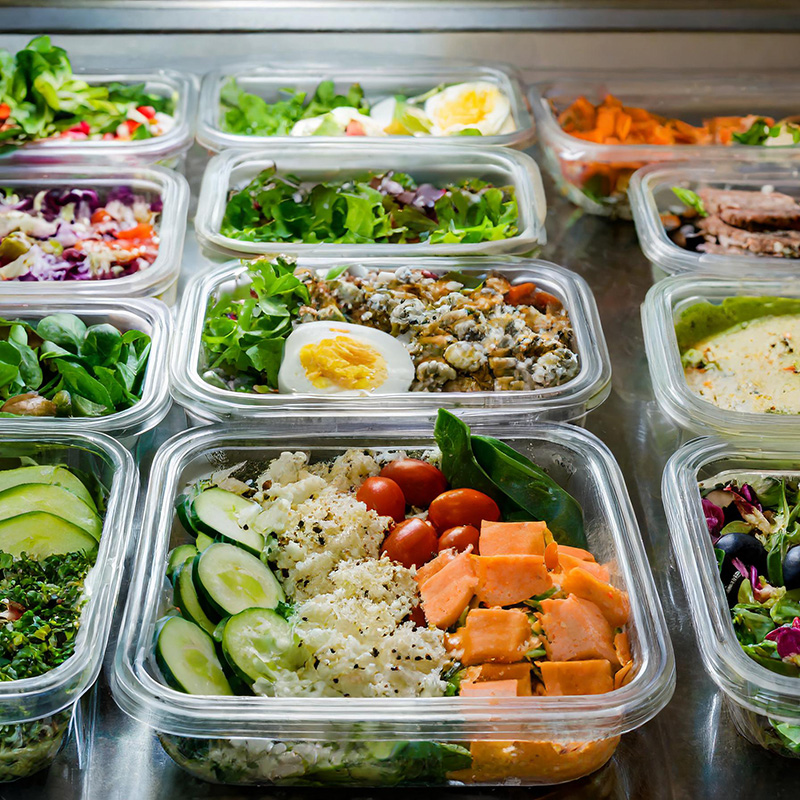
Starting a vending business in 2026 offers a unique chance to tap into this evolving market. Imagine a machine that serves fresh salads or gourmet coffee. Such options attract customers looking for quality. Yet, challenges exist in finding the right locations and managing inventory. Owners must stay adaptable to trends and preferences.
While technology plays a crucial role, there are risks too. Automated systems aren't foolproof. A glitch can cost both time and money. Ultimately, the vending business is not just about selling food. It's about understanding what people want and meeting those needs effectively.
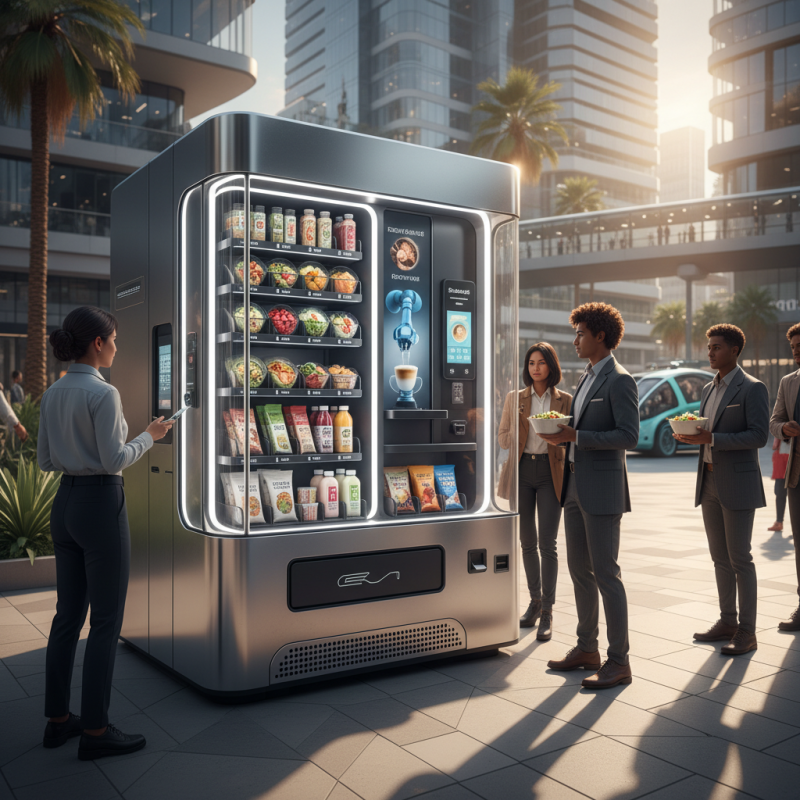
The vending industry is on the rise in 2026. More people are seeking convenience in their busy lives. Vending machines now offer diverse options beyond snacks. Fresh food, drinks, and even tech gadgets are available. This shift attracts new customers.
Technology plays a big role in growth. Smart vending machines use apps for easy access. They allow cashless payments, which are preferred by many. User-friendly interfaces make the experience smoother. However, maintenance can be a challenge. Machines can malfunction, causing frustration.
The market potential is vast but not without risks. Competition is increasing, and not everyone finds success. Location matters; a poor choice can lead to failure. A successful vending business requires research and planning. It’s crucial to adapt to changing consumer habits. Finding the right balance is key.
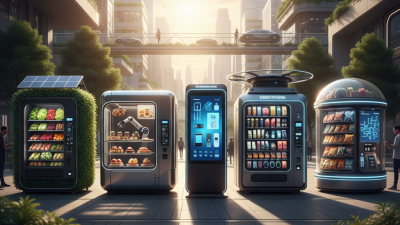
In 2026, vending machines are set to transform. Technological advancements are reshaping how we interact with these devices. Imagine a vending machine that recognizes your preferences. It uses AI to suggest snacks based on what you've bought before. This personalization creates an engaging experience for users.
Touchless features are becoming standard. Customers can make purchases using their smartphones. No need to touch the machine, ensuring cleanliness and safety. Smart technology allows real-time inventory tracking. Vendors can see what’s selling and what isn’t. This data helps in making better stocking decisions.
Still, starting a vending business isn't without challenges. New technology requires upfront investment. Not all machines are equal, and some may require constant updates. The fast-paced tech world means staying relevant is crucial. Regular maintenance is necessary to keep machines running smoothly. The tech must be user-friendly, too. Not everyone is tech-savvy. Balancing technology and ease of use is a constant reflection point for new vendors.
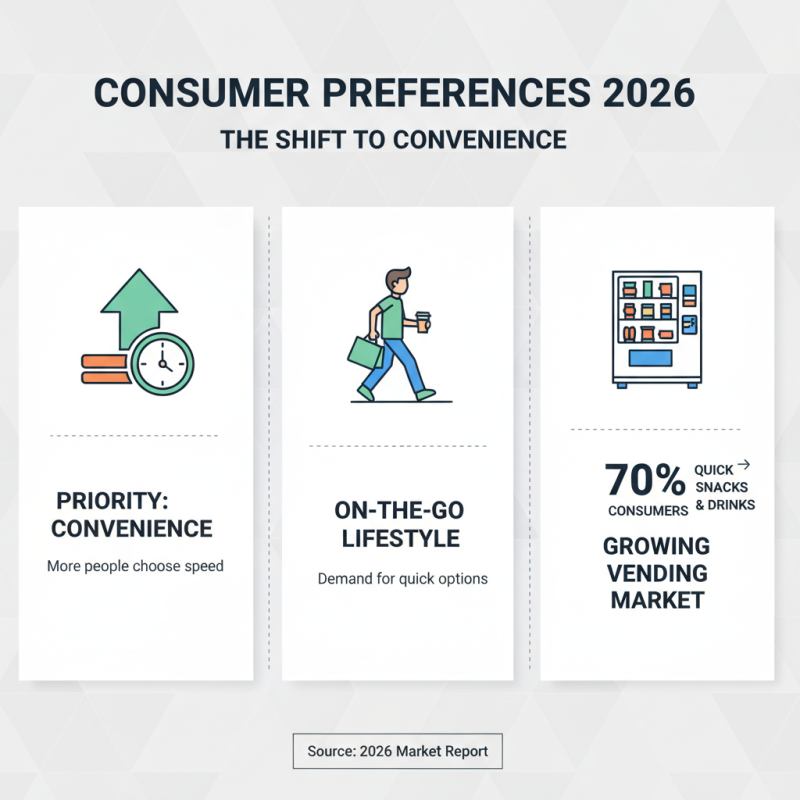
The landscape of consumer preferences is transforming. In 2026, more people prioritize convenience. Studies show a significant shift towards on-the-go options. According to a recent report, 70% of consumers prefer quick access to snacks and beverages. This indicates a growing market for vending machines.
Health-conscious choices are becoming popular. A survey highlighted that 60% of consumers actively seek healthier vending options. This shift opens avenues for innovative products. Operators can cater to diverse tastes, from organic snacks to plant-based drinks. You might need to rethink product selection often, reflecting changing demands.
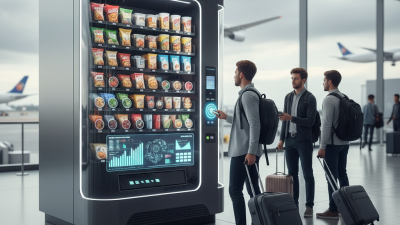
Location matters too. High-traffic areas see higher sales. Airports and universities are ideal spots for vending machines. Yet, being too reliant on this model may not be wise. Consumer tastes can be unpredictable. Continuous market research is essential for success. Balancing convenience with quality is key in this evolving market.
Starting a vending business in 2026 can be an intriguing opportunity. Low startup costs make it accessible to many. You can begin with just a few machines. Locations matter greatly, so research is essential. Place your machines strategically in high-traffic areas. This will increase your chances of making sales.
The profit potential is also quite appealing. With the right products, your investment can pay off quickly. Healthy snacks and beverages are trending. Offering popular items can attract more customers. However, managing inventory can be challenging. Staying stocked without over-purchasing requires careful planning. Trends change, and what sells today might not sell tomorrow.
Additionally, competition is fierce in this market. You need a unique selling point. It might be difficult to stand out. Analyzing competitors and finding gaps in the market is crucial. Your approach may require adjustment along the way. Some strategies might not work as expected. Being flexible and willing to learn is key to success.
| Data Dimension | 2026 Estimate | Growth Potential |
|---|---|---|
| Average Startup Cost | $5,000 - $10,000 | 20% per annum |
| Average Monthly Revenue | $500 - $3,000 | 15% increase |
| Return on Investment (ROI) | 30% - 50% | Stable over the years |
| Break-even Timeframe | 6 - 12 months | Reduced with efficient management |
| Popular Product Types | Snacks, Beverages, Health Foods | Trending based on consumer preferences |
Navigating the world of vending business in 2026 demands careful consideration of regulations. Local laws vary significantly. It’s crucial to research zoning regulations in your target area. Some locations might require permits. Others may have restrictions on types of products sold. Entering a market without this knowledge can lead to costly fines or penalties.
Location strategy is equally important. Busy areas such as malls, schools, and offices are ideal. However, competition is fierce in these spots. You might discover a niche in less obvious locations. Think about gyms or medical buildings. Traffic patterns play a role as well. Observing potential sites during peak hours can reveal customer habits.
In the quest for success, reflection is key. Are you aware of your target demographic? Understanding their preferences is essential. A mistake could lead to poor sales. Balancing product selection with pricing strategy can also be tricky. Take time to analyze what works. Testing and adapting based on feedback will improve your business.