Top Strategies for Success in the Vending Business Today?

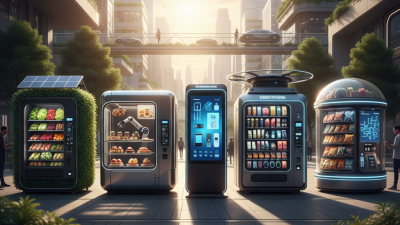
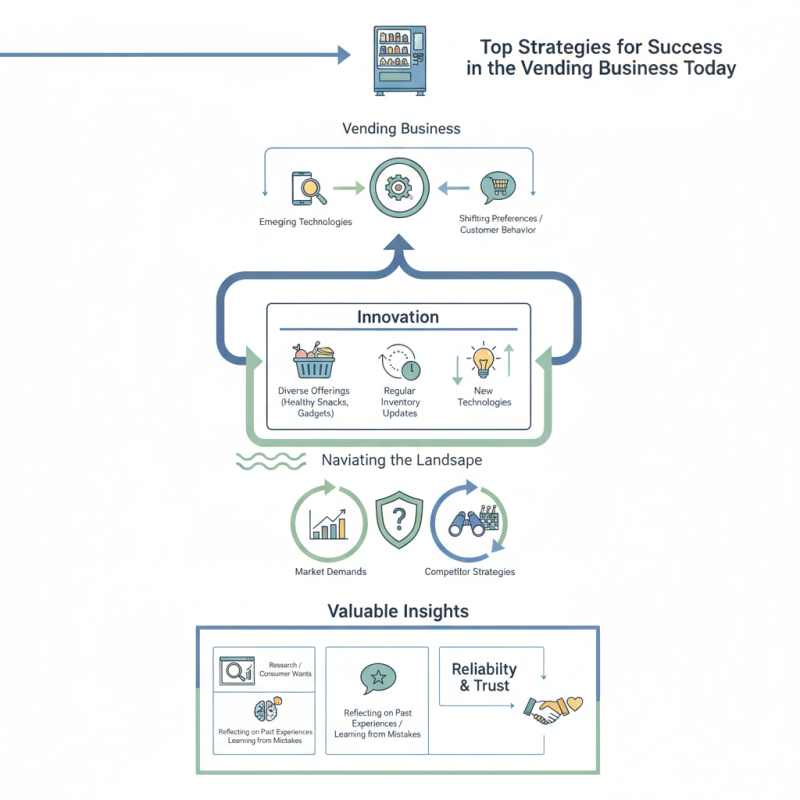
The vending business presents unique opportunities and challenges in today's fast-paced environment. Adapting to consumer trends is crucial. Operators must stay informed about emerging technologies and shifting preferences. Understanding customer behavior can lead to better product selection and placement.

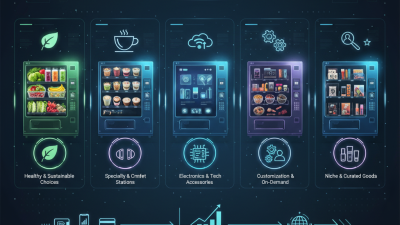
Innovation drives success in the vending business. Diverse offerings, from healthy snacks to tech gadgets, can attract various demographics. Regularly updating inventory is vital. However, navigating this ever-changing landscape can be daunting. It requires constant evaluation of market demands and competitor strategies.

A successful vending business taps into valuable insights. Research is essential to identify what consumers want. Engaging with feedback can refine services and products offered. Reflecting on past experiences helps owners learn from mistakes. This approach not only fosters reliability but also builds trust with customers.
Top Strategies for Success in the Vending Business Today?

Understanding the Vending Industry: Current Market Trends and Data Insights

The vending industry has seen significant shifts recently. This transformation is driven by changing consumer preferences. Health-conscious options are now in high demand. Many consumers seek snacks that align with their wellness goals. Operators are responding by offering healthier snacks and beverages. This trend reflects a broader shift towards sustainability and nutrition.

Data shows that the market is expanding. Digital payment methods are becoming standard. Vending machines now accept mobile wallets and contactless payments. This convenience can attract more customers. Yet, not all operators are adapting quickly. There remains a challenge in implementing modern technology effectively.

Understanding local demographics is crucial. Different locations have unique needs and preferences. What works in one area might not in another. Operators must engage with their community. Gathering feedback helps tailor offerings. The future of the vending business requires both adaptability and awareness. Operators who invest in their knowledge of current trends will thrive.
Key Factors for Location Selection in the Vending Business

Choosing the right location is crucial for success in the vending business. High foot traffic areas, such as malls or schools, can greatly increase sales. Visibility plays a key role; if potential customers can’t see your machine, they won't use it. Analyzing the demographics of the area helps in selecting products that cater to local preferences.

Accessibility is another important factor. Machines should be easy to reach and operate. Consider potential barriers, like staircases or long distances to parking. It’s essential to ensure that the vending machine is positioned for maximum convenience. Remember, less can be more; too many choices in one location can overwhelm customers.

Local competition also matters. If a nearby machine offers similar products, it may affect your sales. Studying competitors can provide valuable insights. Reflect on why some machines perform well while others do not. Adjust your strategy accordingly. Good locations sometimes require trial and error. You may find success in unexpected places, but staying adaptable is key.

Leveraging Technology: How Smart Machines are Changing Vending

Top Strategies for Success in the Vending Business Today?

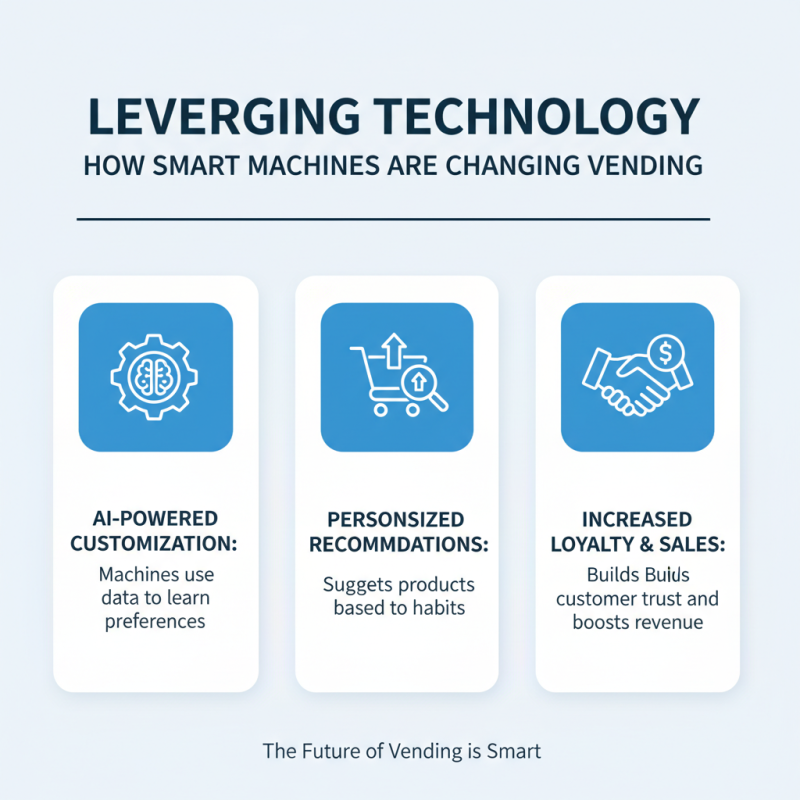
The vending industry is experiencing a revolution. Smart machines are at the forefront of this change. These devices use artificial intelligence to deliver personalized experiences. For example, they track consumer habits to recommend products. This level of customization builds customer loyalty and increases sales potential.

Moreover, smart machines allow for remote inventory management. Operators can monitor stock levels in real-time. This capability reduces waste and ensures popular items are always available. Vending businesses can analyze data to identify trends. This insight helps in making informed decisions about product offerings.

However, integrating these technologies can be challenging. Investments can be high, and training staff to use these machines is essential. Some operators may struggle with the digital transition. Businesses need to adapt continuously to keep up with customer demands. Embracing change is crucial for long-term success in the fast-evolving vending landscape.

Effective Product Selection: Analyzing Consumer Preferences and Sales Data

Choosing the right products for vending machines is essential for success. Consumer preferences shift frequently. According to a report by IBISWorld, healthy snacks now represent 40% of vending sales. This trend highlights the importance of analyzing sales data and local demographics.

Evaluating product performance is vital. Track which items sell well and which do not. Adjustments based on this data can significantly improve profitability. Research shows that vending machines with diverse product offerings see a 25% increase in revenue. Yet, it is crucial not to overwhelm customers with options. Too many choices can lead to decision fatigue.

Tip: Experiment with seasonal products. Offer items that are popular during specific times of the year. This not only attracts customers but can also boost sales during slow periods. Watch the sales closely to adjust your offerings accordingly. Don't forget to gather customer feedback, as it provides insights into preferences that may not show up in data alone. Sometimes, the best product decisions come from listening to your customer base.

Top Strategies for Success in the Vending Business Today - Effective Product Selection: Analyzing Consumer Preferences and Sales Data

Product Category Consumer Preference (%) Average Monthly Sales Inventory Turnover Rate
Beverages 35% 2000 units 5 times/month
Snacks 45% 1500 units 4 times/month
Healthy Options 15% 800 units 3 times/month
Gourmet Items 5% 300 units 2 times/month

Maximizing Revenue Streams: Diversification and Merchandising Strategies

In today's vending business, diversifying your offerings can significantly enhance revenue streams. Many operators stick to traditional snacks and beverages. However, integrating healthier options or gourmet items can attract a broader customer base. This approach allows you to cater to shifting consumer preferences. Variety can lead to increased foot traffic and higher sales in the long run.

Effective merchandising strategies also play a crucial role. Using eye-catching displays can entice customers to make impulsive purchases. Positioning products strategically within the machine can highlight profitable items. The layout should encourage exploration of all offerings. Regularly updating your inventory based on sales data is essential. It’s a continuous learning process. Adapting can sometimes feel overwhelming, but small changes can lead to big improvements.

It's important to reflect on what doesn't work too. Some customers may not respond well to certain items. Analyzing feedback can help adjust selections. Though these strategies may require investment, the potential returns can justify the risks. Keep an open mind and stay committed to refining your approach. The vending industry is evolving rapidly, and staying relevant is key.