Top Ice Vending Machine Suppliers Worldwide?
Choosing among the top ice vending machine suppliers worldwide requires more than comparing prices. A reliable supplier should provide clean ice production, secure payment systems, remote monitoring, and responsive technical support. Steve Nadeau, an ice-vending industry executive, offers a practical warning: “Reliability is the product customers actually buy.” That idea deserves attention.
A strong machine may produce several tons of ice daily, but performance depends on climate, water quality, foot traffic, and maintenance. A busy roadside location needs bright lighting, simple instructions, and fast bag dispensing. A rural site may need stronger remote diagnostics and fewer service visits. Suppliers should explain production capacity honestly, including seasonal reductions and cleaning requirements.
Experience reveals the gaps.
This overview compares established suppliers by equipment design, operating support, customization, warranty coverage, and international service capability. It also considers whether suppliers provide realistic revenue guidance instead of attractive but incomplete projections. Some rankings remain imperfect because regional pricing and dealer quality can change quickly. That limitation matters. Buyers should verify certifications, installation records, replacement-part availability, and customer references before signing an agreement. The best ice vending machine is not always the largest or cheapest model. It is the system that remains sanitary, accessible, and dependable after months of ordinary use.
What Is an Ice Vending Machine?
What Is an Ice Vending Machine?
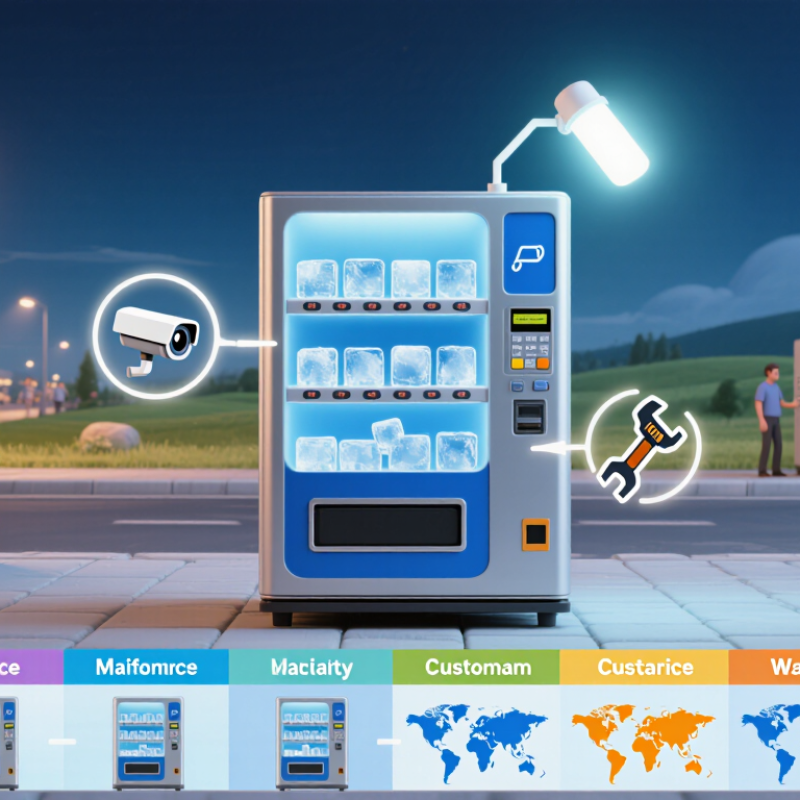
An ice vending machine is a self-service unit that produces, stores, and dispenses packaged or loose ice. Customers select a quantity, make a cashless payment, and collect ice within minutes. Most systems use filtered water, an automatic ice maker, insulated storage, and a sealed dispensing chute.
The machine is more than a freezer beside a parking lot. Operators must monitor water quality, temperature, sanitation, payment systems, and mechanical performance. The U.S. Food and Drug Administration treats ice as food, so safe handling matters. The Centers for Disease Control and Prevention also identifies contaminated ice as a possible source of illness.
According to Grand View Research, the broader commercial ice-machine market is expanding steadily, supported by foodservice, retail, and convenience demand. However, market figures differ between reports. That uncertainty deserves attention.
Tips: Check production capacity against local traffic. A small unit may struggle during summer weekends. Inspect the storage bin, drainage, filters, and cleaning access before purchase. Ask for documented service intervals and energy-use data. Field experience suggests that neglected filters can affect taste and machine reliability. It is an easy detail to miss. Vending convenience cannot replace disciplined sanitation.
Key Factors for Choosing a Global Supplier
Choosing a global ice vending machine supplier requires more than comparing advertised production capacity.
According to UNEP’s 2023 Global Status Report for Buildings and Construction, buildings consume about 30% of global final energy. That figure makes electricity efficiency a commercial issue, not a decorative feature. Request measured kWh per kilogram, ice recovery time, and output at your expected ambient temperature. Hot, humid locations expose weak refrigeration design quickly. Do not accept laboratory numbers without test conditions.
Food safety documentation deserves equal attention.
The World Health Organization estimates that unsafe food causes about 600 million illnesses annually. A reliable supplier should provide sanitation procedures, water-contact material specifications, cleaning intervals, and records aligned with recognized food equipment standards. Ask how technicians prevent contamination during service. The answer should be practical, not vague. A polished certificate is useful, but it cannot replace a clear maintenance process.
Global support can determine whether a machine earns money or sits idle.
Check spare-parts availability near the installation site, remote diagnostics, technician response times, and warranty exclusions. Request references from climates similar to yours. Also examine payment systems, language support, software updates, and local electrical requirements. A supplier may promise 2,000 kilograms daily, yet deliver less when water is warm or filters clog. That is not always deception; specifications can be misunderstood. Still, it deserves testing. A short pilot installation may reveal more than a long sales presentation.
Leading Ice Vending Machine Suppliers Worldwide
Leading Ice Vending Machine Suppliers Worldwide
Leading ice vending machine suppliers worldwide offer more than attractive equipment. Reliable suppliers provide clear production data, installation guidance, operator training, and responsive technical support. Their machines should produce consistent ice in different climates, from humid coastal areas to dry inland regions. Look for stainless-steel contact surfaces, insulated storage, remote alerts, and simple cleaning access. Independent testing records and detailed energy estimates also indicate professional engineering.
Supplier experience matters greatly. Ask for references from comparable locations, especially supermarkets, fuel stations, and busy roadside sites. A strong supplier explains expected output during peak heat, water filtration needs, payment options, and routine maintenance. Warranty coverage should identify response times and replacement parts. However, even polished proposals may overlook local water quality or winter protection. That deserves careful questioning.
Tips:
Request a live demonstration before signing. Measure the machine footprint, service clearance, and delivery route. Confirm local installation requirements. Compare hourly production, storage capacity, energy use, and sanitation procedures. Ask who answers emergency calls after installation. Do not judge suppliers by price alone. A cheaper unit may create higher costs through downtime, difficult cleaning, or unavailable parts. Leave room for doubt. Real operating conditions often differ from brochures.
Supplier Comparison by Features, Capacity, and Service
A useful comparison of global ice vending machine suppliers begins with the machine, not the brochure. Review ice type, daily output, storage volume, dispensing speed, and payment options. A unit producing 2,000 pounds daily may still fail at a busy roadside location. Peak-hour recovery matters more than headline capacity. Look for insulated storage, remote alerts, water filtration, and simple sanitation access. Cold rooms matter.
Supplier service deserves equal attention. Ask for documented response times, local technicians, spare-parts access, and warranty exclusions. Parts availability varies widely between regions. Training should cover cleaning, filter replacement, software updates, and emergency shutdowns. Remote diagnostics can reduce unnecessary visits, but connectivity is not a substitute for hands-on support. Request installation references from sites with similar weather and customer traffic.
Compare suppliers through a weighted scorecard. Give separate scores for features, capacity, energy use, purchase cost, and after-sales support. An outdoor site may need stronger weather protection than an indoor retail location. Request test reports, maintenance schedules, and clear ownership of installation work. Independent verification helps, although it can take time. I would question any supplier promising maximum output without specifying water temperature, ambient heat, or operating hours. No comparison is perfect. Electricity, water treatment, cleaning labor, and downtime can change the real cost. Leave room for uncertainty.