How Much Does a Vending Machine Cost and What to Consider?
When considering a vending machine, understanding the vending machine cost is crucial. The initial investment can vary significantly based on various factors. Price points range from a few hundred to several thousand dollars. Equipment quality, brand, and capabilities all play vital roles in this pricing spectrum.
Location matters too. A premium spot may justify a higher cost due to increased foot traffic. Additionally, the type of products offered influences expenses. Healthy snacks often appeal to more health-conscious consumers but can come at a higher inventory cost. Not all vending machines provide the same return on investment.
One must also reflect on maintenance costs. Repairs and restocking are ongoing expenses. A buyer should consider their budget wisely. Are they prepared for surprise costs? Understanding these elements can offer a clearer picture of the overall investment. Making informed decisions here requires careful planning and reflection.
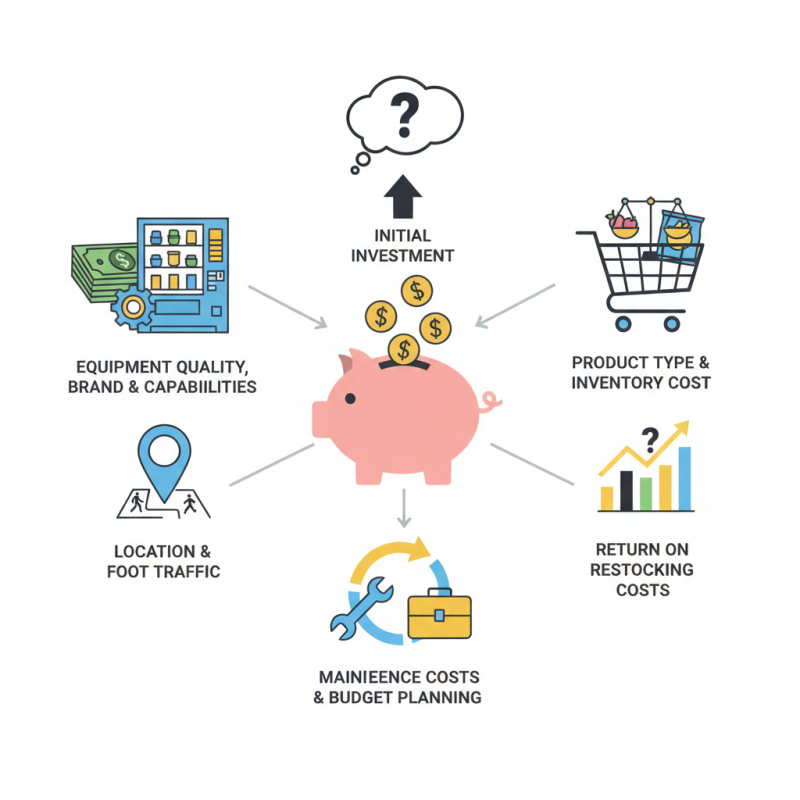
Factors Influencing Vending Machine Cost
When considering the cost of a vending machine, several factors come into play. The initial purchase price can vary greatly depending on the machine type, ranging from $1,000 to $10,000. For example, snack machines are generally less expensive than fresh food vending units. According to a recent industry report, the average cost for a standard vending machine is approximately $3,000.
Location is a critical aspect influencing costs. High-traffic areas, like shopping malls or busy office buildings, typically have higher rental fees. Fees can range from $100 to $500 per month. Additionally, consider machine maintenance. Regular maintenance can cost about $300 annually. This includes both repairs and routine checks.
**Tip:** Research potential locations thoroughly before purchasing. Analyze foot traffic and visitor demographics to maximize sales.
Another factor is the product selection. Stocking popular items can improve profitability, but it can also increase initial costs. A diverse product range might require more frequent restocking. Inventory management becomes key for success.
**Tip:** Start with a small selection of items. Monitor sales trends and adjust your offerings accordingly.
Understanding these factors can help you make an informed decision before investing in a vending machine. Keep them in mind to avoid costly mistakes.
How Much Does a Vending Machine Cost and What to Consider? - Factors Influencing Vending Machine Cost
| Factor |
Description |
Estimated Cost ($) |
| Type of Machine |
Snack, Beverage, Combo, or Specialty |
1,000 - 5,000 |
| New vs Used |
New machines typically cost more |
500 - 3,000 |
| Location |
High foot traffic locations increase value |
0 - 2,000 |
| Payment Options |
Credit card readers and mobile payment systems |
300 - 1,200 |
| Maintenance Costs |
Regular upkeep and repairs |
50 - 200/month |
| Product Inventory |
Cost of products stocked in the machine |
200 - 2,000 |
Types of Vending Machines and Their Price Ranges
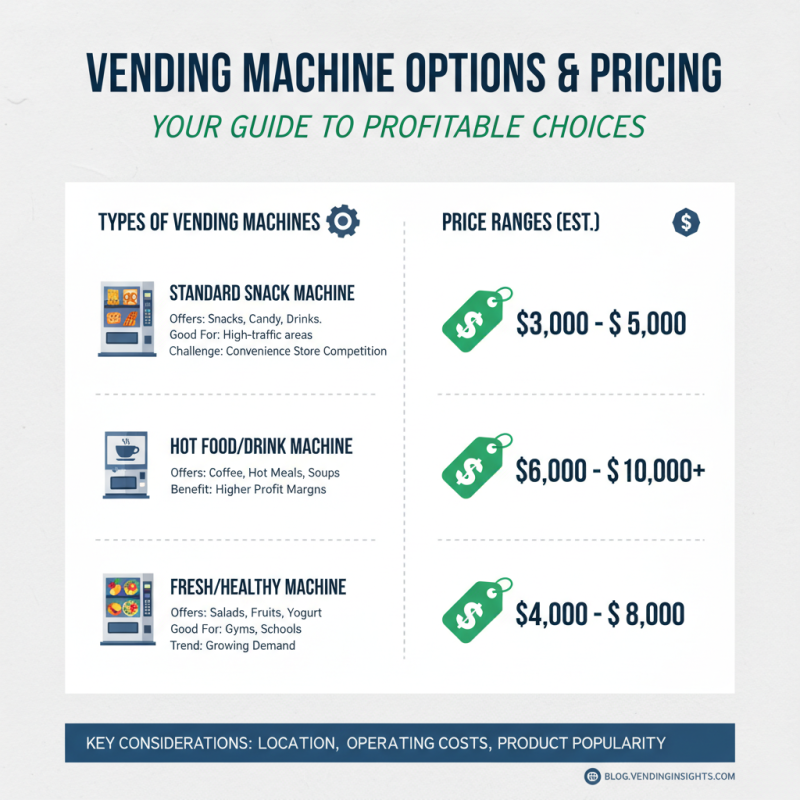
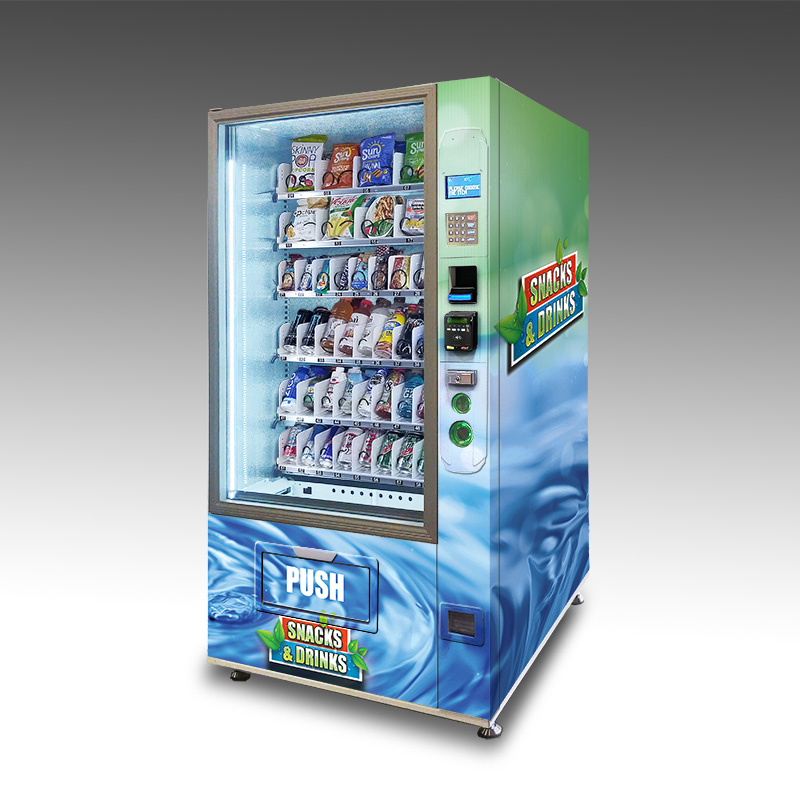
When exploring vending machine options, understanding the types and their price ranges is crucial. Standard snack machines generally cost between $3,000 and $5,000. They provide an array of snacks, appealing to a broad audience. However, these machines often face stiff competition from convenience stores, leading to fluctuating sales numbers.
Drink vending machines may start from $2,000 and can go up to $6,000 based on features. More advanced models offer refrigerated sections and cashless payment options. According to a market analysis, these machines can generate revenue of approximately $50 to $100 daily, depending on traffic and location.
Specialty vending machines, such as those offering fresh food or electronics, are on the rise. Prices for these can exceed $10,000 due to their complex technology. Though lucrative, they come with risks. Market demand can be unpredictable, leaving owners with outdated stock or unfulfilled orders. Such challenges require careful planning and continuous assessment of the offerings.
Initial Investment: Purchase vs. Leasing Options
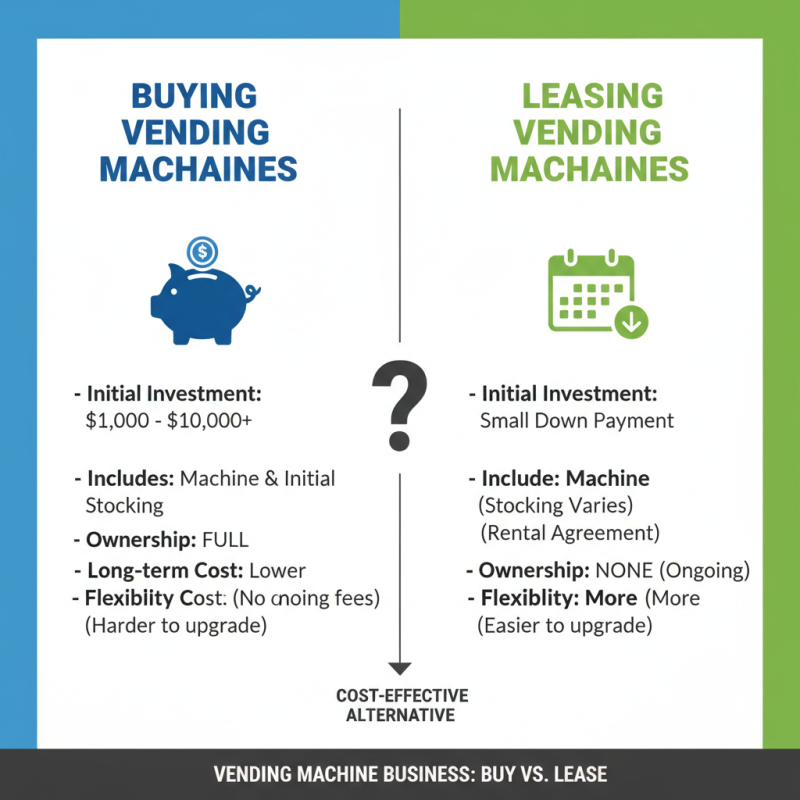
When considering a vending machine business, one of the first decisions is whether to buy or lease your machines. Traditionally, purchasing a vending machine can range from $1,000 to $10,000. This upfront investment includes the machine itself and can cover initial stocking. However, leasing options are gaining traction as a cost-effective alternative, often requiring only a small down payment.
Leasing provides flexibility. Monthly payments can be more manageable than a large initial investment. Reports show that leasing can lower financial risk. Operators can start their businesses with minimal capital. Yet, a lease may lead to higher long-term costs. Weigh these factors carefully before deciding.
**Tips:**
Evaluate your budget. A detailed financial plan helps. Understand how many sales you need to break even.
Always read the fine print of a lease contract. Hidden fees can affect overall costs.
Consider the potential need for repairs and maintenance. Owning a machine means covering those expenses yourself.
Ongoing Costs: Maintenance, Stocking, and Location Fees
When considering a vending machine, ongoing costs are crucial. Maintenance is one of the most critical factors. A survey indicates that around 30% of vending machine operators experience regular maintenance needs. This includes fixing mechanical issues or replacing parts. Budgeting for these expenses can prevent unexpected losses.
Stocking the machine is another ongoing cost. It’s estimated that restocking accounts for 40% of total operational costs. The ideal products vary based on location. For example, health-conscious snacks may sell better in gyms. A study suggests that locations like schools see a higher demand for candy and drinks. Operators should analyze sales data to optimize inventory.
Location fees also play a significant role. Finding the right spot is challenging. Operators might pay a flat fee or a percentage of sales. Reports show that some high-traffic sites can charge up to 30% of revenues. Unexpected location fees can significantly decrease profitability. Each placement should be carefully assessed, reflecting on potential returns versus costs.
Potential Revenue and Profitability of Vending Machines
The potential revenue from vending machines can be substantial. According to recent industry reports, a well-placed vending machine can generate about $75 to $150 per week. This can lead to an annual profit in the range of $3,000 to $10,000, depending on location and product selection. High foot traffic areas, like gyms or office buildings, tend to yield better profits. The average profit margin on snack items is around 50%, optimizing your earnings.
Choosing the right products is essential. Not all items sell well in every location. For example, healthy snacks may attract more customers in a fitness center, while soda and chips might perform better in an office. Consider conducting market research to understand local preferences.
Tip: Regular maintenance is crucial. A well-stocked and clean machine encourages more sales. If machines are frequently empty or malfunctioning, customers will lose interest quickly.
There's a learning curve with pricing as well. Pricing items too high may deter buyers, while too low prices could limit profits. Testing different price points can help find the sweet spot for your machine.
Tip: Monitor sales patterns over time. This observation can inform product rotation and promotional efforts. Adjusting inventory based on sales data can increase overall revenue effectively.