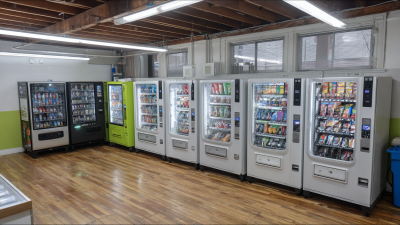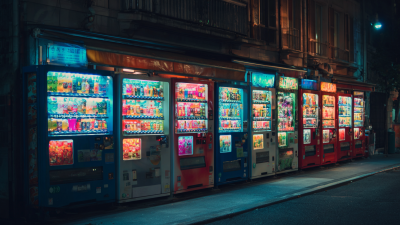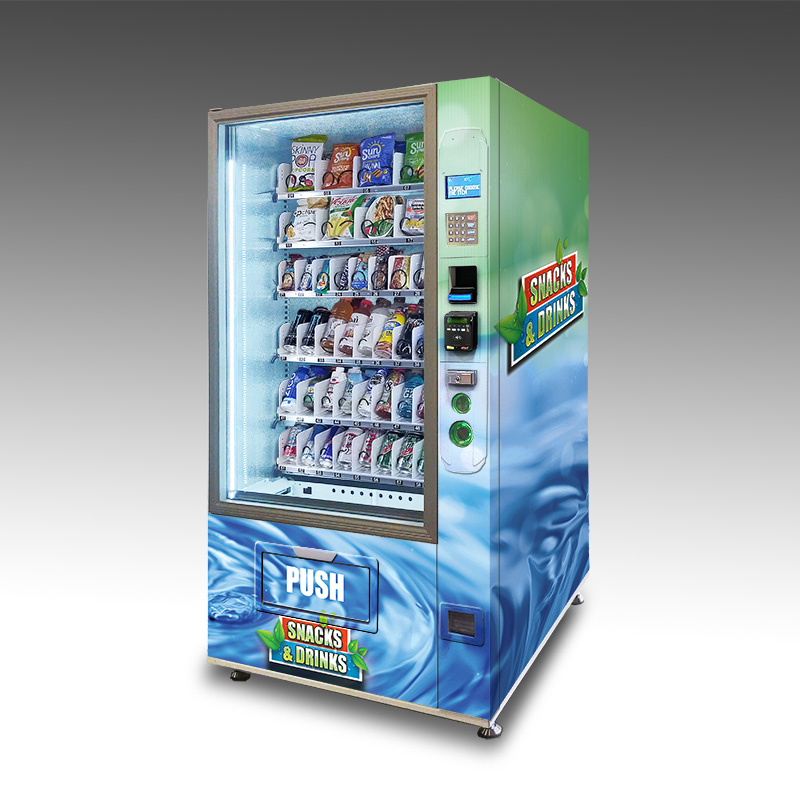
In today's fast-paced world, vending machines have carved a significant niche in modern convenience culture. Market research indicates that the global vending machine industry is projected to reach $25 billion by 2027. This growth reflects a shift in consumer behavior towards instant access to snacks and beverages. As convenience becomes paramount, vending machines rise to meet the demand.
Industry expert, Dr. Anna Karen, notes, "Vending machines serve as a lifeline for busy individuals." This statement emphasizes the key role they play in our hectic lives. From office buildings to schools, these machines offer a variety of food and drink options. Their placement is often strategic, capturing the attention of those seeking a quick solution. However, reliance on vending machines raises questions about nutrition and sustainability.
Some consumers may overlook healthier options in favor of convenience. The challenge lies in balancing immediate gratification with long-term health goals. This complexity makes the vending machine phenomenon worthy of examination. As we navigate this convenience culture, the vending machine invites us to reconsider our choices in a world that values speed.
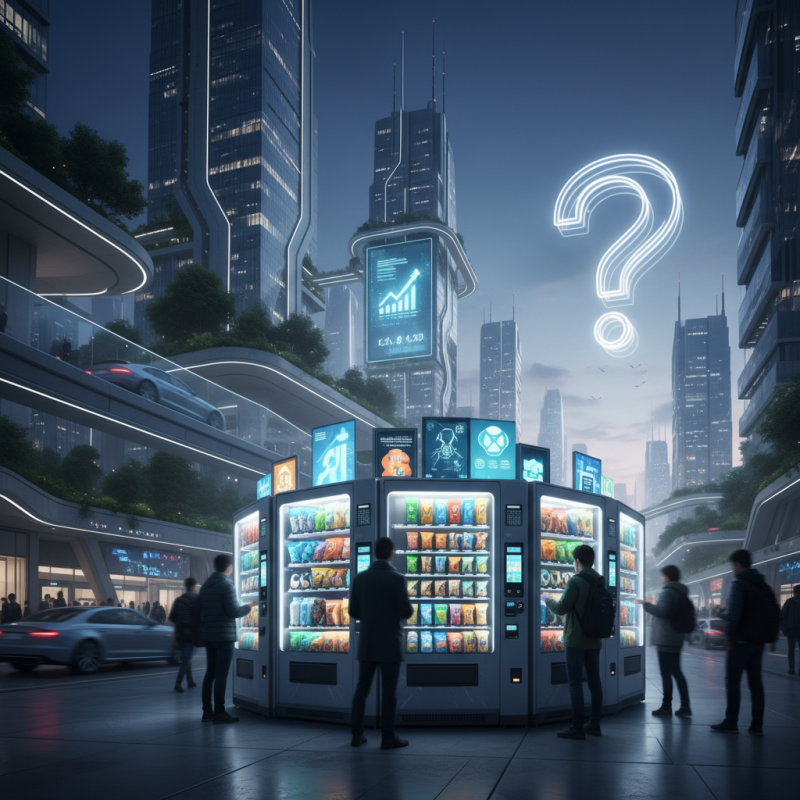
Vending machines have transformed significantly over the years. Initially, they offered simple snacks and drinks. Now, they provide a wide range of products, from healthy meals to tech gadgets. This evolution meets the modern consumer's demand for convenience.
People are always on the move. Vending machines fit into this fast-paced lifestyle, offering quick access to items. However, they lack the human touch found in traditional shops. This can feel isolating. Shoppers often miss personal interaction. Machines cannot replace friendly advice or recommendations.
In their quest for efficiency, consumers might overlook quality. Some might choose convenience over freshness or taste. This shift raises questions about health and well-being. Are we sacrificing quality for speed? The growth of vending machines invites us to reflect on consumer habits. As they become more integrated into our lives, awareness of their impact is essential.
This bar chart illustrates the popularity of different product categories available in vending machines, highlighting the diversity and consumer preferences in modern convenience culture.
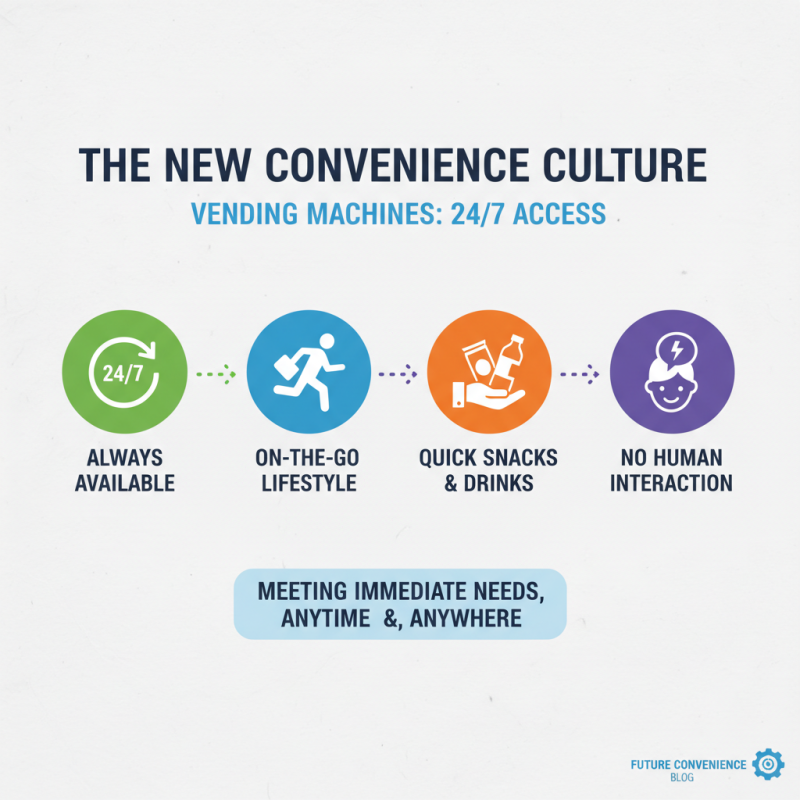
In today's fast-paced world, vending machines have become a mainstay of convenience culture. These machines offer quick access to snacks and drinks without the need for human interaction. The allure lies in their 24/7 availability, catering to those who are always on the go. Whether it's a bustling office or a late-night study session, a vending machine can meet immediate needs.
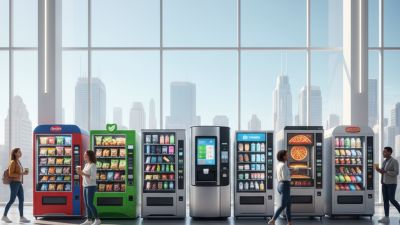
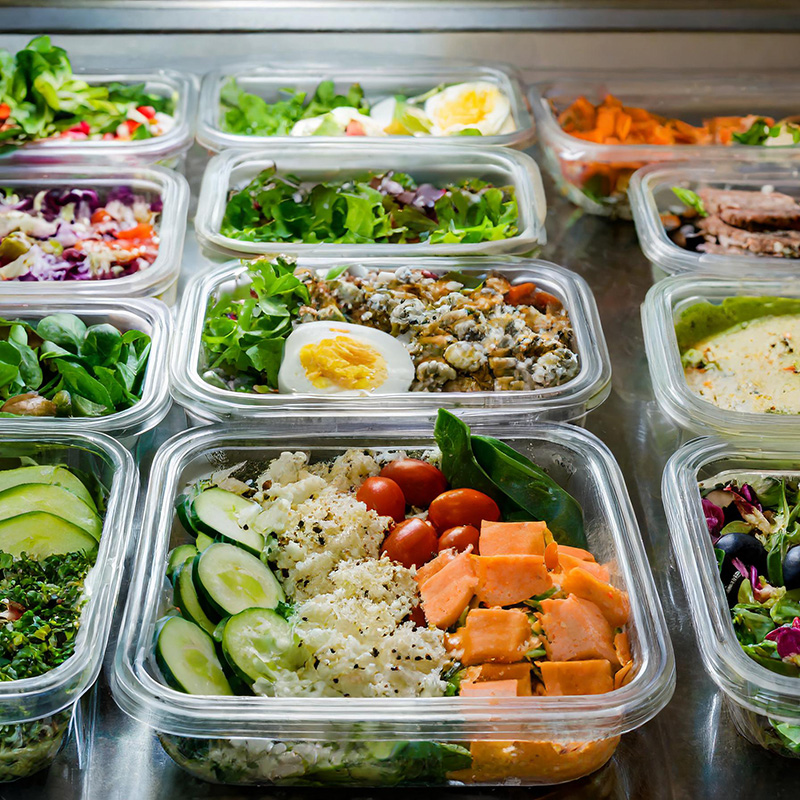
Another factor driving their popularity is the variety they offer. Modern vending machines now provide healthier options alongside traditional snacks. Users can choose from fresh salads, protein bars, or organic beverages. This diverse selection appeals to a wide audience, including health-conscious individuals. Yet, it raises questions about the balance between convenience and nutrition.
Despite their benefits, vending machines also have downsides. They can sometimes be frustrating, especially when they malfunction or run out of items. The experience can be unpredictable and sometimes disappointing. As people rely more on technology for quick fixes, it’s imperative to reflect on the trade-offs between convenience and quality.
Vending machines have become emblematic of modern urban convenience. They dot our streets, filling the gaps in our fast-paced lives. People rush from one task to another. In this context, vending machines offer an instant solution for snacks and drinks. No long lines. No waiting at a café. Just quick access to what you need.
One facet of this convenience culture is its reliance on the immediate. These machines provide food and beverages 24/7. This continuous availability seems ideal. But it also raises questions about health and diet. Quick snacks often lack nutritional value. This convenience may lead to poor eating habits over time.
**Tips:** Consider planning your snacks. Look for healthier options in vending machines. Also, take a moment to reflect on your choices. Are you grabbing a sugary treat because it’s easy? Or are you choosing something that fuels your body? Convenience can be good, but balance is key. Opt for options that sustain your energy without dragging you down.
| Dimension | Data |
|---|---|
| Average Vending Machine Revenue (per year) | $5,000 - $10,000 |
| Percentage of Urban Areas with Vending Machines | 70% |
| Common Vending Machine Products | Snacks, Beverages, Fresh Food |
| Growth Rate of Vending Machine Usage | 5% annually |
| Average Number of Machines per City | 200 - 300 |
| Cashless Payment Adoption in Vending | 80% |
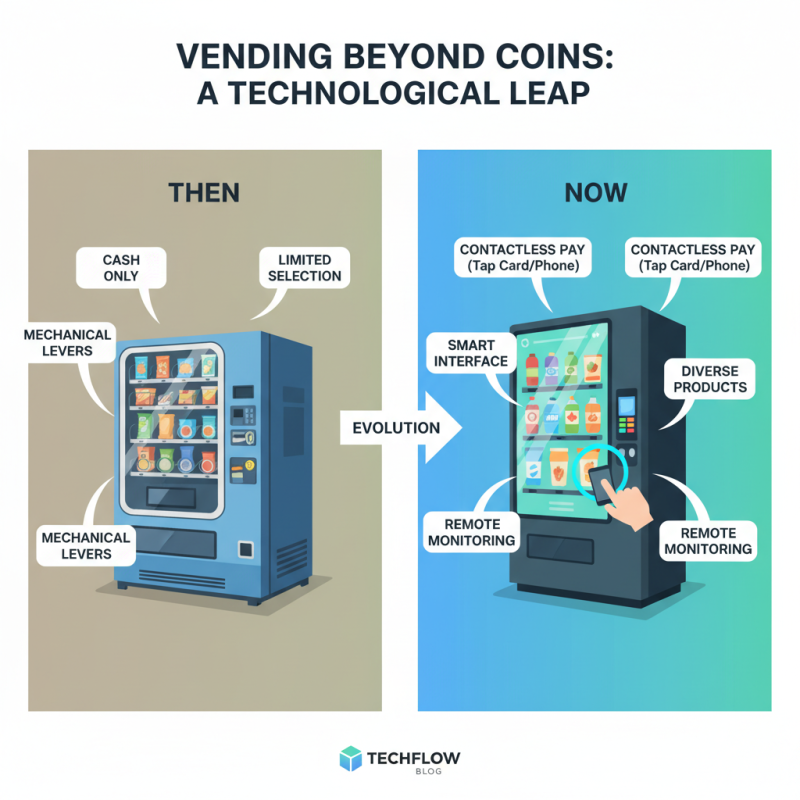
Vending machines have evolved tremendously. Today, they incorporate advanced technology, enhancing accessibility for users. Contactless payment systems are now common. Customers can simply tap their card or smartphone. This convenience eliminates the hassle of cash.
Touchscreens provide a user-friendly experience. They display vibrant images and detailed product info. Users can quickly find their desired snacks or drinks. Some machines even offer healthy options, catering to diverse dietary needs. However, not all machines are equally user-friendly. Poor placement and unclear instructions can frustrate customers.
Artificial intelligence is also making its mark. Smart machines can track inventory and predict popular items. They restock efficiently based on real-time data. Yet, reliance on technology may sometimes lead to unexpected glitches. Maintenance issues can cause frustration. Users might find their favorite items out of stock. These challenges remind us that while innovation drives convenience, it also requires attentive management.
The vending machine industry is evolving. Consumers are looking for more than snacks and drinks. They want healthy options and convenience. Machines are now offering fresh salads, organic snacks, and local products. This shift reflects growing health awareness. Yet, the challenge is keeping these products fresh.
Technology plays a key role in future trends. Smart vending machines can track inventory. They can offer cashless payments and personalized recommendations. However, these machines also face technical issues. Connectivity problems can lead to downtime. Furthermore, maintenance can be expensive.
Sustainability is another growing concern. Eco-friendly packaging is necessary but not always available. The industry must balance convenience with environmental impact. Many machines still rely on plastic. This inconsistency raises questions. Are we prioritizing convenience over sustainability? The future direction of vending machines should reflect thoughtful choices.