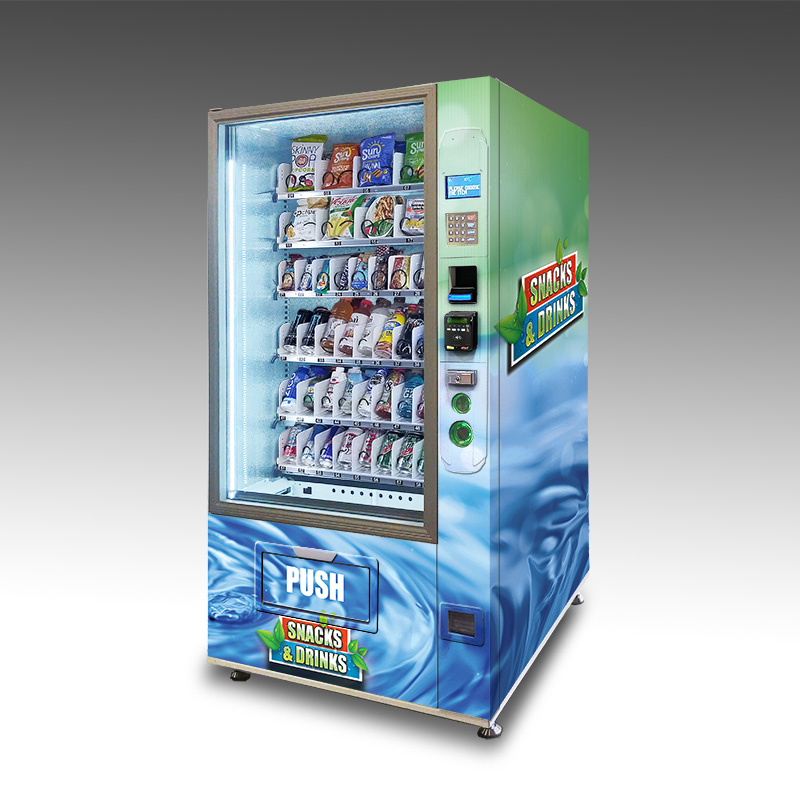
Investing in vending machines can be a fruitful venture for businesses and entrepreneurs. Understanding vending machine cost is crucial for success. This guide elaborates on various expense factors, helping you make informed choices.
Starting with initial purchase price, the cost of vending machines varies widely. Factors such as machine type and features influence this expense. For instance, a basic snack machine costs significantly less than a high-tech beverage dispenser. Additionally, ongoing maintenance and restocking expenses add to the overall cost.
Entrepreneurs must also consider location. Premium spots may have higher rental costs, impacting profits. It’s important to balance location with potential sales. Language like "affordable" or "expensive" is subjective. Reflect on your budget and market demands before choosing a vending machine. Understanding these elements helps mitigate risks and enhance returns.
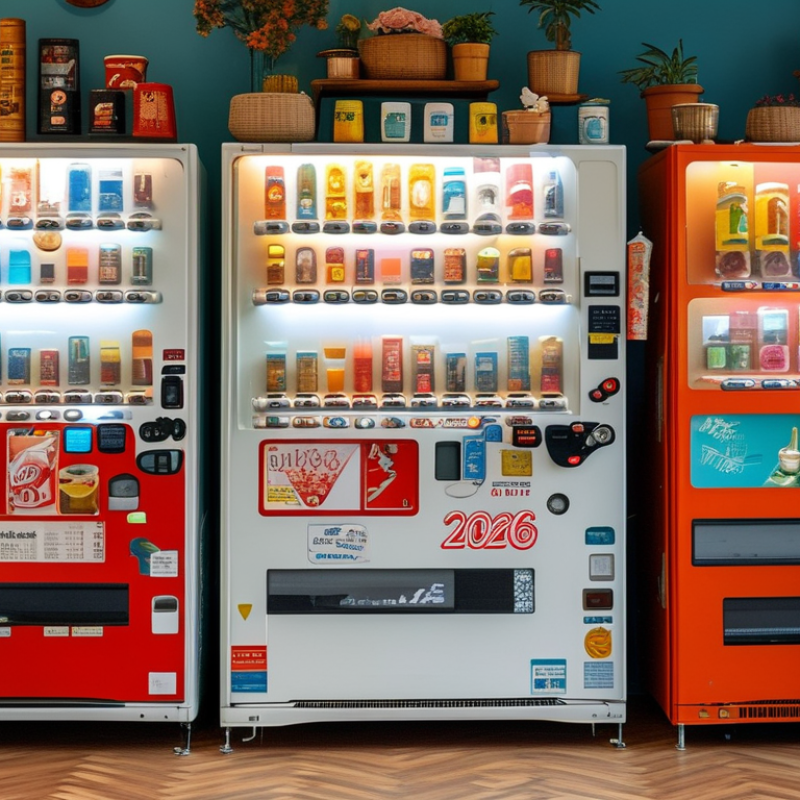
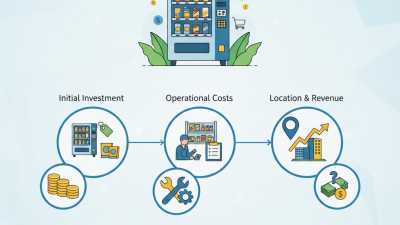
When considering vending machines for businesses, understanding the costs is crucial. Initial investment can range significantly. According to industry reports, the average cost of a new vending machine is between $3,000 and $5,000. This estimate includes basic setup. However, expenses can escalate with advanced features like cashless payment systems or refrigerated options.
Ongoing costs should also be factored in. Restocking inventory can consume a significant portion of profits. On average, businesses spend about $500 monthly on supplies, depending on product selection. Maintenance is another critical element. Regular upkeep is necessary, which may add another $100 to $200 each month. Hidden expenses often catch entrepreneurs off guard.
Location impacts cost significantly. High-traffic areas typically yield better sales but may have higher leasing fees. The location might dictate whether a snack machine or a combination machine is more suitable. A thorough analysis is essential before launching in a new area. Seeking data-driven insights can illuminate potential profitability. Reflecting on these factors can lead to more informed decision-making.
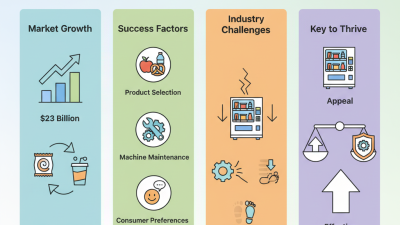
When considering vending machine costs, several key factors play a role. The type of machine significantly impacts the price. Basic snack machines are generally less expensive. However, those offering fresh food or specialty items tend to come at a premium. Understanding your target market will help you choose wisely.
Location is another crucial factor. Vending machines placed in high-traffic areas usually generate more revenue. This can justify a higher initial investment. Facility fees may also vary. Some locations charge monthly or yearly fees, impacting your budget.
Maintenance is a hidden cost that shouldn't be overlooked. Machines require regular upkeep to function properly. This includes restocking and repairs. Poor maintenance can lead to lost sales or unsatisfied customers. Considering these factors will improve your vending machine investment strategy.
When considering vending machines for your business, a comparative analysis reveals significant differences among the types available. Traditional vending machines typically offer snacks and beverages, appealing to impulse buyers. These machines require a higher initial investment. However, their reliability and widespread acceptance make them a solid choice for many entrepreneurs.
On the other hand, newer machines focus on fresh food or healthy options. They cater to health-conscious consumers, tapping into a growing market trend. These machines can face challenges due to spoilage and require meticulous inventory management. They appeal to niche markets but might limit your customer base compared to traditional options.
Moreover, technology-driven vending machines provide cashless and contactless payment options. These enhancements attract younger consumers who prefer convenience and speed. However, this added technology can lead to higher maintenance costs and potential technical issues. Each vending machine type has its unique considerations, and understanding these nuances will help you make a well-informed decision for your business.
| Vending Machine Type | Initial Cost ($) | Monthly Maintenance Cost ($) | Average Revenue per Month ($) | Best Locations |
|---|---|---|---|---|
| Snack Vending Machine | 2,000 | 100 | 400 | Offices, Schools |
| Beverage Vending Machine | 2,500 | 120 | 500 | Gyms, Parks |
| Combination Vending Machine | 3,500 | 150 | 600 | Airports, Malls |
| Healthy Snack Vending Machine | 2,800 | 130 | 450 | Universities, Hospitals |
| Coffee Vending Machine | 3,000 | 110 | 700 | Offices, Hotels |
When considering the operational expenses of vending machines, it's crucial to analyze various costs thoroughly. The initial investment includes the price of the machine itself. Then, there's inventory to stock. Popular items need regular replenishment, which can rack up costs over time. It’s also worth noting that perishable items come with an expiry, further complicating inventory management.
Maintenance costs play a vital role in overall expenses. Regular upkeep is necessary to ensure machines function effectively. Neglect can lead to breakdowns, causing lost sales and repair costs. Additionally, the electricity consumed by vending machines can accumulate monthly. It's wise to estimate this to avoid surprises.
Unexpected expenses can arise. For instance, serving locations may charge fees. Also, changing consumer preferences can impact sales. Items that seemed popular might lose appeal. Tracking trends and adapting inventory is key. This creates a dynamic environment that demands ongoing attention and adjustment.
Investing in vending machines can be a profitable venture. Many entrepreneurs see it as a passive income opportunity. However, careful planning and financial projections are essential. It's important to understand the initial costs, including machine purchases and location rentals. This can vary widely based on machine type and market area.
Return on investment (ROI) is not guaranteed. Factors like traffic flow and product selection heavily influence earnings. Unsold inventory can become a financial burden. Entrepreneurs must stay adaptive to consumer preferences. Regular monitoring of sales data helps in making informed decisions. Adjusting pricing and product offerings can significantly impact revenue.
While the potential for profit exists, challenges are real. Maintenance costs can add up over time, and machines might occasionally break. Market saturation in certain areas can decrease profitability. Financial projections should account for these variables. It’s crucial to revisit your business strategy regularly. This ensures you remain competitive and responsive to market trends.