Why Choose a Small Vending Machine for Your Business Needs?
In today's competitive market, businesses are constantly looking for innovative ways to enhance customer experience and boost revenue. A small vending machine can serve as a powerful, yet often overlooked tool in achieving these goals. According to industry expert, Sarah Thompson, “Small vending machines are revolutionizing the way we think about accessible retail.”
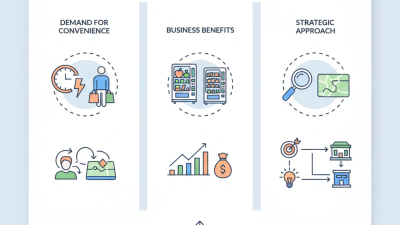
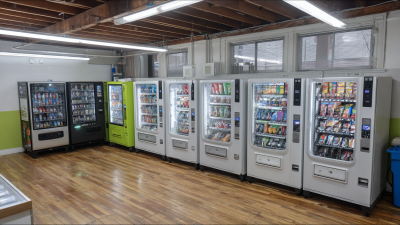
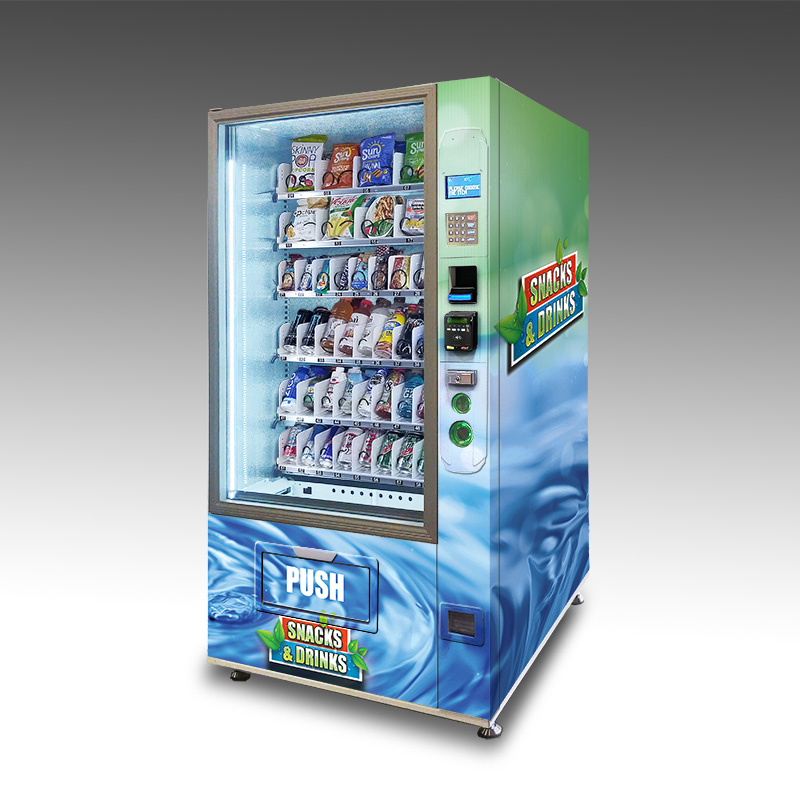
These machines are compact, easy to manage, and require less space than traditional vending solutions. They can fit snugly into offices, gyms, or waiting areas, providing quick access to snacks or beverages. With options tailored to specific customer needs, they increase convenience and satisfaction.
However, some may question the long-term viability of small vending machines. Their success heavily relies on location selection and product variety. Without careful planning, they can fall short of expectations. This dilemma highlights the importance of market research and ongoing management to ensure these machines serve their intended purpose effectively. Ultimately, investing in a small vending machine can be a strategic move, given the right approach.
Advantages of Small Vending Machines for Diverse Business Applications
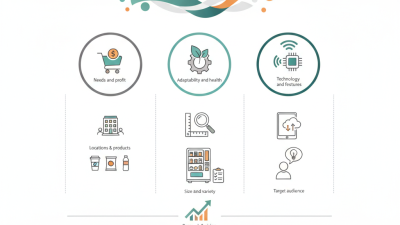
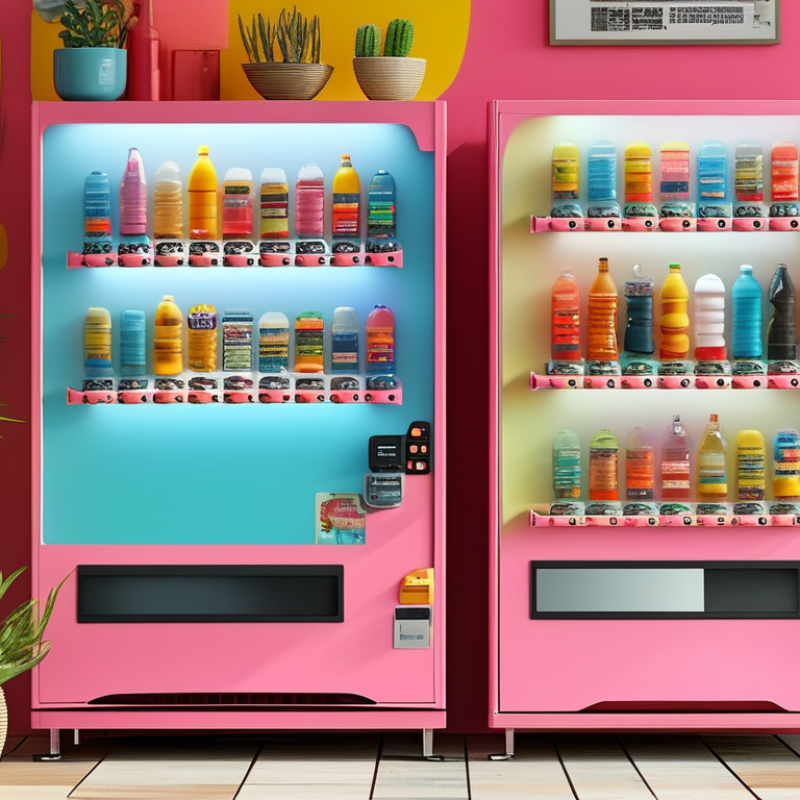
Small vending machines are gaining popularity for various business applications. Their compact size allows them to fit in tight spaces, making them ideal for offices, schools, and small retail locations. According to recent industry reports, small vending machines can increase revenue by up to 25% in locations with high foot traffic. With their versatility, they can offer snacks, beverages, or even healthy options. This diversity allows businesses to cater to a wide audience, meeting different consumer preferences.
When choosing a small vending machine, consider placement. Selecting high-traffic areas can significantly impact sales. For example, placing a machine near a coffee station in an office could attract employees looking for a quick snack. Additionally, keeping products fresh and varied is crucial. Regularly updating inventory can entice repeat customers and drive sales. Data suggests that vending machines offering fresh food items report up to 30% higher profitability.
Here are some tips: Monitor product performance closely. Identify which items sell well and adjust your offerings accordingly. Regular maintenance is key to building trust with customers. Finally, stay informed about market trends. Offering trending snacks and beverages can give you a competitive edge.
Cost-Effectiveness: Budget-Friendly Solutions for Smaller Spaces
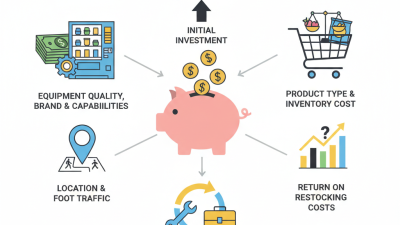
When considering a vending machine for your business, cost-effectiveness is key. Small vending machines provide budget-friendly solutions for tighter spaces, yet they deliver substantial value. According to IBISWorld, the vending machine industry is projected to reach $30 billion by 2023, highlighting the increasing demand for efficient sales solutions. Smaller machines often come with lower upfront costs and reduced maintenance expenses, making them ideal for startups or small businesses.
These compact devices fit seamlessly into various environments. Whether in office break rooms, gyms, or even waiting areas, their size allows for more placement flexibility. Research shows that businesses can see a return on investment in as little as 12 months when choosing efficient inventory management strategies. However, the challenge remains in selecting the right products to stock. A common pitfall is underestimating consumer preferences, leading to unsold items and wasted space.
A focused product range can enhance sales. Offering popular snacks and beverages tailored to the location can greatly improve inventory turnover. But it requires regular market analysis and adaptability. Often, operators may hesitate to adjust their selections, risking inventory stagnation. Embracing change is vital for maximizing profits. Balancing cost benefits with consumer needs forms the core of small vending machine success.
Why Choose a Small Vending Machine for Your Business Needs?
| Feature |
Small Vending Machine |
Large Vending Machine |
| Initial Cost |
$1,200 - $2,500 |
$3,000 - $6,000 |
| Space Required |
2-4 sq. ft. |
6-10 sq. ft. |
| Monthly Maintenance Cost |
$50 - $100 |
$100 - $300 |
| Product Variety |
Up to 30 items |
Up to 50 items |
| Target Customers |
Small offices, gyms |
Large offices, schools |
Flexibility and Mobility: Adapting Vending Machines to Different Locations
Choosing a small vending machine for your business needs can enhance flexibility and mobility. In urban settings, where space is limited, smaller machines fit into tight spots. A report from IBISWorld notes that the vending machine industry generates around $25 billion annually. This statistic highlights the potential of utilizing small machines in high-traffic areas. Based on location adaptability, these machines can serve diverse customer bases effectively.
Mobility is a key advantage of small vending machines. Businesses can relocate them easily to capitalize on foot traffic. A 2022 study from Statista showed that 70% of consumers in urban areas prefer quick snack options. This creates a demand for adaptable solutions. Placing vending machines at events or in temporary spaces can boost exposure and profits. However, the investment always carries risks. Seasonal changes or events can drastically affect sales, and businesses must adapt accordingly.
Despite their many advantages, relying solely on small machines may limit product variety. Smaller units often have a reduced capacity for stock. This could lead to out-of-stock products during peak periods. Regularly assessing sales data is crucial. Identifying the right mix of snacks and drinks for each location can enhance profitability. Proper management ensures that the flexibility of small vending machines translates into consistent revenue growth.
Flexibility and Mobility: Small Vending Machines in Different Locations
Product Variety: Tailoring Offerings to Meet Customer Preferences
When considering the advantages of small vending machines, product variety is a key factor. A diverse selection can cater to varying customer preferences and significantly boost sales. Recent surveys indicate that businesses offering at least ten different product types experience a 20% increase in overall revenue. This demonstrates the need for a tailored approach to vending offerings.
Small vending machines can carry snacks, beverages, and healthy options. This variety enables operators to adapt to local demand. For example, in office buildings, healthy snacks may perform better compared to sugary products. According to a study by the National Automatic Merchandising Association, 61% of consumers prefer healthier options. Thus, identifying customer preferences is crucial for maximizing vending machine success.
However, operators often face challenges in selecting the right products. Keeping an eye on inventory and customer feedback is essential. Some machines may struggle with slow-moving items, leading to wasted resources. Regularly refreshing product offerings based on sales data can help mitigate this issue. Successful vending depends on a constant evaluation of what works and what doesn’t. By addressing preferences effectively, businesses can enhance customer satisfaction and increase profitability.
Ease of Management: Simplifying Operations for Small Business Owners
Managing a small vending machine can significantly ease the burden on small business owners. These compact machines require less space, making them a perfect fit for locations with limited square footage. Owners can install them in break rooms, local parks, or small office buildings. The simplicity of operation is a major advantage. With minimal technical knowledge, anyone can restock a small vending machine.
The maintenance of a small vending machine is also quite straightforward. Regular cleaning and restocking are easy tasks. This simplicity allows owners to focus more on their core business activities instead of worrying about complex operations. Inventory tracking can often be managed through simple notes. This hands-on approach creates a feeling of personal connection with the machine and the customers. However, relying solely on this method may lead to oversights.
While small vending machines offer efficiency, they can present challenges as well. Finding the right products that meet local demand requires some research. Business owners may overlook customer preferences. Adjusting product choices based on sales data can help, but it invites a bit of trial and error. The need for thoughtful consideration remains paramount. Engaging with clients can provide insights that enhance the vending experience.