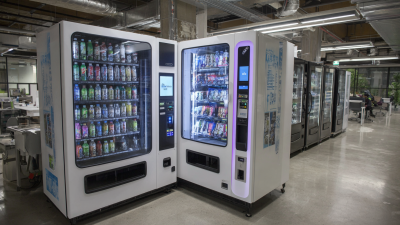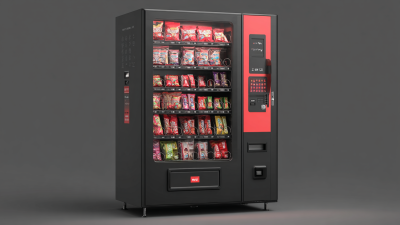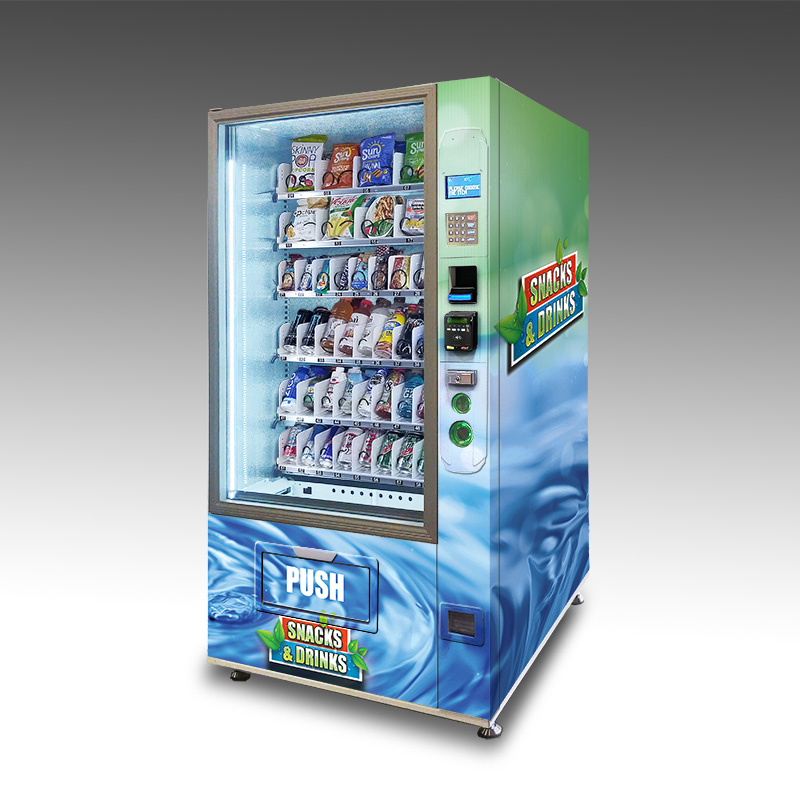
The digital vending machine represents a new wave in automated retail. Unlike traditional vending machines, these advanced units use technology to enhance user experience. They offer a variety of items, from snacks to electronics, accessible with just a few taps.
How does a digital vending machine operate? Users can browse selections on a touchscreen. Payment is streamlined through mobile apps or contactless cards. This convenience attracts more customers. However, the initial setup costs can be high, which may deter some business owners.
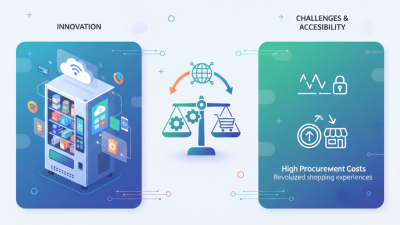
While digital vending machines promise innovation, they also present challenges. Maintenance and software updates are essential for smooth operation. Customers may struggle with technology, leading to frustration. It's crucial to find a balance between tech and user-friendliness.
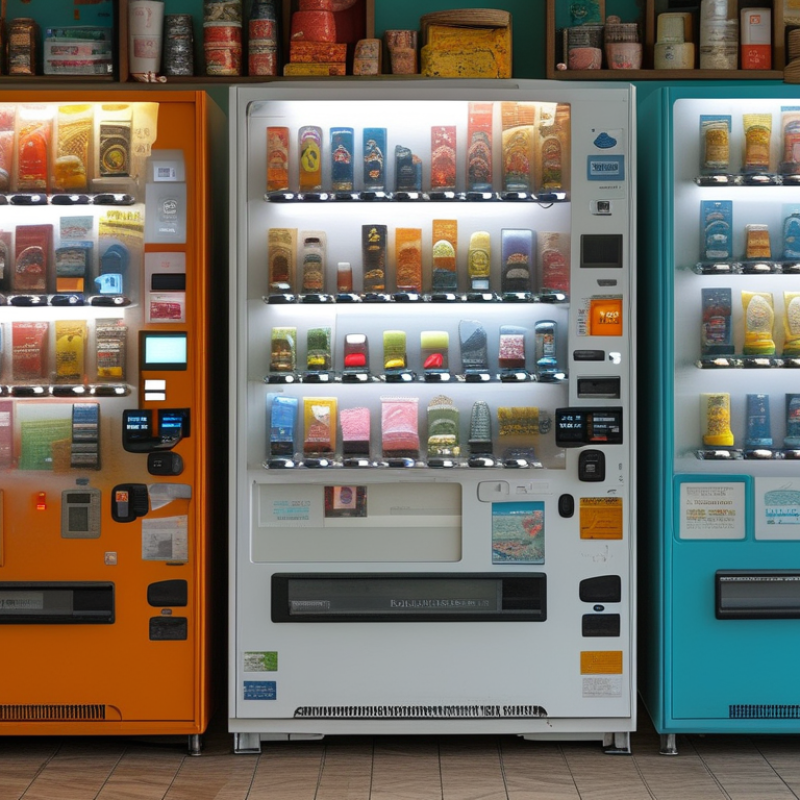
Digital vending machines are an innovative evolution in the vending industry. These machines are equipped with touch screens, cashless payment options, and often offer a variety of products ranging from snacks to electronics. According to recent market reports, the global smart vending machine market was valued at approximately $4.42 billion in 2021 and is projected to grow at a CAGR of 17.4% through 2028.
Unlike traditional machines, digital vending solutions provide real-time inventory management and monitoring. They can track sales data, informing businesses about popular items and peak purchasing times. This data-driven approach enables tailored marketing strategies and supports efficient restocking. However, some challenges persist. Technical issues may disrupt service, leading to potential revenue loss. Security concerns also arise with the reliance on digital payment systems, requiring robust cybersecurity measures.
The unique selling proposition of digital vending lies in its convenience and versatility. Consumers can make purchases without cash, simply by using mobile payment apps or debit cards. This aligns with the growing trend of contactless transactions, especially following the pandemic. Yet, as this market grows, companies must continually innovate to enhance user experience and address technological vulnerabilities.
Digital vending machines represent a significant evolution in automated retail. They integrate various technologies to enhance user experience and efficiency. Key components define their functionality. Each machine typically includes a touch screen, payment processor, and product compartment. A touch screen allows for easy navigation and selection. Customers interact with the interface to choose products, often supplemented with colorful images and detailed descriptions.
The payment processor is crucial. It usually accepts multiple payment methods, such as credit cards, mobile payments, and even cryptocurrencies. According to a recent market report, the global smart vending machine market is expected to reach $7.5 billion by 2026, reflecting the growing trend towards cashless transactions. This flexibility in payment options improves user satisfaction but requires robust security features to protect financial data.
Lastly, the product compartment houses a diverse range of items, from snacks to electronics. Modern designs often include temperature control to maintain product quality. However, maintaining inventory and ensuring freshness poses ongoing challenges. Operators must frequently restock, which can complicate logistics. Despite the advanced technologies, issues remain that can affect both user experience and operational efficiency. Continuous assessment and innovation are essential in overcoming these hurdles for future success.
Digital vending machines represent a significant shift in the way consumers interact with retail products. These machines leverage technology to enhance user experience and operational efficiency. According to a recent market analysis, the global smart vending machine market is poised to reach USD 7 billion by 2026, growing at a CAGR of 10.2%. This surge is driven by increased demand for convenience and contactless purchasing options.
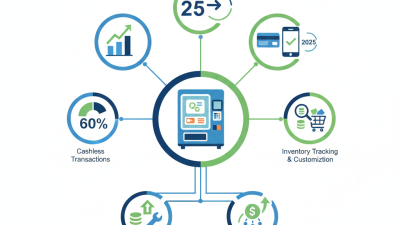
How these machines operate involves a multi-faceted approach. Equipped with sensors, cameras, and software, they offer real-time inventory management. This allows operators to identify which items require restocking. Payment options have evolved as well. Consumers can now utilize mobile wallets, QR codes, and credit/debit cards. A survey noted that 57% of users prefer cashless transactions, reflecting changing consumer habits.
However, the reliance on technology also poses challenges. Technical malfunctions can disrupt service and frustrate customers. Additionally, while machine learning enhances personalization, data privacy remains a concern. Balancing innovation with security is crucial as businesses move forward. Continued investment in improving user interfaces and troubleshooting mechanisms is necessary to meet consumer expectations.
| Feature | Description |
|---|---|
| Payment Methods | Supports various payment options including credit cards, mobile wallets, and contactless payments. |
| User Interface | Interactive touchscreens that allow users to browse products easily and make selections. |
| Inventory Management | Real-time tracking of stock levels, enabling automatic restocking alerts and efficient inventory management. |
| Data Analytics | Collects sales data to analyze consumer preferences and trends for better stock and service optimization. |
| Remote Management | Allows operators to monitor and control machines remotely for maintenance and troubleshooting. |
| Product Range | Wide variety of products from snacks and beverages to electronics and personal care items. |
| Customization | Ability to customize product offerings based on location and consumer preferences. |
Digital vending machines offer numerous benefits that enhance the consumer experience. These machines use touchscreens and RFID technology to allow users to select items easily. They often accept various payment methods, including mobile wallets and credit cards. This flexibility caters to modern consumer preferences. As a result, users enjoy a seamless purchasing experience.
One significant advantage is the ability to analyze consumer behavior. Digital machines can track sales data and inventory levels. This information helps operators stock popular items and rotate inventory effectively. However, this technology might lead to over-reliance on data. Businesses must still prioritize customer feedback. Ignoring personal interactions could result in missed opportunities for improvement.
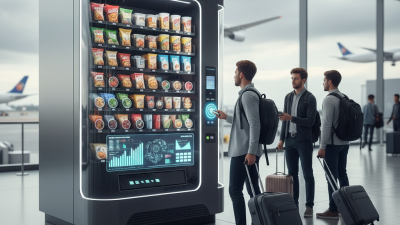
Convenience is another key benefit. Users can access products 24/7. This is particularly helpful in locations like airports and universities. However, availability can lead to impulsive purchasing. Consumers might buy items they do not need. Operators should consider offering healthier options to encourage thoughtful consumption. Balancing convenience and mindful choices is essential in the digital vending landscape.
Digital vending machines are evolving rapidly, integrating advanced technology to enhance user experience. A shift towards touchless transactions has emerged, especially in the wake of health concerns. According to a 2022 industry report, approximately 55% of consumers prefer contactless payment options. This trend indicates a clear demand for machines that minimize physical interactions.
Artificial intelligence plays a significant role in the future of digital vending. Utilizing AI, these machines can analyze purchasing patterns and adjust inventory in real time. Studies show that AI-driven systems can increase sales by up to 30% in high-traffic areas. This data underscores the potential for smarter vending solutions that adapt to consumer behavior.
Additionally, digital vending is leaning towards sustainability. Many machines are now equipped to offer eco-friendly products. The global market for sustainable vending solutions is projected to reach $1 billion by 2025. However, challenges remain. There is a growing need for better recycling initiatives and waste management strategies within the industry. As these machines take center stage in convenience retail, striking a balance between technology and environmental impact is essential.