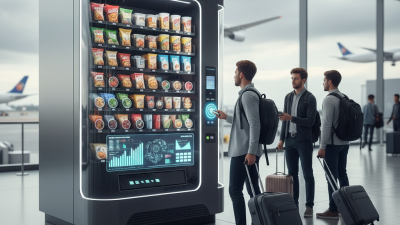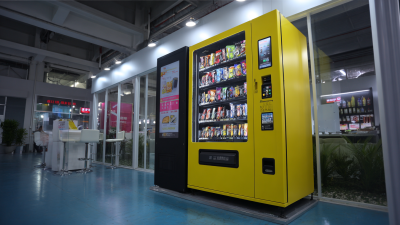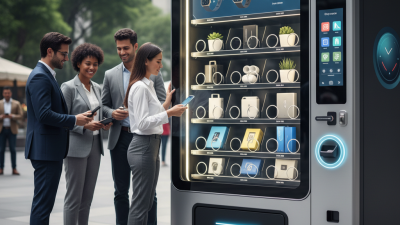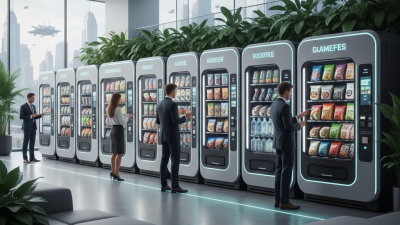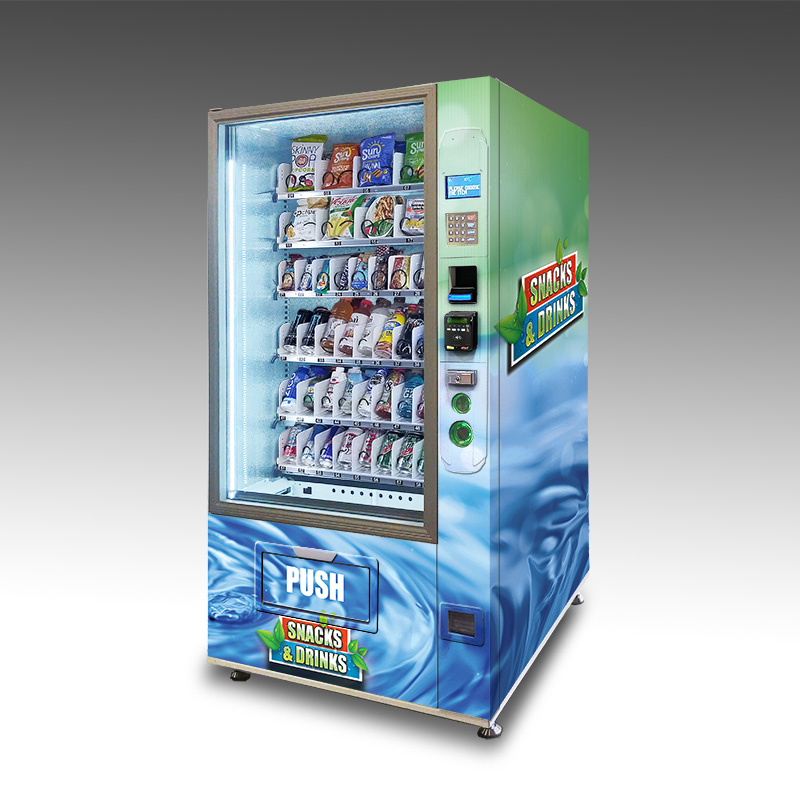
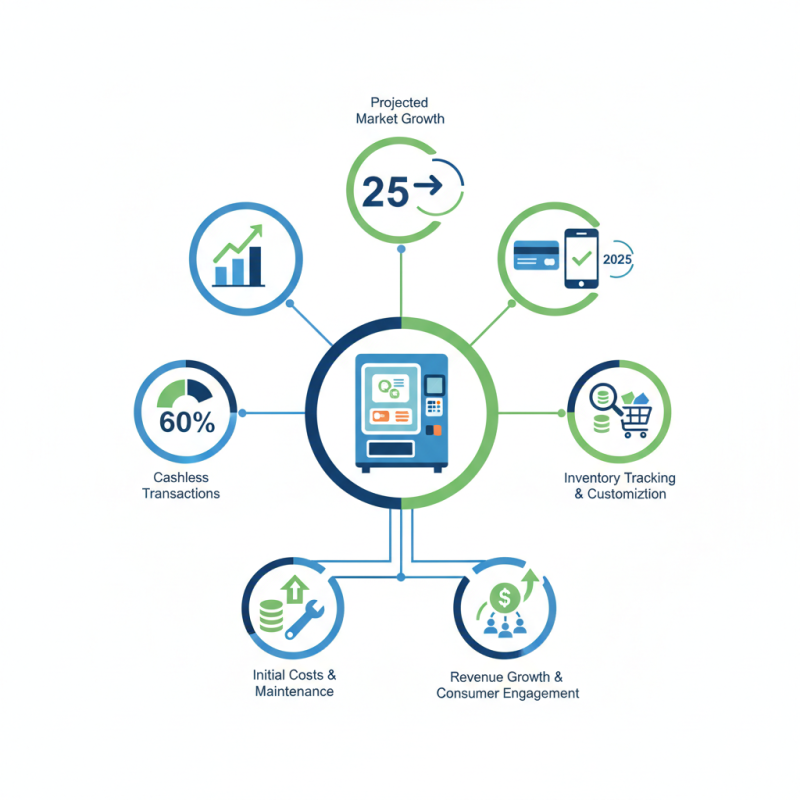
In today's fast-paced business landscape, the digital vending machine is emerging as an innovative solution for various industries. According to a report from IBISWorld, the vending machine industry is projected to reach USD 25 billion by 2025, highlighting the growing demand for automated retail solutions. Digital vending machines offer enhanced user experiences through cashless transactions and customizable product selections.
These machines leverage technology to track inventory and consumer preferences, providing valuable insights for business owners. Additionally, research from Statista reveals that over 60% of consumers prefer cashless payment options, a feature that digital vending machines readily embrace. This shift towards digital solutions reflects changing consumer behavior and the need for businesses to adapt.
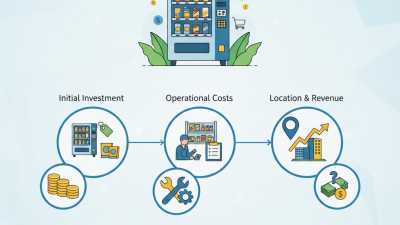
Despite the advantages, some challenges exist. Initial setup costs can be high, and maintenance is essential for optimal performance. Businesses must weigh these factors carefully, ensuring they align with their operational goals. Ultimately, investing in a digital vending machine can reveal significant opportunities for revenue growth and consumer engagement.
Digital vending machines are transforming the way businesses supply products. Their interactive interfaces attract more customers. Users can view detailed product information and nutritional values, helping them make informed choices. This level of engagement is often missing in traditional vending options.
Another significant advantage is inventory management. Digital systems can track stock levels in real-time. Alert notifications prevent stock-outs and reduce waste. This efficiency saves time and ensures a constant supply of goods. In a traditional setup, manual checks often lead to errors and missed opportunities.
Security is an essential factor as well. Digital machines can incorporate cashless payment methods, reducing theft risk. Surveillance features can deter vandalism. Yet, the reliance on technology may lead to issues, such as system downtime. Businesses must weigh these risks, ensuring they have the ability to address potential failures effectively.
| Feature | Digital Vending Machines | Traditional Vending Machines |
|---|---|---|
| User Interface | Touchscreen, interactive | Basic buttons, less engaging |
| Payment Options | Cashless (cards, mobile payments) | Cash only or limited card support |
| Inventory Management | Real-time monitoring | Manual checks required |
| Customization | Flexible product offerings | Limited, predefined selections |
| Maintenance | Remote diagnostics possible | On-site maintenance needed |
| Customer Engagement | Promotions, advertisements | No engagement opportunities |
The digital vending machine industry is experiencing remarkable growth. More businesses seek innovative ways to enhance customer experiences. With the rise of cashless transactions, these smart vending solutions have become essential. They cater to tech-savvy consumers who expect convenience and speed.
Market trends indicate a surge in demand for these machines. They offer a diverse range of products, from snacks to personal care items. Consumers appreciate being able to purchase items through apps or contactless payments. This adaptability allows businesses to reach a wider audience. However, implementing such technology is not without challenges. Companies must ensure a reliable internet connection and consistent stock levels.
Many business owners are still hesitant. They may wonder about the profitability of digital vending machines. Initial costs can be high, and maintenance requires attention. Their effectiveness largely depends on location and product selection. As the industry evolves, continuous learning will be crucial to overcoming these hurdles.
Digital vending machines are transforming the retail landscape. Equipped with advanced technology, they offer seamless experiences for customers. Reports indicate that 75% of consumers prefer automated experiences over traditional service. This shift highlights the need for businesses to adapt or risk falling behind.
Key features of digital vending machines enhance customer experience in various ways. Touchscreen interfaces allow for easy navigation. Customers can find products quickly, which reduces frustration. Moreover, real-time inventory updates ensure that popular items are always stocked. These features cater to a growing demand for convenience.
Tips: Invest in data analytics tools. This helps understand customer preferences and improve inventory management. Also, consider offering a wider selection. Research shows that variety can increase sales by up to 30%. However, a broad range can lead to overwhelming choices. Balance is essential for optimal customer satisfaction.
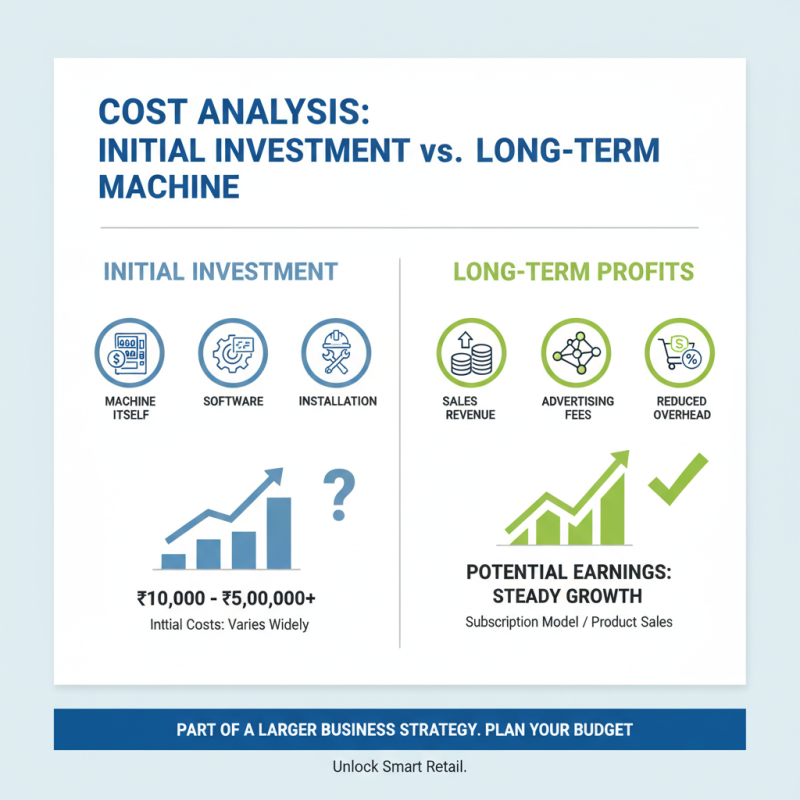
Investing in a digital vending machine can seem daunting. The initial costs include the machine itself, software, and installation. This can range from a few hundred to thousands of dollars. Consider these figures as part of a larger equation. Understand how they fit into your overall business strategy and budget.
Long-term profits often tell a different story. Digital vending machines offer low maintenance costs and can operate around the clock. They also provide valuable data on consumer behavior. This insight allows businesses to optimize their offerings and adapt to trends. However, one must evaluate ongoing expenses. Regular updates and occasional repairs can add up.
Choosing this model means weighing the upfront investment against the potential for passive income. It can be a game-changer in vending. Yet, it’s crucial to remain vigilant. Reflect on the machine's performance regularly. Are sales meeting expectations? Are you genuinely reaching your target market? Engaging in this analysis will guide your business decisions effectively.
Digital vending machines are transforming various industries by providing efficient solutions tailored to business needs. A report by Research And Markets states that the global smart vending machine market is expected to reach $7.89 billion by 2027, growing at a CAGR of 15.7%. This trend indicates a rising demand for flexibility and automation in retail and service sectors.
For instance, universities have successfully implemented digital vending machines for offering snacks and personalized meals. In a case study at a large university, one machine saw a 40% increase in sales after integrating a mobile payment option. This shift to cashless transactions attracted more tech-savvy students. Similarly, fitness centers are leveraging these machines to provide healthy snacks. A gym in California reported a 30% spike in member satisfaction with on-the-go nutrition options.
Tips: Ensure that your inventory reflects customer preferences. Regular data analysis can help refine product offerings. Engaging with customers through surveys can also yield valuable insights into what they want most.
Considering the steep upfront costs, businesses should evaluate their long-term return on investment. Not every location sees the expected foot traffic. Conducting a feasibility study can prevent costly mistakes. After all, the best implementation strategy is data-driven, ensuring effective placement and product selection.