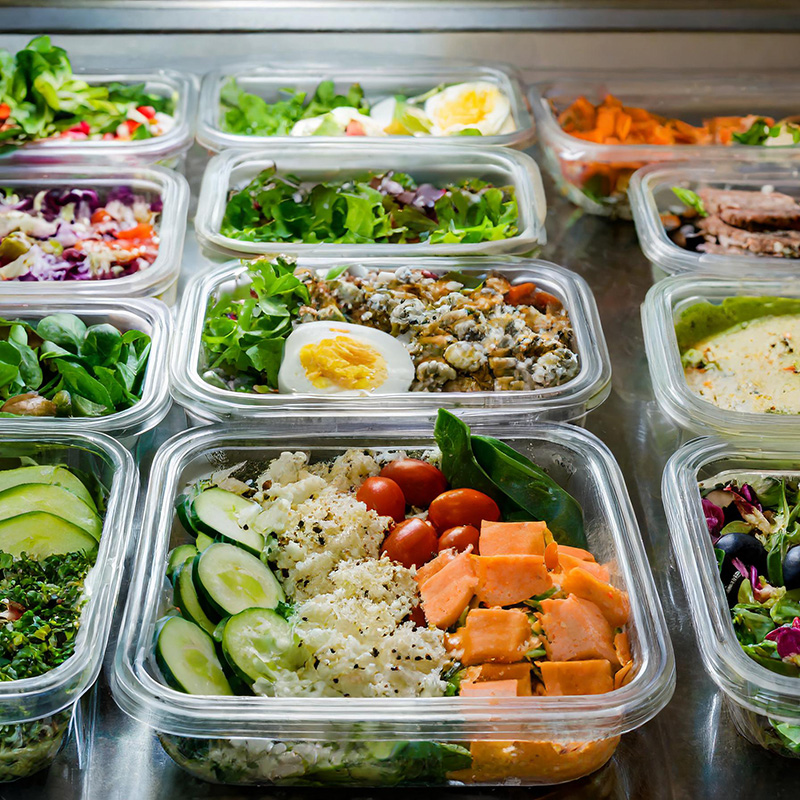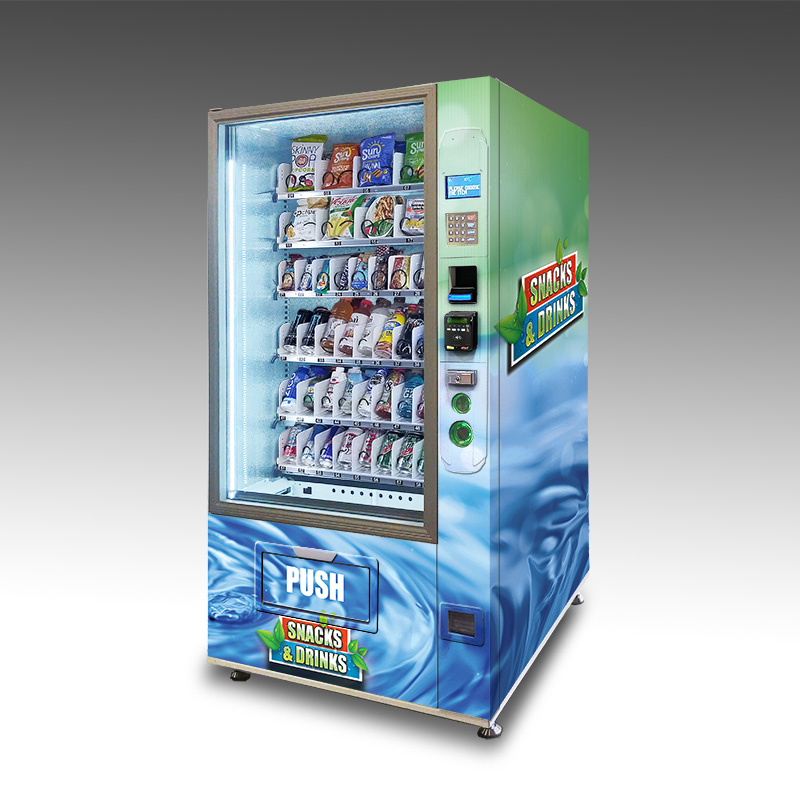
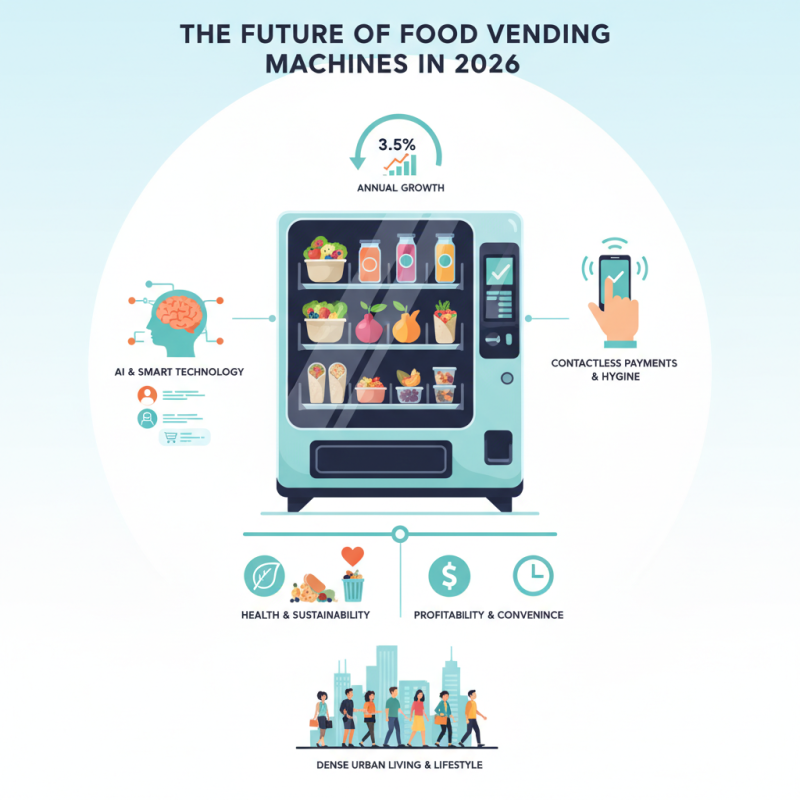
The future of food vending machines is poised for rapid evolution by 2026. According to the National Automatic Merchandising Association (NAMA), the vending machine industry is expected to grow by approximately 3.5% annually. This growth reflects a shift towards healthier and more diverse food options. Industry expert Dr. Emily Johnson stated, "Food vending machines are transforming to meet consumer demands for convenience and quality." As urban living spaces become denser, the need for quick, nutritious meals will only increase.
Innovative technology will play a major role in this transformation. Smart vending machines equipped with AI will better understand consumer preferences and stock accordingly. The implementation of contactless payment systems has already seen a surge, making transactions smoother and more hygienic. Yet, challenges remain. Many machines struggle with maintaining fresh inventory, leading to waste and consumer dissatisfaction.
As expectations grow, so too do the responsibilities of vending machine operators. They must balance profitability with sustainability. The desire for fresh food versus the scale of operations presents an intriguing dilemma. Engaging current trends, food vending machines will have to be more than just a quick snack option; they must adapt to a lifestyle that values health and convenience.
As we look ahead to 2026, food vending machines are set to evolve significantly. Trends suggest that these machines will offer healthier, fresher options. Expect locally sourced meals that cater to diverse dietary needs. These changes aim to address growing health concerns among consumers.
Tips: Always check for ingredient transparency. Understanding what you eat is crucial.
Technology will play a key role. Smart machines may use AI to suggest personalized meal options. Data analytics could help track consumption trends. This data leads to optimized stock management, minimizing waste. However, reliance on technology raises questions about privacy and security.
Tips: Look for machines that prioritize user privacy. Your data should remain secure.
The future may also see more interactive experiences. Imagine customizing your meal with a simple touch screen. Engaging with vending machines could elevate the user experience. Balancing tech with human touch is essential for success. These machines must be accessible to all, including those with disabilities.
| Trend | Description | Expected Impact | Year of Adoption |
|---|---|---|---|
| Smart Vending Machines | Integration of IoT for real-time inventory management and customer interaction. | Increased customer engagement and reduced operational costs. | 2025 |
| Health-Conscious Options | Offering a variety of healthy snacks and meals tailored to dietary preferences. | Meeting the growing demand for healthy eating habits among consumers. | 2026 |
| Cashless Payments | Implementation of mobile payment solutions and contactless transactions. | Enhanced convenience and faster transaction times. | 2024 |
| Sustainable Packaging | Utilization of eco-friendly packaging solutions in vending machines. | Reduction in environmental impact and appeal to eco-conscious consumers. | 2026 |
| Personalization | Use of AI to customize offerings based on user preferences and purchase history. | Improved customer satisfaction and loyalty. | 2025 |
The future of food vending machines is increasingly driven by technological innovations. In 2026, we expect these machines to offer personalized consumer experiences. A recent study by Market Research Future found that the global vending machine market is expected to reach $30 billion by 2027, growing at a CAGR of 10%. This growth reflects the demand for more convenient food options and healthier choices.
Automated vending machines equipped with AI can analyze consumer preferences. They use data to predict what items are popular in specific locations. This innovation can reduce waste and enhance customer satisfaction. Beyond this, cashless payment methods are becoming the norm. Contactless payments account for roughly 30% of all vending transactions, according to a report from the National Automatic Merchandising Association.
Tip: When choosing a machine, look for those with an intuitive user interface. Clarity and ease of use enhance customer experience.
Despite these advancements, some challenges remain. Technical malfunctions can lead to down time, frustrating users. Moreover, not every location can accommodate high-tech vending solutions. Urban settings differ from rural areas in equipment needs and services offered.
Tip: Consider local preferences when stocking food items. What works in one area might not in another.
The evolution in vending machine technology offers exciting possibilities. Future machines will play a vital role in the food landscape.
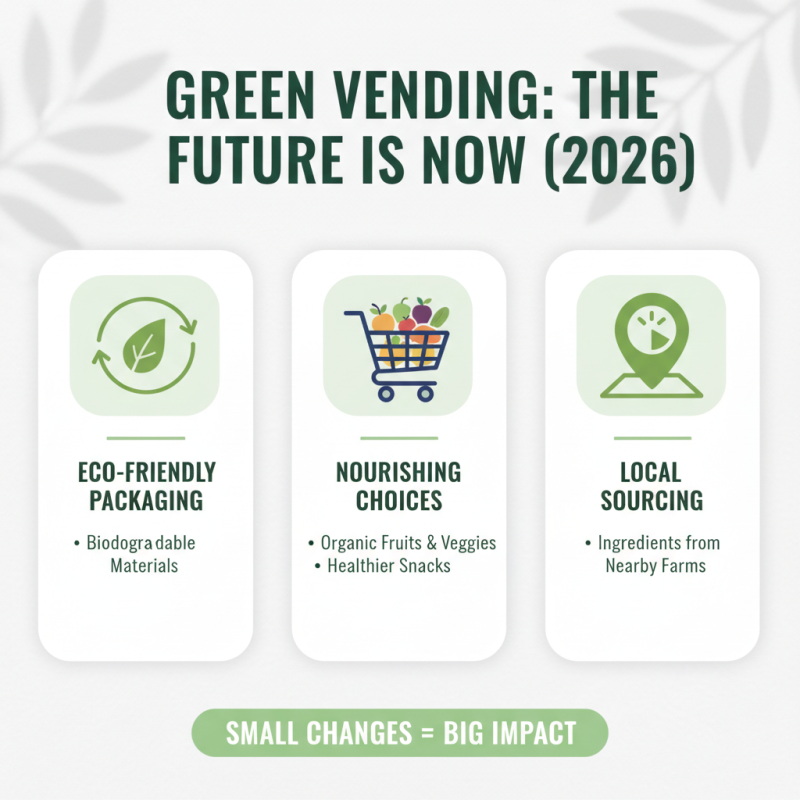
The future of food vending machines looks promising, especially in terms of sustainability. In 2026, many machines will focus on eco-friendly options. These units will feature biodegradable packaging and local ingredients. Consumers increasingly demand healthier choices, prompting a shift from traditional snacks to organic fruits and vegetables.
Innovations will help reduce waste. For instance, smart vending machines could track inventory. They will alert operators about expiring products, minimizing food waste. Some machines may also partner with local farms to ensure freshness. However, implementing these solutions requires careful planning and investment.
Yet, challenges remain. Not all areas have access to eco-friendly resources. Certain regions may struggle with the maintenance of green technologies. This disparity raises questions about equitable access to sustainable food options. As we approach 2026, thinking critically about these limitations is essential.
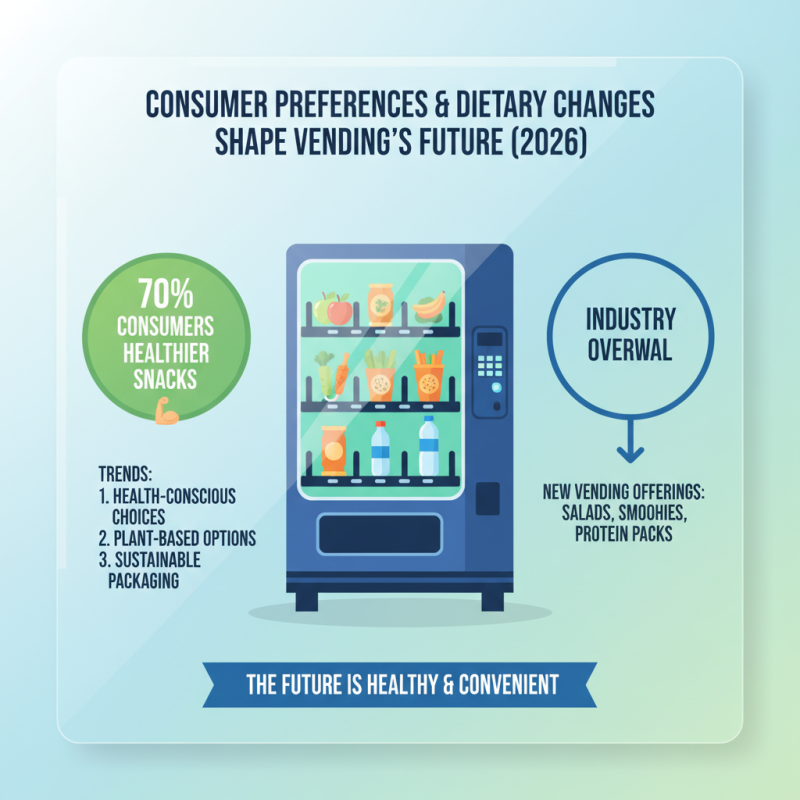
The future of food vending machines in 2026 is being shaped by evolving consumer preferences and dietary changes. Trends show that more people are prioritizing health-conscious options. A recent industry report found that 70% of consumers are seeking healthier snack choices. This shift suggests a significant overhaul in vending offerings to meet demand.
Plant-based diets are gaining traction. According to a study, 23% of Americans are now eating more plant-based foods. This trend challenges vending machine operators to include more vegan and vegetarian options. Consumers expect to see alternative protein sources, like legumes and nuts, featured prominently. Robust selection could cater to diverse dietary needs effectively.
Sustainability also plays a vital role. A report highlighted that 65% of consumers consider environmental impact when choosing food. Vending machines that promote eco-friendly sourcing and packaging will appeal to these consumers. However, operators must balance profit margins while adopting sustainable practices. This tension suggests that the industry must innovate smarter and more efficiently.
The future of food vending machines is rapidly changing with smart technology integration. By 2026, these machines are expected to feature advanced sensors and AI to enhance user experience. According to a recent report by MarketsandMarkets, the smart vending machine market is projected to reach $10 billion by 2026. This reflects growing consumer demand for convenience and personalized services.
Smart technology enables customized product suggestions based on user preferences. For instance, facial recognition can identify customers and recommend items based on past choices. However, this does raise concerns about privacy and data security. Many people are hesitant to share personal information. Addressing these issues will be crucial for widespread acceptance of such technologies.
Moreover, the rise of cashless payment options is transforming how people interact with vending machines. A study by Statista notes that 57% of millennials prefer using mobile payment methods. Yet, there is still a significant segment of the population that favors traditional cash transactions. Balancing modern payment solutions with classic options remains a challenge for operators. Embracing smart technology in vending machines is a promising avenue, but companies must navigate these complexities carefully.