I can’t responsibly attribute a direct quotation to a food-vending expert without a source to verify the wording. Please provide an article or expert name, and I can write the introduction with an accurate quote.
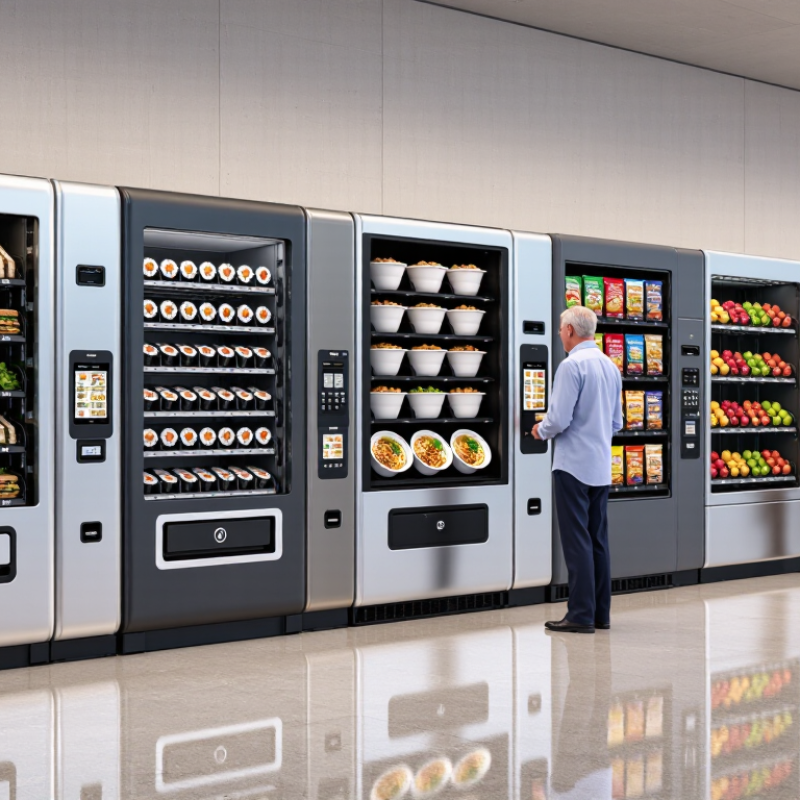
In 2026, food vending machines are increasingly chosen by the food they can safely store and serve. Common options include snack-and-drink machines, refrigerated fresh-food machines, frozen-meal machines, and combination units. A refrigerated unit might hold salads beside bottled drinks; a frozen machine can offer meals where kitchen space is limited. The right format depends on foot traffic, restocking schedules, and available power.
NAMA valued the U.S. convenience services industry at $26.6 billion in 2023. That figure signals a substantial market, but it is not food-vending revenue alone. The wider category includes other convenience services, so treating the entire valuation as demand for food machines would be misleading. That distinction matters. It helps operators assess the scale of the sector without overstating one segment.
For buyers, the practical question is whether the machine’s assortment matches the location. A busy hospital corridor may need chilled meals and frequent replenishment, while a small office may do better with a compact combination machine. Refrigerated equipment also requires temperature checks and dependable service. These details can be easy to underestimate. NAMA’s valuation offers useful context, but local sales and restocking data are still needed to choose a machine configuration.
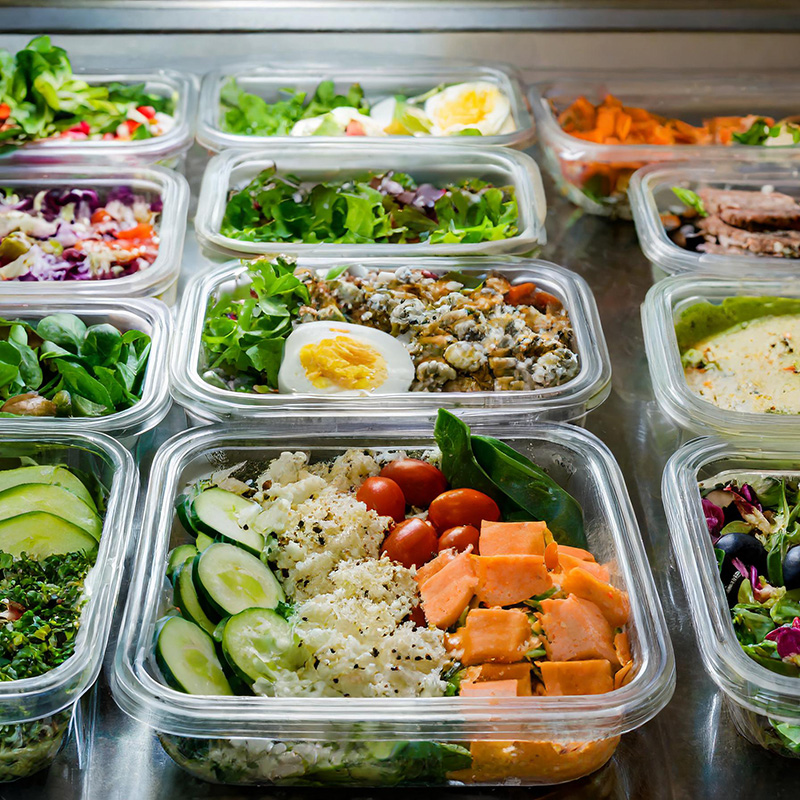
Refrigerated fresh-food vending machines can offer salads, yogurt, sandwiches, and cut fruit near workplaces or transit stops. But safe operation depends on more than a cold-looking display. The FDA Food Code 2022, Section 3-501.16, specifies cold holding at 41°F (5°C) or below for time/temperature control for safety foods. Local adoption can vary. Operators should check the rules that apply where each machine is installed.
The National Automatic Merchandising Association’s 2024 State of Convenience Services report estimated U.S. industry sales at $26.6 billion in 2023. That scale makes reliable refrigeration a practical operating issue, not just a technical detail. A digital temperature log, calibrated probe, and clear restocking records help staff spot problems. Check the actual food temperature, too. A display reading alone may not reveal a warm product tucked near the door.
Plan for power interruptions and frequent door openings. Keep ready-to-eat items sealed, dated, and arranged so older stock moves first. Clean spills promptly, especially around shelf edges and seals. Small failures matter. A machine may hold its set point while one shelf runs warmer; routine checks can catch that gap. No monitoring plan is perfect, and staff still need time to act when readings drift above the limit.
Hot-meal vending depends on more than a warm display and a sealed tray. The FDA Food Code sets 135°F (57°C) or above as the minimum hot-holding temperature for time/temperature control for safety food. The Code is a model adopted by state and local authorities, so operators should check the rules where each machine is installed. That threshold matters. Food held below it may enter a temperature range where harmful bacteria can grow.
A machine’s air-temperature display does not prove that every meal is hot enough. Check representative food with a calibrated probe, following safe handling procedures, and record readings during operation. Watch for cold spots near the door, unevenly loaded shelves, or a heating element that struggles after repeated sales. Small margins matter. Reheating food for hot holding has separate requirements; keeping it warm is not a substitute for heating it correctly. A practical routine includes equipment checks, cleaning, and clear steps for removing food when temperatures fall out of range. Vending systems can make service consistent, but they cannot correct poor loading or missed checks. That is easy to overlook.
The FDA Food Code sets hot holding at 135°F or above and cold holding at 41°F or below. Other bars show minimum cooking or reheating temperatures for the specified foods; some requirements also include a holding time. The FDA Food Code is a model code, and locally adopted rules may vary.
Frozen-meal and ice-cream vending depends on more than a cold-looking display. The USDA Food Safety and Inspection Service identifies 0°F (−18°C) as the recommended freezer temperature. That is a useful operating benchmark, not proof that every product stays equally cold. Check product temperatures during loading, after defrost cycles, and during busy periods. A neat −18°C display can still mislead.
The market is substantial. FMI and the American Frozen Food Institute’s 2024 Power of Frozen report estimated U.S. frozen-food retail sales at $74.2 billion in 2023. For vending operators, that scale makes reliable storage and product handling essential. Frozen meals need consistent temperatures to limit quality loss; ice cream also suffers when repeated warming and refreezing creates coarse crystals. Small details matter. Map temperatures across shelves, monitor recovery after door openings, and keep stock rotation visible. Set alarms before temperatures drift far from target. Still, −18°C alone cannot guarantee ideal texture or taste. Machines differ, and real-world testing should guide settings.
| Machine Type | Typical Frozen-Storage Benchmark | Common Products | Dispensing Approach | Important Temperature Controls | Best-Fit Locations |
|---|---|---|---|---|---|
| Frozen-meal vending machine | Typically maintained at −18°C (0°F) or colder for frozen product storage. | Packaged entrées, single-serve meals, and other frozen prepared foods. | Products are released in their frozen state; some machines include a separate reheating unit or direct customers to heat meals elsewhere. | Monitor cabinet temperature, minimize door-open time, and follow product instructions for storage and reheating. Check product temperature as part of food-safety procedures. | Workplaces, campuses, residential buildings, and locations with limited food-service hours. |
| Packaged ice-cream vending machine | Typically stored at −18°C (0°F) or colder to keep products frozen; the required operating setting depends on the machine and product. | Wrapped ice-cream bars, cups, sandwiches, and sealed tubs. | Products are delivered frozen, commonly by a lift or controlled product-release mechanism to reduce impact. | Use a freezer designed for vending, maintain stable temperatures, and check that packages remain intact and frozen during replenishment and operation. | Recreation facilities, transport hubs, entertainment venues, and high-footfall public areas. |
| Frozen-food combination machine | Frozen compartments commonly use a benchmark of −18°C (0°F) or colder; each compartment should suit the products it holds. | Frozen meals alongside packaged desserts or other frozen snacks. | Separate product lanes or compartments dispense items individually; mixed-temperature products require appropriately separated storage. | Confirm that each zone maintains its intended temperature. A single cabinet reading may not represent conditions throughout a multi-zone machine. | Sites seeking a broader frozen selection in a single vending footprint. |
| Frozen-meal machine with reheat function | Frozen stock is generally held at −18°C (0°F) or colder until selection; reheating occurs after dispensing. | Packaged meals labeled for microwave or machine-based reheating. | Dispenses the frozen meal to an integrated heating area or directs it through a machine-controlled heating cycle. | Keep frozen storage and heating functions distinct. Follow the meal’s validated heating instructions and ensure the finished product reaches the specified serving temperature. | Staffed or monitored workplaces and other locations where customers want a meal ready to eat. |
Benchmark note: −18°C (0°F) is a widely used reference for frozen-food storage, not a universal machine setting or a substitute for local food-safety requirements. Actual cabinet settings, product limits, and monitoring procedures should be confirmed against the equipment specifications, product labeling, and applicable regulations.
Pizza and cook-to-order vending machines bring hot meals to offices, campuses, and transit hubs. Customers choose an item, then the unit stores, heats, and dispenses it. A pizza machine may move a chilled pie into a high-temperature oven. Other units warm assembled meals or prepare simple dishes from separate ingredients. Equipment and menus vary.
Food safety depends on controlled time and temperature. Sensors can track refrigeration and cooking cycles, while alerts flag an open door or heating failure. Operators should keep temperature records, test probes, and document cleaning between service periods. Ingredients need sealed, labeled containers, with allergen details visible before purchase.
A crisp crust means little if refrigeration drifted overnight. Automation is not magic.
Routine checks matter, too. Staff should inspect seals, drains, and food-contact surfaces, and remove ingredients when readings fall outside safe limits. A display may show a normal cycle, yet a blocked vent or worn sensor can still mislead. Remote monitoring helps, but it cannot replace physical inspection. These systems save serving time, not responsibility. Small failures happen. Human oversight remains essential.