Why Is Vending Machine Cost So High?

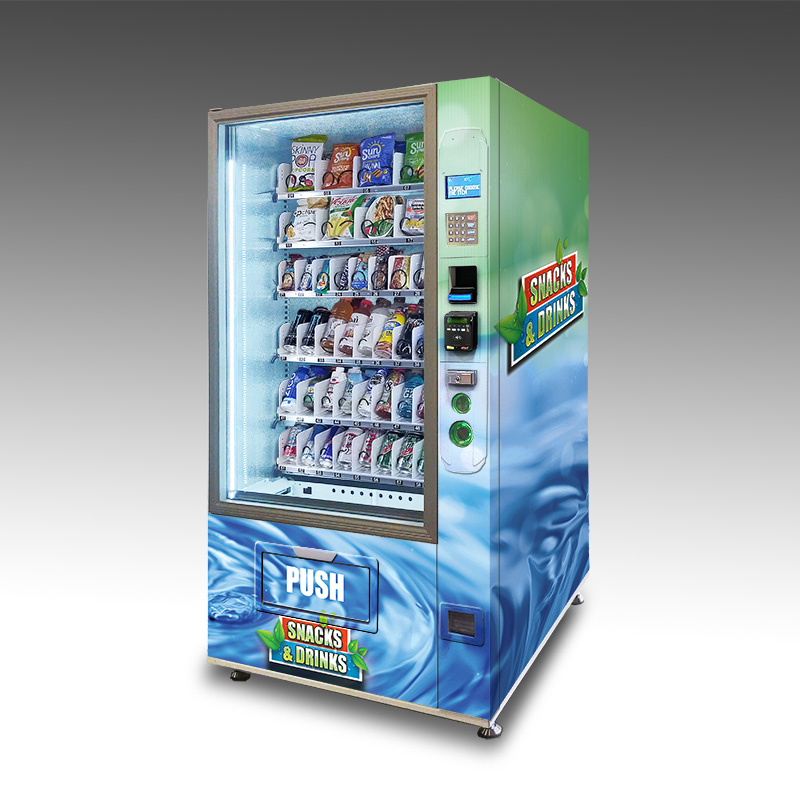
Why Is Vending Machine Cost So High? The short answer is that you are not buying a metal cabinet alone. You are buying a small retail system. A new snack machine may cost several thousand dollars before delivery, installation, payment hardware, and initial inventory. Refrigerated models often cost more because compressors, insulation, and temperature controls require additional engineering.

Vending industry expert Jeff Marsh puts it plainly: “A vending machine is a business, not a box that prints money.” That sentence explains why vending machine cost can surprise first-time operators. A card reader, wireless service, security lock, and remote inventory software can add recurring expenses. Location commissions may reduce each sale. Repairs can also arrive at the worst time, such as when a bill validator fails during a busy workday. Small expenses become large together.

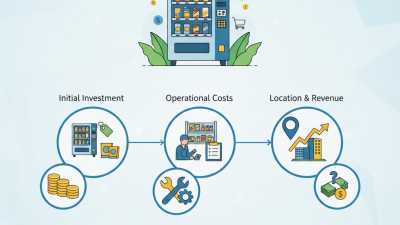
The visible price is only part of the calculation. Delivery trucks, product spoilage, insurance, permits, electricity, and regular restocking all affect the total cost of ownership. A machine placed in a quiet office may recover its investment slowly, even when it looks attractive on paper. That estimate is imperfect. Sales depend heavily on foot traffic, product mix, and local competition. Some operators also underestimate their own time. They count cash flow, but forget fuel, lifting, scheduling, and customer service. A careful comparison should examine both startup cost and monthly operating cost. It should also leave room for repairs and weak sales. That is less exciting, but more realistic.
Why Is Vending Machine Cost So High?

What Makes Up the Total Cost of a Vending Machine?

The total cost of a vending machine starts long before products enter the spiral. Purchase price is only the visible layer. A standard unit may cost several thousand dollars, while refrigerated, touchscreen, or cashless models cost more. Grand View Research valued the global vending machine market at USD 21.84 billion in 2023. It projected a 10.7% CAGR through 2030. That growth reflects equipment, software, payment systems, and servicing, not hardware alone.

Installation adds practical expenses. Delivery, site preparation, electrical work, permits, insurance, and initial inventory can quickly alter the quotation. Payment hardware may require setup fees and transaction charges. Connectivity also matters. A cellular plan, remote monitoring subscription, and software support create recurring monthly costs. ENERGY STAR reports that certified vending machines use about 40% less energy than standard models. Yet electricity rates differ sharply by location. An efficient machine in a hot, busy hallway may still consume more than expected.

Operations often become the expensive part. NAMA’s 2022 Industry Census reported the wider U.S. convenience-services market at approximately USD 26.6 billion in 2022. Route labor, stocking, maintenance, and product waste shape profitability. Product margins are not guaranteed. Slow sales create expired inventory, while heavy traffic increases refill frequency and equipment wear. These costs are easy to underestimate because they appear in small invoices. My budgeting rule is to model low, normal, and peak demand. Still, the model remains imperfect. Weather, outages, and an awkward location can defeat a spreadsheet.

How Manufacturing and Technology Increase the Initial Price

Why Is Vending Machine Cost So High?

How Manufacturing and Technology Increase the Initial Price

A vending machine is not simply a metal cabinet with a payment screen. Manufacturers build weather-resistant enclosures, reinforced doors, product spirals, cooling systems, and safety controls. Each component must survive repeated opening, vibration, dust, and temperature changes. That durability raises factory costs before the machine reaches its buyer. Cheaper materials may reduce the invoice, but they can create maintenance problems later. This trade-off is often overlooked during early budgeting.

Technology adds another layer. Modern machines may include cashless payment hardware, remote inventory sensors, telemetry, touch displays, and diagnostic modules. These parts require engineering, testing, software integration, and regular updates. A single payment reader is not expensive alone. The full system is. Engineers must connect payment networks, refrigeration controls, and inventory software reliably. Connectivity can also create subscription and support costs after installation. That detail is easy to miss.

Manufacturing volume strongly affects the initial price. A small production run spreads tooling, design, and testing expenses across fewer units. Custom cabinet dimensions or unusual product layouts increase labor further. Quality inspections, protective packaging, shipping, and final calibration add less visible costs. Still, a high price does not guarantee good value. Buyers should request specifications, warranty terms, energy estimates, and service response times. I would also test a working unit before ordering. That step feels obvious, yet it is often skipped.

Why Location, Installation, and Inventory Add to Expenses

Why Is Vending Machine Cost So High?
Why Location, Installation, and Inventory Add to Expenses

A vending machine may seem like a simple self-service business. The purchase price is only one part of the investment. Location often creates the largest ongoing expense. Busy offices, hospitals, and transport areas usually charge rent or a percentage of sales. High foot traffic helps, but it does not guarantee strong profits. That assumption can fail.

Installation also adds unexpected costs. Technicians may need to check power access, floor stability, lighting, and customer clearance. Electrical upgrades can increase the original estimate. Delivery, leveling, security measures, and payment-system setup may cost extra. A cramped hallway can require more labor than an open retail space. I once underestimated this preparation stage. The machine arrived before the site was truly ready.

Inventory affects expenses every week. Operators must buy products before customers purchase them. Drinks and snacks need different storage conditions and refill schedules. Slow sellers tie up cash and may expire. They also make the machine look neglected. Small mistakes become expensive. A practical inventory plan tracks sales by product, day, and location. It should include restocking time, fuel, payment processing fees, and routine cleaning. Even then, demand can change suddenly. Seasonal traffic and nearby construction can weaken a previously reliable site.

How Maintenance, Security, and Payment Systems Raise Operating Costs

Why Is Vending Machine Cost So High?

How Maintenance, Security, and Payment Systems Raise Operating Costs

A vending machine may look simple, but it contains motors, sensors, cooling units, locks, and control boards. Each component can fail without warning. From field observations, routine inspection reduces emergency visits, yet it never removes them completely. Technicians check temperature, product movement, wiring, and coin mechanisms during scheduled service. That work takes time. Replacement parts also become expensive when machines operate outdoors or in dusty locations.

Security creates another ongoing expense. Operators may need reinforced locks, cameras nearby, alarm sensors, and stronger machine housing. These measures protect cash, products, and customer data. However, security equipment requires testing, battery replacement, and occasional software updates. A neglected sensor can create false alarms or leave a real problem unnoticed. That is a costly weakness.

Payment systems add less visible costs. Card readers need secure communication, encryption, compliance checks, and regular firmware maintenance. Each transaction may also involve processing fees, connectivity charges, or service contracts. A weak internet signal can interrupt payments and require a technician’s visit. Customers may blame the machine, even when the network caused the failure. I have seen operators underestimate these small charges because each one looks minor. Together, they can change the machine’s monthly profit. The budget is rarely perfect. Review it often.

Why Is Vending Machine Cost So High? — How Maintenance, Security, and Payment Systems Raise Operating Costs
Cost Dimension Typical Cost Range Cost Timing What the Cost Usually Covers Why It Can Become Expensive Practical Cost-Control Measure
Machine Purchase $3,000–$10,000 per machine Upfront Cabinet, refrigeration, delivery, installation, and initial configuration. Refrigerated machines, larger capacities, cashless capabilities, and energy-efficient components increase the purchase price. Match machine size to expected sales volume and compare total ownership cost rather than purchase price alone.
Routine Maintenance $40–$150 per month Monthly average Cleaning, calibration, preventive inspections, minor repairs, and replacement of wear parts. Frequent door use, temperature fluctuations, jammed product spirals, and poor cleaning schedules increase service calls. Use preventive maintenance, keep common spare parts available, and select durable components during purchase.
Major Repairs $200–$1,500 per incident Occasional Replacement of compressors, control boards, bill validators, motors, locks, or display components. A single failure can require both parts and technician travel, especially when the machine is located far from the service area. Maintain a repair reserve and track recurring faults before they cause extended downtime.
Electricity $15–$60 per month Monthly Power for refrigeration, lighting, payment equipment, and standby operation. Refrigerated machines operate continuously, and inefficient compressors or high ambient temperatures increase consumption. Use efficient refrigeration, place machines in shaded indoor locations, and maintain door seals and condenser coils.
Security and Loss Prevention $15–$100 per month Monthly average Reinforced locks, anchoring, surveillance, alarm monitoring, vandalism repairs, and theft-related losses. Outdoor or low-visibility locations face higher risks of forced entry, property damage, and cash theft. Choose supervised, well-lit locations; anchor the machine; reduce stored cash; and use cashless payment options.
Payment Processing Approximately 2%–4% of cashless sales, plus possible transaction fees Per transaction Card, mobile-wallet, network, gateway, connectivity, and account-service charges. Small purchases make fixed transaction fees more noticeable, while poor connectivity can cause failed transactions and lost sales. Compare effective processing rates, use reliable connectivity, and monitor declined-payment rates.
Connectivity and Software $5–$30 per month Monthly Cellular data, telemetry, remote price updates, inventory alerts, and payment-system software. Remote monitoring subscriptions add recurring costs, but machines without monitoring may require more frequent manual visits. Use telemetry where it reduces unnecessary visits and select plans based on actual data usage.
Insurance $20–$100 per month Monthly average General liability, equipment coverage, theft protection, and location-specific requirements. Premiums vary with machine value, operating environment, sales activity, and exposure to public access. Review coverage annually and document maintenance, security controls, and machine locations.
Location Commission or Rent About 5%–25% of gross sales, or a fixed monthly fee Monthly Payment to the property owner for floor space, electricity access, and customer traffic. High-traffic locations can charge more, and a weak location may generate too little revenue to cover the fixed commitment. Measure sales per machine and negotiate terms based on verified traffic and performance.
Restocking and Route Labor $50–$250 per month per machine Monthly average Travel, loading, product handling, inventory checks, and time spent servicing the machine. Low-volume machines can be costly because each visit has travel and labor costs that do not scale down with sales. Cluster machines geographically, optimize delivery routes, and schedule visits using inventory data.
Product Waste and Shrinkage Approximately 1%–5% of product purchases Ongoing Expired products, damaged packages, temperature-related spoilage, and inventory discrepancies. Slow-moving products tie up cash and may expire before the next sales cycle, particularly in low-traffic locations. Use demand-based stocking, shorter product assortments, and first-in-first-out rotation.
Downtime and Lost Sales Variable; often equal to lost gross profit during outages Event-driven Revenue lost when the machine is empty, offline, jammed, damaged, or unable to accept payment. Even a short outage can affect sales disproportionately when the machine serves a captive customer base. Set service alerts, maintain critical spare parts, and prioritize repairs according to sales potential.
Cost ranges are general planning estimates for standard snack and beverage vending operations. Actual costs depend on machine type, sales volume, labor rates, electricity prices, location terms, security conditions, product mix, and local regulations. Payment percentages are typically calculated on cashless sales rather than total sales.

When Vending Machines Become Profitable Despite Their High Cost

Why Is Vending Machine Cost So High?

A vending machine can cost thousands before selling a single item. The price includes equipment, delivery, payment technology, stocking tools, installation, and initial inventory. Reliable cooling systems and secure construction also raise the investment. These features reduce breakdowns, but they do not guarantee profit.

Profitability begins with location quality, not machine appearance. A busy workplace, hospital, school, or residential building may create steady demand. However, foot traffic alone is not enough. Customers must want the selected products at acceptable prices. Track daily sales, product margins, restocking time, electricity, repairs, location rent, and payment fees. My first estimate was too optimistic. I ignored slow weekdays and expired items. That mistake changed the expected payback period from eight months to nearly fourteen.

A machine becomes profitable when monthly gross profit exceeds operating costs and gradually recovers the original investment. For example, selling 35 items daily with a $1.20 average margin creates about $1,260 monthly gross profit. After rent, electricity, maintenance, and transaction fees, the remaining amount may be modest. Cash flow matters. Keep several months of operating reserves, and review sales data every week. Check local permits, tax rules, and food safety requirements before installation.

Tips: Start with one machine and test the location for 60 to 90 days. Choose products based on actual sales, not personal preference. Leave space for maintenance access. Review weak products quickly. Convenience sells, but careless forecasting can quietly erase it.

Why Is Vending Machine Cost So High?

Estimated startup costs and monthly profitability for one independently operated vending machine

A typical machine can require about $5,700 before generating revenue. With estimated monthly sales of $1,800 and operating costs of $1,224, the potential monthly operating profit is approximately $576, allowing the initial investment to be recovered in about 10 months.