2026 Top Smart Vending Machine Types for Global Buyers

The global vending market is changing from simple product dispensing to connected retail. For buyers in 2026, smart vending machines can combine touchscreen ordering, cashless payments, remote monitoring, inventory alerts, and temperature control. The right model depends on location, product type, service capacity, and local customer habits.

Cameron Lloyd, CEO of Invenda Group, described the direction clearly: “Smart vending is about creating a more convenient and engaging consumer experience.” This principle matters when comparing machine categories. A refrigerated unit may suit fresh meals, while a heated model can serve packaged food in offices, campuses, and transport hubs. Glass-front machines improve product visibility. Robotic systems create stronger visual impact, but they may require higher maintenance skills.

Small details matter. A buyer should check payment compatibility, screen brightness, network stability, cleaning access, and spare-part availability. A machine can look advanced and still perform poorly. That happens.

This guide examines the 2026 top smart vending types for global buyers, including cold beverage machines, fresh food kiosks, combination units, pharmacy-style retail systems, and AI-supported unmanned stores. It also considers energy use, accessibility, data protection, and responsible product selection. These factors are not equally important in every market. That is the difficult part.

Buyers should compare real operating conditions, not only promotional specifications. A reliable machine with clear service support may outperform a more impressive model. Experience often proves this. Technology helps, but disciplined deployment decides the result.
2026 Top Smart Vending Machine Types for Global Buyers

How Smart Vending Machines Are Classified in 2026

In 2026, smart vending machines are classified by more than the products they sell.

Buyers should examine function, operating environment, and intelligence level. Product-based types include chilled food, hot drinks, fresh meals, snacks, and non-food essentials. Temperature sensors and sealed storage matter for perishable goods. A snack machine may need less cooling, but it still requires stable inventory control. This distinction sounds simple. It is not always.

Location creates another useful classification.

Indoor machines suit offices, hospitals, campuses, and shopping centers. Outdoor models require weather protection, stronger locks, brighter screens, and reliable temperature control. High-traffic sites often need rapid dispensing and contactless payment. Quiet workplaces may value low noise and compact dimensions instead.

Service models also differ.

Some machines operate independently, while others connect to a remote management platform. Field testing often reveals problems hidden in product brochures.

Technology level provides a third classification.

Basic smart units offer digital payments and inventory alerts. Advanced models add remote diagnostics, dynamic pricing, camera-based stock checks, or robotic product delivery.

Buyers should verify payment security, data protection, accessibility, and local food-safety requirements. Power options include standard electricity, battery support, and limited solar integration.

A refrigerated machine with robotic delivery may fit several categories at once. Classification can become imperfect. That is a useful warning, not a failure. Total ownership cost, maintenance response, cleaning access, and replacement parts still deserve close inspection before purchase.

Top Beverage and Combination Vending Machine Types

2026 Top Smart Vending Machine Types for Global Buyers

Top Beverage and Combination Vending Machine Types

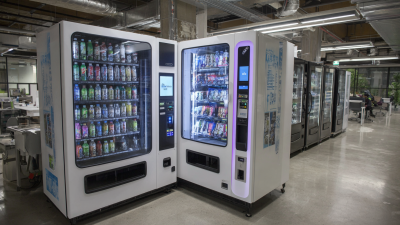
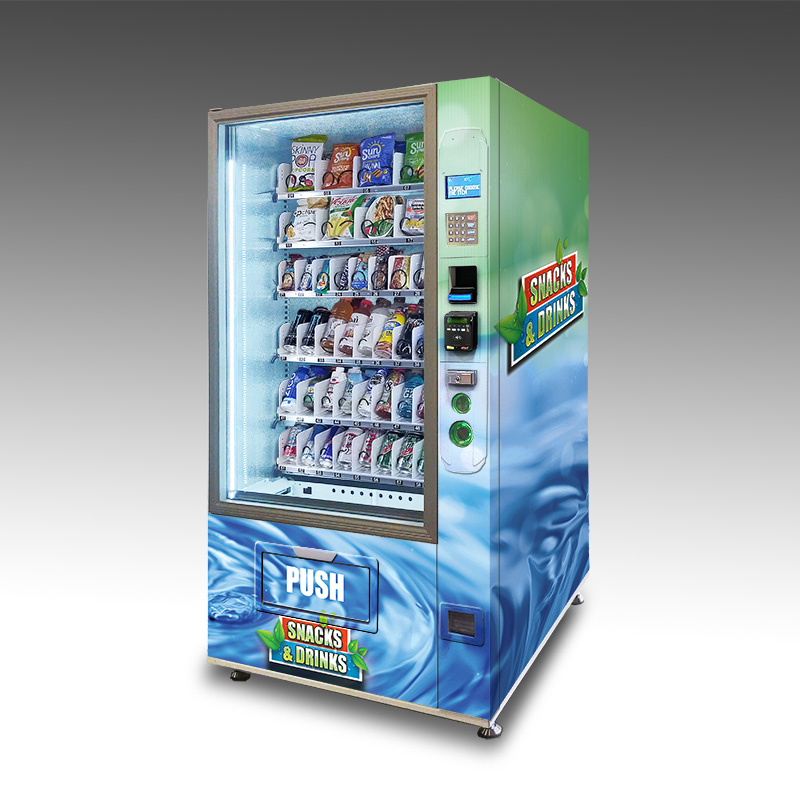
Beverage vending machines remain practical for offices, campuses, hospitals, and transport areas. Refrigerated models can offer chilled water, juice, milk drinks, and coffee. Buyers should check temperature stability, dispensing speed, and energy use before ordering. A narrow machine suits crowded corridors, while a larger unit serves busy entrances. Touchscreens improve product selection, but physical buttons can help users wearing gloves. That detail is easy to overlook. Reliable payment support and clear maintenance access also matter across different markets.

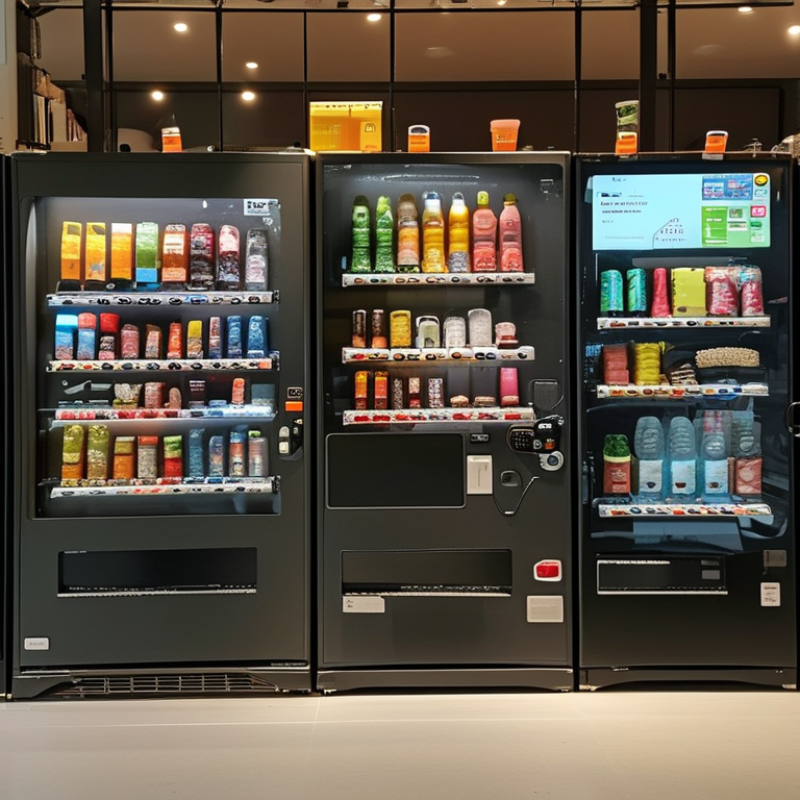
Combination vending machines sell beverages and packaged snacks from one footprint. They can include adjustable shelves, spiral selections, and separate temperature zones. This format helps locations with limited floor space. However, mixed products may create uneven sales. Cold drinks can sell quickly, while healthier snacks may move slowly. Operators should review local preferences instead of copying another country’s product mix. No design is perfect.

Tips: Test the machine at its intended location. Measure door clearance, power access, lighting, and customer traffic. Ask suppliers for service response times, spare-part availability, warranty terms, and realistic capacity data. A short pilot can reveal payment issues, product jams, and confusing screen instructions before a large purchase.

2026 Top Smart Vending Machine Types for Global Buyers - Top Beverage and Combination Vending Machine Types

Indicative specifications for international sourcing, based on common commercial machine configurations. Actual capacity, power consumption, temperature range, and payment compatibility vary by model and market.

Rank Vending Machine Type Category Typical Products Approximate Capacity Typical Dimensions
(W × D × H)
Temperature Range Typical Power Requirement Recommended Locations Smart Features Commonly Available Key Buyer Considerations
1 Refrigerated Canned and Bottled Beverage Machine Beverage Water, soft drinks, juices, energy drinks, sports drinks and ready-to-drink beverages Approximately 250–500 items, depending on package size and shelf layout Approximately 0.95–1.20 m × 0.80–0.95 m × 1.80–2.00 m About 2–10°C for chilled products Typically 0.8–2.0 kW connected load; compressor cycling reduces average consumption Transport hubs, office buildings, schools, hospitals, factories, gyms and public venues Remote inventory monitoring, temperature alerts, cashless payment, digital receipts, sales analytics and fault notifications Check local electrical standards, refrigeration efficiency, delivery dimensions, anti-vandal protection and payment certification
2 Multi-Temperature Beverage Machine Beverage Chilled water, juices, milk drinks, soft drinks and selected ambient beverages Approximately 180–400 items with separate temperature zones Approximately 1.00–1.25 m × 0.85–1.00 m × 1.85–2.05 m Typically 2–10°C in chilled zones; ambient-temperature storage in non-refrigerated zones Typically 1.0–2.2 kW connected load Airports, universities, corporate campuses, hospitals, hotels and large retail areas Zone-level temperature control, remote monitoring, dynamic pricing, cashless payment and stock alerts Useful where product variety matters; buyers should verify thermal separation, energy performance and maintenance access
3 Hot Beverage and Coffee Vending Machine Beverage Coffee, tea, hot chocolate, milk-based drinks and hot water Approximately 150–500 servings per refill, depending on ingredient and cup capacity Approximately 0.70–1.00 m × 0.75–0.95 m × 1.70–1.95 m Brewing water commonly heated to approximately 80–95°C Typically 2.0–4.5 kW during heating; single-phase or three-phase options may apply Offices, factories, universities, hospitals, hotels, service areas and transportation facilities Touchscreen ordering, recipe management, cashless payment, remote telemetry, cup counting and cleaning reminders Confirm water supply method, drainage requirements, ingredient storage, food-contact compliance and cleaning procedures
4 Fresh Juice and Smoothie Vending Machine Beverage Fresh orange juice, fruit juice blends, smoothies and chilled wellness beverages Approximately 80–250 servings, depending on fruit or ingredient storage configuration Approximately 0.90–1.30 m × 0.85–1.10 m × 1.80–2.10 m Ingredients are commonly stored at approximately 2–8°C Typically 1.5–3.5 kW connected load Shopping centers, airports, gyms, hospitals, universities and premium office locations Ingredient-level monitoring, automatic cleaning cycles, touchscreen customization, cashless payment and remote service alerts Requires strict hygiene control, frequent replenishment, waste management and compliance with local food-safety regulations
5 Snack and Beverage Combination Machine Combination Bottled drinks, cans, packaged snacks, confectionery, biscuits and convenience foods Approximately 180–500 items across multiple shelves and columns Approximately 1.00–1.30 m × 0.85–1.05 m × 1.80–2.05 m Chilled sections commonly operate at approximately 2–10°C; dry sections remain near ambient temperature Typically 1.0–2.5 kW connected load Offices, schools, residential buildings, factories, hotels, hospitals and leisure facilities Cloud inventory management, product-level sales data, cashless payment, remote pricing and automated fault reporting Provides broad product coverage in a single footprint; verify shelf flexibility, refrigeration zoning and weight limits
6 Healthy Food and Beverage Combination Machine Combination Water, low-sugar drinks, salads, fruit cups, sandwiches, protein snacks and nutrition products Approximately 120–350 items, depending on the proportion of chilled fresh food Approximately 1.00–1.35 m × 0.90–1.10 m × 1.80–2.10 m Chilled compartments commonly operate at approximately 2–8°C Typically 1.2–3.0 kW connected load Fitness centers, hospitals, universities, corporate offices and transport terminals Expiry-date tracking, temperature alarms, stock rotation support, cashless payment and real-time sales reporting Fresh products require shorter replenishment cycles, careful date management and documented temperature-control procedures
7 Frozen Food and Ice Cream Vending Machine Combination Ice cream, frozen desserts, frozen meals and packaged frozen snacks Approximately 100–300 items, depending on product dimensions and basket configuration Approximately 0.90–1.25 m × 0.85–1.05 m × 1.80–2.05 m Commonly approximately −25 to −18°C for frozen products Typically 1.5–3.5 kW connected load Shopping centers, entertainment venues, beaches, campuses, residential developments and tourist areas Temperature monitoring, door-open alerts, cashless payment, remote inventory data and energy-status reporting Requires reliable continuous power, suitable defrost management, thermal insulation and compliance with frozen-food requirements
8 Large-Capacity Modular Beverage Machine Beverage High-volume bottled water, cans, soft drinks, juices and sports beverages Approximately 400–800 items, depending on module count and package mix Approximately 1.20–2.00 m × 0.90–1.20 m × 1.80–2.10 m Typically 2–10°C for refrigerated beverage compartments Typically 1.5–3.5 kW per refrigeration module Airports, stadiums, factories, campuses, shopping centers and busy transportation locations Multi-module telemetry, high-volume inventory tracking, cashless payment, remote diagnostics and sales forecasting Best for high-footfall locations; assess floor loading, delivery access, modular installation and service requirements

Note: Capacity and dimensions are indicative commercial ranges rather than specifications for a particular supplier. Buyers should confirm voltage, frequency, refrigerant type, accessibility standards, payment methods, certifications, warranty terms and local import requirements before purchase.

Fresh Food, Frozen, and Perishable Product Vending Machines

Fresh Food, Frozen, and Perishable Product Vending Machines

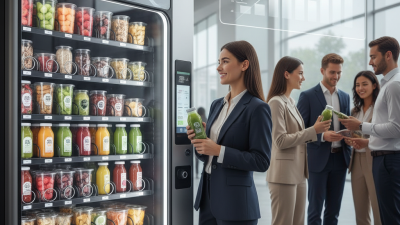
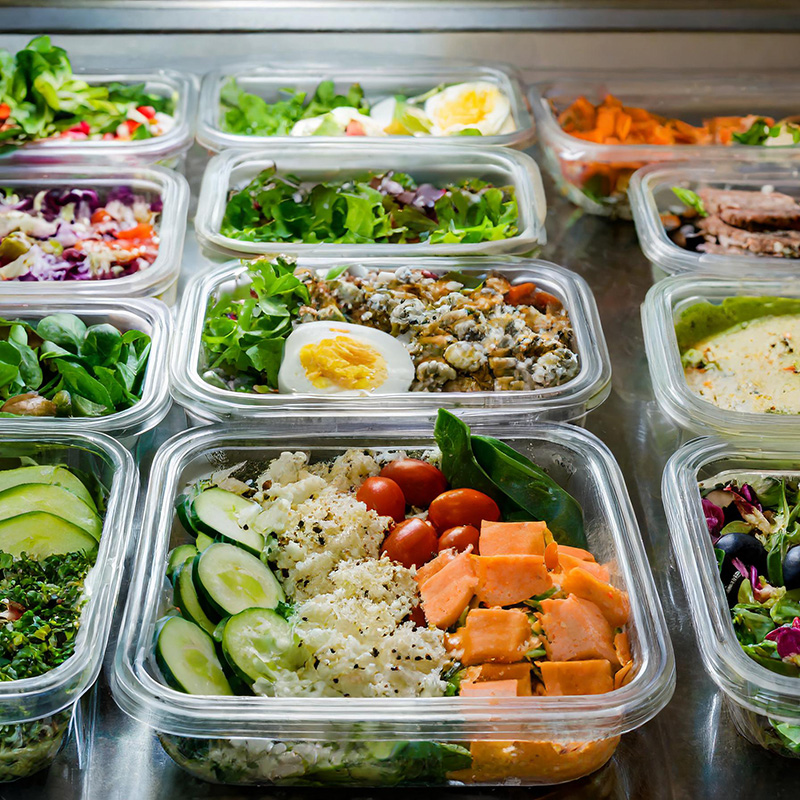
Fresh food vending machines suit salads, sandwiches, fruit cups, and prepared meals. Reliable units maintain stable temperatures, often between 0°C and 5°C. They also need clear expiry labels, sealed compartments, and simple cleaning access. In practical installations, product rotation matters as much as machine design. A bright screen cannot fix poor stock control. Sensors should record temperature changes and alert operators before food quality declines.

Frozen vending machines require stronger insulation and consistent temperatures near -18°C or below. They can offer frozen meals, desserts, and packaged vegetables in offices, campuses, and transport hubs. Perishable product machines may combine chilled storage with controlled dispensing. Buyers should check door recovery time, power consumption, backup procedures, and local food-safety requirements. Some machines look advanced but provide limited maintenance access. That detail deserves closer inspection.

Tips: Test the machine with real products before purchase. Measure loading time, cleaning effort, and temperature recovery. Use first-expire, first-out stock rotation. Confirm allergen information and packaging rules for each market. Choose remote monitoring only when staff can respond quickly. A failed refrigeration system can create waste within hours, so service support and spare parts should be available locally.

Specialty Retail and Automated Pickup Vending Machines

In 2026, specialty retail vending machines are moving beyond simple snack sales. They now support curated products, local merchandise, beauty accessories, travel essentials, and small electronics. A well-designed unit can display premium items under clear lighting, with adjustable shelves for different package sizes. It can also operate in airports, hospitals, campuses, hotels, and busy shopping streets.

Automated pickup vending machines serve a different purpose. Customers order online, then collect parcels from secure temperature-controlled or standard compartments. QR codes, PINs, card payments, and multilingual screens can make collection faster. Buyers should check accessibility, local payment preferences, data protection rules, and electrical standards before choosing equipment. Reliable remote monitoring is valuable because a full compartment or failed door can quickly create customer frustration.

From practical testing, the strongest machines usually combine simple instructions with accurate stock records. Sensors should confirm each door closes properly. Shelves need enough strength for repeated loading. Cleaning access matters more than many product brochures admit. Some machines still struggle with glare, unstable internet, or unusual package shapes. That weakness deserves honest attention. Global buyers should request service procedures, spare-part availability, warranty terms, and real operating examples before installation. A smaller machine with dependable support may perform better than a larger, more impressive model.

How Global Buyers Compare Smart Vending Machine Types

Global buyers rarely choose a smart vending machine by appearance alone. They compare product fit, climate, traffic, payment options, and service access. Refrigerated machines suit fresh meals, dairy products, and cold drinks. Frozen machines protect ice cream and prepared food in stable low temperatures. Ambient machines work well for snacks, packaged goods, and office supplies. Combination models offer flexibility, but they may need more maintenance. A warm lobby can change the decision.

When I assess a machine, I check temperature recovery after frequent door openings. I also review energy use, storage layout, screen visibility, and payment reliability. A commuter station may need fast transactions and strong impact resistance. A hospital or office may value quiet operation and clear nutrition information. Smart telemetry helps operators track stock levels, sales patterns, and temperature alerts remotely. However, advertised capacity can feel optimistic. Actual sales depend on local habits, product pricing, and refill timing. Buyers should request test data and inspect the service process before ordering.

Tips: Compare total operating cost, not only the purchase price. Ask about spare parts, software updates, warranty response, and technician coverage. Confirm payment systems support local currencies and approved transaction methods. Check local safety, electrical, food handling, and accessibility requirements. Visit a working installation if possible. A short field test may reveal problems that brochures never mention.

2026 Top Smart Vending Machine Types for Global Buyers

How global buyers compare smart vending machine types by typical product-storage requirements

Refrigerated and fresh-food machines generally operate around 0–5°C, while frozen machines commonly target approximately −18°C or below. Ambient machines do not require active temperature control and are mainly used for shelf-stable products. Actual settings vary by product, local food-safety rules, and installation environment.