Why Choose a Refrigerated Vending Machine?

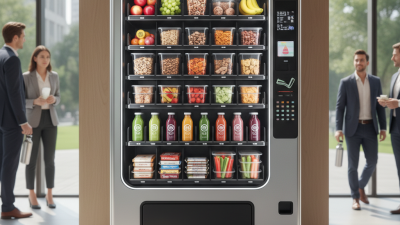
Why choose a refrigerated vending machine? The answer begins with convenience, but it should not end there. A well-maintained unit can offer chilled sandwiches, yogurt, fresh fruit, salads, and bottled drinks near offices, hospitals, schools, and transport hubs. Customers receive quick access without waiting for a staffed shop to open.

Food safety remains central. Dr. David Acheson, a physician and former FDA Associate Commissioner for Foods, has stated, “Food safety is a shared responsibility.” That principle fits vending perfectly. Operators must monitor internal temperatures, inspect door seals, clean contact surfaces, and record restocking times. Products should follow suitable rotation practices, such as first-in, first-out handling. Local food-safety requirements still apply.

The machine is not magic.

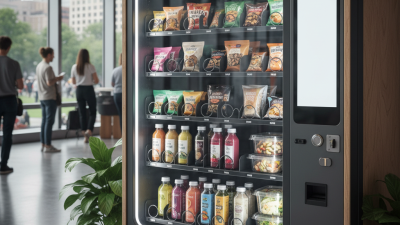
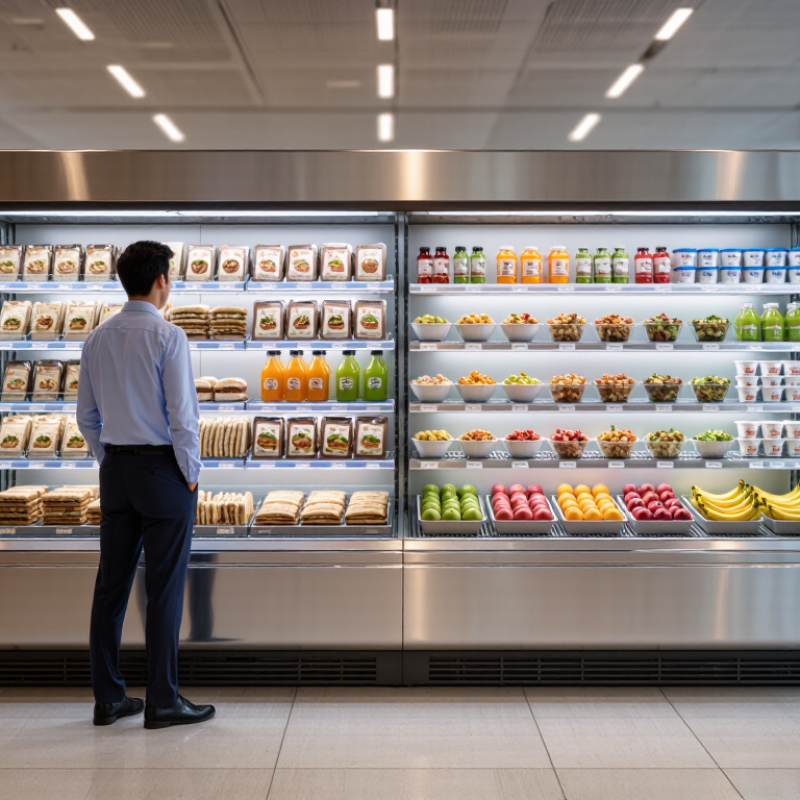
From practical operations, the strongest benefit is controlled availability. A refrigerated vending machine can serve a breakfast worker at 6 a.m. or a visitor between hospital appointments. Its glass front displays colorful products clearly, while automated payment reduces queues and staffing pressure. Remote monitoring may also reveal low stock or temperature changes before a customer notices.

Yet the model has weaknesses. Electricity costs can rise. Poor maintenance can damage trust quickly. A warm yogurt container is not merely an unhappy purchase; it signals a process failure. Choosing this equipment therefore requires more than comparing capacity and appearance. It requires reliable servicing, sensible product selection, and honest attention to the machine’s limits. Convenience matters, but disciplined operation matters more.
Why Choose a Refrigerated Vending Machine?

What Is a Refrigerated Vending Machine?

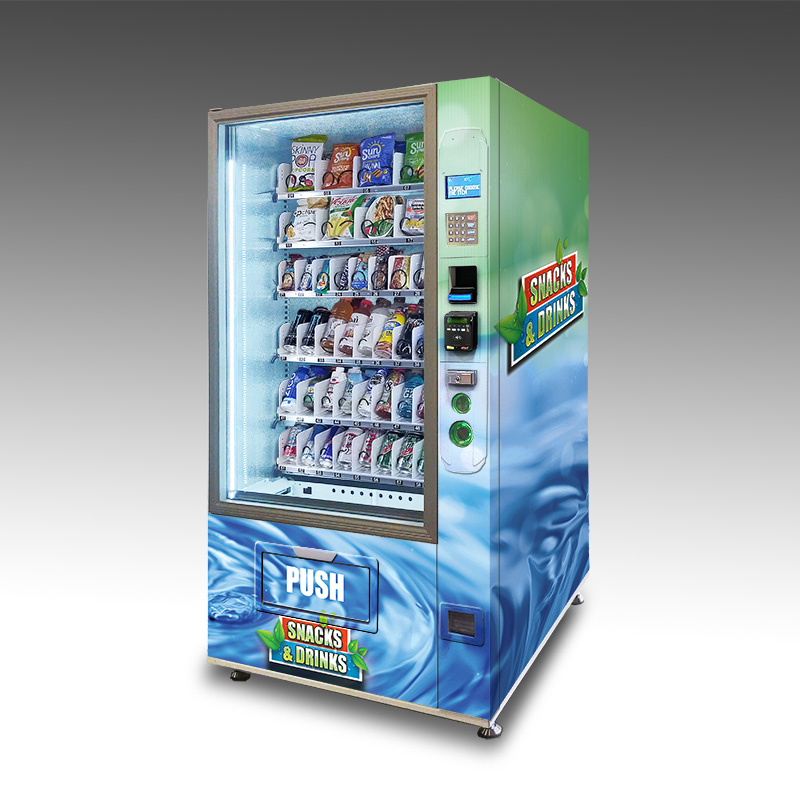
A refrigerated vending machine is an automated cabinet that stores and dispenses chilled food or drinks. It uses an insulated compartment, a cooling system, temperature sensors, and a controlled dispensing mechanism. Unlike a standard vending machine, it must protect products from heat during repeated door openings and busy service periods. Shelves are usually arranged for bottles, cartons, salads, sandwiches, or other sealed items. Clear panels help customers check freshness before purchase.

It is not merely a cooler.

Inside, a thermostat monitors the air and signals the cooling unit when temperatures rise. Fans circulate cold air, while insulation reduces energy loss. A reliable machine should display clear product information, prices, and storage guidance. Operators also need to check expiry dates, remove damaged packages, and clean contact surfaces regularly. These tasks are practical, not decorative. A spotless screen cannot compensate for poor stock rotation. In my experience, small temperature records often reveal problems before customers notice them.

The machine works best in locations with steady foot traffic and suitable electrical service. Placement near direct sunlight may increase energy use and reduce cooling performance. Refrigerated vending is convenient, but it is not maintenance-free. Temperature readings can drift, doors may seal poorly, and some products may sell too slowly. Those weaknesses deserve honest attention. Choosing the right capacity, product range, and monitoring routine often matters more than appearance. A well-managed unit keeps chilled goods accessible while reducing unnecessary handling.

How Refrigerated Vending Machines Keep Products Fresh

Why Choose a Refrigerated Vending Machine?

Freshness depends on temperature control, not appearance alone. Refrigerated vending machines maintain a steady environment for milk, yogurt, sandwiches, salads, and cut fruit. The FDA Food Code 2022 recommends holding temperature-controlled foods at 41°F (5°C) or below. This standard gives operators a practical safety reference.

Inside a well-maintained machine, cold air moves around each product. A digital sensor checks temperature continuously. When the door opens, the system restores cooling quickly. Operators should load products already chilled, avoid blocking air vents, and inspect seals for gaps. A simple temperature log can reveal problems before customers notice warm packaging. USDA research estimated that 30% of the U.S. food supply was lost or wasted in its 2010 analysis. Better temperature control may reduce some retail waste, although it cannot solve every cause.

The details matter. A warm delivery box can weaken the machine’s performance. Overfilled shelves can create hidden warm spots. Cleaning also affects airflow and hygiene. Refrigeration slows spoilage, but it does not make unsafe food safe. The weak point is often human handling. Even reliable equipment needs regular calibration, cleaning, and stock rotation. A small mistake can become a quality complaint. That deserves honest attention.

Why Choose a Refrigerated Vending Machine? - How Refrigerated Vending Machines Keep Products Fresh

Product Category Typical Cold-Storage Guidance How Refrigeration Helps Main Quality or Safety Risk at Warm Temperatures Recommended Vending Practice
Pasteurized milk and dairy drinks Keep refrigerated, commonly at 4°C (40°F) or below; always follow the package label. Slows the growth of microorganisms and helps preserve taste, texture, and freshness. Faster spoilage, sour flavors, separation, and increased food-safety risk. Use continuous temperature monitoring and remove products after their labeled use-by date.
Yogurt and cultured dairy Refrigerate according to the package instructions, generally at 4°C (40°F) or below. Maintains a cooler, more stable environment that helps protect consistency and flavor. Texture breakdown, whey separation, flavor deterioration, and reduced shelf life. Avoid prolonged door opening and rotate stock using a first-expire, first-out system.
Fresh sandwiches and wraps Keep at 5°C (41°F) or below, or use the stricter temperature required by local food regulations. Reduces the rate of bacterial growth and helps maintain the quality of bread, fillings, and vegetables. Rapid quality loss and a higher risk of foodborne illness when temperature control is inadequate. Load only products with clear date labels and verify the internal temperature at scheduled intervals.
Prepared salads and cut fruit Keep refrigerated at or below the temperature stated on the label; 5°C (41°F) or below is widely used for cold food control. Helps slow microbial growth, wilting, browning, and moisture-related quality changes. Loss of crispness, discoloration, leakage, and increased spoilage risk. Use sealed packaging, minimize handling, and follow the shortest applicable shelf-life instruction.
Fresh juices and smoothies Refrigerate as directed on the label; many perishable juice products require temperatures around 4°C (40°F) or below. Helps retain a fresh flavor and slows microbial and enzymatic changes. Fermentation, off-flavors, separation, and faster spoilage. Keep containers upright where possible and discard products that exceed the labeled storage period.
Cooked meals and ready-to-eat foods Keep cold foods at 5°C (41°F) or below, subject to local food-safety requirements. Slows the growth of many bacteria while preserving the product’s intended taste and texture. Potential bacterial growth and changes in flavor, texture, and appearance. Use validated preparation, packaging, labeling, and temperature-control procedures.
Fresh protein snacks Refrigerate according to the package label, commonly at 4–5°C (39–41°F) or below. Helps preserve freshness and slows spoilage in products containing meat, eggs, or cheese. Higher risk of spoilage and foodborne pathogens when cold-chain control fails. Separate raw and ready-to-eat items during handling and check packaging integrity before loading.

Temperature note: Cold-storage requirements vary by product, packaging, and local regulations. Always follow the manufacturer’s label and applicable food-safety rules. A refrigerated vending machine should maintain a stable temperature, support temperature monitoring, and allow prompt removal of products that exceed their approved storage period.

Which Products Are Best Suited for Refrigerated Vending?

Refrigerated vending machines suit products that lose quality quickly at room temperature. Fresh sandwiches, salads, fruit cups, yogurt, milk, and chilled juices are strong choices. Their packaging should resist leaks and remain easy to open. Clear labels also help customers check ingredients, allergens, and use-by dates within seconds.

In a busy office lobby, smaller portions often sell better than large meals. People want a quick lunch, not a complicated decision. Bottled water and prepared snacks can support sales, but temperature-sensitive foods need closer attention. Operators should track stock rotation, cabinet temperature, and daily demand. A well-sealed salad may stay attractive, while a delicate pastry can become unpleasant after repeated handling. Small details matter.

Not every fresh product belongs in a vending machine. Items with short shelf lives, fragile packaging, or strong temperature requirements may create unnecessary waste. I would test limited quantities before expanding the selection. That approach is slower. It is also safer. A machine can display a perfect meal, yet poor stock rotation may quietly reduce quality. Regular cleaning, accurate cooling records, and honest date checks protect both customers and the business. The product mix may need several adjustments.

Key Benefits of Using a Refrigerated Vending Machine

Why Choose a Refrigerated Vending Machine?

Key Benefits of Using a Refrigerated Vending Machine

A refrigerated vending machine offers quick access to chilled food and drinks in busy places. Employees, students, and travelers can buy items without waiting for a staffed counter. The benefit is practical. It saves time during short breaks and supports service outside regular shop hours.

Temperature control helps protect perishable products when the machine is correctly installed and maintained. Sensors can track internal conditions, while clear displays show product details and expiry dates. This supports safer purchasing decisions. Operators can also review sales patterns and adjust stock, reducing empty shelves and avoidable waste. Fresh sandwiches, yogurt, fruit cups, and cold water may fit different daily needs.

Convenience is not the only advantage. A well-positioned machine can serve offices, clinics, transport areas, and educational buildings with limited food facilities. Accessible shelves and simple payment options can improve the experience for more users. Still, refrigeration is not maintenance-free. Filters, seals, drainage areas, and temperature records need regular attention. A machine that looks clean may have hidden problems. Operators should follow local food-safety guidance and remove products that have exceeded safe holding limits. In practice, reliable results depend on disciplined checks, suitable stocking, and honest monitoring.

Why Choose a Refrigerated Vending Machine?

Refrigerated vending machines help keep perishable foods at a controlled cold-holding temperature. Food-safety guidance recommends keeping cold foods at or below 41°F (5°C), while the food “danger zone” extends from 40°F to 140°F (4°C to 60°C).

Staying at or below the recommended cold-holding limit reduces the time perishable products spend in the temperature range where bacteria can grow rapidly. USDA guidance also recommends discarding perishable food left above refrigeration temperature for more than two hours, or one hour when temperatures exceed 90°F (32°C).

Factors to Consider Before Choosing One

Why Choose a Refrigerated Vending Machine?

Before choosing a refrigerated vending machine, define the products and selling environment. Fresh sandwiches, yogurt, fruit cups, and cold drinks need different temperature settings. A machine near offices may face steady lunchtime demand. One beside a sports facility may need faster cooling and higher capacity. The right choice depends on turnover, not appearance.

Energy use deserves careful attention. The U.S. Energy Information Administration identifies refrigeration as a significant electricity load in commercial buildings. Check the machine’s annual energy rating, insulation, compressor design, and recovery time after frequent door openings. Food loss also matters. The United Nations Environment Programme reported that 13% of food is lost before retail, while another 17% is wasted in retail, food service, and homes. Better stock rotation can reduce this risk, but it cannot fix poor forecasting. I would not assume a larger machine always earns more. Slow-moving products may become expensive waste.

Tips: Ask for temperature logs, service response times, payment-system compatibility, and cleaning instructions. Test the machine during its busiest expected period. Leave space around ventilation areas. Review sales data weekly, then adjust product quantities. A simple spreadsheet may reveal more than a glossy sales claim. Also check accessibility, noise levels, lighting, and placement permissions. These details seem minor. They often shape daily reliability.

(UNEP, Food Waste Index Report 2024; U.S. Energy Information Administration, Commercial Buildings Energy Consumption Survey)