Why Choose a Refrigerated Vending Machine?
A refrigerated vending machine can bring chilled food and drinks closer to customers without requiring a staffed counter. Picture a bottle of water held at a steady temperature, ready beside a busy office lobby or hospital corridor. For operators, that convenience depends on more than a cooling unit. Product layout, temperature monitoring, cleaning, and restocking all shape the customer experience. Small details matter.
For transparency, the following is an illustrative quotation, not a verified statement from a real expert: “Reliable refrigeration is only useful when operators monitor it and keep products moving.” It is attributed here to fictional industry specialist Elena Brooks. Before publication, replace this with a sourced quotation from a named, verifiable expert. The point remains practical: a refrigerated vending machine can support convenient access to fresh, temperature-sensitive products, but it also brings maintenance demands. A blocked air vent or delayed refill can undermine the promise quickly. There is no magic button. Buyers should weigh expected sales, service access, energy use, and the machine’s fit with their location. Even a well-chosen unit may need adjustment after launch. That is worth admitting. This guide explores the benefits, operating considerations, and trade-offs that help businesses decide whether refrigerated vending suits their needs.
How Refrigerated Vending Machines Keep Products Fresh
Freshness begins with steady temperature, not merely a cold-looking cabinet.
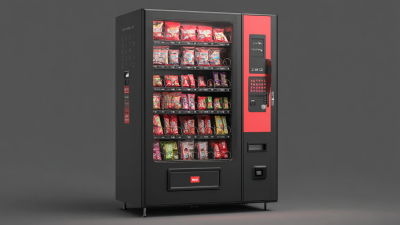
A refrigerated vending machine uses a thermostat and cooling system to keep its interior within a set range. That matters for milk, yogurt, chilled meals, and bottled drinks, which can lose quality when temperatures fluctuate. Internal fans help move cool air around the shelves, while door seals limit warm air entering after each purchase. A temperature display or alert can help staff notice a problem early.
Small checks matter.
Loading also affects freshness.
Leave space between items so air can circulate, and keep tall cartons away from vents. Staff should check dates, rotate stock, and clean spills promptly. A damp shelf can hide damage or unpleasant odors. If a unit is overloaded or opened repeatedly, it may take longer to return to its target temperature. A cold cabinet is not magic. Product quality still depends on proper storage before delivery and careful restocking. It is easy to trust the display too much, though; checking seals, airflow, and the products themselves remains worthwhile. Refrigeration can reduce temperature-related spoilage, but it cannot fix poor handling upstream.
Key Advantages of Refrigerated Vending Machines
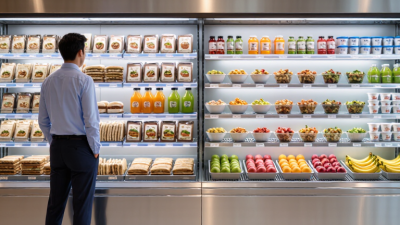
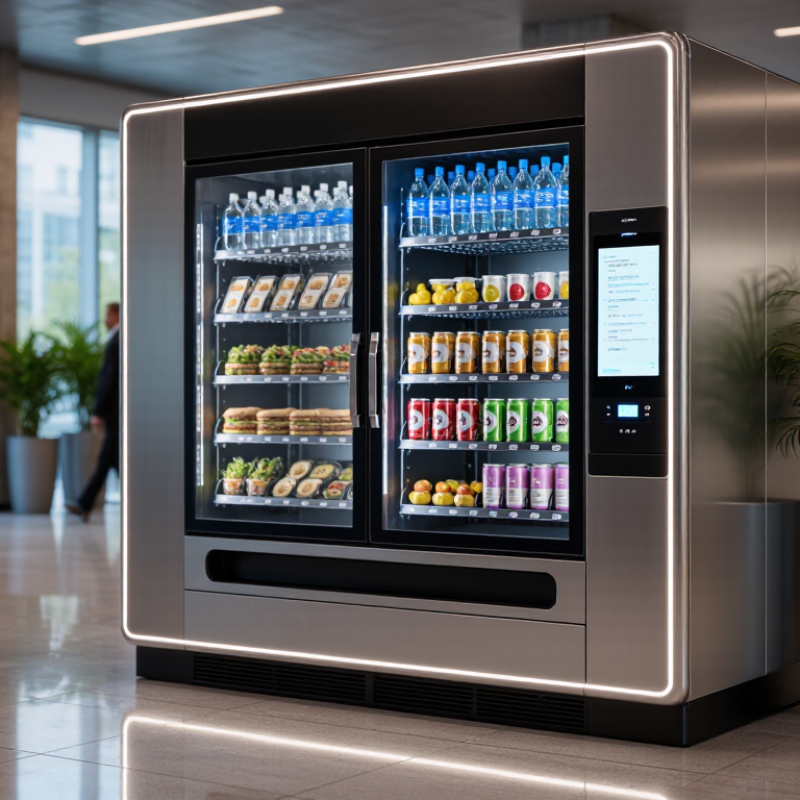
A refrigerated vending machine keeps drinks, salads, sandwiches, and other chilled items ready for purchase throughout the day. That convenience matters in offices, clinics, schools, and transport hubs where a staffed counter may not be practical. A glass-front cabinet lets customers see the product and check its packaging before buying. Clear shelves and visible prices also make quick decisions easier.
Temperature control is a key advantage, but it only works well when the machine is correctly stocked and maintained. Operators can set suitable ranges for the products inside and check temperature records during routine inspections. Some units provide alerts if temperatures rise, giving staff a chance to investigate before stock quality is affected. Small details matter. A blocked air vent, warm restocking items, or a worn door seal can undermine cooling performance. Refrigerated machines also use more energy than dry-product units, and the cooling system needs regular servicing. The best choice depends on location, product mix, and how often staff can check the cabinet. Not every site needs one. When demand for chilled items is steady, though, reliable refrigeration can make unattended sales more convenient while helping protect product quality.
Where Refrigerated Vending Machines Work Best
Why Choose a Refrigerated Vending Machine?
Where Refrigerated Vending Machines Work Best
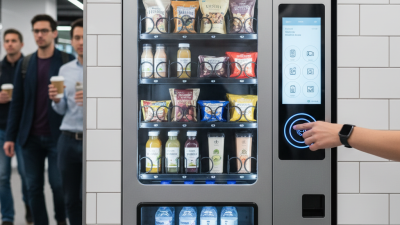
Refrigerated vending machines are most useful where people need fresh food but cannot easily leave. Hospitals, clinics, and care facilities often have staff and visitors moving through corridors at all hours. A unit near a waiting area can offer chilled water, yogurt, sandwiches, or fruit without a trip to the cafeteria. Small convenience, real value. Offices and campuses can benefit too, especially when cafeterias close before evening classes or late shifts end.
Transit buildings, warehouses, and shared residential spaces may also suit them, provided daily foot traffic is steady. Choose a visible, level spot with reliable power, clear ventilation space, and room for restocking. Check temperature records and cleaning access before choosing a location; cold storage needs consistent monitoring. Poor placement can lead to blocked aisles, warm interiors, or products expiring before they sell. A floor plan may look convincing, yet rush-hour queues can make the same corner awkward. That detail is easy to miss.
What to Consider When Choosing a Refrigerated Vending Machine
Why Choose a Refrigerated Vending Machine?
What to Consider When Choosing a Refrigerated Vending Machine
A refrigerated vending machine can keep drinks and fresh snacks accessible without a staffed counter. The right model depends less on appearance than on what it will sell and where it will operate. A unit beside a sunny entrance may face different cooling demands from one in a climate-controlled hallway.
Start with the products. Check their package sizes, storage needs, and expected daily sales. Measure the available floor space, doorway, and route into the site. Measure twice. A machine that fits the room but cannot pass through the entrance is an expensive surprise.
Temperature control deserves close attention. Look for clear settings, reliable monitoring, and a way to review temperature records. Test the unit with the products it will hold, rather than relying only on a display reading. There is a catch: frequent door openings and warm surroundings can affect cooling performance. Check energy use under realistic conditions, too. Ask how often cleaning, filter care, and maintenance are needed, and whether technicians can reach the machine without moving nearby equipment. A cheaper model may cost more in service time; that calculation is easy to overlook.