Why You Should Purchase a Vending Machine for Your Business?

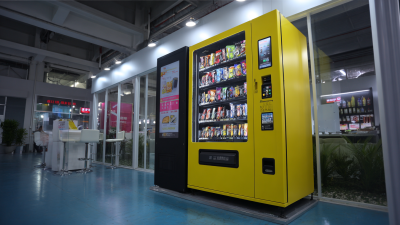
Investing in a vending machine for your business can be a smart decision. According to a report by IBISWorld, the vending machine industry generates over $7 billion in revenue annually. This figure highlights the growing demand for convenient snack and beverage options. Businesses that choose to purchase vending machines often experience increased foot traffic and customer engagement.

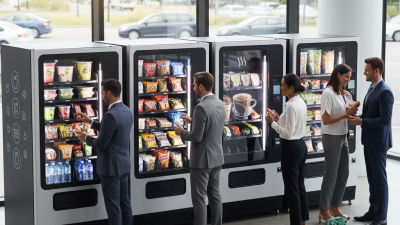
The convenience of vending machines appeals to consumers. Office workers, for instance, seek quick and easy snack options during their busy days. A vending machine can provide this convenience, enhancing their overall experience. However, careful consideration is essential when selecting the right machine and products. Not all vending machines attract customers equally; some fail due to poor product selection or location.

In addition, establishing a vending machine in your business may require reflection on maintenance and inventory. Regular restocking and servicing are necessary to maximize profits. Understanding your target audience can influence the types of items you offer. Ultimately, the decision to purchase a vending machine could lead to unexpected opportunities and challenges that require ongoing attention.
Why You Should Purchase a Vending Machine for Your Business?

Benefits of Owning a Vending Machine for Your Business

Owning a vending machine for your business can offer significant advantages. First, it provides a steady revenue stream. Studies indicate that vending machine sales have increased by approximately 5% annually. This growth is driven by the demand for convenient snack options in various environments. Busy workplaces and schools particularly benefit from having vending machines on-site. They cater to the needs of people looking for quick, easy access to refreshments.

Another notable benefit is low operational costs. Vending machines require minimal maintenance compared to traditional retail setups. According to industry reports, operating a vending machine can cost as little as $500 annually, including stocking and service. Furthermore, they don't need a dedicated employee on-site, which helps businesses save on labor costs. This allows owners to focus more on core business functions, enhancing overall productivity.

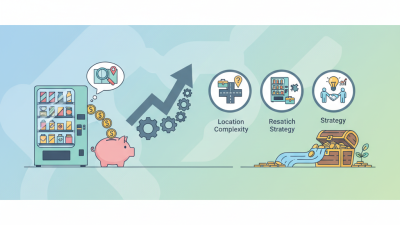
However, it’s important to choose the right location wisely. Poor placement can hinder sales. Regularly updating product selections based on customer preferences is crucial. Neglecting this can lead to unsold goods and decreased interest, ultimately impacting profitability. Regular market research can support better product decisions, increasing customer satisfaction and sales success.

Types of Vending Machines Suitable for Various Business Settings

Vending machines have become an essential part of various business environments. Different types cater to unique needs. For instance, snack vending machines are ideal for office settings. A report by IBISWorld indicates that the vending machine industry generated over $7 billion in revenue in 2022. This shows the demand for convenience in workplaces.

On the other hand, beverage vending machines are perfect for schools and gyms. They offer quick refreshments and hydration options. According to Statista, approximately 90% of people buy drinks from vending machines. This highlights the consumer preference for easy access to beverages.

Nevertheless, not every solution suits every business. Some locations may see less foot traffic. A machine can underperform without proper placement. Business owners must evaluate their audience carefully. Adapting to their preferences is crucial. A poorly selected vending machine type can waste resources and lead to frustration. Balancing reliability and innovation is key to success.

Cost Considerations and Financial Analysis of Vending Machines

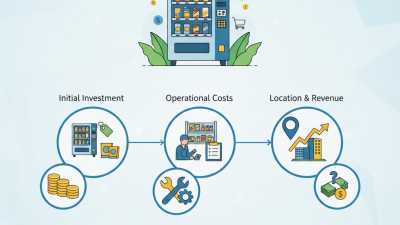
Investing in vending machines for your business involves careful cost considerations. Research shows that the average vending machine can generate between $50 to $300 monthly, depending on location and product selection. This diverse revenue potential draws many entrepreneurs. However, expenses can add up quickly. Initial costs include purchasing machines, securing inventory, and ongoing maintenance.

An industry report from IBISWorld indicates that the vending machine industry has seen steady growth, expected to increase by 2.4% annually over the next five years. This trend reflects evolving consumer preferences for convenience. Yet, businesses must analyze profitability thoroughly. Profit margins typically range from 15% to 25%, significantly influenced by product pricing and operational efficiency.

It's crucial to monitor performance metrics. Regularly reviewing sales data helps identify high-demand items and reduce waste. While some operators see success, others struggle with unsold inventory or high maintenance costs. Being aware of these challenges allows businesses to adapt strategies, ensuring the vending machine investment remains viable and beneficial.

Managing and Maintaining Your Vending Machine for Success

Managing and maintaining your vending machine is crucial for success. Regular inspections help ensure that your machine is clean and stocked. A dirty or empty machine discourages customers. Schedule weekly checks to restock snacks or drinks. This simple step can enhance customer satisfaction.

Software can help monitor inventory levels. Consider using a remote management system. This reduces the need for constant physical checks. However, relying too heavily on technology can have drawbacks. It may miss certain nuances like product popularity. Be in touch with customer preferences to make informed stock decisions.

Maintenance also involves addressing technical issues promptly. Machines can jam, or payment systems can fail. Quick fixes can mean the difference between profit and loss. Train yourself or a team member on basic repairs. A little knowledge can save time and money. Creating a responsive maintenance plan is essential for smooth operation. It's important to reflect on what works and what doesn’t for optimal growth.

Marketing Strategies to Increase Vending Machine Sales

Vending machines can be a lucrative addition to your business. But how can you maximize their potential? Effective marketing strategies play a significant role in boosting sales. Research shows that vending machine sales have seen a steady growth of 3.5% annually, reaching $23 billion in the US alone by 2022. This data underscores the importance of strategic marketing to tap into consumer behavior.

Engaging with your target audience is crucial. Consider using local promotions to attract foot traffic. For example, offering discounts during peak hours can increase sales significantly. Additionally, integrating digital payment options can cater to the growing trend of cashless transactions. A study from the National Automatic Merchandising Association indicates that about 70% of consumers prefer using cards or mobile payments at vending machines. This shift can influence purchasing patterns.

Don't forget the visuals. High-quality graphics and appealing layouts can catch consumers' eyes. Experimenting with product placements is also essential. However, some businesses overlook the importance of regular stock updates. Failing to replenish popular items can lead to missed revenue opportunities. Keeping track of sales data helps in understanding consumer preferences and optimizing the product mix accordingly.

Monthly Vending Machine Sales in 2023