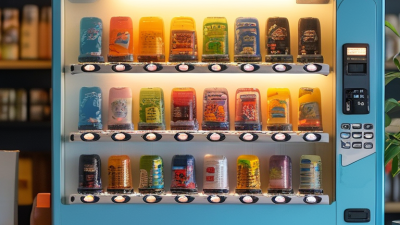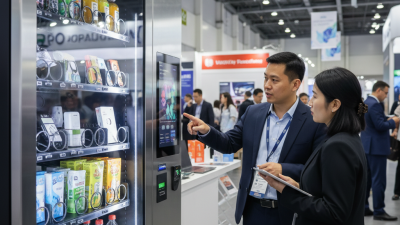
A vending machine can be more than a box beside an elevator. In 2026, global buyers are exploring machines for fresh meals, specialty coffee, phone accessories, personal care items, and locally made snacks. The right vending machine business depends on more than a popular product. It also needs a suitable location, dependable restocking, clear payment options, and equipment that fits local customer habits. A compact machine in a busy office may need different features from a refrigerated unit near a university or transport hub.
This guide examines business ideas through practical questions: Who will buy, how often must stock be replenished, and what happens when a payment terminal or cooling system fails? Buyers should compare machine capacity, energy use, supplier support, spare-part availability, and total operating costs before committing. A quoted purchase price is only part of the picture. Small details matter. A beautifully designed machine can still disappoint if its products move slowly or service is hard to arrange.
Market conditions vary by country and even by neighborhood. Confirm local requirements for product labeling, food handling, electrical safety, taxes, and payment processing with qualified local advisers. These checks help buyers build a reliable plan without assuming one model works everywhere. Some estimates will be uncertain, especially before a location has real sales data. That is worth admitting. Careful testing, honest record-keeping, and regular customer feedback can turn a promising idea into a more informed investment.
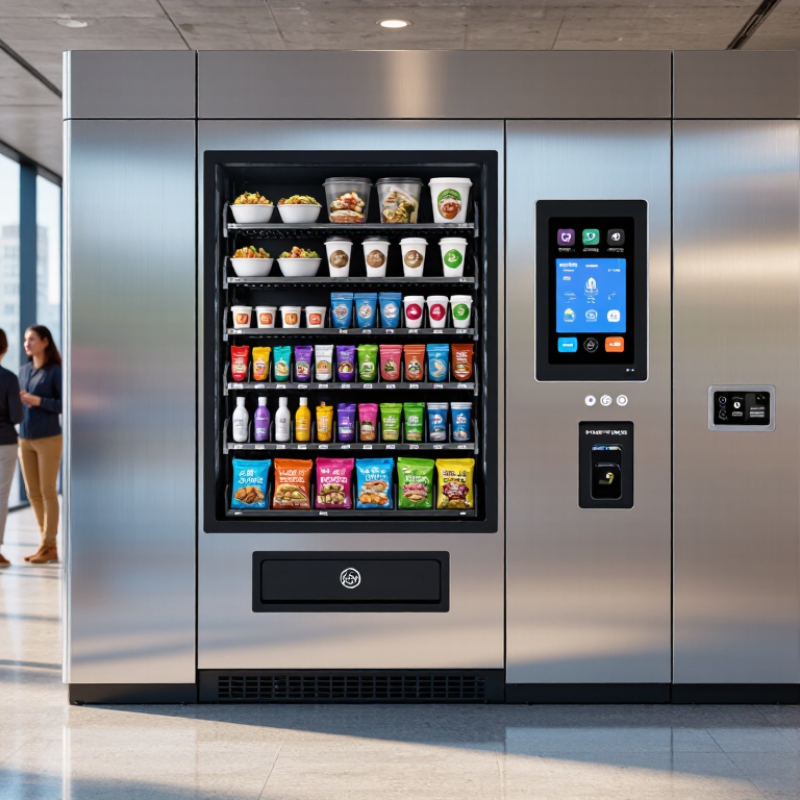
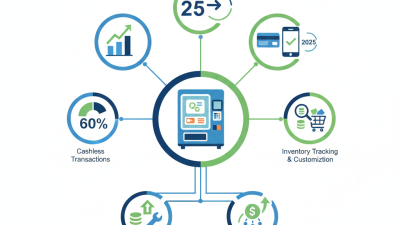
In 2026, vending machines are becoming compact retail points for transport hubs, offices, schools, hospitals, and residential buildings. Buyers increasingly want cashless payments, remote inventory alerts, energy-saving cooling, and multilingual interfaces. These features reduce service visits and help operators understand local purchasing habits. However, technology does not guarantee profit. A machine placed near heavy foot traffic can still fail when pricing, product selection, or maintenance is poorly managed.
Demand is also moving toward healthier snacks, fresh meals, personal care items, electronics accessories, and temperature-sensitive products. In warmer regions, reliable refrigeration and strong insulation are essential. In smaller cities, simple machines with low operating costs may perform better than advanced models. Global buyers should examine import rules, electrical standards, payment security, accessibility requirements, and waste policies before ordering. Regulations vary widely, and assumptions can become expensive. Local partners can provide practical guidance, but their advice still needs verification.
Tips: Test one location first. Track sales by hour and product category. Keep spare payment parts available. Use clear labels and local languages. Review cleaning records weekly. Leave space for seasonal products. A short pilot may reveal more than a polished forecast.
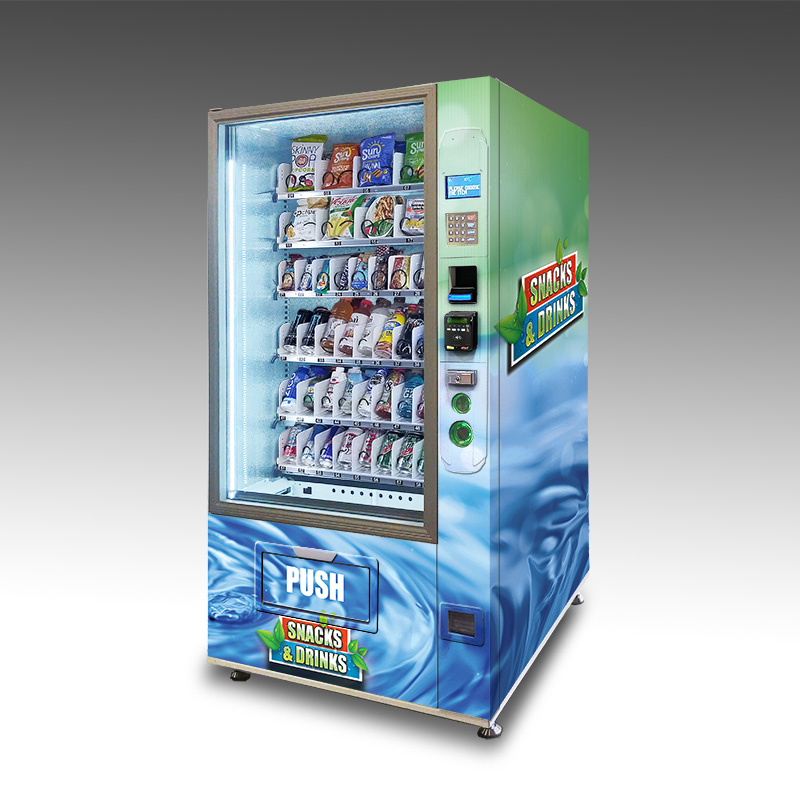
Vending machine business models should match the customer’s daily situation, not simply the available floor space. Grand View Research valued the global vending machine market at about USD 21.5 billion in 2023 and forecasts strong growth through 2030. For offices, universities, and transport hubs, mixed snack-and-drink machines offer quick purchases and broad demand. Cashless payment, clear nutrition labels, and remote inventory alerts can improve convenience. Convenience wins.
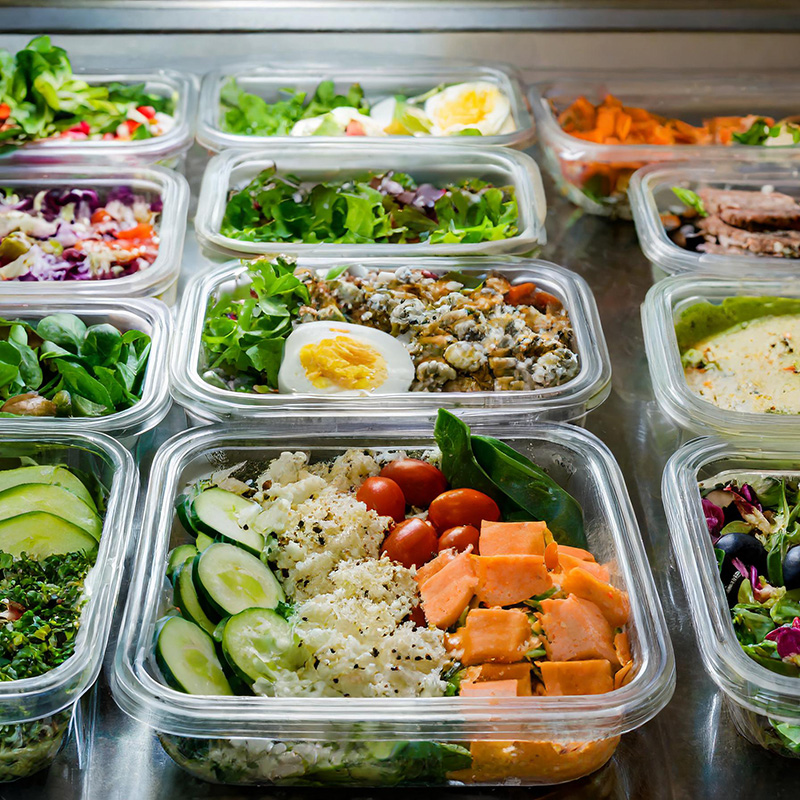
Fresh-food machines serve hospitals, campuses, and workplaces where customers want sandwiches, salads, fruit, or prepared meals. They require stricter temperature monitoring and more frequent restocking. A poor location can create waste quickly. For gyms and wellness centers, machines selling water, low-sugar drinks, and portioned snacks may fit better. In rural areas, simple machines with durable cooling systems and flexible payment options may outperform high-tech units.
Allied Market Research estimated the global vending machine market at USD 18.5 billion in 2020, with projected growth to 2030. Different research firms use different product categories, so buyers should compare definitions carefully. Data can mislead. Site observation remains essential: count foot traffic at breakfast, lunchtime, and evening; check power access; and ask customers what they already carry. A profitable model may be less impressive than a reliable one. Operators should also test a small route before expanding, because maintenance visits, expired stock, seasonal demand, and local payment habits can weaken optimistic forecasts.
Business models matched to different customer needs
The 1–5 scores are an illustrative planning index, not measured market data. They compare how well each model may serve its target need; actual performance depends on location, product mix, operating costs, and local regulations.
2026 Top Vending Machine Business Ideas for Global Buyers?
How to Choose Products, Locations, and Machine Types
Choosing products starts with the people who pass the machine every day. In an office, bottled water, fruit, and filling snacks may suit short breaks. Near a transit stop, travelers may prefer compact items they can carry easily. Check local buying habits and restocking costs before committing. A popular product can still perform poorly if it expires quickly or takes up too much shelf space.
Location matters as much as the product list. Observe foot traffic at different times, note nearby alternatives, and ask property managers about access and power. A bright lobby may look promising, but low dwell time can limit sales. For chilled food or drinks, compare electricity needs and delivery access before selecting equipment. Match machine features to the setting: cashless payment may help busy sites, while adjustable shelves make varied products easier to display.
Tips: Track sales and spoilage weekly for the first month. Start with a small, varied stock, then adjust based on actual purchases. Keep it simple. One caution: early sales may reflect novelty, not steady demand, so avoid expanding too quickly.
| Business Idea | Products to Consider | Potential Locations | Suitable Machine Type | Key Operating Considerations |
|---|---|---|---|---|
| Workplace refreshments | Packaged snacks, bottled water, canned drinks, and shelf-stable meals | Offices, factories, distribution centers, and staff break rooms | Combination snack-and-drink machine; refrigerated model for chilled items | Check employee foot traffic, opening hours, restocking access, and whether the site already provides food. |
| Campus essentials | Drinks, packaged snacks, stationery, chargers, and personal-care basics | Universities, colleges, student residences, and libraries | Combination machine or modular machines for separate product categories | Confirm campus rules, payment preferences, seasonal demand, and restrictions on food or product sales. |
| Travel convenience | Water, snacks, travel-size toiletries, tissues, and charging accessories | Transport hubs, hotels, roadside stops, and waiting areas | Combination machine with cashless payment; refrigerated section for drinks | Evaluate visitor volume, security, replenishment access, operating permissions, and the cost of the site agreement. |
| Healthy food and drinks | Fresh salads, sandwiches, yogurt, fruit, and chilled beverages | Hospitals, fitness centers, offices, and education facilities | Refrigerated food machine with temperature monitoring | Fresh products need reliable refrigeration, frequent restocking, clear date controls, and a plan for unsold stock. |
| Personal-care essentials | Sanitary products, tissues, hand sanitizer, masks, and travel-size toiletries | Public restrooms, hotels, campuses, event venues, and transport facilities | Compact, secure machine with adjustable product spirals or compartments | Choose products for the specific venue, protect privacy where appropriate, and confirm the machine can handle varied package sizes. |
| Fresh coffee and hot drinks | Prepared coffee, tea, hot chocolate, and compatible add-ins | Offices, hospitals, workshops, and transport waiting areas | Bean-to-cup or instant hot-drink machine with cup and ingredient storage | Plan for cleaning, water supply, ingredient replenishment, cup disposal, and regular maintenance. |
| Local specialty products | Regional snacks, locally made packaged foods, souvenirs, or small crafts | Tourist areas, museums, hotels, and cultural venues | Flexible-shelf or locker-style machine suited to different package dimensions | Verify supplier capacity, packaging durability, applicable food or product rules, and demand outside peak tourist periods. |
Selection note: Match the machine to the product’s storage needs and package size. Before installation, confirm local permits, site-owner approval, payment requirements, accessibility, electrical supply, and any applicable food-safety rules.
2026 Top Vending Machine Business Ideas for Global Buyers
International buyers should evaluate vending machines as connected retail systems, not simple cabinets. A strong unit may combine temperature sensors, remote inventory alerts, touchscreen ordering, and energy monitoring. These features help operators reduce empty selections and service visits. However, advanced hardware is not always better. A smaller machine may perform more reliably in locations with unstable networks or limited technical support.
Payment design requires careful local planning. Machines should support secure card, mobile wallet, and contactless transactions where legally available. Currency display, tax calculation, receipts, and refund procedures must match regional requirements. Offline payment fallback can protect sales during brief network outages, but it creates reconciliation risks. Test the payment flow with real users. They may abandon a purchase after one unclear screen.
Operations determine long-term results. Buyers should inspect loading time, cleaning access, spare-part availability, warranty terms, and technician training. Select products that suit local habits, climate, and shelf-life conditions. In hot coastal areas, condensation control may matter more than a larger display. Data collection also needs restraint. Store only necessary customer information and follow applicable privacy rules. Field testing often exposes weak assumptions, especially around delivery schedules and electricity quality. A pilot with several machines can reveal these problems before a wider investment.
In 2026, vending businesses are moving beyond candy and bottled drinks. Global buyers can consider fresh meals, workplace essentials, personal care items, and locally preferred snacks. Each idea needs a clear customer setting. A machine near a university requires different products than one beside a factory.
Costs include the machine, shipping, customs duties, payment systems, installation, insurance, and regular maintenance. A realistic budget should include spare parts and at least six months of operating expenses.
Regulations vary by country and sometimes by city. Food machines may require hygiene permits, temperature monitoring, ingredient labels, and scheduled inspections. Importers should verify electrical standards, data privacy rules, tax obligations, and accessibility requirements before placing an order.
Suppliers should provide testing documents, warranty terms, software details, and replacement-part availability. Cheap equipment can become expensive when technicians wait weeks for a small component. That risk is easy to underestimate.
Tips: Request three written supplier quotations. Test payment and cooling functions before shipment. Ask for a sample machine or live factory inspection. Measure the installation area carefully. Track daily sales, product waste, service calls, and electricity usage during the pilot period.
Start with one location, not twenty. A small trial may expose weak demand, difficult permissions, or unsuitable product sizes. Growth planning should use real transaction data, although early numbers can be misleading.
Seasonal demand, bad weather, and temporary construction may distort results. Recheck the plan after ninety days.