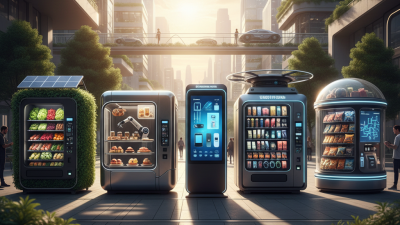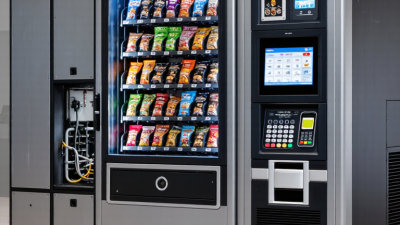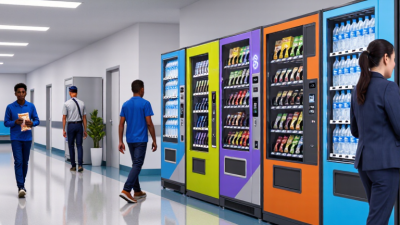
Choosing the right vending machine can influence sales, customer satisfaction, and daily operating costs. For businesses looking for vending machines, the best option depends on location, audience, budget, and maintenance capacity. A busy office may need fresh meals and coffee, while a hotel may benefit from compact snacks, drinks, or personal care products.
This guide examines seven strong vending machine options used by businesses worldwide. The selection considers product variety, payment flexibility, energy efficiency, hygiene, security, and remote inventory tracking. It also considers practical details, such as touchscreen reliability, refrigeration performance, refill frequency, and service access. A machine beside a factory entrance faces different demands from one inside a university building.
Real-world performance matters.
Some models offer impressive technology but require costly technical support. Others look simple yet deliver dependable sales for years. No machine is perfect. Weather, customer habits, local electricity standards, and available floor space can change the results. Businesses should also confirm local permits, food safety requirements, accessibility rules, and consumer protection obligations before installation.
The following overview compares machines for snacks, beverages, fresh food, coffee, electronics, workplace essentials, and specialized retail needs. Each category includes practical strengths and possible limitations. Clear pricing, secure payment systems, regular cleaning, and accurate product labeling remain essential. These details may seem ordinary, but they often determine whether a vending operation earns trust or loses it. The goal is not to promote the most expensive equipment. It is to identify reliable choices that match real business conditions.
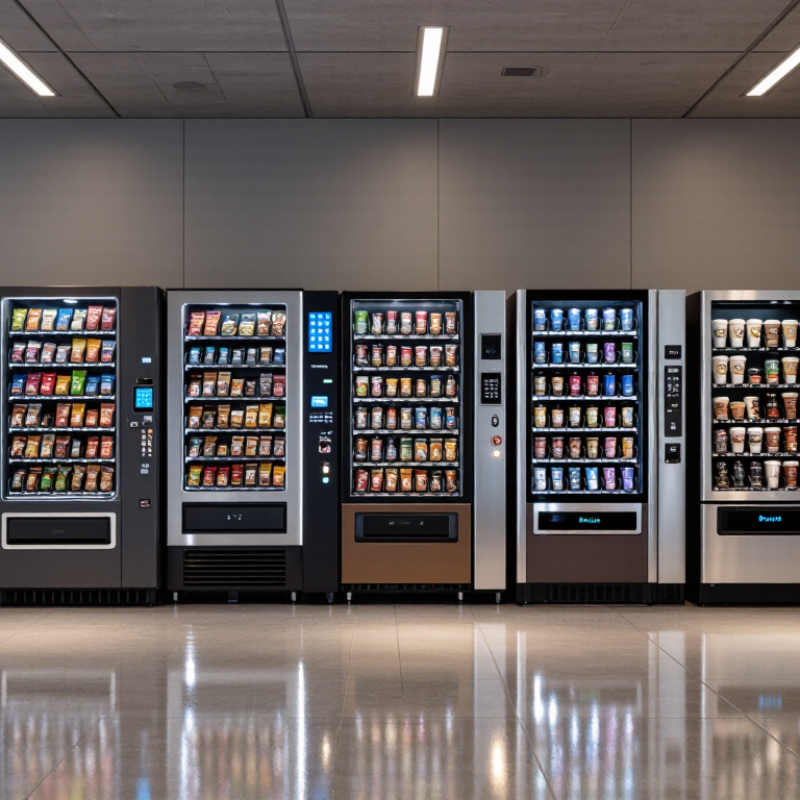
A high-performing vending machine begins with the business environment, not its appearance. After observing machines in offices, hospitals, and transport hubs, I found that placement often matters more than flashy screens. Product fit matters. Cold drinks need stable temperature control, while snacks need careful stock rotation. Machines near busy entrances usually require larger capacities and faster payment processing. Poorly matched inventory creates waste and weakens customer trust. Watch the queue.
Reliability is a business factor, not a technical luxury. Choose equipment with clear service records, accessible spare parts, and remote alerts for low stock or faults. Payment systems should support common local methods and protect customer data. Accessibility also matters, including reachable controls, readable displays, and space for different users. In warm or humid regions, ventilation and corrosion resistance deserve close inspection. Energy consumption should be measured against expected sales, not guessed from a brochure.
I once overvalued a modern interface and underestimated cleaning time. That mistake showed me how daily maintenance affects profit. Operators should track uptime, refill frequency, transaction failures, product waste, and service response time. Independent testing can support these decisions, but real site data remains essential. A machine that performs well in one market may struggle elsewhere._久久爱
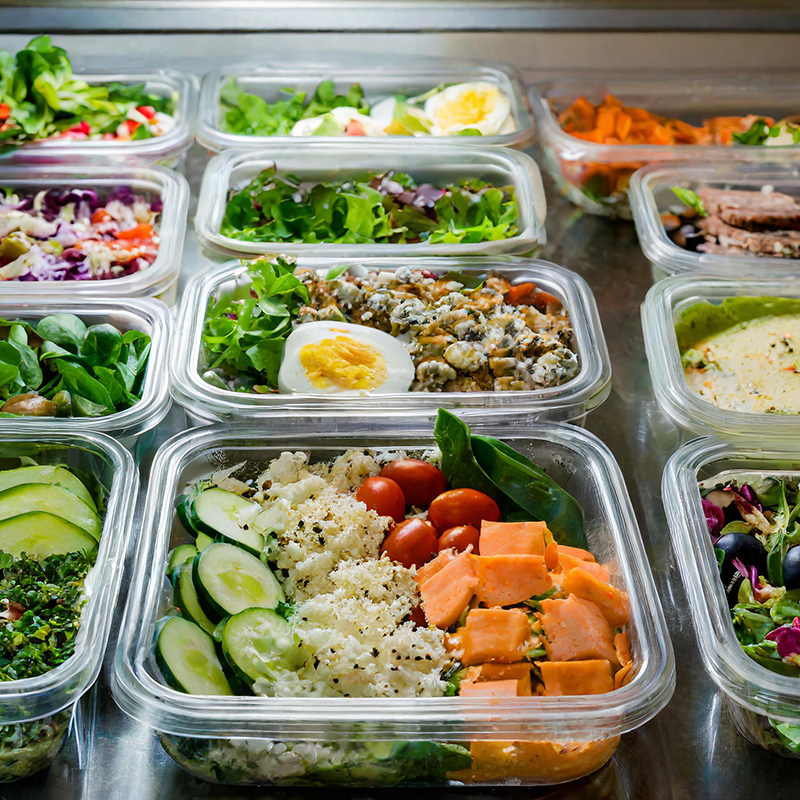
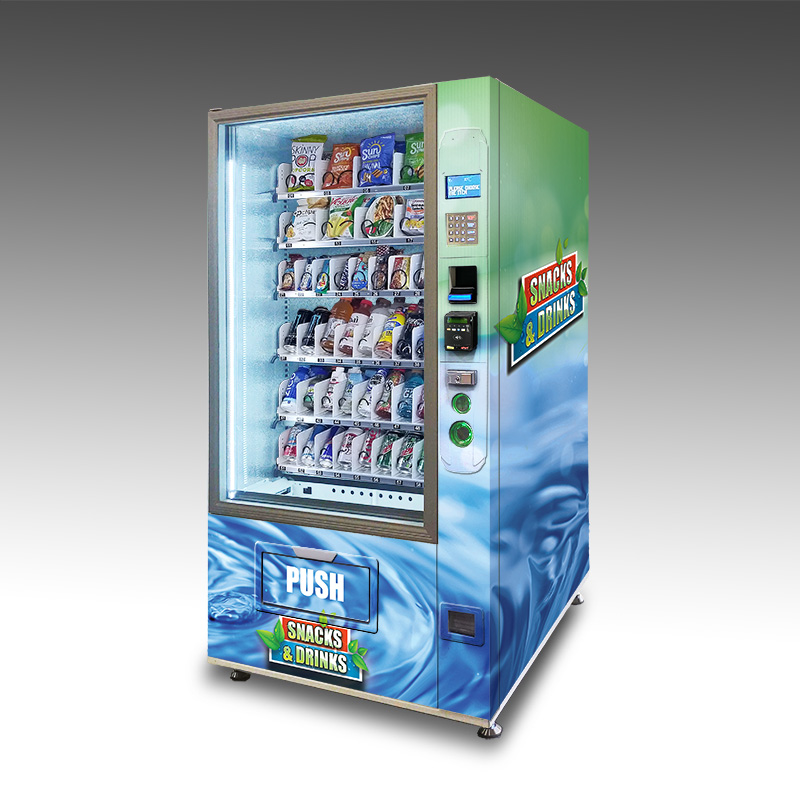
A snack and beverage machine suits offices, schools, and transport hubs with steady daily traffic. Choose separate temperature zones when chilled drinks share space with dry snacks. A fresh-food machine works better in hospitals, campuses, and large workplaces. It needs reliable refrigeration, clear expiry labels, and strict restocking records. Fresh meals can look attractive, but poor demand forecasting may create unnecessary waste.
A coffee vending machine fits offices, workshops, and hotel lobbies where short breaks shape purchasing habits. Test cup size, water quality, cleaning access, and peak-hour speed before installation. A workplace-supply machine can offer masks, tissues, stationery, chargers, or basic personal-care items. It helps factories and shared buildings reduce interruptions. Stock selection should follow actual usage, not assumptions. I once saw small batteries sell faster than expensive accessories.
A refrigerated grocery machine serves residential buildings, remote sites, and business parks with limited nearby shops. It should display temperatures and support frequent inventory checks. A healthy-food machine can suit gyms, clinics, and wellness centers, offering fruit, yogurt, nuts, and low-sugar drinks. An electronics-accessory machine fits airports, hotels, and conference venues, especially for cables, adapters, and earphones. Every type needs accessible controls, secure payment processing, transparent prices, and a simple refund procedure. Local safety, tax, accessibility, and electrical requirements still matter. Cheap installation can become an expensive mistake.
7 Best Vending Machines for Businesses Worldwide?
Key Features, Product Capacity, and Payment Options to Compare
Choosing a vending machine starts with the products it must sell, not its exterior design. A compact machine may hold 80 snack items, while a larger model can support chilled meals and drinks. Measure package widths carefully. Spiral lanes often waste space when products have unusual shapes. Adjustable shelves can improve capacity, but they may slow restocking. Refrigeration, temperature sensors, lighting, and strong door locks also matter. Energy use deserves attention, especially in locations operating all day.
Payment flexibility can decide whether customers complete a purchase. Reliable machines should accept coins, banknotes, contactless cards, mobile wallets, and QR payments. Payment readers must support local currencies and clear refund procedures. A weak internet connection can interrupt sales. Offline payment functions or dual network support may reduce that risk. Staff should receive transaction alerts without exposing customer information. Accessibility matters too, including readable screens, reachable controls, and clear audio guidance.
Remote monitoring is useful for checking stock, temperature, faults, and sales patterns. It can reduce unnecessary service visits. However, connected features add setup costs and cybersecurity responsibilities. Ask how software updates work and who controls access. A simple machine may outperform a smarter one in a dusty or poorly connected site. I would compare real operating data, not only brochure claims. Even then, capacity estimates can disappoint when packaging changes. Test several products before signing a long-term purchase agreement.
| Machine Type | Best Business Use | Key Features | Approximate Product Capacity | Typical Product Types | Payment Options to Compare | Temperature Range | Important Buying Considerations |
|---|---|---|---|---|---|---|---|
| Snack Vending Machine | Offices, schools, hospitals, transport hubs, and retail locations | Spiral or conveyor delivery, adjustable shelves, product visibility, impact-resistant glass, optional telemetry | Approximately 30–60 selections; 150–400 individual items depending on package size | Chips, confectionery, biscuits, cereal bars, nuts, and packaged snacks | Coins, banknotes, contactless cards, mobile wallets, QR-code payments, and prepaid accounts | Ambient; commonly approximately 15–25°C inside the cabinet | Check package dimensions, motor reliability, anti-theft construction, and local payment certification |
| Beverage Vending Machine | Busy workplaces, leisure venues, factories, campuses, and outdoor areas | Can or bottle dispensing, refrigerated cabinet, product spirals or lifts, programmable cooling, remote stock monitoring | Approximately 24–48 selections; 150–500 cans or bottles depending on container size | Water, soft drinks, juices, sports drinks, and ready-to-drink beverages | Coins, banknotes, contactless cards, mobile wallets, QR codes, and closed-loop payment cards | Chilled; commonly approximately 2–10°C, depending on the product and machine settings | Compare energy consumption, bottle and can compatibility, cooling recovery time, and drainage requirements |
| Combination Vending Machine | Small businesses and locations requiring snacks and beverages in one footprint | Dual-zone layout, refrigerated beverage section, flexible shelves, spiral delivery, touchscreen interface options | Approximately 30–50 selections; 150–350 total items | Packaged snacks, confectionery, cans, bottles, juices, and water | Coins, banknotes, contactless cards, mobile wallets, QR codes, and employee or loyalty accounts | Ambient snack area plus chilled beverage area, commonly 2–10°C for drinks | Evaluate power requirements, internal layout flexibility, service access, and whether both zones can be configured independently |
| Fresh Food Refrigerated Machine | Hospitals, offices, universities, residential buildings, and service areas | Refrigerated storage, wide product compartments, expiry-date management, touchscreen ordering, optional elevator delivery | Approximately 20–60 selections; 50–250 meals or chilled products | Sandwiches, salads, fruit cups, dairy products, prepared meals, and chilled desserts | Contactless cards, mobile wallets, QR codes, banknotes, coins, and prepaid customer accounts | Chilled; typically maintained at approximately 2–8°C for perishable food, subject to local food-safety rules | Confirm food-safety compliance, temperature logging, cleaning access, shelf-life controls, and waste management |
| Frozen Food Vending Machine | Residential communities, workplaces, campuses, convenience areas, and remote locations | Freezer compartment, insulated cabinet, controlled product delivery, temperature alarm, and remote monitoring options | Approximately 15–40 selections; 50–180 frozen items | Frozen meals, ice cream, frozen fruit, desserts, and packaged convenience foods | Contactless cards, mobile wallets, QR codes, coins, banknotes, and prepaid accounts | Frozen; commonly approximately −18°C or below, depending on product and applicable regulations | Compare freezing performance, defrost cycles, insulation, installation ventilation, and emergency temperature alerts |
| Smart Locker Vending System | Meal pickup, e-commerce collection, workplaces, residential buildings, and campuses | Individually controlled compartments, PIN or QR access, touchscreen, inventory software, and optional refrigerated sections | Approximately 12–60 compartments; capacity depends on locker dimensions and parcel size | Prepared meals, groceries, parcels, personal-care products, and temperature-sensitive goods | Online prepayment, QR codes, contactless cards, mobile wallets, PIN-linked accounts, and payment at collection | Ambient or refrigerated; chilled sections commonly operate around 2–8°C | Review software integration, user authentication, compartment sizes, delivery workflow, and cybersecurity controls |
| Bulk Product Vending Machine | Retail stores, family venues, community locations, and specialty food outlets | Gravity or portion-controlled dispensing, reusable-container support, transparent hoppers, simple mechanical operation | Approximately 4–12 product hoppers; capacity commonly 5–25 kg per hopper depending on product density | Candy, nuts, grains, pet treats, small toys, capsules, and other portion-sized goods | Coins, tokens, banknotes, contactless cards, mobile wallets, and QR-code payments when electronically equipped | Usually ambient; product-specific temperature and humidity requirements still apply | Check portion accuracy, food-contact materials, cleaning procedures, pest protection, and compliance with local weights-and-measures rules |
Capacity figures are approximate and vary according to product dimensions, packaging, cabinet configuration, and local operating requirements. Payment availability depends on the installed hardware, payment processor, currency, network connectivity, and regional regulations.
The best vending machine depends on location, foot traffic, climate, and customer habits. Snack machines suit offices, schools, transport hubs, and factory break rooms. Beverage machines perform well near gyms, parks, hospitals, and outdoor workplaces. Coffee machines fit office towers, universities, hotels, and busy service centers. Each location needs a different product mix.
Fresh food machines can serve hospitals, campuses, and large workplaces where cafés close early. Frozen food machines work well in residential buildings, supermarkets, and remote industrial sites with reliable electricity. Personal care machines are useful in airports, hotels, public restrooms, and entertainment venues. Small electronics machines suit airports, train stations, conference centers, and tourist areas. Product demand changes sharply between regions, so copying another market can be a costly mistake.
Tips: Measure foot traffic for seven days before installing. Check power access, lighting, security, and cleaning responsibilities. Use temperature monitoring for fresh or frozen products. Offer local payment methods and clear instructions. Start with a limited selection, then adjust it using sales data. I once underestimated late-night demand in a workplace, leaving popular drinks unavailable before morning. That error was avoidable. Operators should also confirm permits, food handling rules, accessibility standards, and tax requirements with local authorities. A machine may look profitable, yet poor restocking access can quietly reduce its performance.
Choosing among the seven best vending machine types starts with the location, not the cabinet design. A school needs healthy snacks and clear product information. An office may prefer coffee, chilled meals, or contactless payment. Transport hubs need fast transactions, strong locks, and visible stock levels. Measure foot traffic for several days. Then compare expected sales with rent, electricity, maintenance, and payment fees. Local voltage, temperature, language, accessibility, permits, and recycling rules also matter. A machine that succeeds in one country may fail beside a quiet entrance.
Installation should include a level floor, safe electrical capacity, stable internet, and enough clearance for restocking. Ask a qualified technician to inspect connections and anchoring before opening. Keep a written log of temperatures, payments, refunds, cleaning, and faults. Remote monitoring can show empty spirals, but it cannot replace physical inspection. I once underestimated lunchtime demand. The machine looked reliable, yet popular items disappeared by noon. That mistake taught me to review sales by hour, not only by week. Test emergency contacts and refund procedures with real users.
Tips: Start small. Choose products with clear expiry dates. Keep prices visible. Check the machine daily during its first month. Record every complaint, even unusual ones. Review sales, waste, and service costs monthly. If customers struggle with payment or product selection, change the layout before replacing the entire machine. Reliability is built through small corrections.