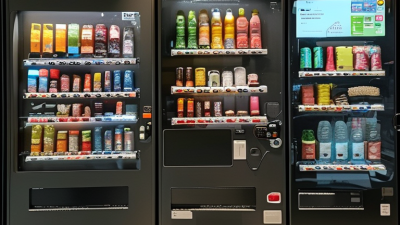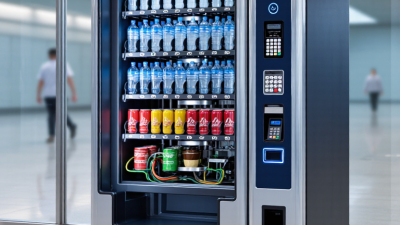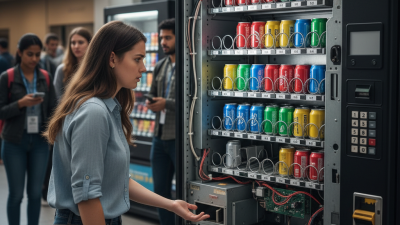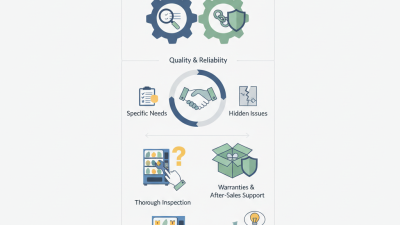
The idea to invest in vending machines sounds simple. The reality is more operational, local, and measurable. A machine earns nothing when placed beside an empty corridor. It needs foot traffic, suitable products, reliable payment technology, and regular servicing. NAMA’s 2023 Industry Census reported approximately $26.6 billion in U.S. convenience-services revenue in 2022. Vending represented a major share of that ecosystem. Allied Market Research also projected strong global growth, estimating the vending machine market could rise from $51.9 billion in 2022 to $146.6 billion by 2032. Forecasts differ, though. Definitions and market boundaries are not always consistent.
Location matters most. As vending consultant Bob Tullio has said, “Vending is a location business.” That short sentence deserves serious attention. A machine near a hospital waiting area may need water, healthy snacks, and contactless payment. One near a factory may perform better with filling drinks and quick meals. Track every sale. Compare weekly revenue with rent, inventory, repairs, card fees, insurance, and travel time. The profit can look attractive before these costs appear. Then reality arrives.
There is no guaranteed passive income. A machine can remain untouched for weeks. Product expiry can quietly reduce margins. Cashless payments can improve convenience, but they also add transaction costs. Investors should verify site agreements, business registration, tax obligations, accessibility requirements, and product-safety rules before installation. The opportunity is real, but the work is often underestimated. Careful testing beats buying several machines too early. Start with one proven location, measure honestly, and improve from evidence.
Investing in vending machines looks simple, but the numbers need discipline. NAMA’s 2022 Industry Census valued U.S. vending sales at about $25.3 billion. Grand View Research estimated the global market at $21.84 billion in 2023. These figures show demand, not guaranteed profit. A machine may cost $3,000 to $8,000, excluding delivery, installation, inventory, permits, insurance, and payment equipment. Location usually matters more than the machine itself.
Consider a conservative example. A machine generates $600 monthly sales. Product costs take 45%, location commission takes 15%, and payment fees take 3%. Repairs, travel, and spoilage may remove another $50. The remaining $172 is operating profit before taxes and financing. A $5,400 setup could require over 31 months to recover. That estimate is fragile. One empty office floor, a broken payment reader, or three weeks of low traffic can change it quickly. I would not trust optimistic projections without checking sales records from comparable locations.
Tips: Count foot traffic at different hours for seven days. Ask for a written commission agreement. Keep a repair reserve for at least three months. Track each product’s margin, expiry date, and weekly movement. Start with one machine, not ten. Industry growth reports can encourage expansion, but they rarely reveal local theft, service delays, or seasonal demand. My first spreadsheet would probably ignore these costs, which is exactly why a small pilot deserves more confidence than a polished forecast.
Product selection begins with the location, not personal preference. A gym may support water, electrolyte drinks, protein snacks, and low-sugar options. An office may prefer coffee, nuts, sandwiches, and quick breakfast items. Study foot traffic, nearby stores, customer income, and buying times before choosing inventory. Location decides everything. Keep a simple sales record for each product. Remove slow items after two or three restocking cycles, but avoid judging during holidays or unusual events.
Machine type should match the products and the environment. A refrigerated machine suits fresh food, but it needs reliable power and careful temperature checks. A spiral snack machine usually costs less to maintain and handles packaged goods well. Combination machines save space, although their mixed capacity can limit popular items. Cashless payment access may increase convenience, but transaction fees reduce each sale. Calculate purchase cost, delivery, electricity, repairs, permits, insurance, and product waste before estimating profit.
I would test one machine for several weeks before expanding. Test before scaling.
A small trial reveals awkward shelf heights, weak product choices, and quiet selling hours. Check expiration dates during every visit, and keep prices visible and accurate. Food safety rules, accessibility requirements, taxes, and local vending permissions vary by area, so verify them with the proper authorities. My first product list would probably be too broad. That is useful feedback, not failure. A narrower selection often makes restocking easier and sales data clearer.
A vending machine earns from access, not visibility alone.
NAMA’s 2022 Industry Census estimated U.S. vending sales at about $18.6 billion, showing a substantial but competitive market. High-traffic sites matter, yet people must also pause there. Hospitals, warehouses, colleges, apartment buildings, and transport facilities can provide steady demand. Watch the location during shift changes, lunch breaks, evenings, and weekends. Count people for fifteen-minute periods. Record what they carry, where they wait, and whether food or drinks are already available.
Permission is the real bottleneck. Speak with the property owner, facilities manager, or procurement officer, not only a receptionist. Present a one-page proposal covering machine dimensions, product categories, restocking times, cleaning procedures, electrical needs, insurance, and revenue sharing. Put every detail in writing. A signed placement agreement should define access hours, commission payments, damage responsibility, termination rights, and removal procedures. Some sites may require health permits or local operating approvals, depending on the products sold.
Do not trust a busy entrance blindly. The Global Association for Visitor Economy reports that dwell time strongly influences on-site purchasing opportunities, but traffic counts alone cannot predict conversion. A quiet employee lounge may outperform a crowded lobby. Test one machine for sixty to ninety days when possible. Review sales by hour and product, then adjust inventory quickly. My first location would probably look profitable on paper and still disappoint. That mistake is useful. It forces better counting, clearer permissions, and less optimistic forecasting.
Managing a vending machine business requires more than buying equipment and filling it with products. Study each location’s foot traffic, opening hours, customer habits, and nearby alternatives. A machine near offices may need quick breakfast items, while one in a residential building may sell household essentials. Confirm written placement agreements, required permits, insurance, and local health rules before installation. Small details protect cash flow.
Operations become easier with a fixed service schedule. Check every machine weekly during the first three months. Record sales, expired products, temperature readings, payment issues, and customer comments. Carry basic tools, cleaning supplies, spare coils, and replacement locks. Maintenance delays can turn a minor fault into lost revenue. Keep it clean. Customers notice.
Growth should follow evidence, not excitement. Compare profit after product costs, travel, repairs, processing fees, and location commissions. One machine may look successful because unpaid labor is hidden. I once underestimated driving time between locations; the numbers looked better on paper. That mistake changed how I evaluate expansion. Group machines within practical routes, negotiate performance reviews with property managers, and remove slow products quickly. Test small quantities before changing the entire selection. Review results monthly, but allow enough time for seasonal patterns. Growth can be slower. It can also be healthier.