What Is a Drink Vending Machine and How Does It Work?
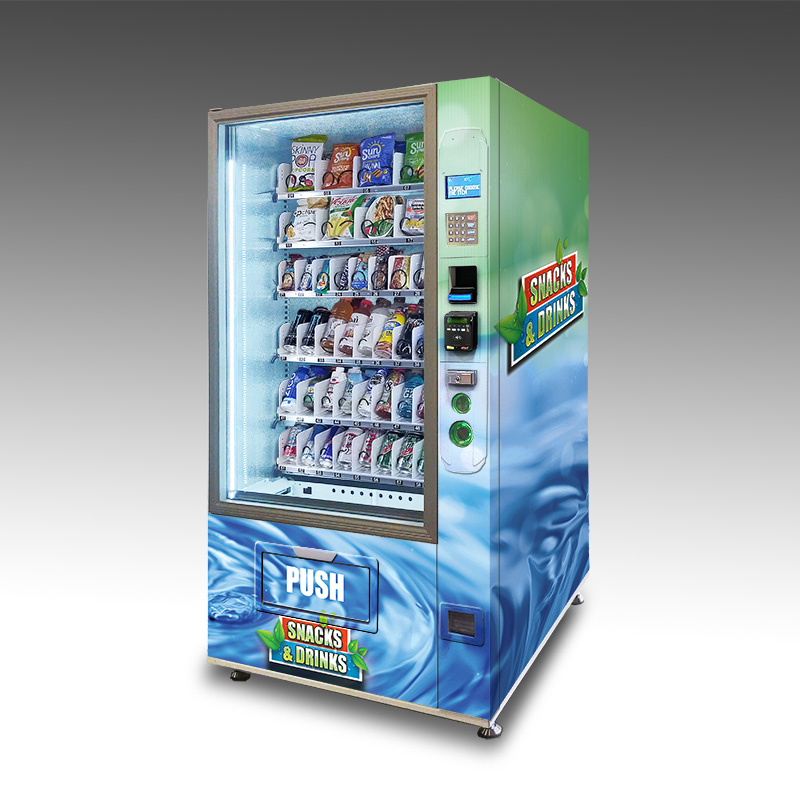
A drink vending machine is more than a refrigerated cabinet with a payment slot. It is a compact retail system designed to sell beverages without a cashier. Inside, motors, spirals, sensors, cooling equipment, and software work together. A customer selects water, juice, coffee, or another approved beverage. The machine confirms payment, releases the product, and updates its inventory.
“Vending is the original unmanned retail,” says Jeff Lenard, Vice President of Strategic Industry Initiatives at the National Automatic Merchandising Association. His observation explains the machine’s continuing value. It places drinks near workplaces, hospitals, schools, transport areas, and public facilities. Access can take less than a minute. That convenience matters during a rushed morning or a short travel break.
The process begins when a product selection is made. A control board checks the chosen slot and payment status. Then, a motor moves the bottle or can toward the delivery compartment. Sensors help confirm that the product has dropped safely. Modern models may also support contactless payments, temperature monitoring, remote stock alerts, and energy-saving refrigeration.
Still, the technology is not flawless. A payment may fail. A bottle can tilt inside its column. A cooling system may need attention. These small problems remind operators that reliable vending depends on maintenance, accurate stocking, and clear customer support. Understanding how each component works helps businesses choose suitable equipment and manage it responsibly. This guide examines the machine’s structure, operating cycle, payment systems, safety features, and practical limitations.
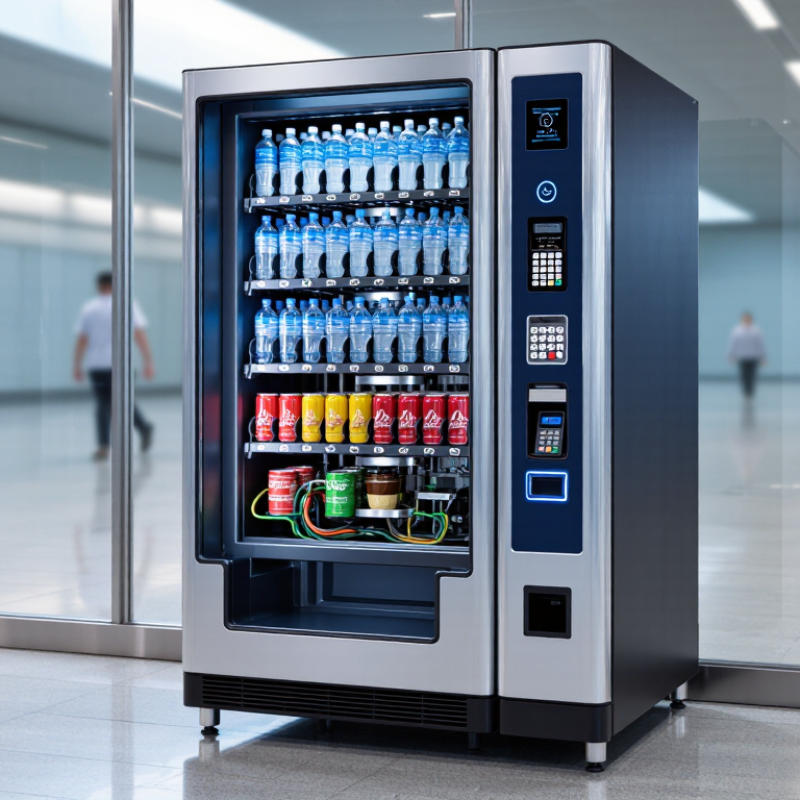
Table of Contents
[Hide]
Definition and Basic Purpose of a Drink Vending Machine
A drink vending machine is a self-service device that stores and sells packaged beverages without a cashier. Its basic purpose is simple: provide quick access to water, juice, soft drinks, or other permitted refreshments in busy locations. The machine accepts a payment, confirms the selection, and releases one product through a delivery compartment.
The process is more precise than it appears. A customer chooses a button or screen option. The control system checks payment and product availability. Then, a motor moves the selected bottle or can toward the pickup area. Sensors help detect jams, empty slots, and failed deliveries. Refrigerated models use a cooling unit to maintain a suitable serving temperature. That convenience has measurable commercial value. Fortune Business Insights estimated the global vending machine market at about USD 18.33 billion in 2023, with continued growth expected through 2032. The report identifies automated retail and cashless payment adoption as major drivers.
Placement also shapes the machine’s purpose. A unit near a train station serves speed, while one in an office supports routine access during breaks. Operators usually track sales, temperature, stock levels, and maintenance remotely. Still, the definition hides a practical weakness. A machine may look fully automatic, but it depends on reliable power, accurate sensors, regular cleaning, and timely restocking. A missed refill can make a convenient service feel unavailable. Data supports demand, but daily operation still requires human judgment.
What Is a Drink Vending Machine and How Does It Work? - Definition and Basic Purpose of a Drink Vending Machine
| Data Dimension | Key Information | Typical or Relevant Details |
|---|---|---|
| Definition | A drink vending machine is an automated retail device that stores and dispenses beverages after a customer completes a purchase. | It operates without a cashier being present at the point of sale. |
| Basic Purpose | To provide convenient, self-service access to packaged drinks. | It is commonly placed in offices, schools, hospitals, transport areas, public buildings, and entertainment venues. |
| Products Dispensed | The machine can hold sealed, ready-to-drink products. | Common examples include bottled water, soft drinks, juices, energy drinks, sports drinks, coffee, tea, and other packaged beverages. |
| Main User Interaction | The customer selects a product, pays, and collects the dispensed item. | Selection may be made using physical buttons, a keypad, or a touchscreen. |
| Product Storage | Products are held in dedicated columns, shelves, spirals, or dispensing lanes inside the cabinet. | The internal layout depends on the package shape, size, and dispensing mechanism. |
| Dispensing Mechanism | A motorized mechanism releases the selected beverage from its storage position. | Common mechanisms include rotating spirals, motorized shelves, conveyor systems, and elevator-style delivery systems. |
| Product Delivery | The item moves to a protected collection compartment after dispensing. | The collection area is designed to allow the customer to retrieve the product while reducing access to the remaining stock. |
| Payment Methods | The payment system verifies the transaction before the machine releases the product. | Supported methods may include coins, banknotes, payment cards, contactless payments, and mobile payments, depending on the machine configuration. |
| Payment Verification | A controller checks whether the payment is sufficient and whether the selected product is available. | If the transaction is accepted, the machine authorizes dispensing; if not, it displays an error or requests another payment method. |
| Refrigeration | Chilled drink vending machines use an internal refrigeration system to lower and maintain product temperature. | The temperature is adjustable by design and is often maintained at approximately 2–8°C for chilled beverages, subject to local requirements and machine settings. |
| Non-Refrigerated Operation | Some machines dispense shelf-stable drinks without active cooling. | These machines are suitable for products that can be stored safely at ambient temperature according to their packaging instructions. |
| Control System | An electronic controller coordinates selection, payment, motors, sensors, display messages, and fault handling. | The controller can stop a transaction when a product is sold out, jammed, or unavailable. |
| Sensors | Sensors help confirm product movement, payment status, door condition, and stock availability. | Depending on the design, sensors may detect delivery position, motor rotation, product presence, temperature, and unauthorized access. |
| Typical Package Sizes | Machines are configured to fit specific beverage container dimensions. | Common packaged drink sizes include cans around 330–355 mL and bottles around 500 mL, although other sizes are also possible. |
| Inventory Capacity | Capacity varies according to cabinet size, product dimensions, and the number of selections. | A compact machine may hold fewer products, while a larger machine may contain multiple columns and a wider product range. |
| Stock Management | Operators replenish products and remove expired, damaged, or unsellable items. | Modern machines may record sales and stock levels electronically to support replenishment planning. |
| Customer Display | The display communicates product choices, prices, payment instructions, and transaction status. | It may also show messages such as “Sold Out,” “Exact Change Only,” “Please Collect Your Product,” or “Out of Service.” |
| Safety Features | Safety systems help protect customers, products, and the machine itself. | Typical features include a locked cabinet, anti-theft collection door, electrical protection, overload detection, and automatic transaction cancellation when dispensing fails. |
| Power Requirement | A drink vending machine normally requires an electrical power supply to operate its controller, payment equipment, motors, display, and refrigeration system when installed. | The required voltage and power rating depend on the machine model and local electrical standards. |
| Basic Operating Sequence | The machine follows a repeated sequence from selection to product collection. | 1. Product selection → 2. Price display → 3. Payment verification → 4. Product release → 5. Delivery confirmation → 6. Change or receipt processing, when applicable. |
| Common Failure Conditions | The machine may pause a transaction when it detects an operational problem. | Examples include insufficient payment, an empty selection, a blocked delivery path, a motor fault, a temperature issue, or a payment-system error. |
| Maintenance Requirements | Routine maintenance keeps the machine reliable, clean, and safe to use. | Tasks may include cleaning surfaces, checking refrigeration, testing payment equipment, inspecting motors and sensors, removing jams, and restocking products. |
| Advantages | Drink vending machines provide fast and convenient access to beverages with limited staff involvement. | They can operate for extended hours, require relatively little floor space, and support cashless as well as cash transactions when equipped accordingly. |
| Limitations | Performance depends on electricity, maintenance, product replenishment, payment connectivity, and correct machine configuration. | Machines may be unable to serve customers during power failures, stock shortages, payment faults, or mechanical jams. |
Related Posts
-
2026 Top Smart Vending Machine Types for Global Buyers
-
Exploring the Future of Vending Machine Franchise Opportunities in a Digital Age
-
China Top Vending Machine Manufacturers for Global Buyers
-
Why Is Vending Machine Cost So High?
-
Why Choose a Candy Vending Machine for Your Business?
-
Digital Vending Machine Tips to Boost Your Sales Strategy?