2026 Best Vending Business Ideas for Global Buyers
The 2026 vending business landscape is becoming more practical, connected, and locally adapted. Global buyers are exploring smart snack machines, fresh-food kiosks, coffee stations, water refill units, and workplace essentials. These models serve real needs in airports, hospitals, schools, factories, hotels, and residential buildings. However, popularity alone does not guarantee profit.
A successful machine must fit its location. A chilled sandwich unit may perform well near a busy office, while a compact coffee machine may suit a small hotel lobby. Payment systems should support local currencies, mobile wallets, cards, and reliable offline options. Remote monitoring can track inventory, temperature, sales, and technical alerts. These details reduce unnecessary visits and help operators respond before customers complain.
This guide examines vending business ideas for buyers serving different regions and budgets. It considers product demand, machine durability, energy use, maintenance access, supplier support, and local compliance. Food safety, electrical standards, accessibility, consumer protection, and permit requirements should be checked before purchase. Rules vary widely.
No machine fits every market. That matters.
A polished sales forecast can still be wrong. Foot traffic may change after a building closes, a competitor arrives, or rent increases. Experienced operators test small locations before making larger commitments. They also inspect sample machines, request service records, verify spare-parts availability, and speak with existing customers. Some advice here may need adjustment as technology, payment habits, and regional regulations evolve. Careful research remains more valuable than impressive features.
Table of Contents
[Hide]
Understanding the Global Vending Business Landscape in 2026
Understanding the global vending business in 2026 requires more than counting machines. Grand View Research estimates the global vending machine market reached about USD 21 billion in 2023, with strong growth expected through 2030. Fortune Business Insights reports different figures, showing why market definitions matter. Some studies include only automated retail equipment, while others include payment systems and service contracts.
Growth is moving beyond traditional snacks and drinks. In busy rail stations, compact machines now offer fresh meals, personal-care items, and local products. The best opportunities depend on foot traffic, climate, product regulations, and refill access. A machine beside a university may need affordable meals, while one near a hospital may require healthier options and longer operating hours. Small details decide performance.
Payment behavior is also changing. The Worldpay Global Payments Report 2024 found digital wallets represented about 30% of global point-of-sale transaction value in 2023. Cash still matters in many regions, however. Ignoring it could exclude reliable customers. Operators should support local payment habits, clear pricing, remote inventory alerts, and accessible interfaces. I would not assume one global model works everywhere. Electricity reliability, import duties, maintenance skills, and consumer trust can quickly weaken an attractive forecast. Test one location carefully. Measure sales by hour, product waste, payment failures, and refill time. Some popular products may still produce poor margins.
2026 Best Vending Business Ideas for Global Buyers - Understanding the Global Vending Business Landscape in 2026
Comparative planning table for non-branded vending concepts | Indicative global benchmarks in USD
| Business Idea | Best-Fit Locations | Typical Products or Services | Indicative Machine Cost | Typical Retail Price | Potential Gross Margin | Main 2026 Demand Driver | Key Operating Requirement |
|---|---|---|---|---|---|---|---|
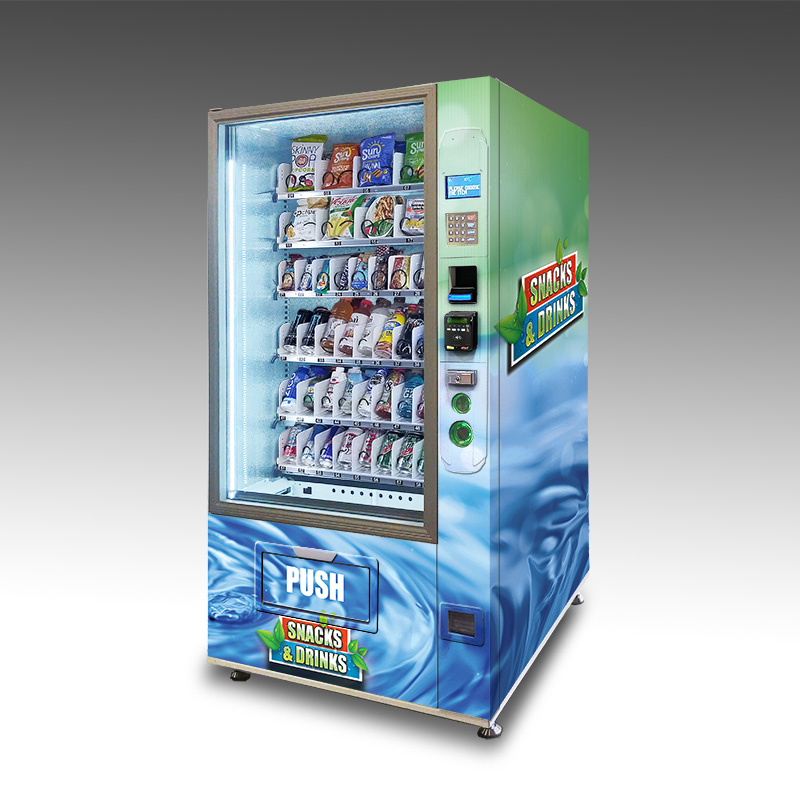
| Healthy Snacks and Drinks | Offices, universities, hospitals, transport hubs | Water, low-sugar drinks, nuts, fruit bars, sandwiches | $3,000–$12,000 | $1.50–$8.00 | 35%–55% | Convenience, wellness awareness and cashless purchasing | Frequent replenishment and temperature-controlled storage for perishables |
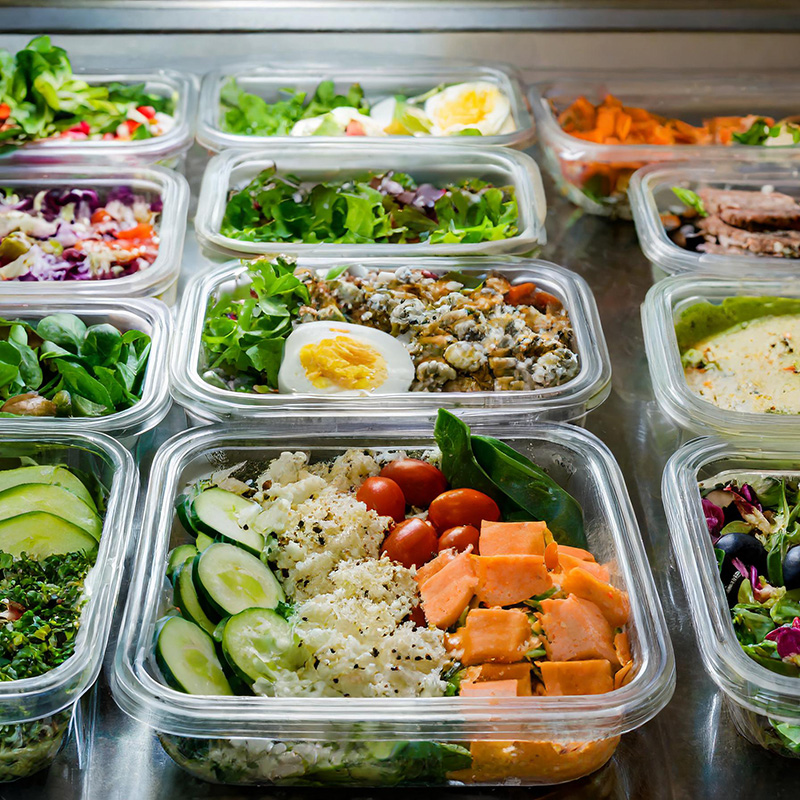
| Fresh Meal Vending | Business districts, campuses, hospitals and residential complexes | Prepared salads, meals, breakfast items and chilled desserts | $8,000–$25,000 | $5.00–$15.00 | 30%–50% | Demand for fast meals outside traditional restaurant hours | Food-safety controls, dated inventory and reliable refrigeration |
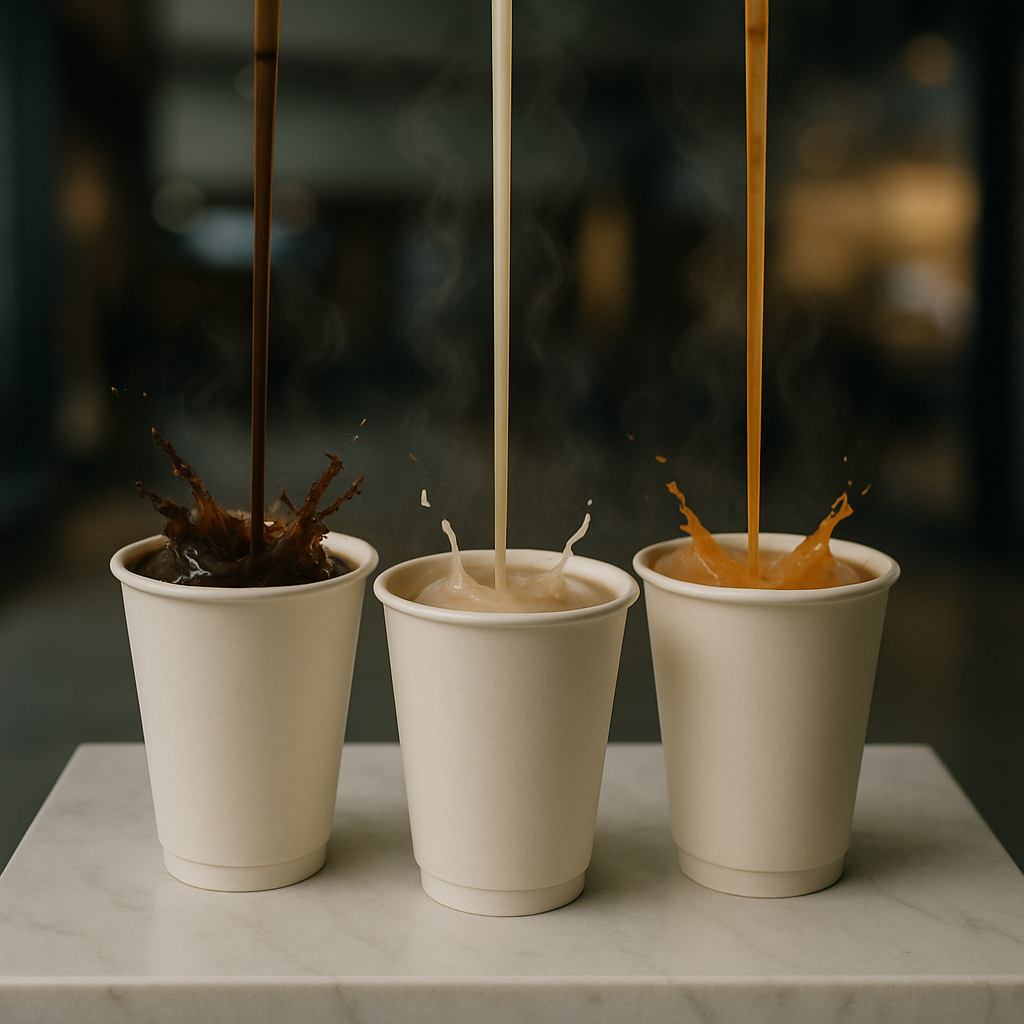
| Hot Coffee and Beverage Vending | Offices, factories, airports, hospitals and public buildings | Coffee, tea, cocoa and other hot beverages | $4,000–$18,000 | $1.00–$5.00 | 45%–70% | High-frequency beverage consumption and labor-saving service | Water filtration, cleaning schedules and ingredient monitoring |
| Personal Care Essentials | Airports, hotels, universities, gyms and entertainment venues | Travel toiletries, hygiene products, menstrual-care items and tissues | $2,000–$9,000 | $2.00–$15.00 | 40%–65% | Immediate-need purchases and growing demand for accessible hygiene products | Correct product sizing, discreet placement and local product compliance |
| Electronics Accessories | Transport hubs, shopping centers, campuses and hotels | Charging cables, adapters, batteries, earphones and travel accessories | $4,000–$15,000 | $5.00–$45.00 | 35%–60% | Dependence on mobile devices and urgent replacement purchases | Product certification, theft prevention and compatibility labeling |
| Pet Supplies | Pet-friendly residential areas, parks, veterinary facilities and travel stops | Pet treats, waste bags, toys and basic walking accessories | $2,500–$10,000 | $1.00–$20.00 | 35%–60% | Growth in pet ownership and demand for convenient pet-care purchases | Clear ingredient information and protection from heat and moisture |
| Beauty and Skincare Products | Shopping centers, hotels, salons, gyms and airports | Travel-size skincare, cosmetics, sunscreen and grooming products | $4,000–$16,000 | $4.00–$35.00 | 45%–70% | Travel convenience, trial-size purchasing and self-care spending | Authenticity, expiry-date management and temperature protection |
| Fresh Produce and Farm Products | Residential communities, rural towns, farms and commuter routes | Eggs, fruit, vegetables, bread and locally produced packaged foods | $6,000–$22,000 | $2.00–$25.00 | 25%–45% | Local-food demand and reduced access gaps outside major retail centers | Agricultural and food-sales permits, refrigeration and daily stock rotation |
| Ice and Chilled Water | Convenience locations, marinas, campgrounds, sports facilities and coastal areas | Bagged ice, chilled water and reusable cooling products | $10,000–$80,000 | $2.00–$20.00 | 35%–65% | Outdoor recreation, hot climates and round-the-clock convenience | Potable-water standards, high electricity capacity and sanitation controls |
| Laundry and Household Consumables | Apartment buildings, student housing, laundromats and worker accommodation | Detergent, fabric softener, laundry bags and basic cleaning supplies | $2,000–$8,000 | $1.00–$12.00 | 35%–60% | Dense rental housing and demand for small emergency purchases | Secure liquid-product dispensing and regular leakage inspection |
| Automotive Emergency Items | Parking facilities, fuel stations, repair centers and highway rest areas | Wiper fluid, bulbs, fuses, phone chargers, gloves and basic tools | $3,000–$12,000 | $3.00–$40.00 | 35%–60% | Urgent, time-sensitive purchases when traditional stores are closed | Accurate fit information, weather-resistant equipment and theft controls |
| Reusable Packaging and Recycling Collection | Campuses, offices, events, transit stations and environmentally focused venues | Reusable containers, refill items and deposit-based collection services | $5,000–$30,000 | $0.50–$15.00 per transaction | 20%–50% | Waste-reduction policies, deposit systems and sustainability targets | Collection logistics, cleaning procedures and local waste regulations |
Global buyer checklist for 2026:
Confirm electrical standards, import classification, payment-terminal compatibility, accessibility rules, product labeling, food or cosmetic approvals, warranty coverage, spare-parts availability, remote monitoring capability and local service support before placing an order.
Related Posts
-
China Top Vending Machine Manufacturers for Global Buyers
-
Owning a Vending Machine in 2026 What Type Is Best?
-
2026 Top Smart Vending Machine Types for Global Buyers
-
What Is a Drink Vending Machine and How Does It Work?
-
How to Invest in Vending Machines and Make Money?
-
Why Is Vending Machine Cost So High?