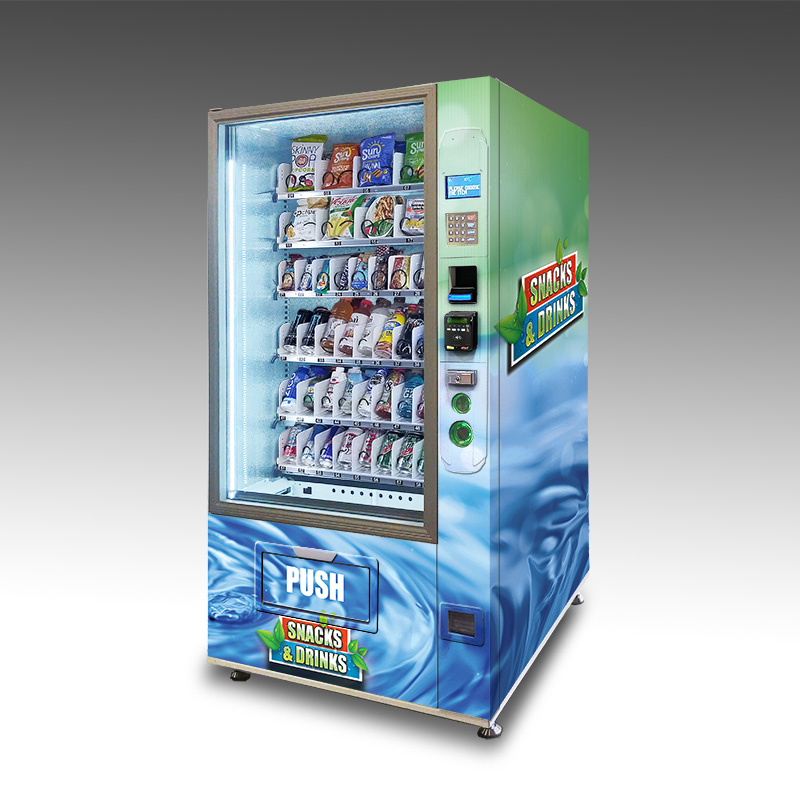
Owning a Vending Machine in 2026 What Type Is Best?
Choosing the best machine in 2026 begins with a practical question: what will customers buy repeatedly?
Owning a vending machine can look passive from a distance. It is not. A machine outside a busy warehouse may sell bottled water, protein snacks, and coffee every day. The same machine may struggle in a quiet office lobby. Location still matters more than shiny equipment. Jim Brinton, a longtime vending-industry executive, captured this principle simply: “Vending is all about convenience.”
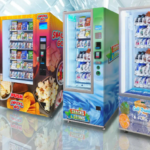
That idea shapes every option in this guide. Beverage machines suit gyms, factories, hospitals, and transportation areas. Snack machines can perform well where customers need quick food between shifts. Smart combo machines offer flexibility, especially when floor space is limited. Fresh-food machines may attract attention, but they demand stricter temperature control, frequent restocking, and careful waste tracking. Higher technology does not guarantee higher profit.
Look at the details. Can customers pay by card or phone? Is the machine easy to clean? Can telemetry show low inventory before a popular item disappears? Does the site provide stable foot traffic, lighting, and secure access? A written placement agreement also prevents uncomfortable misunderstandings later.
The numbers require honesty. Purchase price, delivery, repairs, processing fees, product costs, commissions, and spoilage can reduce attractive sales quickly. A beginner may overestimate demand. That happens. Testing one location for several months can reveal more than optimistic forecasts. The best machine is rarely the most advanced model. It is the machine that matches a real audience, a manageable product range, and an operator willing to service it consistently.
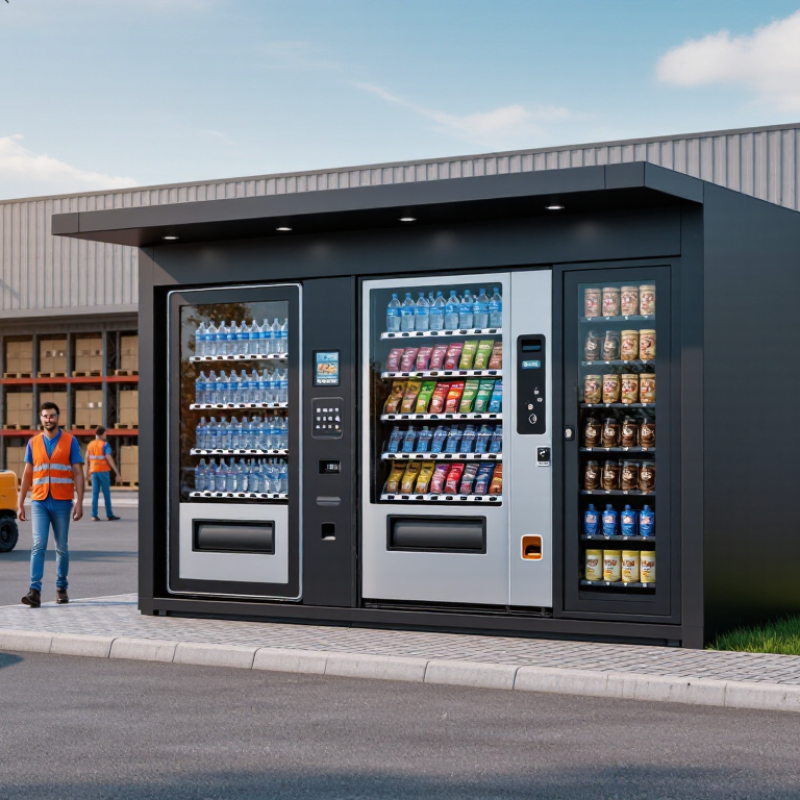
Understanding Vending Machine Business Models in 2026
Owning a vending machine in 2026 is less about buying equipment and more about choosing the right business model. The main options are self-operated machines, managed placement, micro-markets, and cashless smart units. Each model changes your workload, investment, and exposure to slow sales. Grand View Research valued the global vending machine market at about $21.84 billion in 2023. It also projects a 10.7% compound annual growth rate from 2024 to 2030.
A self-operated model offers stronger control over pricing, product selection, and customer data. However, it demands regular restocking, cleaning, payment checks, and location visits. Managed placement reduces daily work because an operator handles service tasks. Your revenue share may be smaller. That trade-off matters. The best location can still fail when foot traffic is poorly measured.
Micro-markets suit offices, residential buildings, and controlled workplaces with longer customer dwell time. They usually support more products than a traditional machine. The National Automatic Merchandising Association reported that convenience services generated approximately $31 billion in 2022, showing demand beyond standard snacks and drinks. Yet, market reports use different definitions and estimates. That makes careful local testing essential. A practical approach is to start with one machine, track weekly sales, spoilage, service hours, and payment failures, then adjust. I would not trust a forecast alone. Actual customer behavior is often less tidy.
Comparing Product Types and Customer Demand
In 2026, the best vending machine is rarely the most advanced model. It is the one matching local customer demand. Product choice should follow routines, not personal preference. A machine near offices may sell bottled water, coffee, protein snacks, and quick breakfast items. Customers often want speed before taste perfection.
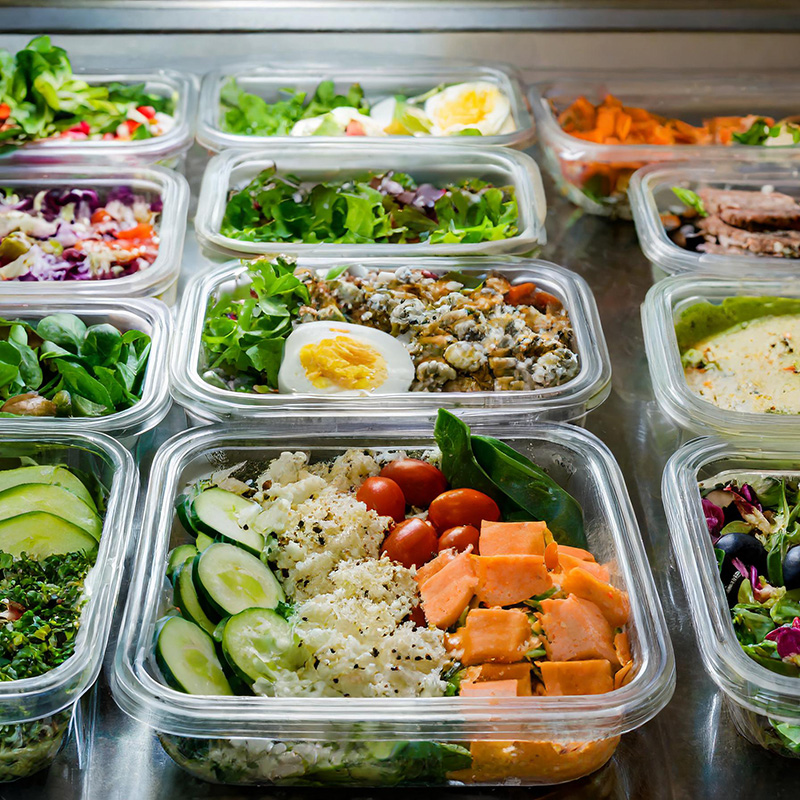
Fresh food machines can perform well near hospitals, colleges, and transport hubs. They offer salads, sandwiches, fruit cups, and chilled meals. However, spoilage creates a serious risk. Operators need reliable refrigeration, daily stock checks, and clear expiration controls. A small mistake can erase several days of profit. That matters.
Snack machines usually have simpler operations and broader appeal. Their products last longer and require less frequent delivery. Yet demand can become predictable and limited. Health-focused machines may attract gyms and clinics, but sales depend heavily on price and neighborhood habits. Essential-item machines can serve apartments with toiletries, batteries, and basic household supplies. They may produce steadier demand, though customer traffic is often lower.
I would test one location before buying several machines. Track sales by hour, product, weather, and nearby events. Empty shelves reveal demand. Unsold products reveal poor judgment. I once underestimated how strongly commuters preferred small drinks over larger bottles. The lesson was uncomfortable but useful. Customer interviews also help, although people sometimes describe ideal purchases rather than actual ones. Real transaction data deserves more trust. A balanced machine may combine reliable staples with a few carefully tested products. Keep experimenting.
Evaluating Locations, Technology, and Operating Requirements
Owning a Vending Machine in 2026 What Type Is Best?
Location matters more than machine design. The Grand View Research report estimates the global vending machine market reached about $21.8 billion in 2023. However, demand varies sharply by site. A hospital corridor may support healthier meals and drinks, while a warehouse may favor filling snacks, coffee, and cold beverages. A strong location has steady foot traffic, limited nearby retail, and waiting time. Count visitors during three different shifts. One busy afternoon is not enough.
Technology changes the operating workload. The Federal Reserve’s 2024 Diary of Consumer Payment Choice reported that cash represented 16% of consumer payments in 2023. Therefore, cashless payment acceptance is essential, but a cash option can still protect sales. Remote inventory alerts can reduce empty spirals. Connectivity is not optional. Weak signals create silent losses. Choose machines with simple payment controls, temperature monitoring, and clear error reporting.
Operating requirements often decide the best type. Check electrical capacity, floor access, security, cleaning schedules, insurance, and local permits before signing. A compact snack-and-drink machine suits a small office. A refrigerated machine needs stricter temperature checks and faster restocking. A self-service micro-market may produce higher sales, but it requires stronger security and daily management. The 2024 NAMA Industry Census emphasizes continued demand for convenience services, yet sales potential does not remove operational friction. My imperfect rule is simple: never trust projected revenue until you complete a seven-day site test.
Calculating Startup Costs, Revenue, and Ongoing Expenses
Owning a Vending Machine in 2026: What Type Is Best?
The best first machine is often a cashless snack-and-drink combo unit. It serves more needs in less floor space. NAMA’s 2023 census valued U.S. vending sales at about $18.2 billion. However, national demand does not guarantee one profitable location. A quiet hallway can make an expensive machine look useless.
A realistic startup budget ranges from $4,000 to $12,000. That may include the machine, delivery, payment hardware, initial stock, insurance, and permits. Used equipment can reduce the purchase price, but repairs may appear sooner. Monthly gross sales might reach $300 to $1,500 in a suitable site. These figures are estimates, not promises. Rent or location commissions may take 10% to 25% of sales. Payment processing, fuel, restocking labor, spoilage, repairs, and software also reduce profit. Grand View Research estimated the global vending machine market at roughly $56.9 billion in 2023, but its worldwide scope differs from local business conditions.
Tips: Count foot traffic for seven days before signing. Ask nearby workers what they actually buy. Keep the first menu narrow. Track every sale, refill trip, and failed payment. A machine earning $900 monthly can still disappoint after travel and service costs. I would test one location before buying several units. That slower approach feels less exciting, but it exposes weak assumptions early.
Owning a Vending Machine in 2026: What Type Is Best? — Calculating Startup Costs, Revenue, and Ongoing Expenses
Illustrative 2026 U.S. estimates for one machine in a reasonably active location. Actual results vary by site traffic, product mix, local permits, payment fees, rent, and operating hours.
Practical takeaway: Snack, beverage, and combo machines generally offer the most accessible entry point. Fresh-food and specialty machines can produce higher sales in the right location, but they typically require more capital, tighter inventory control, and greater spoilage or maintenance management.
Choosing the Best Vending Machine for Your Business Goals
Owning a Vending Machine in 2026: What Type Is Best?
Choosing the right machine depends on your business goal, not the newest screen or payment feature. A snack machine suits offices, schools, and transport areas with steady daytime traffic. A refrigerated machine fits gyms, hospitals, and warehouses where cold drinks or fresh meals sell repeatedly. Mixed machines offer flexibility, but their larger footprint can increase electricity and servicing costs.
Location still wins. NAMA’s 2022 Industry Census reported $36.5 billion in 2021 U.S. convenience-services revenue, including vending and micro markets. This figure shows demand, but it does not guarantee profit at every site. Count pedestrians during actual selling hours. Check nearby stores, worker schedules, and product preferences. A machine beside a night-shift entrance needs a different selection from one in a school lobby.
For growth-focused operators, a cashless machine with remote inventory monitoring may reduce unnecessary visits. Grand View Research estimated the global vending machine market at $21.84 billion in 2023, with projected growth of 10.7% annually from 2024 to 2030. Treat forecasts carefully. They describe market direction, not your local results. Start with one reliable machine, test ten to fifteen products, and record sales weekly. Do not overbuy. A mistake I would reconsider is choosing maximum capacity before proving demand; half-empty shelves can make a machine look neglected and tie up capital. Short experiments reveal more than optimistic spreadsheets.