How Much Does Owning a Vending Machine Cost in China?

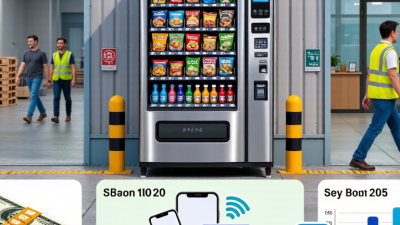
Owning a vending machine in China can look simple from the street. A glass front, bright LEDs, and cashless payments suggest passive income. The real business is less tidy. Equipment, inventory, delivery routes, electricity, site commissions, software, repairs, and taxes all affect the final return.

Industry reports show why this market attracts attention. Grand View Research valued the global vending machine market at approximately US$21.4 billion in 2022 and forecast strong growth through 2030. China’s smart retail sector has also expanded, supported by mobile payments, office parks, transport hubs, universities, and residential communities. However, market growth does not guarantee profit for every operator. A machine beside a busy metro entrance may outperform one in a quiet office lobby by several times.

Vending consultant Bob Tullio captures the operational reality: “You are not buying a machine; you are buying a business.” The quotation is useful, but it should not be treated as a complete financial model. A new machine may cost several thousand dollars, while imported units can add freight, installation, customs, and maintenance expenses. Product choice matters too. Bottled drinks may sell steadily, but chilled storage increases energy use. Snacks can deliver better margins, yet expired stock creates silent losses.

This guide examines the real cost of owning a vending machine in China. It considers startup spending, monthly operating costs, location economics, payment systems, and realistic break-even periods. Some estimates remain imperfect because city rents and supplier prices vary widely. That uncertainty deserves attention.
How Much Does Owning a Vending Machine Cost in China?

What Is the Total Cost of Owning a Vending Machine in China?

How Much Does Owning a Vending Machine Cost in China?

The total cost depends on the machine, location, product mix, and service needs. A new machine usually costs between RMB 15,000 and RMB 60,000. A refurbished unit may cost less, but repairs can arrive sooner than expected. Transport, installation, and payment-system setup may add RMB 2,000 to RMB 8,000. Check the electrical requirements before delivery. A small site mistake can become an expensive delay.

Stocking the machine may require RMB 3,000 to RMB 10,000 initially. Monthly electricity often remains manageable, but rent or site commissions can change the budget sharply. Busy commercial locations may charge fixed rent, sales commissions, or both. Maintenance, cleaning, software support, and insurance may add RMB 500 to RMB 2,000 monthly. Local registration and operating requirements should also be confirmed with the relevant authorities. Rules and fees can differ between cities.

A realistic first-year budget may range from RMB 35,000 to RMB 120,000 per machine. That estimate is useful, not perfect. Product waste, weak foot traffic, and delayed repairs can reduce returns. I would test one location before expanding. Track daily sales, refill frequency, electricity use, and payment failures. A machine that looks profitable on paper may underperform beside an empty corridor. Numbers from another city may mislead.

Which Vending Machine Types and Features Affect the Purchase Price?

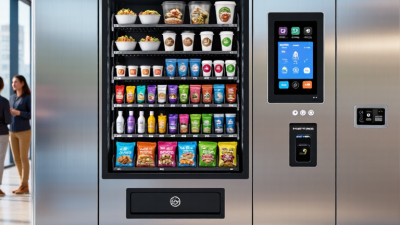
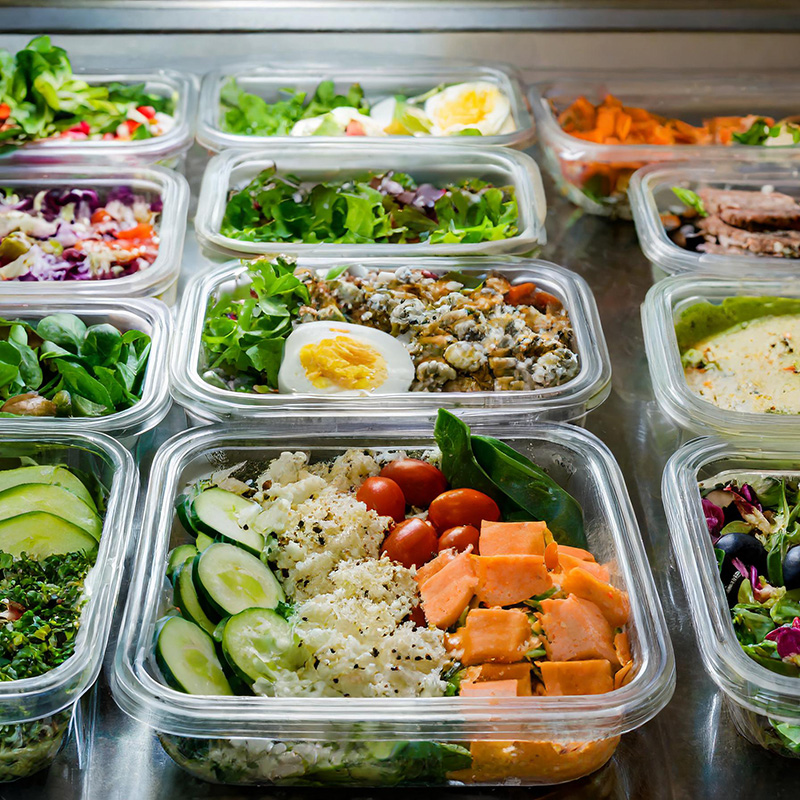
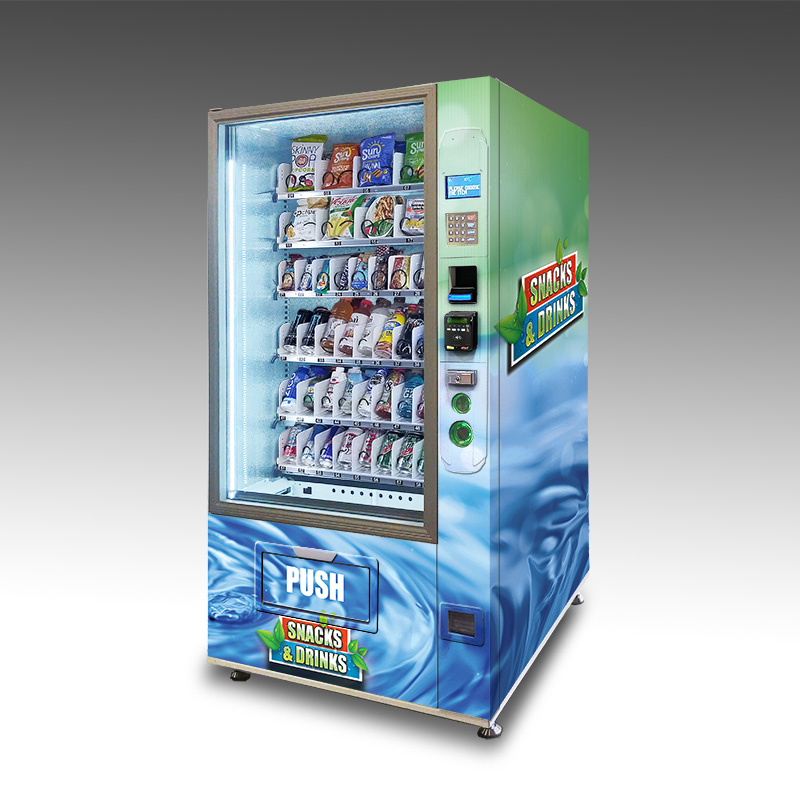
A vending machine in China can cost about RMB 15,000 to RMB 80,000 before delivery and installation. The machine type creates the widest price gap. A basic ambient-snack model usually costs less than a refrigerated model, because cooling hardware, insulation, and temperature monitoring add complexity. A fresh-food machine costs more. It may need stronger refrigeration, shorter replenishment cycles, and stricter hygiene controls.

Features also change the purchase price quickly. A touchscreen, cashless payment, remote inventory data, and camera-based product recognition can add several thousand yuan. Telemetry is not just decoration. It helps operators see stock levels, sales patterns, and temperature alerts without visiting every location. Grand View Research valued the global vending machine market at USD 21.84 billion in 2022 and forecast a 10.7% compound annual growth rate from 2023 to 2030. This growth reflects demand for connected and automated equipment, not merely larger cabinets.

Location matters more than many buyers expect. A compact machine may suit an office lobby, while a high-capacity refrigerated unit fits a factory or transport hub. Energy consumption should be checked over a full year, not during a showroom test. Some quotations exclude software subscriptions, payment fees, shipping, and after-sales service. That is where budgets become unclear. Stainless steel panels look durable, but they do not guarantee reliable cooling or easy maintenance. A lower purchase price can become expensive when spare parts are slow to obtain.

What Ongoing Expenses Should Owners Expect in China?

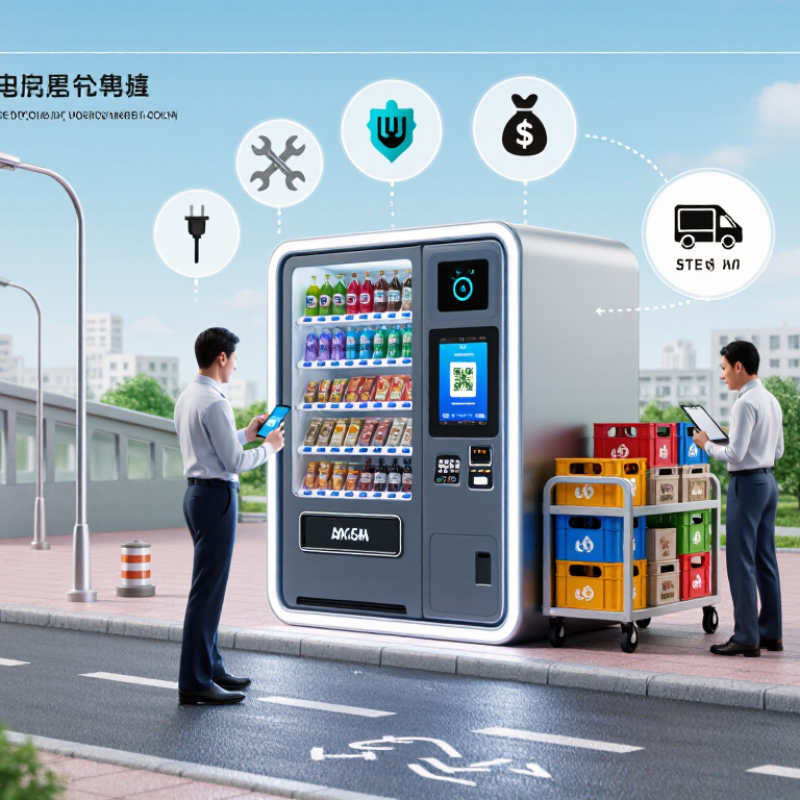
Owning a vending machine in China involves more than the purchase price. The China Chain-Store & Franchise Association’s 2023 convenience retail report identifies rent, labor, and logistics as persistent operating pressures. These costs also affect unmanned retail. A busy location may demand a monthly placement fee or 8%–20% of sales. Transport can add 300–1,000 yuan monthly, depending on distance and refill frequency. Power is quiet. A refrigerated machine may consume roughly 8–15 kWh daily, so local commercial electricity rates matter.

Inventory usually becomes the largest recurring expense. Owners must pay wholesale prices before receiving sales revenue. Slow products create tied-up cash and eventual spoilage. Spoilage hurts.

iiMedia Research estimated China’s unmanned retail market at about 28.1 billion yuan in 2022, but market size does not guarantee strong machine-level returns. Product selection, nearby offices, and seasonal demand matter more than a national headline. Payment processing, cloud connectivity, cleaning, and small repairs may add 200–800 yuan per month per machine.

Labor deserves a careful estimate. The National Bureau of Statistics reported average annual wages of 68,340 yuan for employees in China’s private urban units in 2023. A vending route worker may cost less per task, but travel time and social insurance can change the calculation. My early budget would have underestimated refill labor. Owners should test one location for several months, record sales by product, and revise the model after real spoilage and repair data. A 10%–15% cash reserve is sensible, although not always enough during equipment failures.

How Do Location, Product Selection, and Restocking Influence Profitability?

How Much Does Owning a Vending Machine Cost in China?

Location usually determines whether a vending machine earns or quietly collects dust. A machine may cost roughly RMB 20,000–60,000, excluding delivery and installation. However, rent, electricity, payment fees, and site commissions can exceed the machine’s monthly depreciation. iiMedia Research’s 2024 China Vending Machine Industry Report places China’s market scale above RMB 30 billion, showing strong demand but also intense competition. CNNIC reported over 1 billion mobile-payment users in 2024. Cashless access is essential.

Product selection must match the location, not personal preference. Near factories, bottled drinks and filling snacks may sell quickly. In schools or offices, smaller portions and healthier choices can perform better. A 2024 NielsenIQ China shopper report found that consumers increasingly compare value, convenience, and health claims. Expired stock destroys margin. So does excessive variety. I once assumed more choices meant more sales. The result was slower turnover and unnecessary waste.

Tips: Test one location for four weeks before expanding. Record sales by hour, product, and weather. Restock fast-moving items every two or three days. A half-empty machine looks neglected. A crowded machine hides weak products. Keep a 10% cash reserve for repairs and seasonal demand. Review supplier invoices, commission terms, and local operating requirements carefully. These small details often decide profitability.

How Much Does Owning a Vending Machine Cost in China? - How Do Location, Product Selection, and Restocking Influence Profitability?

Business Dimension Typical Operating Assumption in China Estimated Cost or Revenue Effect on Profitability Practical Management Consideration
Machine purchase Standard refrigerated machine with cashless payment, remote monitoring, and basic temperature control RMB 18,000–35,000 per machine Higher initial investment; a better-equipped machine may reduce payment and maintenance problems Compare warranty coverage, spare-part availability, payment-system fees, and power consumption before purchase
Initial setup Transport, installation, electrical work, exterior labeling, and initial software configuration RMB 1,500–5,000 Usually a one-time cost, but difficult sites can increase installation expenses Confirm doorway dimensions, floor loading, power access, network coverage, and delivery access in advance
Initial inventory Approximately 250–400 units of packaged drinks, snacks, instant food, and daily necessities RMB 3,000–8,000 Too much inventory ties up cash and increases expiry risk; too little inventory causes missed sales Begin with a narrow product range and adjust quantities according to sales data
High-traffic commercial location Office buildings, transport-adjacent areas, hospitals, universities, and large residential communities Approx. 80–180 transactions/day Highest revenue potential, but rent or revenue-sharing requirements are usually higher Negotiate a fixed monthly fee or revenue share; verify pedestrian flow at different times of day
Medium-traffic location Factories, ordinary office areas, community entrances, and smaller educational facilities Approx. 35–80 transactions/day Often provides a balanced relationship between sales volume and site cost Suitable for a first machine because operating data can be collected with moderate financial exposure
Low-traffic location Quiet streets, low-occupancy buildings, or sites with limited visibility and restricted access Usually fewer than 35 transactions/day Low sales may make rent, labor, and transportation costs uneconomical Relocate or renegotiate the site if sales remain weak after a four-to-eight-week testing period
Site fee or revenue share Payment to a property owner, facility operator, or management company RMB 500–3,000/month or 5%–20% of sales One of the most important factors affecting net profit Use sales records to negotiate; a percentage-based agreement can reduce risk at a new location
Product selection Packaged beverages, bottled water, snacks, instant meals, personal-care items, and seasonal products Average gross margin: 20%–40% Product mix directly affects average order value, gross margin, and expiry losses Prioritize fast-moving products and reserve limited space for higher-margin items that match local demand
Beverages and bottled water Common cold drinks and water with stable demand in offices, schools, factories, and outdoor areas Typical gross margin: 15%–30% Lower margin but usually reliable turnover; refrigeration increases electricity usage Adjust the product mix seasonally and monitor temperature-related electricity costs
Snacks and convenience food Packaged snacks, biscuits, instant meals, and small ready-to-eat foods Typical gross margin: 25%–45% Can raise average gross margin, but demand varies more by location Use smaller trial quantities and remove slow-moving products before their expiry dates
Pricing strategy Prices generally set above nearby wholesale or supermarket prices to cover convenience and operating costs Common markup: RMB 0.50–3.00 per item Higher prices improve margin but may reduce transaction volume and customer loyalty Compare nearby retail prices and use location-specific pricing rather than one nationwide price
Restocking frequency One to three visits per week, depending on sales volume, storage capacity, and product shelf life RMB 300–1,500/month in labor and transport per machine Frequent restocking prevents stockouts but increases labor, fuel, and route costs Use remote inventory alerts and combine several machines into one delivery route
Electricity Refrigerated machine operating continuously; actual consumption varies by model, temperature, and climate Approx. RMB 100–300/month Affects profit steadily rather than dramatically, especially in hot regions Select an energy-efficient model and avoid placing the machine in direct sunlight or poorly ventilated spaces
Payment and software fees Cashless payment processing, connectivity, cloud monitoring, and transaction management Approx. 0.3%–1% of sales plus RMB 0–150/month Small per-transaction charges become material at high sales volume Review settlement periods, service subscriptions, and payment failure rates
Maintenance and loss allowance Cleaning, minor repairs, damaged packaging, refunds, theft, expired products, and occasional component replacement Approx. RMB 200–800/month Unexpected downtime can cause lost sales and additional service expenses Keep essential spare parts, inspect the machine regularly, and track expired or damaged inventory separately
Illustrative monthly sales 60 transactions/day with an average customer spend of RMB 8.00 Approx. RMB 14,400/month Actual sales depend mainly on pedestrian flow, operating hours, product relevance, and machine visibility Calculate sales using transaction count and average order value instead of relying only on foot-traffic estimates
Illustrative gross profit Monthly sales of RMB 14,400 with an assumed blended gross margin of 30% Approx. RMB 4,320/month Gross profit is before site fees, electricity, labor, maintenance, taxes, and depreciation Recalculate the blended margin whenever the product mix or purchase cost changes
Illustrative net operating profit Gross profit less site fee of RMB 1,200, restocking of RMB 700, electricity of RMB 180, and maintenance/software of RMB 400 Approx. RMB 1,840/month Demonstrates how a profitable sales volume can still produce a moderate final return Exclude owner salary, financing interest, income tax, and machine depreciation unless preparing a full investment model
Indicative payback period Machine and setup investment of RMB 25,000 with monthly net operating profit of RMB 1,840 Approximately 14 months Payback becomes longer when sales are seasonal, the machine is idle, or site fees increase Use conservative sales assumptions and include a reserve for repairs and relocation
Data note: All figures are realistic planning estimates for independent vending-machine operations in mainland China, expressed in Chinese yuan (RMB). Actual results vary by city, site agreement, machine configuration, product category, season, taxes, labor costs, and local regulations. The illustrative profit figures are not guaranteed returns.

What Legal, Operational, and Maintenance Costs Must Be Considered?

Owning a vending machine in China involves more than the machine’s purchase price. A standard unit may cost RMB 20,000–60,000, depending on refrigeration, payment hardware, and capacity. Legal preparation also matters. Operators usually need business registration, tax compliance, and local food-related permits or filings. Requirements differ between cities, so confirmation with the local market-regulation bureau is essential. Product labels, expiry dates, and storage temperatures must follow China’s Food Safety Law.

Site expenses often become the largest monthly cost. Shopping centers may request fixed rent, sales commissions, or both. Electricity, mobile connectivity, payment processing, delivery, and restocking add smaller but constant charges. The People’s Bank of China reported 151.7 billion mobile-payment transactions in 2023, showing why reliable QR payment access is operationally important. Mordor Intelligence’s 2024 industry estimate places China’s vending-machine market at several billion U.S. dollars, but market growth does not guarantee profit at one location.

Maintenance needs a separate reserve. Cleaning, refrigeration checks, screen replacement, software support, and emergency visits can cost RMB 2,000–8,000 annually per machine. Remote monitoring reduces wasted trips. It does not remove them. Spoiled milk, blocked payment readers, and empty popular products still require fast attention. A sensible budget should reserve 10–15% for unexpected repairs and weak sales. My own planning would treat this as necessary, not optional. The uncomfortable lesson is simple: a cheap machine can become expensive through poor placement and delayed maintenance.