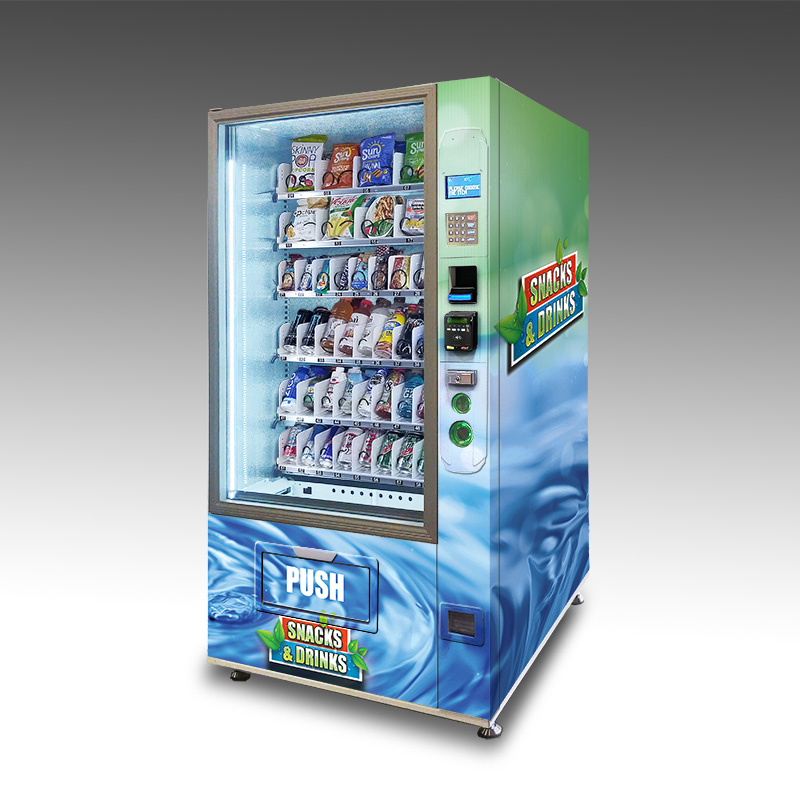
Planning to purchase a vending machine in 2026 requires more than comparing stainless-steel cabinets and touchscreen features. Location, product demand, payment access, maintenance, and route density often determine profitability. A machine placed beside a busy warehouse entrance may outperform a newer machine in a quiet office lobby.
Grand View Research valued the global vending machine market at approximately $21.8 billion in 2023. Its report projects strong growth through 2030, supported by cashless payments, healthier products, and automated retail. The National Automatic Merchandising Association also reported that the U.S. convenience services industry reached about $26.6 billion in 2022. These figures show opportunity, but they do not guarantee success for one machine.
The numbers need careful interpretation. Market reports usually measure equipment, sales, or industry revenue differently. They cannot predict your electricity bill, refill distance, local foot traffic, or spoiled sandwiches. A practical review should include payment processing fees, warranty coverage, delivery access, and at least three months of sales testing.
Veteran vending consultant Bob Tullio offers a useful reminder: “Vending is a service business, not a machine business.” That principle should guide every purchase decision. A reliable operator checks the site personally, speaks with nearby businesses, and records customer movement at different hours. Start small. Learn quickly. Then consider expanding.
This guide explains how to purchase vending machine equipment responsibly in 2026. It compares new and refurbished models, evaluates suppliers, estimates operating costs, and identifies warning signs before money changes hands.
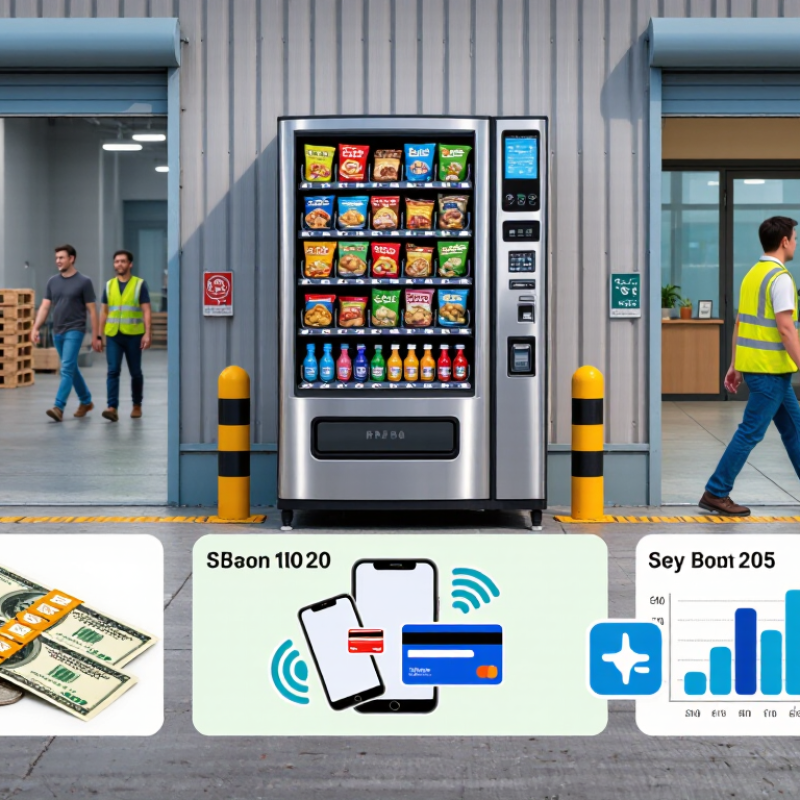
Before purchasing a vending machine in 2026, define what your business must achieve. Are you seeking side income, a full-time operation, or a test project near your workplace? Your answer affects the machine type, budget, refill schedule, and expected sales volume.
A small snack machine may suit an office with steady daytime traffic. A refrigerated unit may perform better near a gym, clinic, or transport hub.
Choose the product category after studying real customer behavior, not personal preference. Track foot traffic for several days. Note when people arrive, what they carry, and whether nearby shops meet their needs.
Product demand can change by season. Bottled water may move quickly during summer, while warm drinks may need stronger placement in colder months.
Check storage capacity, temperature control, payment options, cleaning requirements, and maintenance access before signing a purchase agreement. I once underestimated refill time, and that small error reduced profit more than expected. The lesson still matters: convenience for the operator affects revenue.
Tips: Start with a narrow product range and record every sale. Keep a simple spreadsheet for product cost, service calls, electricity, rent, and spoilage. Ask the property manager about power access, placement rules, security, and customer complaints. Leave room for adjustment. A product that looks popular may sell poorly from one location. Test carefully. Reliable records will guide your next machine purchase better than optimistic estimates.
Buying a vending machine in 2026 requires more than comparing prices. Start by matching the machine type to its location and customers. Snack machines suit offices, while refrigerated units need steady power and temperature control. Combination machines save space, but their product capacity may be limited. Measure the doorway, floor area, and electrical outlet before ordering. A detailed site check can prevent expensive surprises.
Study features that affect daily operation. Look for cashless payment support, clear product displays, strong locks, adjustable shelves, and remote inventory monitoring. Energy efficiency matters when a machine runs continuously. Check warranty coverage, replacement parts, maintenance response times, and software fees. New machines offer predictable performance, while refurbished units may reduce costs but require careful inspection. Leasing protects cash flow, although long contracts can become costly. Direct purchase gives control, but repairs become your responsibility.
Tips: Request a live demonstration and test every payment method. Ask for a written total cost, including delivery, installation, taxes, and service. Inspect a refurbished machine for door alignment, cooling performance, and internal corrosion. Do not trust attractive projections without checking foot traffic. A busy location can still produce weak sales if product choices are wrong. My own preference would be a smaller, adaptable machine before a large investment, but that approach may limit future capacity. Review the decision after several months of real sales data.
Set your budget before comparing machines.
NAMA’s 2023 Convenience Services Industry Report recorded $31.1 billion in U.S. industry revenue during 2022. The figure includes vending, micro markets, and office coffee services. Demand exists, but demand does not guarantee your location will perform.
I would divide available capital carefully: 40–60% for equipment, 10–20% for opening inventory, and the remainder for installation, permits, insurance, payment systems, and repairs. Keep at least three months of operating cash. That reserve matters.
Equipment prices vary with size, cooling systems, accessibility features, and payment technology. Grand View Research estimated the global vending machine market at about $21.8 billion in 2023. Its forecast also indicates continued growth through 2030, although market definitions differ.
Compare specifications, not advertisements. Test the door seal, bill acceptor, card reader, lighting, and temperature display. Ask about delivery charges and replacement parts. A cheap machine can become expensive quickly.
Inventory needs a separate calculation. Start with fast-moving, shelf-stable products suited to the site’s customers. Do not fill every slot on day one. Track sales weekly and remove slow items before they expire.
My first budget would have missed small costs, especially route fuel and damaged products. That mistake is common. Leave room for learning.
A spreadsheet should include electricity, software fees, cleaning supplies, refunds, taxes, and occasional vandalism repairs. Review actual cash flow after thirty days, then adjust purchasing decisions.
Evaluate Suppliers, Locations, Payments, and Maintenance Services
Purchasing a vending machine in 2026 requires more than comparing purchase prices. A reliable supplier should provide clear specifications, warranty terms, delivery dates, and parts availability. Ask who installs the machine and handles software updates. Request references from customers with similar locations. That check matters.
Inspect the payment system before signing. It should support common cashless methods and provide accurate transaction records. Confirm fees, settlement timing, refund procedures, and data protection responsibilities. A low purchase price can become expensive through unclear payment charges.
Choose a location using measured evidence, not hopeful foot traffic. Count visitors during mornings, lunch hours, evenings, and weekends. Check lighting, power access, security, weather exposure, and nearby food options. A busy entrance may still fail if queues block the machine. Secure written permission and clarify electricity costs. Small details decide daily sales.
Maintenance should be assessed like an operating contract. Look for response times, preventive inspections, remote alerts, cleaning schedules, and transparent labor rates. Ask how quickly common parts arrive and who replenishes products. A payment fault can remain unresolved for days without dependable service.
Keep records of outages, refunds, cleaning, temperature checks, and stock gaps. Review them monthly. My first product assumptions might be wrong. Test a modest inventory, study actual buying patterns, and adjust carefully. Not glamorous. Still essential.
Buying a vending machine in 2026 requires more than comparing prices. Define products, site traffic, power access, and service needs before signing. Ask for total ownership costs, including delivery, installation, payment hardware, software, maintenance, and taxes. Request written warranty terms and test the machine with sample products. Check temperature records for refrigerated units. I once underestimated door clearance; a cheap quote became an expensive delay. Measure entrances, elevators, floor strength, and nearby outlets. Confirm the site agreement permits vending operations. It should explain electricity, damage, and refund responsibilities. Avoid promises that sound perfect.
Installation should follow a documented checklist. A qualified technician can level the machine, secure it, connect power safely, and verify performance. Test every selection, payment method, keypad, display, and refund process. Record serial details and take photographs before opening. Stock a small, varied inventory first. Use clear prices, required product information, and readable instructions. Soft-launch for several days, then review sales, failed transactions, stockouts, and customer comments. Some products may look popular but expire quickly. That lesson can protect cash flow.
Tips: Keep a reserve for repairs and slower months. Visit the machine after launch, not only when something breaks. Clean high-touch surfaces on a fixed schedule and retain service logs. Review local requirements with the relevant authority, because rules differ by location. My launch plan would now include extra time; suppliers and installers rarely move as fast as expected. Good records make correction easier and build trust with the site owner and customers.
| Process Stage | Key Decision or Task | Typical Cost Range (USD) | Expected Time | Required Documents or Inputs | Recommended Acceptance Criteria | Status |
|---|---|---|---|---|---|---|
| 1. Define the Business Model | Choose the target location, product category, machine capacity, payment options, and service responsibilities. | $0–$500 | 1–3 days | Location profile, customer traffic estimate, product list, operating budget | Documented product mix, target customers, estimated daily sales, and maximum start-up budget | Plan |
| 2. Survey the Location | Check foot traffic, visibility, lighting, security, electrical access, floor space, and customer convenience. | $0–$300 | 1–7 days | Site measurements, photographs, power outlet details, access schedule | Stable indoor or sheltered placement, safe customer access, adequate lighting, and suitable electrical service | Validate |
| 3. Obtain Placement Approval | Negotiate written permission with the property owner or manager and confirm revenue share or rent terms. | $0–$1,000 | 3–14 days | Placement agreement, insurance requirements, operating hours, removal terms | Signed agreement covering placement period, fees, electricity, maintenance access, liability, and termination | Authorize |
| 4. Check Legal and Tax Requirements | Confirm business registration, local vending permits, sales-tax obligations, food-safety rules, and accessibility requirements. | $50–$1,000+ | 3–30 days | Business registration, tax registration, permits, insurance certificate, product compliance records | All permits and registrations are confirmed before products are stocked or sales begin | Comply |
| 5. Select the Machine Type | Compare new, refurbished, and used machines based on product dimensions, capacity, temperature control, energy use, security, and remote monitoring. | $1,500–$12,000 | 2–7 days | Technical specifications, warranty terms, service records, compatibility checklist | Machine fits the location, supports the planned products, accepts required payment methods, and has available service support | Compare |
| 6. Budget for Payment and Connectivity | Choose cashless payment capability, cellular or network connectivity, transaction reporting, and cash-handling procedures. | $200–$1,500 initial; $10–$60 monthly service | 1–5 days | Payment requirements, network availability, transaction-fee schedule, account setup information | Payment test succeeds, receipts or confirmations work correctly, and transaction fees are included in the financial model | Configure |
| 7. Place the Order | Confirm the final specification, accessories, delivery method, warranty, return policy, and inspection procedure before payment. | Deposit: commonly 10%–50% of purchase price | 1–3 days | Purchase order, invoice, delivery address, contact details, warranty terms | Invoice matches the agreed specification and clearly states delivery, installation, payment, and warranty conditions | Purchase |
| 8. Prepare the Site | Clear the route, verify door and elevator dimensions, prepare the floor, confirm electrical access, and arrange delivery personnel. | $100–$1,500 | 1–7 days | Machine dimensions and weight, site plan, delivery instructions, electrical details | Access route is safe, placement surface is level, outlet is accessible, and the machine will not obstruct exits or walkways | Prepare |
| 9. Deliver and Install | Receive the machine, inspect for damage, position it securely, connect power and network service, and complete leveling. | $200–$2,000 | 2–8 hours | Delivery checklist, photographs, damage report, installation instructions | No visible transport damage; machine is level, stable, powered safely, and ready for functional testing | Install |
| 10. Test Every Function | Test product dispensing, temperature control where applicable, payment methods, refunds, door locks, lighting, connectivity, and alerts. | $0–$300 | 2–6 hours | Test products, payment cards or devices, network credentials, temperature log | At least 10 successful dispensing cycles, successful payment tests, correct change or refund handling, and no safety faults | Test |
| 11. Stock and Price Products | Load products according to shelf capacity, expiry dates, expected demand, selling price, and replenishment frequency. | $300–$2,500 initial inventory | 2–6 hours | Inventory list, supplier invoices, price sheet, expiry-date records | Products fit correctly, prices are visible, expiry dates are controlled, and gross margin targets are documented | Stock |
| 12. Launch and Monitor | Open for sales, verify the first transactions, monitor inventory and faults, and collect customer feedback. | $50–$500 for signage and launch materials | First 7–14 days | Opening checklist, sales report, maintenance log, customer feedback record | Daily sales are recorded, stock-outs are tracked, payment issues are resolved, and maintenance response procedures are active | Launch |
| 13. Review Performance | Measure sales per day, average transaction value, gross margin, product waste, machine uptime, and replenishment cost. | $0–$300 monthly reporting cost | Review after 30, 60, and 90 days | Sales reports, inventory records, expense ledger, service records | Identify profitable products, remove slow-moving items, reduce stock-outs, and update prices or product mix when necessary | Optimize |
Cost ranges are planning estimates in U.S. dollars and can vary by machine condition, capacity, location, transport distance, permits, payment system, and installation requirements. Confirm local legal, tax, electrical, accessibility, and food-safety requirements before purchase.