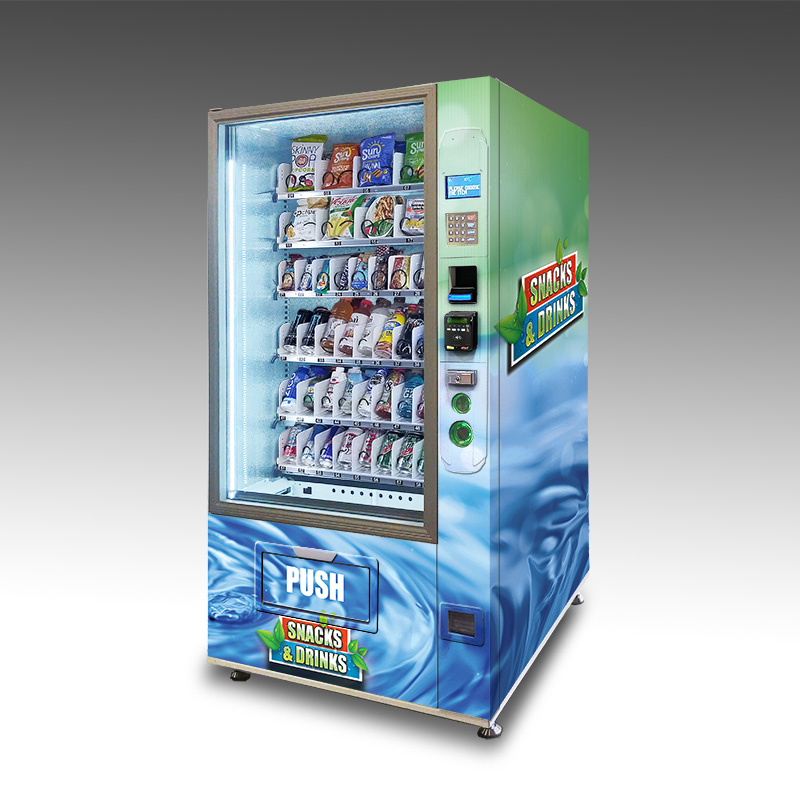
What Is a Refurbished Vending Machine?
What Is a Refurbished Vending Machine?
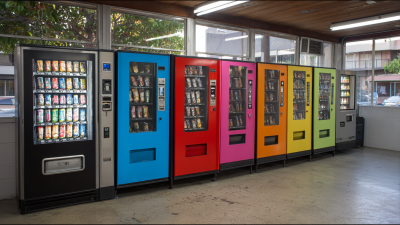
A refurbished vending machine is not simply an old machine with fresh paint. It is a used unit inspected, repaired, cleaned, and prepared for another operating cycle. The process may include replacing coin mechanisms, cooling parts, touchscreens, motors, wiring, and damaged cabinet panels. Some machines receive new decals and updated payment systems. Others keep visible scratches but perform reliably.
“Refurbishment should restore dependable operation, not merely improve appearance,” says Michael W. Rosenberg, a vending equipment specialist and former service technician. His point matters because a bright exterior cannot compensate for a jammed spiral or weak refrigeration. In practice, technicians test each selection, check temperature stability, inspect power connections, and run payment trials. Small faults can become expensive interruptions.
The result is one of many refurbished vending machines available for offices, schools, apartment buildings, and retail locations. They often cost less than new equipment, while offering familiar functions and faster availability. However, quality varies. A machine rebuilt by an experienced technician is different from one quickly cleaned and resold. That distinction is easy to miss.
Look closely.
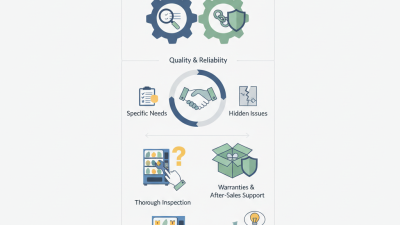
Ask for service records, replaced components, warranty terms, and testing details. Confirm that the machine supports the products, payment methods, and electrical conditions required at its location. A refurbished unit may be an excellent investment, but it is not automatically a bargain. Buyers should stay curious, inspect carefully, and accept that even a well-restored machine can need maintenance.
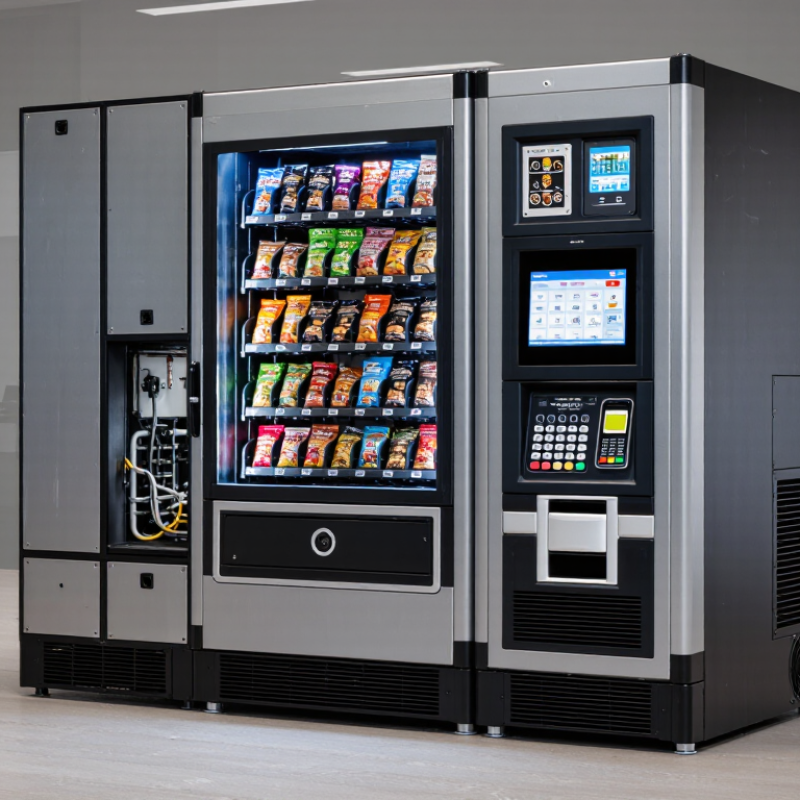
Definition and Core Features of a Refurbished Vending Machine
What Is a Refurbished Vending Machine?
Definition and Core Features of a Refurbished Vending Machine
A refurbished vending machine is a previously used unit restored for reliable daily operation. It is not simply a second-hand machine with fresh paint. A qualified technician usually inspects the cabinet, cooling system, motors, wiring, display, and payment equipment. Worn parts may be replaced, while reusable components are cleaned and tested.
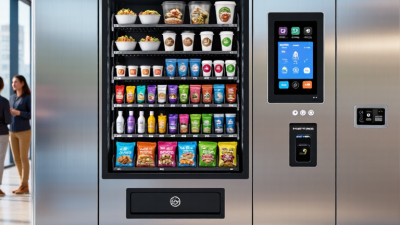
Core features often include temperature control, product spirals, adjustable shelves, and electronic payment options. Some machines also support remote sales tracking, but this depends on the model and its updated hardware. During a practical inspection, the machine should complete repeated test vend cycles without jams. The door seal should close firmly, and the compressor should reach a stable temperature.
Refurbished equipment can reduce purchase costs and material waste. It may also provide a practical entry point for a small retail location. However, condition varies widely. A few scratches are usually harmless, but hidden corrosion or outdated wiring deserves attention. Ask for service records, test results, replacement details, and warranty terms before buying. Confirm that the machine meets local electrical, accessibility, sanitation, and payment regulations. These checks matter more than a polished exterior.
A refurbished vending machine is best understood as restored equipment, not new equipment. Its value depends on honest inspection and careful maintenance. Even experienced operators can miss a weak cooling fan. That is worth remembering.
How Refurbished Vending Machines Are Inspected and Restored
What Is a Refurbished Vending Machine?
How Refurbished Vending Machines Are Inspected and Restored
A refurbished vending machine is a previously used unit restored for reliable daily operation. It is not simply washed, repainted, and resold. Experienced technicians inspect the cabinet, shelves, motors, wiring, cooling system, and control board. They record visible damage and test each major function.
Inspection often begins with the power supply and internal wiring. Technicians check loose connections, damaged insulation, grounding, and unusual heat. They test product motors with different load weights. A motor that works empty may stall under pressure. That small detail matters. Cooling models also receive temperature checks over several hours, not just a quick power test.
The payment area receives careful attention. Technicians verify that the reader, coin mechanism, display, and refund function respond correctly. They clean sensors and replace worn belts, lights, seals, or buttons when needed. Food-contact surfaces are cleaned with suitable materials and inspected for rust or sharp edges. Machines are then tested repeatedly before delivery.
The process is not perfect. Hidden corrosion or an aging circuit can appear later. Reliable sellers should provide inspection records, replaced-part details, and clear service terms. Buyers should ask how long the machine ran under test conditions. A fresh appearance means little without operating evidence. Careful restoration reduces risk, but it cannot remove every uncertainty from used equipment.
Key Differences Between Refurbished and New Vending Machines
What Is a Refurbished Vending Machine?
Key Differences Between Refurbished and New Vending Machines
A refurbished vending machine is a used unit restored for commercial operation. Technicians inspect the payment system, cooling parts, wiring, doors, and product coils. Worn components may be replaced, while the cabinet receives cleaning, testing, and cosmetic repairs. The result can look nearly new, but its internal history still matters. A new machine starts with unused components, current software, and a manufacturer-backed warranty. That usually means higher upfront cost and fewer unknowns.
Price is the clearest difference. Refurbished equipment may reduce acquisition costs, helping operators test a location before expanding. NAMA’s 2023 Convenience Services Industry Report valued the U.S. convenience-services sector at approximately 26.6 billion dollars. This scale shows why equipment reliability affects more than appearance. A failed payment reader can lose sales during a busy afternoon. Newer machines may also offer better energy performance, touchscreen interfaces, remote monitoring, and flexible cashless payments. However, these features do not guarantee stronger sales. Location, product mix, and service response still decide performance.
Tips: Ask for service records, test every selection, and verify the warranty in writing. Check compressor noise and temperature after several hours. Request the machine’s annual energy estimate. I would not accept “fully tested” without a written inspection sheet. Refurbished equipment can be excellent, but inconsistent rebuilding standards remain a real concern. Compare the total cost, including delivery, installation, software, repairs, and downtime.
Benefits, Limitations, and Typical Costs of Refurbished Machines
What Is a Refurbished Vending Machine?
A refurbished vending machine is a previously operated unit that has been inspected, repaired, cleaned, and tested. It is not simply a second-hand machine with fresh paint. A proper refurbishment should include payment-system checks, refrigeration testing, motor inspection, and replacement of worn seals. In practical terms, buyers should request service records and a written warranty. Small details matter. A weak door gasket can increase cooling costs and spoil products.
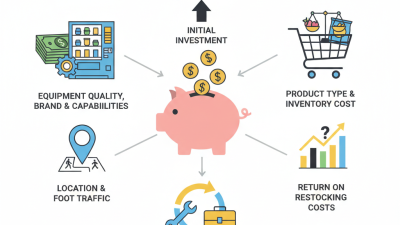
The main benefit is a lower purchase price. In current U.S. dealer listings, refurbished snack machines often cost about $1,500 to $4,000, while refurbished refrigerated models commonly range from $2,500 to $6,000. Prices change with age, capacity, delivery, and cashless-payment compatibility. NAMA’s 2022 Industry Census reported approximately $26.6 billion in U.S. vending sales, showing that reliable equipment still supports a large service market. However, lower capital cost does not guarantee lower operating cost. Older compressors may consume more electricity, and obsolete control boards can be difficult to source.
Limitations deserve equal attention. ENERGY STAR testing indicates that efficient refrigerated vending machines can use substantially less electricity than older units, depending on configuration and climate. A refurbished machine may also lack modern telemetry, touchless payment support, or accessible diagnostics. Those features can improve route management, but they also raise the purchase price. My practical concern is simple: a cheap machine with repeated service calls is not cheap. Buyers should compare total ownership cost, not only the invoice. The numbers are rarely perfect.