China Best Vending Machine Inventory Tracking Systems?

China’s vending market is becoming more connected, but growth alone does not guarantee operational efficiency. Grand View Research estimated the global vending machine market at USD 21.84 billion in 2022. It also projected a 10.7% compound annual growth rate from 2023 to 2030. These figures suggest stronger demand for automated retail equipment and smarter management tools. Yet, market estimates vary by data source and product definition. That difference matters.

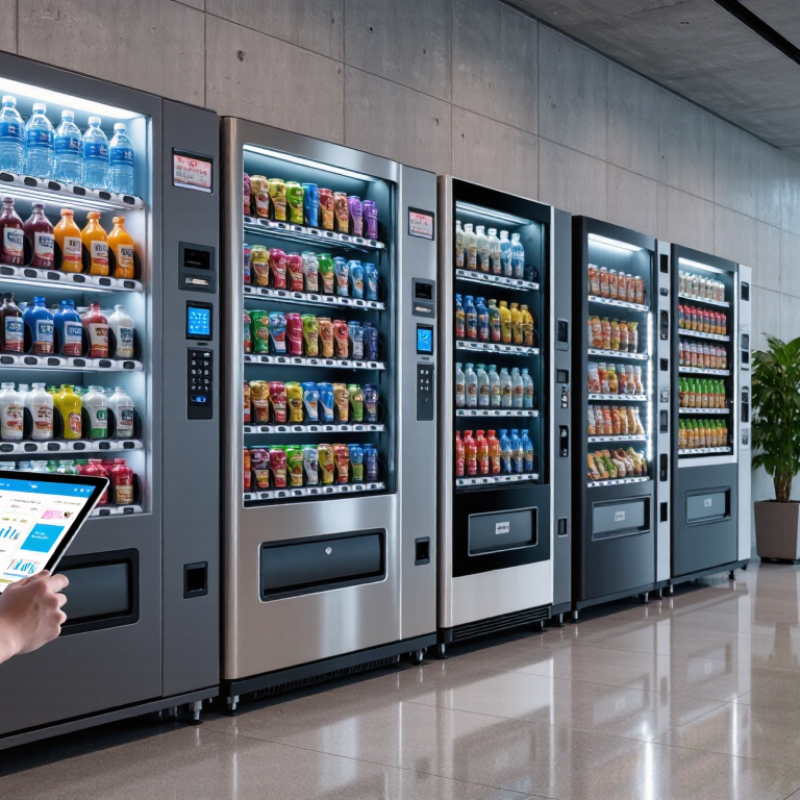
For Chinese operators, vending machine inventory tracking is no longer limited to checking stock manually. A practical system can monitor product quantities, sales speed, temperature, machine faults, and replenishment timing. For example, a route manager may see that bottled water is nearly empty at a Shenzhen office machine before the afternoon rush. The system can then support a more efficient delivery route. It may also reduce unnecessary visits and prevent empty product spirals.

Professional research supports this direction. Reports from Mordor Intelligence and Fortune Business Insights identify cloud connectivity, cashless payments, and remote monitoring as important vending industry trends. China’s large mobile-payment ecosystem can further support real-time transaction records and equipment communication. However, software quality differs widely between suppliers. Data accuracy may weaken when sensors are poorly calibrated or networks disconnect. Operators should test integration, reporting clarity, hardware compatibility, and after-sales support before choosing a platform. The “best” system is therefore not always the most advanced one. It is the system that delivers dependable data, clear alerts, and measurable value across China’s operating conditions.
China Best Vending Machine Inventory Tracking Systems?

What Is a Vending Machine Inventory Tracking System?

A vending machine inventory tracking system is a digital tool that records what each machine contains, sells, and needs. It connects sales data with stock counts, product prices, refill records, and machine alerts. Staff can view a phone dashboard instead of opening every machine blindly. A simple example is clear: the system shows 12 bottled drinks sold, four remaining, and a refill visit due tomorrow.

The need is growing. Grand View Research estimated the global vending machine market at about USD 21.8 billion in 2023. NAMA’s industry reporting also places the U.S. vending channel above USD 18 billion in annual sales. These figures make small inventory errors expensive.

A reliable system can use telemetry, barcode scans, or weight sensors to update stock after each transaction. It can also flag unusual losses, expired products, temperature changes, and repeated payment failures. Route planning becomes more practical when operators know which machines are truly low.

But automation is not magic. Sensor readings can drift. Staff may forget a manual adjustment. A delivery can be recorded late. Therefore, strong systems keep an audit trail and show the last update time. Operators should compare digital counts with physical counts each week, especially for fast-selling items. That discipline builds trustworthy data. It also reveals weak assumptions, such as treating every location as equally predictable. Inventory tracking works best as a decision aid, not a substitute for careful field experience.

How Vending Machine Inventory Tracking Systems Work in China

China’s vending machine inventory tracking systems connect each cabinet to a cloud dashboard. Sensors record product movement, while payment data confirms each sale. A route worker can then see remaining stock before opening the machine. In practice, this means fewer blind visits and better replenishment planning. The system also tracks product temperature, door opening, battery status, and fault alerts.

A 2024 market report by Grand View Research valued the global vending machine market at more than USD 21 billion in 2023. China’s dense urban transport network creates strong demand for compact, automated retail. Inventory accuracy depends on the machine’s design. Weight sensors work well for drinks, but mixed snack shelves may create errors. A product can shift without being sold. That detail matters.

Operators usually combine sales records, sensor readings, and manual checks. A simple dashboard may flag a shelf below 30% capacity, then create a delivery task. China’s National Bureau of Statistics reported that online retail sales exceeded RMB 15 trillion in 2023, showing consumers’ growing comfort with digital transactions. Yet tracking is not automatically reliable. Weak network coverage, incorrect planograms, and delayed data uploads can distort stock levels. Field experience suggests one physical audit each week remains useful, especially after promotions or machine relocation.

How Vending Machine Inventory Tracking Systems Work in China

Vending inventory systems typically combine product identification, sales records, sensor data, and cloud connectivity. The chart compares the typical capabilities of commonly used tracking methods without using company or brand data.

Barcode and QR systems depend on scanning, while RFID can identify multiple tagged items wirelessly. Weight sensors estimate stock changes, and camera-based systems can recognize products and monitor shelf conditions. Actual performance depends on machine configuration, connectivity, and software integration.

Key Features of China’s Best Inventory Tracking Systems

China Best Vending Machine Inventory Tracking Systems?

Key Features of China’s Best Inventory Tracking Systems

China’s strongest vending inventory systems combine real-time telemetry with simple operator controls. NAMA’s 2020 Census reported about 5 million vending machines in the United States, showing the scale of unattended retail operations. For larger Chinese fleets, tracking must work across busy stations, offices, schools, and residential communities. Each machine should record SKU-level sales, remaining units, refill time, and temperature. Clear alerts matter. Operators need warnings for low stock, unusual sales, door opening, and power loss.

A reliable system also supports barcode scanning, electronic shelf sensors, cashless payment reconciliation, and cloud dashboards. GS1 standards emphasize accurate product identification and traceability across supply chains. Therefore, batch numbers, expiry dates, and supplier records should remain searchable. APIs are important, too. They connect vending data with warehouse, delivery, and finance systems without repeated manual entry. Strong access controls and audit logs help protect operational data.

Field experience reveals an uncomfortable detail. Sensors can misread products after a rough refill. Network signals can also fail inside underground sites. Offline storage and automatic synchronization reduce these gaps, but they do not remove them. Managers should compare dashboard data with physical counts every week. A 2024 Zebra warehousing study found that many operators are accelerating automation investment, yet implementation still depends on data quality and workforce training. The best tracking design is not the most complicated one. It is the one staff can verify quickly, even during a crowded afternoon.

Comparing Leading Chinese Vending Inventory Solutions

Comparing leading Chinese vending inventory solutions requires more than counting dashboards.

In field audits, the useful question is simple: can staff find a missing can before the next refill? Grand View Research valued the global vending machine market at about USD 18.9 billion in 2023, with continued growth expected through 2030. That growth increases pressure on stock accuracy. Chinese systems commonly combine cloud inventory, telemetering, barcode or RFID scans, and mobile alerts. The strongest solutions connect sales, temperature, door status, and replenishment history in one record. Small details matter.

A practical comparison should examine counting accuracy, offline operation, API access, and alert speed. GS1 inventory standards support consistent product identification across machines, warehouses, and suppliers. RFID can reduce manual scanning, while barcode workflows usually cost less for smaller operators. Zebra’s 2023 Global Warehousing Study reported that 58% of decision-makers planned to adopt RFID by 2028. The direction is clear, but vending conditions are harsher than warehouses. Condensation, weak signals, and rushed refills can distort data.

No system is perfect. I would test five machines for thirty days before purchasing at scale. Compare actual stock with dashboard figures every morning. A low-cost platform may look efficient until staff correct errors manually. That hidden labor is easy to miss. The best Chinese solution is not the most sophisticated one; it is the system that produces reliable replenishment decisions in crowded stations, office lobbies, and outdoor locations.

How to Choose the Right System for Your Business

Choosing a vending inventory tracking system starts with your operating reality, not a feature list. Map each machine’s location, product range, refill schedule, and network conditions. A busy station needs faster alerts than a quiet office lobby. In China, unstable signals may affect remote updates. Test offline recording before signing a contract. Small details matter.

Ask how the system counts stock. Sensor-based estimates can reduce manual work, while barcode scans may provide clearer transaction records. The strongest option combines both methods and flags unusual differences. Check whether it tracks batch numbers, expiry dates, refill quantities, and cashless payment records. These details help staff investigate a machine showing twelve units physically but eight units digitally. Request exportable reports in common formats. Your accountant and operations team should read them without special software.

Security deserves equal attention. Choose role-based access, encrypted data transfer, backup routines, and visible activity logs. Confirm where data is stored and how quickly support responds. A practical trial should cover one busy route and one low-volume location. Compare refill time, stock accuracy, alert quality, and maintenance calls. Do not trust a perfect demonstration. Real machines are dusty, crowded, and occasionally offline. I would leave room for human checks, because automated counts can still misread blocked sensors. The right system should expose these weaknesses, not hide them. Cost matters, but predictable labor savings matter more.