What Are China Top Candy Machines for Global Buyers?
For global confectionery buyers, choosing among China’s top candy machines is not simply a price comparison. It is a production decision involving texture, output, cleaning, energy use, and after-sales support. A gummy line may require cooking, depositing, cooling, and packaging equipment. Hard candy production follows a different route, often needing precise boiling and forming control. These differences matter when a machine must run daily, not merely look impressive in a showroom.
This guide examines candy machines commonly supplied by established Chinese manufacturers. It considers gummy makers, hard candy depositors, lollipop machines, candy presses, and complete production lines. Practical evaluation starts with capacity, product dimensions, heating method, automation level, and changeover time. A buyer should request sample products, factory videos, technical drawings, and a clear list of included parts. Details matter. A missing mold, sensor, or compatible voltage can delay installation and quietly increase costs.
Reliable sourcing also depends on evidence. Check documented factory experience, food-contact materials, electrical safety records, inspection procedures, warranty terms, and technician response times. Local requirements vary, so independent verification remains important before payment and shipment. In my view, the “best” machine is rarely the fastest one. It is the model that matches your recipe, workforce, floor space, and maintenance skills. This guide may not remove every uncertainty. No honest guide can. Yet it can help global buyers compare suppliers carefully, identify weak promises, and build a more dependable candy production plan.
Candy Machine Types Available from China for Global Buyers
What Are China Top Candy Machines for Global Buyers?
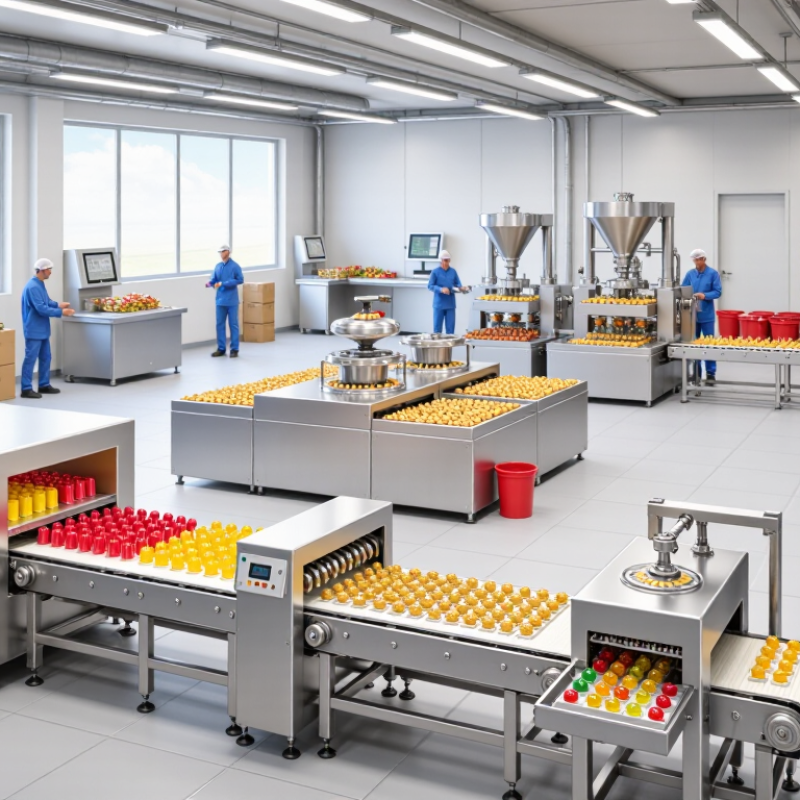
Candy machine types available from China cover several production needs. Deposit machines create hard candies, gummies, jellies, and filled sweets with controlled weight. They suit factories seeking consistent shapes and accurate dosing. A starch molding line can produce soft centers with detailed designs. It needs more floor space and careful humidity control.
Lollipop forming machines handle stick insertion, rolling, and shaping. They work well for round, flat, or layered products. For chocolate items, depositing and cooling machines manage tempering, molding, and release. This equipment usually requires stable room temperatures. Chewy candy producers may choose rope sizing and cutting machines. These systems control thickness before cutting individual pieces.
Packaging equipment is also important. Twist-wrapping, pillow-pack, and counting machines serve different products and speeds. During equipment evaluation, buyers should inspect contact materials, cleaning access, electrical standards, and safety guards. Request sample testing with the actual recipe. Sugar content, viscosity, and cooling time can change performance.
Small details matter.
Suppliers should provide manuals, spare-part lists, installation guidance, and recorded test results. Buyers must still verify local electrical, food-contact, labeling, and machinery requirements. A higher output figure may look attractive, but it can hide excessive waste or difficult maintenance. My practical view is simple: choose the machine that matches the recipe first, then the production target. This approach is less exciting, but often more reliable.
Top Chinese Candy Machine Categories by Production Needs
What Are China Top Candy Machines for Global Buyers?
Top Chinese Candy Machine Categories by Production Needs
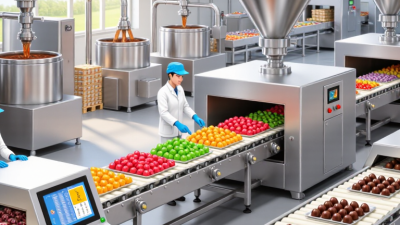
Candy machinery should match the product, batch size, and factory workflow. For hard candies, forming machines provide accurate shaping and consistent weight. They suit high-volume lines with cooling tunnels and automated wrapping. Gummy production usually requires a cooking system, depositor, starch-free molds, and controlled cooling. These machines help manage texture, color, and filling accuracy. However, gummy formulas can behave differently across climates. Testing is essential.
Lollipop lines focus on forming, stick insertion, cooling, and wrapping. They work well for clear shapes, filled centers, or custom sizes. Chocolate equipment needs tempering, depositing, cooling, and clean handling. It is more sensitive to temperature changes. A small workshop may prefer a compact depositing machine, while a large exporter may need continuous production with automatic inspection and packing. Powdered candy and tablet systems require careful dosing and compression control. They are useful when uniform weight matters.
Tips: Define your daily output before contacting a supplier. Ask for product samples using your recipe. Check food-contact materials, cleaning access, voltage, spare parts, and operator training. Request a factory test video, but do not rely on video alone. Inspect the machine or hire an independent technician. I have seen buyers choose impressive speed and overlook changeover time. That mistake can raise labor costs. A slower, easier-to-clean line may perform better in real production. Always confirm documents, installation support, and local safety requirements before payment.
How to Evaluate Suppliers, Quality, and Export Compliance
What Are China Top Candy Machines for Global Buyers?
Global buyers should inspect more than a polished catalog. Ask for factory photographs, production records, and recent export references. An online meeting should include the workshop floor, not only a showroom. Request a sample run using your recipe, target weight, and packaging format. Record output per hour, temperature stability, and cleaning time. Small details expose real experience. Some suppliers answer quickly but avoid technical questions. That is a warning, although not absolute proof.
Start with evidence. Review stainless-steel grades, electrical components, guarding, welds, and food-contact surfaces. Ask for inspection reports, calibration records, and a clear spare-parts list. During acceptance testing, measure candy size, syrup temperature, noise, and reject rate. Take photos of serial plates and control panels. A machine can look excellent and still waste material. Independent inspection is useful when your team cannot travel. No checklist catches every weakness.
Export compliance begins before payment. Confirm the machine’s voltage, frequency, plug configuration, manuals, and labeling. Check whether documents match the destination country’s import, electrical, and food-processing requirements. Obtain commercial invoices, packing lists, certificates of origin, and test documentation where required. Use a written contract covering tolerances, commissioning, warranty response, and delivery damage. Do not accept vague promises. Requirements can change, and buyers sometimes discover missing documents after loading. That mistake is expensive, but preventable through document review and staged payment terms.
How Global Buyers Evaluate Candy Machine Suppliers
This practical evaluation framework assigns the greatest weight to food-contact safety, machine safety, and proven production performance. Buyers should verify applicable export requirements such as CE marking for the European market, electrical safety documentation, food-contact materials, user manuals, packing lists, commercial invoices, and shipping documents before placing an order. The percentages represent recommended evaluation weights, not company or brand market-share data.
Buying, Installation, and After-Sales Considerations for Importers
What Are China Top Candy Machines for Global Buyers?
For global buyers, China’s leading candy machines usually serve depositing, forming, cooling, and wrapping applications. The right choice depends on recipe, target output, candy size, and packaging format. A gummy line may require controlled heating and accurate depositing. Hard candy production needs stable cooking, cooling, and pulling conditions. Ask for product samples before signing a purchase agreement. Samples reveal texture, color, weight, and production consistency better than a brochure. Request food-contact material certificates and a clear list of included components. Do not accept vague claims about capacity. Actual output can change with recipe and operator skill.
Installation planning should begin before the machine leaves the factory. Confirm voltage, compressed-air quality, water supply, drainage, floor loading, and available working space. Ask for layout drawings and utility specifications in advance. A factory acceptance test is valuable. Record speed, temperature, weight accuracy, noise, and cleaning time. Remote installation support may reduce travel costs, but it cannot replace skilled technicians in every case. Some problems appear only during commissioning. That is an uncomfortable reality.
After-sales support deserves the same attention as the initial price. Require English manuals, wiring diagrams, spare-parts lists, and training for operators and maintenance staff. Clarify response times, warranty exclusions, software access, and replacement-part availability. Keep critical sensors, heaters, seals, and belts on site. A low-cost machine can become expensive after one unavailable component stops production. I have seen buyers focus heavily on discounts and overlook maintenance routines. That decision is easy to regret. Ask who will answer at midnight when a batch fails.